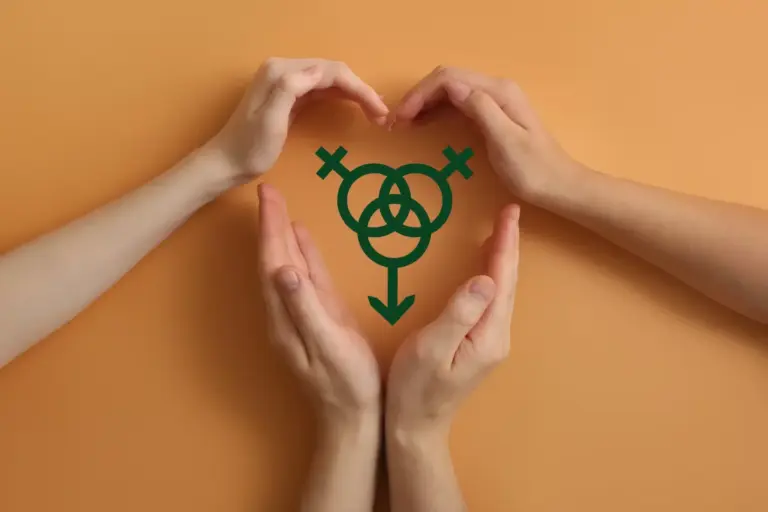
Is Polyamory Truly Selfish? Exploring the Poly Lifestyle
Polyamory, the practice of engaging in multiple consensual, emotionally connected relationships, is often misunderstood as a selfish lifestyle choice. However, this perspective fails to recognize the complex dynamics and ethical considerations inherent in polyamorous relationships. This article delves into the nuances of polyamory, examining the balance of relationships, the importance of communication and consent, and the societal challenges faced by those who choose a poly lifestyle. Through case studies and personal narratives, we will explore whether polyamory is truly selfish or a legitimate and loving relationship model that challenges traditional norms.
Key Takeaways
- Polyamory is based on ethical principles and mutual consent, challenging the misconception of selfishness.
- Effective communication and emotional intelligence are critical in managing multiple relationships in a polyamorous lifestyle.
- Social stigma and legal challenges are significant hurdles for polyamorous individuals and families.
- Case studies and personal narratives provide insight into the diverse experiences and lessons learned within polyamorous communities.
- The increasing visibility and acceptance of polyamory suggest a shift in societal relationship norms, with implications for the future of love and connection.
Understanding Polyamory: Beyond the Myth of Selfishness

Defining Polyamory and Common Misconceptions
When we talk about polyamory, it’s essential to realize that it’s not a one-size-fits-all definition. Polyamory is the practice of engaging in multiple romantic relationships with the consent of all parties involved. It’s a form of non-monogamy that emphasizes emotional and romantic connections, which doesn’t mean it’s solely about physical intimacy.
Many people assume that polyamory is synonymous with promiscuity or a lack of commitment. However, this couldn’t be further from the truth. Polyamorous individuals often spend a significant amount of time and effort maintaining open, honest communication and ensuring that each relationship is nurtured and valued.
It makes sense that misconceptions arise, given the predominance of monogamous narratives in society. But polyamory challenges these traditional views by offering an alternative approach to love and relationships, one that is built on trust, respect, and the freedom to love more than one person.
Polyamory is possible with nonsexual romantic relationships as well as sexual ones, and it’s important to recognize the diversity within polyamorous dynamics.
The Ethical Foundation of Poly Relationships
The notion that polyamory is selfish stems from a misunderstanding of its ethical foundation. Polyamorous individuals often face the accusation that their lifestyle is a mere excuse to avoid commitment or to indulge in desires without considering the feelings of someone else. However, this perspective fails to recognize the deep level of consideration and care that is typically present in poly relationships.
Polyamory challenges the idea that loving more than one person diminishes the love for each individual. Instead, it posits that love is not a finite resource and that ethical non-monogamy can enrich the lives of all involved.
The accusation of selfishness also ignores the communal aspect of polyamory, where folk come together to form supportive networks. The belief that polyamorous people are inherently selfish overlooks the fact that successful poly relationships require a high degree of self-awareness, communication, and empathy.
- Selfishness: A common misconception equating polyamory with self-centeredness.
- Someone Else: The ethical approach to polyamory involves considering the needs and feelings of all partners.
- Folk: Polyamorous communities often form tight-knit support systems.
- Selfish People: Not synonymous with polyamorous individuals; polyamory demands a high level of other-awareness.
- Inherently Selfish: Polyamory, when practiced ethically, is not inherently selfish but rather a conscious choice to explore love in a non-traditional way.
- Selfish Would: Suggesting that polyamory is selfish would ignore the complex dynamics and ethical considerations involved.
- Self: Polyamory requires a strong sense of self and self-awareness to navigate multiple relationships successfully.
- You’re Selfish: A defensive accusation often faced by polyamorous individuals, which is a reflection of societal stigma rather than the reality of polyamorous practices.
Polyamory vs. Monogamy: Challenging Traditional Views on Love
The debate between polyamory and monogamy is often framed around the idea of exclusivity and the capacity to love more than one person. Those who practice polyamory often face criticism for what some perceive as a want to ‘have it all’ without the sacrifice that comes with a monogamous relationship. However, this perspective fails to recognize that polyamory isn’t about selfish desires; it’s about acknowledging that love can be non-exclusive and that like any relationship, it requires work and commitment.
Polyamorous individuals argue that neither polyamory nor monogamy is inherently superior, but rather that different relationship structures work for different people. The key is understanding and respecting each person’s choice.
Besides, polyamory doesn’t negate the value of monogamy; it simply offers an alternative for those who feel that traditional monogamous structures do not align with their personal feelings and experiences. It’s essential to consider that the ability to maintain multiple loving relationships simultaneously can be a profound expression of emotional capacity and trust.
Communication and Consent: The Cornerstones of Polyamory

Navigating Emotional Intelligence in Multiple Relationships
In the realm of polyamory, emotional intelligence becomes a critical skill for managing multiple relationships. The ability to recognize and understand one’s own feelings, as well as those of others, is paramount. This is not just about being aware of emotions; it’s about using that awareness to foster better communication and connection with partners.
- Recognize your emotions: Identify what you’re feeling and why.
- Communicate effectively: Share your feelings with partners in a constructive way.
- Listen actively: Pay attention to your partners’ emotions without judgment.
- Manage emotions: Develop strategies to cope with negative feelings and enhance positive ones.
The misconception that polyamory is automatically selfish is often dispelled when one witnesses the level of care and attention to emotional detail that is required to maintain these relationships.
Enlightenment in polyamory comes from the continuous practice of these emotional skills. It’s a journey that not only strengthens the relationship but also contributes to personal growth and self-awareness.
The Role of Consent and Negotiation in Poly Dynamics
In the realm of polyamory, consent and negotiation are not just recommended practices; they are essential. Every relationship must begin with a clear understanding of boundaries and expectations. This is where conversation becomes the bedrock of poly dynamics, turning potential misunderstandings into opportunities for growth and deeper connection.
Consent in polyamory goes beyond a simple yes or no. It involves continuous dialogue and the willingness to consider the needs and comfort levels of all involved. Negotiation is the process where everyone’s voice is heard, and compromise is often necessary to ensure that the collective happiness is prioritized over individual desires.
Behavior that respects personal boundaries and agreements doesn’t just happen; it is cultivated through ongoing effort and open communication.
Here are some steps to ensure effective consent and negotiation in poly relationships:
- Establish clear communication channels among all partners.
- Regularly check in with each partner to reassess consent and comfort levels.
- Be open to adjusting agreements as relationships evolve.
- Address any breaches of trust or consent immediately and transparently.
When these steps are followed, polyamory can challenge societal norms and showcase a model of relationships that doesn’t just focus on the self but on the collective well-being of all partners involved.
Managing Jealousy and Insecurity: Tools for Healthy Polyamory
In the landscape of polyamory, jealousy and insecurity can often be perceived as the antithesis of love, yet they are natural emotions that can arise in any relationship dynamic. To navigate these feelings, it’s essential to recognize them not as signs of weakness, but as opportunities for growth and deeper understanding.
One effective tool for managing these emotions is open communication. By discussing feelings of jealousy or insecurity with a partner, individuals can clarify misunderstandings and reinforce trust. For example, a guy might feel a twinge of jealousy seeing his boyfriend spend time with another partner. Instead of letting this hurt fester, addressing it directly can help establish boundaries and alleviate the sense of competition.
Embracing joy for a partner’s happiness with others, a concept known as ‘compersion’, can be transformative. It’s about shifting the focus from ‘how can I get one over’ to ‘how can we all share in equal measures of happiness?’
Another vital tool is self-reflection. Understanding one’s own needs and desires can help in setting clear boundaries that respect all parties involved. Here’s a simple list to help keep track of personal boundaries:
- Identify what makes you feel secure in your relationships.
- Communicate your needs clearly to all partners.
- Regularly review and adjust boundaries as needed.
By employing these tools, individuals in polyamorous relationships can work towards a balance where love is multiplied, not divided.
The Social Perception of Polyamory and Its Challenges

Societal Stigma and Its Impact on Polyamorous Individuals
The social stigma surrounding polyamorous relationships often manifests in various forms of discrimination and misunderstanding. Individuals in poly relationships may face challenges in their social circles and workplaces, where the situation is not widely understood or accepted.
- Misconceptions about polyamory leading to prejudice
- Lack of legal recognition affecting family and custody rights
- Difficulty in accessing appropriate healthcare and support services
The situation for polyamorous individuals is complex, as they navigate a society that largely adheres to monogamous norms. Open communication and advocacy are crucial for managing stigma and promoting understanding within communities.
Despite these challenges, many polyamorous individuals find ways to build supportive networks and educate others about their lifestyle. It is through these efforts that gradual changes in perception are achieved.
Legal and Social Obstacles Faced by Polyamorous Families
Polyamorous families often face a complex web of legal and social challenges that are not encountered by monogamous counterparts. Legal recognition of poly relationships is virtually non-existent, leading to difficulties in areas such as healthcare, custody, and inheritance rights. Socially, poly families may confront biases that affect their ability to find housing, employment, and even social acceptance.
- Legal complexities include the lack of recognition for multiple partners in marriage, tax, and property laws.
- Social challenges encompass discrimination in various forms, from workplace biases to exclusion from community events.
Polyamory challenges traditional relationship norms, offering unique growth opportunities but requiring strong communication and ethical commitment.
Advocacy for polyamorous rights is growing, with organizations and activists pushing for legal reforms and societal acceptance. The path forward is one of education and visibility, aiming to dismantle misconceptions and promote inclusivity.
Advocacy and Acceptance: The Path Toward Inclusivity
The journey toward inclusivity within the polyamorous community is an ongoing process that requires a shift in societal perspective. Advocacy efforts aim to accept polyamory as a legitimate relationship style, moving beyond the stigma and misconceptions. To explore the full spectrum of polyamorous experiences, it’s essential to listen to the diverse voices within the community.
Opening up the dialogue about polyamory involves not just talking but also posting and sharing stories that illuminate the challenges and triumphs of those who practice it. This sharing fosters a greater understanding and paves the way for a more inclusive society.
The path toward inclusivity is not just about changing laws and policies, but also about transforming hearts and minds.
By highlighting the importance of communication, consent, and emotional intelligence, advocates for polyamory work to create a world where all forms of love are recognized and respected.
Polyamory in Practice: Case Studies and Personal Narratives

Success Stories: Thriving in Polyamorous Relationships
In the realm of poly relationships, success is often measured by the happiness and fulfillment of all involved. One partner’s ability to meet new people can benefit the entire network, bringing fresh energy and perspectives. For some, the ability to pursue individual interests and connections is seen as a good thing, enhancing personal growth and, by extension, the health of the relationship.
- Communication is key to making sure everyone’s needs are met.
- Trust builds as partners show respect for each other’s autonomy.
- Support from multiple partners can provide a unique sense of security.
The journey to a stronger bond with a spouse or partner often involves knowing oneself better. Polyamory can be a path to deeper self-awareness and, consequently, more profound connections with others.
Those who thrive in polyamorous settings often report that their relationships are stronger for it. They know one another on a level that monogamous relationships may not always reach, due to the openness and honesty required to maintain multiple loving connections.
When Polyamory Goes Wrong: Lessons Learned
While polyamory can be a fulfilling path for many, it is not without its pitfalls. Mistakes in polyamorous relationships can lead to profound unhappiness, often stemming from a lack of clear communication or understanding of personal boundaries. Learning from these experiences is crucial.
- Establishing clear rules is essential for preventing misunderstandings.
- Recognizing and respecting individual limits prevents overextension.
- Regular check-ins with partners can help catch issues early.
It is through these challenges that individuals can grow and refine their approach to relationships, whether they choose to continue with polyamory or return to monogamy.
Understanding the root causes of failure in poly relationships can guide us in forming healthier connections in the future. Reflecting on the lessons learned from failed polyamorous dynamics can illuminate the path to better relationship practices.
Diverse Polyamorous Structures and What They Teach Us
Polyamory comes in many forms, each with its own set of dynamics and lessons. Hierarchical polyamory is one such structure, where individuals have a primary couple and secondary partners. This model teaches us about the negotiation of boundaries and the importance of clear communication.
Another common structure is the non-hierarchical or egalitarian approach, where all relationships are given equal potential for intimacy and commitment. From this, we learn that love is not a finite resource and that each connection can be valued without diminishing another.
In exploring the diversity of polyamorous relationships, one thing becomes clear: there is no one-size-fits-all. Each structure offers something like a unique perspective on love, trust, and partnership.
For anyone else curious about the practicalities of polyamory, it’s enlightening to see how different structures manage common issues such as time allocation and emotional support. When another person is added to the dynamic, it necessitates a recalibration of expectations and responsibilities.
- Hierarchical Polyamory: Primary and secondary relationships
- Egalitarian Polyamory: Equal potential for all relationships
- Solo Polyamory: Independence and autonomy prioritized
- Polyfidelity: Closed network with multiple people
Each of these structures has its own set of challenges and rewards, offering a rich tapestry of experiences for those involved.
The Future of Polyamory: Trends and Predictions

The Growing Popularity of Polyamory in Modern Society
In recent years, polyamory has seen a surge in visibility and acceptance, reflecting a broader shift in societal attitudes towards non-traditional relationship structures. The rise in polyamorous relationships can be attributed to a growing recognition of the diversity of human connections and the legitimacy of seeking fulfillment in multiple partnerships.
The prevalence of polyamory is not just anecdotal; studies and surveys have begun to shed light on the number of individuals engaging in or open to polyamorous arrangements. While comprehensive data is still emerging, the trend points to a notable increase in people identifying as polyamorous or non-monogamous.
Polyamory’s growth is also mirrored in the media, with more representations and discussions around polyamorous lifestyles becoming commonplace. This visibility has played a crucial role in normalizing polyamory and challenging the stigma that has historically surrounded it.
As society continues to evolve, the conversation around polyamory is expanding, with more people considering it a viable and fulfilling option for their personal relationships.
How Mainstream Media Representation Influences Poly Culture
The portrayal of polyamory in mainstream media has a profound impact on public perception and the cultural acceptance of poly relationships. As media depictions become more nuanced and reflective of the true diversity within poly communities, they can either challenge or reinforce societal norms.
- Polyamory in media is evolving towards more authentic and diverse representations.
- These portrayals can help challenge stereotypes.
- Media has the power to promote acceptance and understanding of non-traditional relationships.
The shift in media representation is not just about visibility but also about the quality of that visibility. It’s about moving from caricature to character, from sensationalism to normalcy.
The influence of media extends beyond entertainment; it shapes the dialogue around what is considered ‘normal’ and acceptable in society. As polyamory gains more screen time, the narratives woven into these stories can either perpetuate misconceptions or foster a deeper understanding of polyamorous lifestyles.
Polyamory and the Evolution of Relationship Norms
As society evolves, so do the norms surrounding relationships. Polyamory, with its emphasis on multiple consensual relationships, is at the forefront of this evolution. Polyamory challenges societal norms, offers personal growth and intimacy. It requires a level of open communication and self-awareness that goes beyond traditional monogamous partnerships.
Polyamory is not a one-size-fits-all model for love and commitment. Instead, it allows individuals to explore their capacity for love in a way that is not confined by conventional boundaries.
The evolution of relationship norms can be seen in the increasing visibility and acceptance of polyamory. People are now more open to the idea that love does not have to be exclusive to be meaningful. This shift is reflected in the way individuals date and form relationships, with a growing number of people considering polyamory as a viable option for their romantic lives.
Frequently Asked Questions
Q: Is engaging in polyamory truly a selfish choice?
A: Many view polyamory as a means to explore love and connections freely without traditional constraints, rather than an act of selfishness. It relies heavily on consensual agreements, open communication, and mutual respect among all parties involved. Instead of being selfish, it’s about recognizing one’s capacity to love multiple people and managing relationships with honesty and care.
Q: How can someone in a polyamorous relationship ensure they are not being selfish towards their partners?
A: Ensuring non-selfish behavior in polyamorous relationships involves constant, open communication about needs, boundaries, and feelings. It’s crucial to listen actively to each partner’s concerns and desires, negotiate agreements that respect everyone’s needs, and continually check in with each other to maintain a healthy balance in the relationship.
Q: Can prioritizing one’s own happiness in a poly lifestyle be considered selfish by someone else?
A: While prioritizing one’s happiness is key to self-fulfillment and can sometimes be seen as selfish by others, in a polyamorous context, it’s also about respecting and facilitating the happiness of all involved. As long as this pursuit is transparent and does not harm or neglect the needs of the other partners, it aligns with the ethical principles of polyamory.
Q: How does one consider the feelings of all partners when making decisions in a polyamorous relationship?
A: Considering the feelings of all partners in a polyamorous relationship demands open channels of communication, empathy, and an understanding of each partner’s needs and boundaries. Decisions should be made collectively where possible, or at least with the informed consent and understanding of everyone affected. This ensures that all partners feel heard, respected, and valued.
Q: Is it selfish to seek new relationships in polyamory when existing partners express concerns?
A: Seeking new relationships in polyamory, while existing partners express concerns, requires careful navigation. It’s important to address and discuss these concerns thoroughly and consider them genuinely when deciding how to proceed. Ignoring partner concerns can be seen as selfish, but ethically managing everyone’s needs, desires, and insecurities is central to polyamorous ethics.
Q: What role does self-awareness play in preventing selfish behavior in polyamory?
A: Self-awareness is crucial in preventing selfish behavior in polyamory. It involves understanding one’s own emotions, desires, and how one’s actions affect others. A heightened sense of self-awareness allows individuals to navigate their relationships with greater empathy and consideration, ensuring actions benefit and do not harm the well-being of all partners involved.
Q: How can someone balance their needs with the needs of multiple partners without being selfish?
A: Balancing one’s needs with the needs of multiple partners involves transparent communication, time management, and the willingness to make compromises when necessary. Ensuring every partner feels valued and respected involves listening to their needs, negotiating boundaries, and striving for a fair distribution of emotional and practical support, thereby avoiding selfishness.
Q: Can the desire to explore relationships with multiple people be misconstrued as selfishness by those outside the poly community?
A: Yes, the desire to explore relationships with multiple people can sometimes be misconstrued as selfishness by those outside the poly community, largely due to societal norms favoring monogamy. However, within the context of consensual and ethical polyamory, this exploration is based on mutual respect, love, and consent, distinguishing it from selfishness by prioritizing the well-being and happiness of all involved.
Unleash Infinite Joy – Dive Into a World Where Love Knows No Bounds
Embark on a thrilling voyage into the heart of connection and boundless affection with our vibrant community. Here, every encounter promises a canvas of possibilities, painted with the colors of understanding, freedom, and deep, enriching connections. Don’t just dream about a place where love multiplies and adventures await at every turn—make it your reality. Sign up for your free account on SwingTowns today and start your unforgettable journey into polyamory. Let the adventure begin!
“Wow!! This site is absolutely amazing. Me and my lady have met some fun sexy people on here and got some great feedback from other couples about our profile.” -JessnOsc77