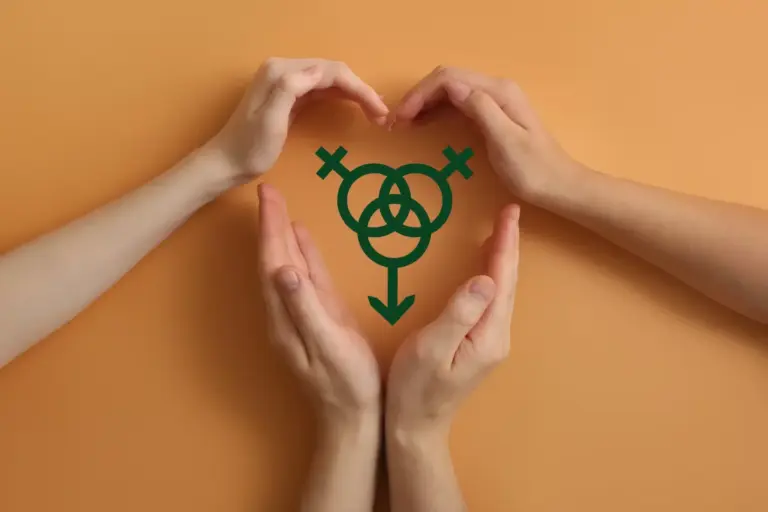
Exploring the Mainstream Rise of Polyamorous Relationships and Acceptance
Polyamory, the practice of engaging in multiple consensual romantic relationships simultaneously, is gradually gaining mainstream acceptance and awareness, particularly among younger generations. Research and societal trends indicate a growing openness to various relationship models, reflecting a dynamic landscape where personal acceptance and public acknowledgment of polyamory are on the rise. This article delves into the evolution, cultural representation, challenges, and future directions of polyamorous relationships, shedding light on their increasing normalization in society.
Key Takeaways
- Polyamory is increasingly recognized and accepted, especially among younger generations, with studies showing a rise in the number of people identifying as polyamorous.
- The representation of polyamory in popular culture, including television, film, literature, and social media, is contributing to its normalization and broader acceptance.
- Despite growing acceptance, polyamorous relationships still face significant societal resistance, stigma, and legal challenges regarding recognition and rights.
- Cultural perspectives on polyamory vary widely, with different societal norms and values influencing the acceptance and practice of polyamory across the globe.
- Technology plays a crucial role in connecting polyamorous communities, facilitating online dating, networking, and the global exchange of ideas and support.
The Evolution of Polyamory in Society

Historical Perspectives on Polyamory
Polyamory, the practice of engaging in multiple consensual romantic relationships, has deep historical roots. Ancient cultures often embraced various forms of non-monogamous relationships, though these practices were not always labeled as polyamory. Marriage between two people has long been the dominant model, but historical evidence suggests that human societies have always experimented with diverse relationship structures.
Modern Shifts in Acceptance
The late 20th and early 21st centuries have seen significant shifts in societal attitudes towards polyamory. The sexual revolution of the 1960s and 1970s played a crucial role in challenging traditional norms around relationships and sexuality. This period marked the beginning of a broader acceptance of non-monogamous relationships, paving the way for the modern polyamory movement. Today, polyamory is increasingly recognized as a legitimate and healthy relationship choice.
Influence of Social Movements
Social movements advocating for LGBTQ+ rights, gender equality, and sexual freedom have greatly influenced the acceptance of polyamory. These movements have highlighted the importance of personal freedom and the right to love who and how one chooses. The growing visibility of polyamorous relationships in media and popular culture also reflects this shift. As society continues to evolve, the institute of marriage and relationships is being redefined to include a broader spectrum of human experiences.
The journey of polyamory is not just about relationship styles but also about social change, cultural evolution, and the quest for personal freedom and self-expression.
Polyamory in Popular Culture and Media
Representation in Television and Film
In recent years, polyamory has seen a significant rise in visibility within popular culture and media. Television shows and movies have started to explore polyamorous relationships, often portraying them in a positive light. This media representation has played a crucial role in normalizing polyamory, making it more relatable and understandable to a broader audience.
Polyamory in Literature and Art
Books and art have also begun to reveal the complexities and beauty of polyamorous relationships. These creative works often delve into the emotional and social dynamics of poly life, offering readers and viewers a deeper understanding of what it means to love multiple people. This shift in narrative helps to challenge traditional notions of romance and partnership.
Impact of Social Media
Social media platforms have become a powerful tool for the poly community. They offer spaces for individuals to share their experiences, seek advice, and find support. The widespread use of social media has also helped to bring polyamory into the mainstream, allowing more people to learn about and consider this relationship model.
The increasing visibility of polyamory in popular culture and media is a testament to the growing acceptance and understanding of diverse relationship models among Americans.
Challenges and Legal Issues Facing Polyamorous Relationships

Societal Resistance and Stigma
Polyamory in modern society explores legal challenges and societal attitudes towards polyamorous relationships, emphasizing inclusivity and acceptance for all relationship orientations. Despite growing visibility, polyamorous individuals often face societal resistance and stigma. This resistance can manifest in various forms, from social ostracism to difficulties in explaining their lifestyle to families and peers. The ethical considerations of polyamory are frequently misunderstood, leading to misconceptions and prejudice.
Legal Recognition and Rights
The legal landscape for polyamorous relationships remains complex. In most countries, legal systems are designed around monogamous marriages, creating significant challenges for polyamorous families. These challenges include issues related to parental rights, inheritance, and medical decision-making. For instance, in Massachusetts, there have been cases where polyamorous families struggled to gain legal recognition. Legal ambiguity can lead to an environment of uncertainty and vulnerability for those in polyamorous relationships.
Navigating Family and Social Dynamics
Polyamorous individuals often navigate intricate family and social dynamics. They may face resistance from family members who view their relationships as unconventional or unethical. Additionally, societal norms and expectations can make it difficult for polyamorous individuals to find acceptance. Advocates argue that greater awareness and education are needed to foster a more inclusive society. The impact of societal attitudes on polyamorous relationships can be profound, affecting everything from mental health to the stability of the relationships themselves.
Understanding the challenges and legal issues facing polyamorous relationships is crucial for fostering a more inclusive and accepting society.
Cultural Variations in Polyamory
In Western societies, polyamorous relationships are gradually gaining more visibility and acceptance. The traditional norm of monogamy is being challenged, leading to a broader understanding of ethical non-monogamy. This shift is often subtle but significant, as more people explore diverse relationship structures that better suit their emotional and social needs.
The story of polyamory takes a different hue when we look at tribal and indigenous cultures across the globe. In many of these societies, relationships weren’t confined to the binary structures of monogamy or polygamy as dictated by Western norms. For instance, some Native American cultures practiced a form of polyamory that was deeply embedded in their social fabric. Relationships involving multiple partners were often built on mutual respect and emotional bonds, reflecting a more fluid understanding of love and partnership.
This digital connectivity has facilitated a cross-cultural exchange of ideas and experiences, leading to a more diverse and global understanding of polyamory. It’s intriguing to observe how different cultures adapt and integrate the concept of polyamory within their unique social and cultural contexts.
As we traverse the globe to explore the practice and acceptance of polyamory in various cultures, we find a rich mosaic of attitudes and practices. This exploration reveals not just the nuances of polyamory in different regions but also the global evolution of ethical non-monogamy.
The Role of Technology in Polyamorous Communities

Online Dating and Networking
The advent of the internet has revolutionized how people meet and form relationships. Online dating platforms and social media have made it easier for individuals interested in polyamory to find like-minded partners. These platforms provide a space where people can openly discuss their preferences and boundaries, making it simpler to find compatible partners.
Digital Communities and Support
Online forums and social media groups have become essential resources for polyamorous individuals. These digital communities offer a space for people to share their experiences, seek advice, and build support networks. The internet has democratized information about polyamory, making it more accessible than ever before.
Global Exchange of Ideas
The digital age has facilitated a cross-cultural exchange of ideas and experiences, leading to a more diverse understanding of polyamory. Different cultures can now share how they integrate polyamory within their unique social and cultural contexts, enriching the global conversation around this relationship style.
Technology has not only connected polyamorous individuals but also provided a platform for education and advocacy, helping to address challenges and misconceptions surrounding polyamory.
Personal Narratives and Experiences
Stories of Acceptance and Rejection
Sharing personal stories is a powerful way to explain and understand polyamory. Each narrative provides a distinct perspective within the broad spectrum of polyamorous experiences, challenging stereotypes and potentially expanding our comprehension of love and relationships. Through these stories, we gain insight into the rich, emotional experiences that shape individuals’ journeys.
Educational and Advocacy Efforts
In the spirit of bringing these stories to the forefront, let’s begin with a narrative that encapsulates the intentional and conscious nature of polyamorous relationships. This story, though a single instance, serves as a gateway into the vast, intricate world of polyamory, inviting us to appreciate its depth and diversity. Polyamory emphasizes open communication, honesty, and emotional sharing, fostering a nuanced understanding of oneself and a capacity for deeper, more empathetic connections.
Impact on Mental Health and Well-being
Together, these narratives offer a powerful counterpoint to common misconceptions, illustrating that polyamory is about much more than sex; it’s a relationship style characterized by commitment, deep communication, and the capacity for stable, long-term, and evolving connections. They illustrate that while polyamory may introduce complexities like jealousy and insecurity, it also offers unique opportunities for developing trust, communication skills, and emotional resilience.
Future Directions for Polyamory
Potential for Greater Acceptance
The future of polyamory, much like its past, will likely continue to challenge and reshape our understanding of relationships. As more individuals choose to live their lives authentically and openly, the narrative of polyamory will expand, offering new insights into the possibilities of love and connection. This ongoing evolution invites us all to reconsider our preconceived notions of love, commitment, and partnership, urging us to envision a future where all forms of relationships are recognized and valued.
Evolving Legal Frameworks
Legal recognition remains a significant challenge for polyamorous relationships. However, as societal attitudes shift, there is hope for evolving legal frameworks that will provide better protection and rights for those in polyamorous relationships. This includes potential changes in areas such as parental rights, inheritance laws, and healthcare decision-making. The journey towards legal recognition is complex, but the increasing visibility and advocacy efforts are paving the way for meaningful change.

Continued Research and Education
Ongoing research and education are crucial in bringing a deeper understanding of polyamory to the mainstream. Academic studies, public discussions, and educational programs can help demystify polyamory and address misconceptions. By fostering an environment of learning and openness, we can promote a more inclusive society that respects and values diverse relationship models.
The future of polyamory holds the promise of greater freedom and acceptance, challenging traditional norms and broadening our understanding of romantic relationships.
Conclusion
The mainstream rise of polyamorous relationships and their acceptance reflects a broader societal shift towards embracing diverse forms of love and connection. As polyamory gains visibility through academic research, media representation, and personal narratives, it challenges traditional notions of monogamy and opens up new possibilities for relationship structures. While there are still challenges and societal resistance, the increasing acceptance and understanding of polyamory signify a move towards a more inclusive and dynamic understanding of human relationships. This evolution not only highlights the courage of individuals who live authentically but also underscores the collective journey towards a more inclusive and accepting society.
Frequently Asked Questions
Is polyamory going mainstream?
Polyamory appears to be steadily gaining awareness and acceptance, especially among younger generations. A 2016 study found that 20% of single adults had practiced some form of ethical non-monogamy at some point. A 2020 study of over 4,000 Americans found that around 5% identified as polyamorous. Intimate relationships outside monogamy seem to be increasingly normalized in pop culture, showing up as plotlines in movies and shows.
How has societal perception of polyamory evolved?
Societal perceptions of polyamory have evolved significantly over time. From ancient practices suggesting a natural human inclination towards multiple partnerships to modern-day narratives celebrating the diversity and complexity of love, polyamory is increasingly recognized and valued. This shift is reflected in both academic research and popular culture.
What challenges do polyamorous relationships face?
Polyamorous relationships face several challenges, including societal resistance and stigma, legal recognition and rights, and navigating family and social dynamics. While there is increasing recognition and acceptance, significant stigma still exists.
How is polyamory represented in popular culture?
Polyamory has seen a rise in positive representations in popular culture. Television shows, movies, and video games have started to include polyamorous relationships in their plots. Mainstream dating sites and apps, like OkCupid, Tinder, and Hinge, now allow users to specify this type of relationship in their profiles.
What is the role of technology in polyamorous communities?
Technology plays a significant role in polyamorous communities by facilitating online dating and networking, creating digital communities and support systems, and enabling a global exchange of ideas. This digital connectivity has led to a more diverse and global understanding of polyamory.
Are there cultural variations in the acceptance of polyamory?
Yes, there are cultural variations in the acceptance of polyamory. In Western societies, particularly in the United States and parts of Europe, polyamory has gained increasing visibility and acceptance. This shift is often linked to broader social movements advocating for sexual freedom and LGBTQ+ rights. In other regions, the acceptance and practice of polyamory can vary significantly based on cultural and social contexts.
Adventure in Affection: Discover a World of Unlimited Connections
Dive into the vibrant community where love knows no bounds! Join us at SwingTowns, where every connection brings a new adventure and endless possibilities for fun and affection. Ready to explore the landscape of love? Sign up for a free account on SwingTowns today and start your journey into the exciting world of polyamorous relationships. Your next great story awaits!
“Swingtowns is awesome and we have no complaints. There are tremendous people and wonderful couples on here that we have had the pleasure of meeting” -wearesexy2015