Millennials and Polyamory: How Dating is Evolving for the Poly Generation
Millennials are changing the dating scene in surprising ways, especially with their growing interest in polyamory. As they break away from traditional monogamous relationships, they’re exploring new ways to connect and build meaningful bonds. This article dives into how millennials are embracing polyamory, the challenges they face, and what the future might hold for this evolving relationship style.
Key Takeaways
- Millennials are more open to polyamory compared to older generations.
- Social media and online communities play a big role in normalizing poly relationships.
- Stigma and misconceptions about polyamory still pose significant challenges.
- Technology, including dating apps, has made it easier for polyamorous individuals to connect.
- The future looks promising for polyamory as it gains more visibility and acceptance.
Understanding Polyamory: A Shift in Relationship Dynamics
Defining Polyamory and Its Principles
Polyamory is the practice of having multiple consensual romantic or sexual relationships at the same time. Unlike traditional monogamous relationships, polyamory acknowledges and fosters the possibility of loving and committing to more than one person. This relationship style is built on principles of honesty, consent, and communication. Many non-monogamists would agree that these principles are essential for maintaining healthy and fulfilling relationships.
Historical Context and Evolution
Polyamory has roots in various cultures and historical periods, but it has gained more visibility in recent decades. The rise of the internet and social media has played a significant role in this increased awareness. Historically, many societies have practiced forms of non-monogamy, but the modern polyamorous lifestyle either emerged as a distinct movement in the late 20th century. This shift reflects broader changes in societal attitudes towards relationships and personal freedom.
Polyamory vs. Monogamy: Key Differences
The key differences between polyamory and monogamy lie in the structure and expectations of the relationships. In a monogamous relationship, individuals commit to one partner exclusively. In contrast, polyamorous relationships involve multiple partners, with the consent and knowledge of everyone involved. This can lead to a more complex dynamic, as managing multiple relationships requires a high level of communication and emotional intelligence. While some might make polyamory work seamlessly, others may find it challenging to balance the needs and desires of multiple partners. Polyamory is increasingly considered a valid and fulfilling relationship model, offering an alternative to the traditional notion of marriage and the idea that one must embrace the one true relationship.
Millennials’ Attitudes Towards Polyamory
Generational Differences in Relationship Models
Millennials are more open to consensual non-monogamous arrangements compared to older generations. While Baby Boomers and the Silent Generation often favor traditional monogamous relationships, millennials are exploring new ways to connect. This shift is partly due to changes in marital expectations and timing. Millennials are focusing more on their careers and getting married later, giving them more time to explore different relationship models.
Factors Influencing Millennials’ Acceptance
Several factors contribute to the acceptance of polyamory among millennials. One key factor is the longer period between single life and marriage, which many see as a chance to try new things, including polyamory. Additionally, the truth is that many millennials view polyamory as a way to build meaningful connections. They are also more likely to use dating sites, which offer more opportunities to meet like-minded individuals.
The Role of Social Media and Online Communities
Social media and online communities play a significant role in shaping millennials’ attitudes towards polyamory. Platforms like Reddit and Facebook groups provide spaces for people to discuss and learn about polyamory. These online communities offer support and resources, making polyamory considered an opportunity by millennials. The visibility of polyamory on social media helps normalize it, making it more acceptable for younger generations.
Challenges Faced by Polyamorous Millennials
Stigma and Misconceptions
Polyamorous millennials often face significant stigma and misconceptions. Many people still view polyamory as strange or morally wrong, which can lead to judgment and exclusion. This stigma can affect their day-to-day life, making it hard to be open about their relationships. Misunderstandings about polyamory can also lead to awkward or hurtful interactions with strangers who don’t understand their lifestyle.
Therapeutic and Counseling Barriers
Many therapists are not trained to support polyamorous clients effectively. They may try to fit poly relationships into a monogamous framework, which doesn’t address the unique challenges poly individuals face. This can make therapy less effective and even harmful. For example, two millennials in a poly relationship might feel misunderstood and unsupported by their therapist.
Navigating Legal and Social Systems
Polyamorous millennials often encounter difficulties when dealing with legal and social systems. Legal ramifications can be daunting, as most laws are designed with monogamous relationships in mind. This can create complications in areas like healthcare, inheritance, and parental rights. Additionally, social systems, such as schools and workplaces, may not recognize or respect poly relationships, leading to further challenges.
The Role of Technology in Poly Dating

Popular Poly Dating Apps and Platforms
Technology has significantly transformed the landscape of polyamorous relationships. Dating apps and social media platforms have become essential tools for those exploring non-monogamous lifestyles. Apps like SwingTowns, Feeld, and OkCupid have specific features catering to polyamorous individuals, making it easier to find like-minded partners. Even mainstream apps like Tinder have seen a rise in users interested in polyamory, although this can sometimes lead to confusion among those seeking monogamous relationships.
Impact of Online Dating on Poly Relationships
The rise of online dating has made it simpler for people to connect with others who share their relationship values. This ease of connection has contributed to the growing visibility and acceptance of polyamory. Online platforms allow for more truthful and open communication about relationship intentions, reducing misunderstandings. However, the abundance of options can sometimes make relationships feel more casual than practical, leading to challenges in forming deep, meaningful connections.
Privacy and Ethical Considerations
With the increased use of technology in dating, privacy and ethical considerations have become crucial. Users must navigate the balance between openness and protecting their personal information. Ethical considerations also come into play, as the interest in polyamory grows, ensuring that all parties involved are fully informed and consenting. The role of technology in modern-day polyamory is not just about making connections but also about fostering a culture of respect and transparency.
The integration of technology in poly dating has not only enhanced connections but also brought about new challenges in maintaining privacy and ethical standards.
Future Trends in Polyamory Among Millennials
Increasing Visibility and Acceptance
Polyamory is becoming more visible in society, especially among younger generations. Millennials are more likely to be in poly relationships compared to Baby Boomers. This shift is partly due to changing social norms and the rise of online platforms that support diverse relationship models. As more people see polyamory as a valid lifestyle choice, acceptance is expected to grow.
Potential Societal Impacts
The increasing acceptance of polyamory could lead to significant societal changes. For instance, traditional family structures might evolve to include more diverse forms of relationships. This could also impact legal and social systems, which may need to adapt to accommodate these changes. Millennials’ openness to polyamory is increasingly considered an opportunity to redefine what family and relationships can look like.
Predictions for the Next Decade
In the next ten years, we can expect to see more people openly practicing polyamory. This trend will likely be supported by the continued growth of online communities and dating platforms that cater to polyamorous individuals. Additionally, as societal acceptance grows, the stigma around polyamory may decrease, making it easier for people to explore and embrace this lifestyle.
The future of polyamory among millennials looks promising, with increasing visibility and acceptance paving the way for more diverse and inclusive relationship models.
Building Supportive Communities for Poly Millennials
Importance of Safe Spaces
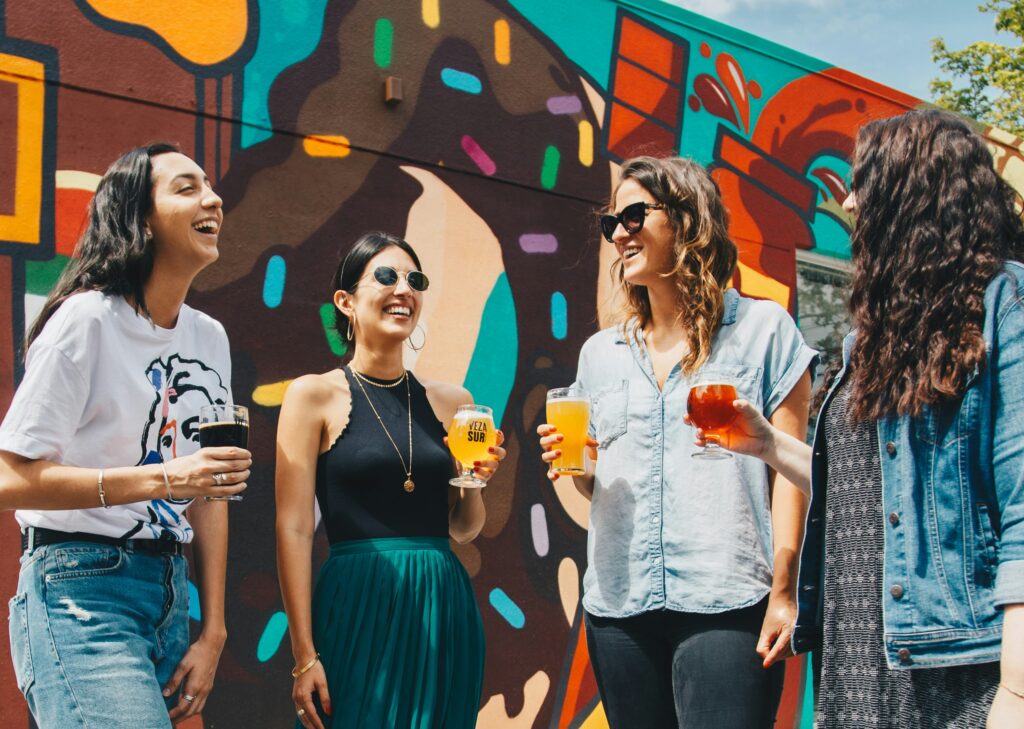
Creating safe spaces is crucial for poly millennials. These tight-knit worlds allow individuals to express themselves without fear of judgment. Safe spaces foster a sense of belonging and provide a platform for sharing experiences and advice.
Educational Resources and Workshops
Educational resources and workshops are essential for the experimental generation that needs guidance. These resources help poly millennials navigate their relationships and understand the principles of polyamory. Workshops can cover topics like communication, consent, and managing jealousy.
Advocacy and Allyship
Advocacy and allyship play a significant role in supporting poly millennials. Allies can help by educating others and challenging misconceptions. Advocacy efforts can lead to greater acceptance and visibility for polyamorous relationships. Responsible people in positions of influence can make a big difference by promoting inclusive policies and practices.
Building supportive communities for poly millennials is not just about creating safe spaces, but also about providing the necessary resources and advocacy to ensure their well-being and acceptance.
Conclusion
In conclusion, millennials are reshaping the dating landscape by embracing polyamory more openly than previous generations. This shift reflects their broader acceptance of diverse lifestyles and a desire for meaningful connections. While challenges remain, such as societal misunderstandings and limited representation, the growing visibility of polyamory suggests a future where multiple relationship models coexist. As millennials continue to explore and normalize these alternative forms of love, they pave the way for a more inclusive and understanding society.
Frequently Asked Questions
What is polyamory?
Polyamory is the practice of having romantic relationships with more than one person at the same time, with the consent of everyone involved.
How is polyamory different from monogamy?
In monogamy, people have one romantic partner at a time. In polyamory, people can have multiple romantic partners at the same time, with everyone’s agreement.
Why are millennials more open to polyamory?
Millennials are more open to polyamory because they grew up in a time of greater acceptance of different lifestyles and are more likely to question traditional relationship models.
What challenges do polyamorous millennials face?
Polyamorous millennials face challenges like stigma, misconceptions, and a lack of understanding from therapists and society. They also have to navigate legal and social systems that are often designed for monogamous relationships.
How does technology impact poly dating?
Technology, especially dating apps and social media, helps polyamorous people find like-minded partners and communities. However, it also raises issues of privacy and ethical considerations.
What is the future of polyamory among millennials?
The future of polyamory among millennials looks promising, with increasing visibility and acceptance. As society becomes more open to diverse relationship models, polyamory could become more common.
Discover New Horizons – Where Relationships Flourish and Boundaries Fade
Dive into a world where love knows no limits and connections are as unique as you are. Join a community that celebrates openness, exploration, and genuine relationships. Sign up for a free SwingTowns account today and begin your journey toward meaningful, authentic connections. Your adventure into modern love starts now!
“The Swingtowns community has been a major source of inspiration for many years now and has become one of the most popular destinations for swing communities” -Thunderdicka