Poly Friendly Cities: Exploring Polyamory in Boston
Boston, the historic capital of Massachusetts, is well-known for its rich culture, academic institutions, and progressive attitudes. As one of the oldest cities in the United States, it has consistently evolved, embracing diversity and inclusivity, which has made it an attractive destination for those in non-traditional relationships, including polyamorous individuals. Boston’s intellectual atmosphere, combined with its growing openness to alternative lifestyles, provides a welcoming environment for polyamorous people seeking community, connection, and acceptance.
In recent years, the polyamorous community in Boston has flourished, thanks to a combination of supportive social networks, inclusive venues, and forward-thinking local organizations. Whether you’re a long-time resident exploring polyamory or someone considering relocating to Boston for its open-minded culture, this guide will offer insights into the city’s polyamorous scene. From local laws and protections to poly-friendly spaces and social events, we’ll cover everything you need to know about what makes Boston an appealing city for those practicing or interested in ethical non-monogamy.
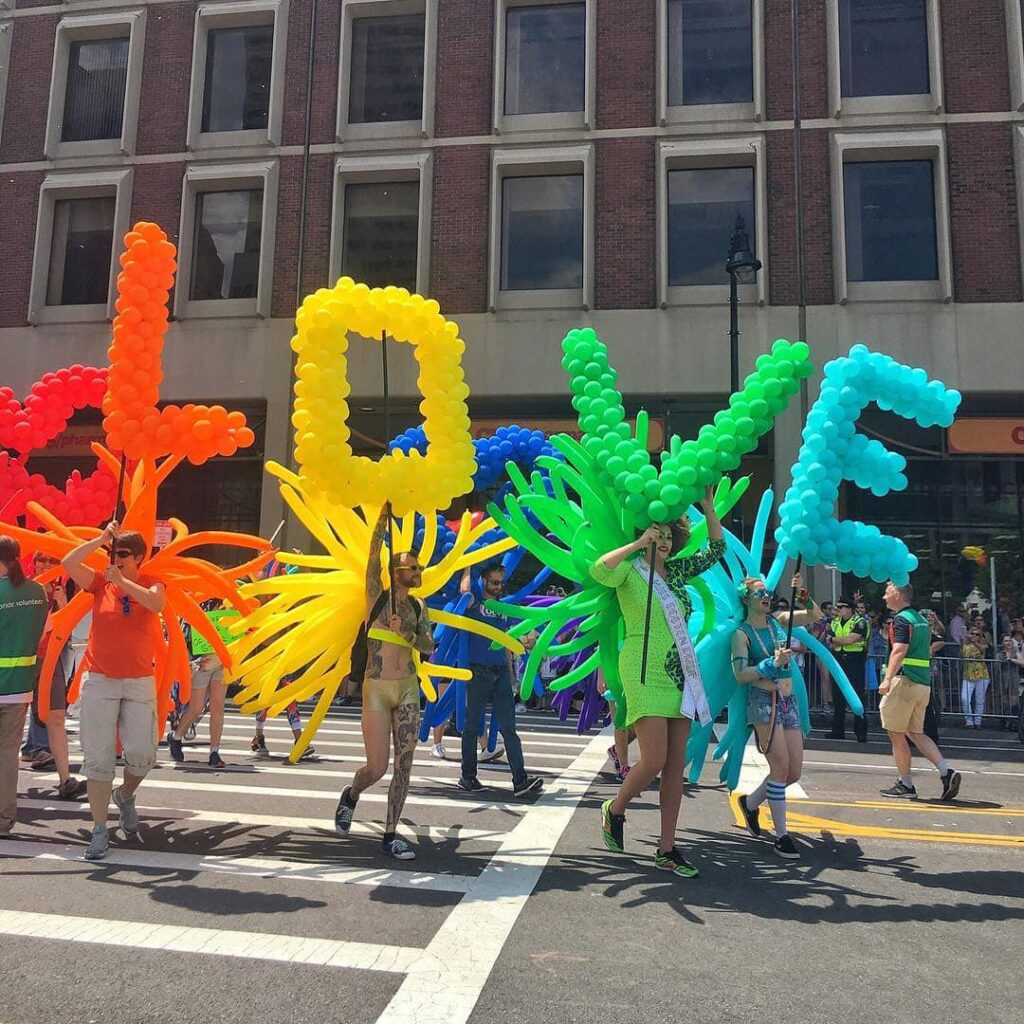
Polyamory Community Overview (Boston)
Boston has long been recognized for its progressive and intellectual culture, making it a fertile ground for the growth of alternative communities, including those practicing polyamory. Over the years, the city’s polyamorous community has steadily expanded, bolstered by a supportive social network and a growing understanding of ethical non-monogamy.
One of the key organizations in Boston’s polyamorous scene is PolyBoston, which has been a vital resource for those exploring or practicing polyamory. The group hosts regular meetups, discussion groups, and social events to foster connection and provide support for individuals navigating ethical non-monogamy. PolyBoston offers a safe space where people can share experiences, discuss the challenges and joys of polyamory, and build a sense of community.
Additionally, Boston is part of a larger movement in Massachusetts that has seen legislative changes supporting non-traditional relationship structures. In nearby Somerville, the city became the first in the U.S. to officially recognize polyamorous relationships in 2020. This was followed by Cambridge in 2021, making the Boston area a significant hub for legal and social advancements in polyamory. These legal developments allow polyamorous families to form domestic partnerships with more than two people, granting them some of the same rights as married couples, such as healthcare and housing benefits.
Overall, the polyamorous community in Boston is characterized by inclusivity, openness, and a growing infrastructure of support. With ongoing advocacy efforts and an established social network, Boston continues to be a welcoming city for those exploring polyamory. The community remains interconnected with the larger LGBTQ+ and alternative relationship movements, making it a vibrant and supportive environment for individuals seeking non-traditional forms of love and relationships.
Social and Dating Scene for Polyamory in Boston
The social and dating scene for polyamorous individuals in Boston is vibrant and ever-growing, aided by technology and a supportive local community. Platforms like SwingTowns, Feeld, and OkCupid have become essential tools for those in Boston seeking to connect with others who share their values around ethical non-monogamy. SwingTowns, in particular, has gained popularity among polyamorous people, offering a safe and user-friendly platform to meet like-minded individuals and foster connections that go beyond traditional dating.
Polyamorous dating in Boston has evolved thanks to the integration of these platforms, allowing users to be upfront about their relationship styles and preferences. SwingTowns, specifically catering to those in open and polyamorous relationships, offers a space for deeper engagement and community-building compared to traditional dating apps. Feeld and OkCupid are also frequently used in Boston’s polyamory scene, with dedicated filters for non-monogamous relationships, making it easier to find suitable partners. The rise of these platforms has made it simpler to navigate the complexities of polyamorous dating by fostering transparency, openness, and consent in relationships.
In addition to online tools, Boston hosts a variety of social events where polyamorous individuals can meet in person. Regular meetups, potlucks, and discussions organized by groups such as PolyBoston are key opportunities to network, share experiences, and build relationships within the poly community. These gatherings foster a sense of belonging, allowing people to find both romantic and platonic connections in a judgment-free environment.

Boston’s progressive and open-minded atmosphere has contributed to a growing acceptance of polyamory, making it one of the more welcoming cities for alternative relationship styles. Whether you’re exploring non-monogamy for the first time or are deeply embedded in the poly lifestyle, the city offers multiple avenues to find connections, build relationships, and thrive within a supportive community.
Inclusive Venues and Spaces in Boston
Boston boasts a number of inclusive venues and spaces where polyamorous individuals can gather, socialize, and feel accepted within the city’s diverse community. These venues provide safe and welcoming environments not just for polyamorous people but also for the broader LGBTQ+ community, allowing individuals to connect with like-minded people in a supportive setting.
One of the top spots is Midway Café, located in Jamaica Plain. Known for its long-standing LGBTQ+ nights, including the popular Queeraoke, Midway Café is a casual yet vibrant venue that attracts a diverse crowd, including polyamorous individuals. Its reputation as a community hotspot makes it one of the more accessible and welcoming spaces for people from all walks of life.
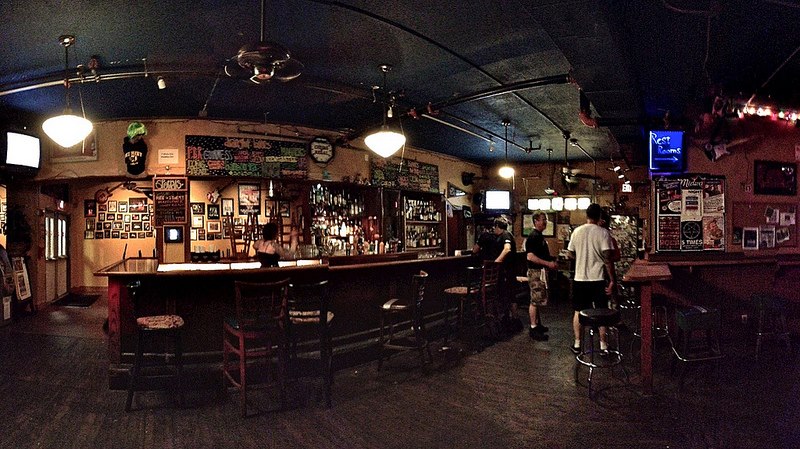
SOURCE: Midway Café
Another iconic venue is Club Café, located in the South End. This club and restaurant is well-known for its lively atmosphere, hosting events like karaoke, drag shows, and cabarets, making it a popular spot for members of the LGBTQ+ community, including those in polyamorous relationships. The venue is a social hub for people looking to enjoy good food, great entertainment, and a friendly, open-minded crowd.
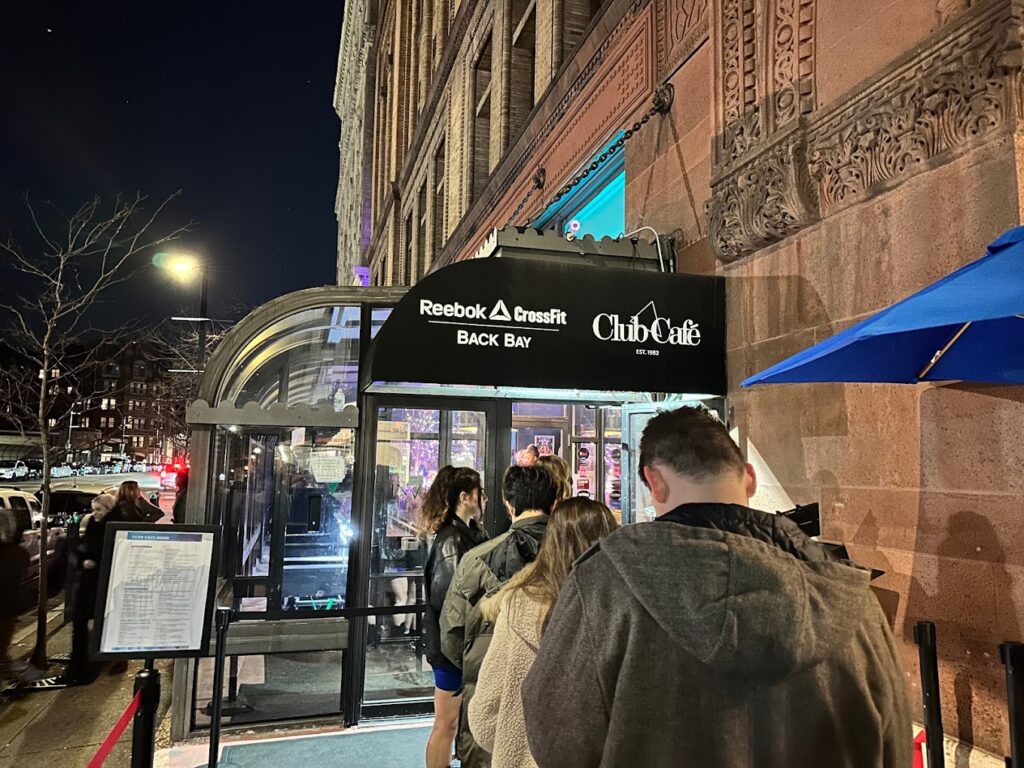
SOURCE: Club Café
Jacques’ Cabaret, a cozy spot in Bay Village, is another great space for those looking to connect with Boston’s inclusive nightlife. While it primarily features drag performances, its welcoming atmosphere attracts a range of alternative lifestyle groups, including polyamorous individuals looking for a fun night out.
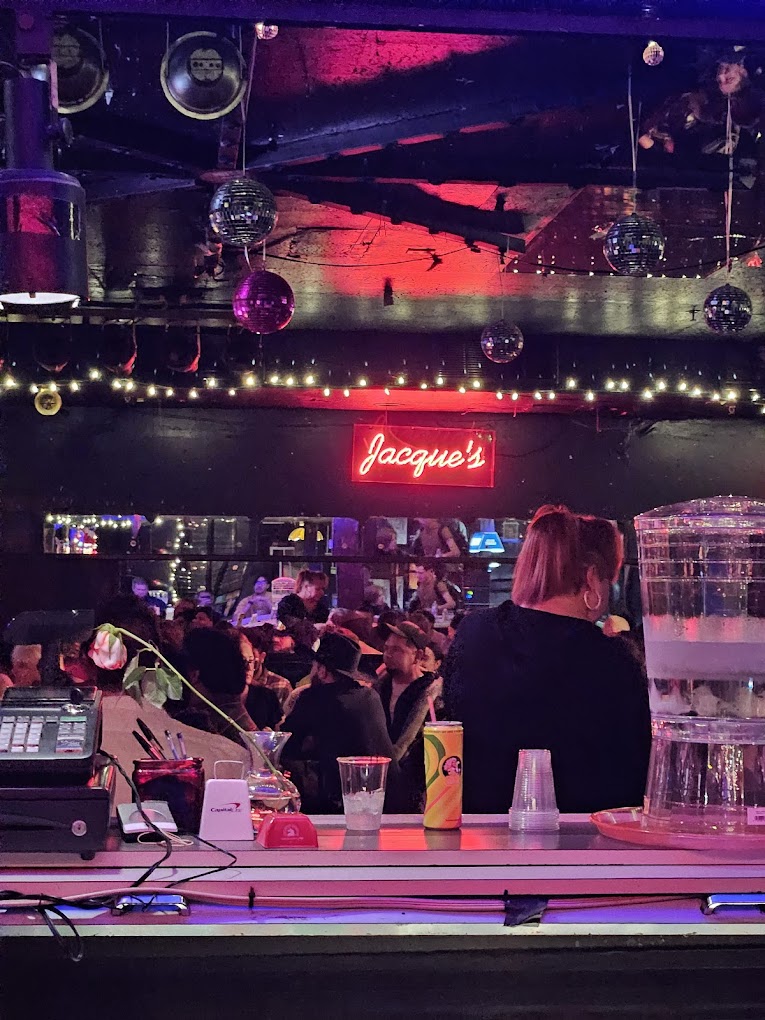
SOURCE: Jacques’ Cabaret
For those seeking more low-key environments, Cathedral Station, a gay sports bar in the South End, offers a laid-back vibe where patrons can enjoy food, drinks, and a friendly community. Its inclusive nature and emphasis on creating a welcoming space for everyone, regardless of relationship style, make it a great venue for polyamorous people.
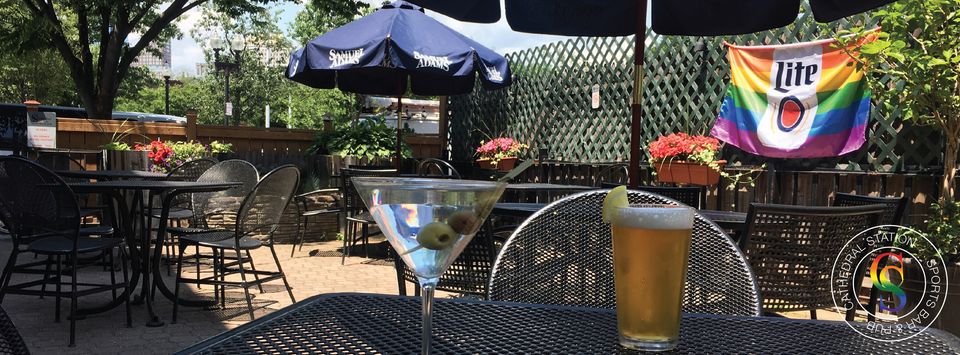
SOURCE: Cathedral Station
In addition to these venues, Boston’s PolyBoston group organizes meetups in various public and private spaces, providing polyamorous individuals with opportunities to connect in safe, respectful environments beyond the traditional bar scene. The group regularly hosts potlucks, discussions, and other social gatherings that create an inclusive space for building friendships and relationships within the community.
These inclusive venues and spaces, combined with Boston’s progressive attitude, create a welcoming environment for polyamorous individuals to thrive socially and connect with others who share their values.
Local Laws and Protections for Polyamorous Individuals in Boston
Boston, like its neighboring cities of Somerville and Cambridge, is part of a progressive shift in Massachusetts that is increasingly recognizing the rights of polyamorous families and non-traditional relationships. This movement began in 2020 when Somerville became the first city in the U.S. to officially recognize polyamorous relationships through its domestic partnership ordinance. Cambridge followed shortly after in 2021, broadening the legal definition of domestic partnerships to include more than two people. These legal changes granted polyamorous families the ability to access some of the same rights as married couples, such as healthcare and housing benefits.
The key legal advancement in these cities has been the expansion of domestic partnership definitions. This allows for more than two individuals to be recognized as part of a mutual, supportive relationship. In Cambridge and Somerville, polyamorous relationships now have the same legal recognition as dyadic partnerships, meaning that these partnerships are protected from discrimination in areas like housing and employment.
This legal acknowledgment is significant as it provides polyamorous families with rights similar to those traditionally enjoyed by monogamous couples, offering protections that did not previously exist in many areas of the U.S.
While Boston itself has yet to adopt similar legal changes, the momentum in nearby cities suggests a growing regional acceptance of polyamory. The Polyamory Legal Advocacy Coalition (PLAC), based out of Harvard Law School, played a pivotal role in advocating for these changes in Somerville and Cambridge and continues to push for expanded legal protections across Massachusetts and beyond.
It’s important to note that these legal recognitions do not equate to full marriage rights. The legal protections primarily cover domestic partnership benefits, such as the ability to share health insurance or qualify for joint housing. However, Massachusetts remains one of the few states where municipalities are making efforts to recognize and protect non-monogamous families, contributing to a more inclusive environment for polyamorous individuals.
Despite these advances, challenges remain. Polyamorous individuals may still face difficulties in navigating broader legal systems that are primarily structured around monogamous relationships. Custody cases, for example, can be complicated when multiple partners are involved, although courts have increasingly recognized polyamorous parents’ rights based on their involvement in children’s lives rather than their relationship structures.
Overall, Boston is situated in a state that is leading the way in offering protections for polyamorous families, and with ongoing advocacy, it is likely that we will continue to see more inclusive legal measures in the future.
Resources for the Polyamorous Community in Boston
Boston offers a range of resources for polyamorous individuals seeking support, community, and professional guidance, making it a great city for those practicing ethical non-monogamy. Here are some of the key resources available to the polyamorous community in Boston:

1. Therapy and Counseling
Several therapy centers in Boston specialize in serving the LGBTQ+ and polyamorous communities, providing safe and supportive spaces for individuals and families navigating non-traditional relationships.
- Queer Therapy Boston offers therapy specifically tailored for polyamorous and ethically non-monogamous individuals, ensuring that the unique dynamics of these relationships are understood and supported. Their therapists provide services for individuals, couples, and families, with a strong focus on relationship diversity and inclusivity.
- The Meeting Point Collaborative, another excellent resource, is a therapy center with a focus on supporting non-traditional relationships, including polyamory and kink communities. They provide mental health services that affirm diverse identities and relationship structures.
2. Support Groups
Support groups offer a vital way for individuals to connect with others in the polyamorous community. These groups provide a space for peer support, education, and community-building:
- PolyBoston is one of the most active groups in the area, organizing regular meetups, discussions, and social events for those in the polyamorous community. The group fosters a safe environment for people to share experiences and seek advice from others navigating polyamory.
- Wildflower Alliance hosts peer-led support groups, including LGBTQ+ focused gatherings that welcome polyamorous individuals. Their groups provide an inclusive space for discussing relationship challenges, community building, and emotional support.
3. Online and Community Resources
Several online platforms and community initiatives are available for those seeking poly-friendly professionals and networks:
- Friendly Therapy Resources offers a curated list of poly-friendly therapists and professionals in the Boston area, making it easier for individuals to find the right mental health support tailored to their needs.
- New England Polyamory (NEP), formerly known as Boston Metro Area Poly, maintains a Facebook and Meetup presence where members can engage with local events, online discussions, and resources tailored to the polyamorous community.
These resources help foster a supportive environment for Boston’s polyamorous individuals and families, offering both emotional and practical support. Whether through therapy, peer support, or community connections, Boston continues to develop its network of resources for ethical non-monogamy.
Regular Meetups and Social Gatherings
Boston offers a vibrant polyamorous community with regular social gatherings and meetups designed to foster connection and support among individuals exploring or practicing ethical non-monogamy.
- PolyBoston: One of the most active groups, PolyBoston organizes regular in-person and online events like potlucks, discussion circles, and social gatherings. These events are an excellent opportunity to connect with other polyamorous individuals, share experiences, and build community.
- Polyam Collaborative Community of NE: This Meetup group hosts both online and in-person events across the New England area, creating spaces for polyamorous people to socialize and form supportive networks. The group organizes discussions, game nights, and community-building activities, ensuring a range of opportunities for poly individuals to engage with like-minded people.
- New England Polyamory: Another active group in the region, New England Polyamory facilitates community connections through social media and Meetup platforms. They host regular events and discussions, both casual and formal, offering spaces for deeper conversations around relationships and support.
These groups, alongside the broader Boston polyamorous scene, provide an inclusive and welcoming environment for those interested in non-traditional relationships to meet and connect.
Housing and Neighborhoods
Boston is a city with diverse neighborhoods, each offering different living experiences and price ranges. However, like many major metropolitan areas, Boston’s housing market is highly competitive and expensive, with the average rent for an apartment around $3,179, significantly higher than the national average. This makes navigating housing in the city a challenge, especially for those in polyamorous or non-traditional family structures who may need larger or more flexible living spaces.
Best Neighborhoods for Polyamorous Families
For polyamorous individuals or families looking to settle in Boston, neighborhoods like Jamaica Plain, Somerville, and the South End are excellent options due to their progressive and inclusive communities.
- Jamaica Plain is known for its artistic, LGBTQ+-friendly, and socially conscious environment. It’s home to diverse communities and offers relatively more affordable housing options compared to other areas closer to downtown.
- Somerville has been at the forefront of polyamory legal recognition in the U.S., making it a highly attractive area for polyamorous families. While housing prices have risen, Somerville still offers a mix of apartments, condos, and larger homes, and it’s a hub for progressive activism and inclusive policies.
- South End is famous for its vibrant LGBTQ+ community and rich cultural scene. While it’s one of the more expensive neighborhoods, it offers a welcoming atmosphere and access to inclusive spaces like Club Café and various LGBTQ+ organizations. The historic architecture and local arts scene add to its appeal, although its cost of living is higher than average.
Housing Costs and Affordability
Housing prices in Boston have increased steadily over the years. As of 2023, the median home price in Boston has reached about $748,710, while three-family homes can exceed $1 million. Renting is also pricey, with one-bedroom apartments often costing over $3,000 per month.
This can make housing in central areas difficult for those on a budget, but neighborhoods further out like Roslindale and Dorchester may offer more affordable options while still being connected to the polyamorous community.
For those needing more flexible housing arrangements, such as larger communal homes, Boston’s market is tough but not impossible. Cooperative living spaces and shared housing arrangements are becoming increasingly popular, especially as people seek alternatives to traditional family structures. Additionally, the city offers income-restricted housing lotteries that provide opportunities for middle-income families to buy homes at more affordable prices.
Overall, while Boston’s housing market presents challenges due to high costs, certain neighborhoods offer a supportive and inclusive environment that can make the search worthwhile for polyamorous individuals and families.
Cost of Living and Lifestyle
Living in Boston comes with a high price tag, making it one of the most expensive cities in the U.S. As of 2024, the average cost of living in Boston is about $3,467 per month for a single person, while a family of four might expect to pay around $7,857 per month for basic expenses, excluding rent. For a polyamorous family or those living in larger households, the cost can be even higher, especially if more space is required for communal living.
Housing Costs
Housing is the most significant expense in Boston. The median rent for a two-bedroom apartment is approximately $2,840, and larger homes or three-bedroom apartments can easily cost more than $5,500 per month, especially in neighborhoods like Back Bay and the South End. Even neighborhoods further from the city center, like Dorchester or Jamaica Plain, still see rental prices averaging above $2,500 for a two-bedroom.
For those looking to buy, Boston’s median home price is about $656,500, which is nearly 94% higher than the national average. Polyamorous families may need to consider larger homes or communal living arrangements, which can further drive up the costs.
Other Expenses
While housing is the largest factor in Boston’s high cost of living, other essential expenses are also relatively high:
- Groceries: The cost of groceries in Boston is about 11.4% above the national average, adding another layer of financial pressure for large households.
- Transportation: Public transportation is widely used, but the cost of owning a car, including gas and parking, can be significant. Transportation costs are about 31.8% higher than the national average.
- Healthcare: Medical costs are moderate compared to housing, but still higher than the national average, with typical out-of-pocket expenses for a single person being around $2,612 per year.
Lifestyle Considerations
Despite the high cost of living, Boston offers a vibrant lifestyle with numerous free or low-cost activities that polyamorous families or groups might enjoy. Community events, access to public parks, cultural festivals, and free museum days make it possible to engage in the city’s social life without breaking the bank. The city’s walkable neighborhoods and access to public transport also help reduce transportation costs for those living near the city center.
For polyamorous families seeking affordability, living further out from downtown or in surrounding cities like Somerville or Jamaica Plain may offer more space and slightly lower housing costs while still being connected to Boston’s polyamorous community and social scene.
In conclusion, while Boston is an expensive city to live in, its vibrant culture, progressive policies, and strong community make it a desirable place for polyamorous families. Careful budgeting and choosing neighborhoods wisely can help manage the higher costs.
Ready to Connect with Polyamorous People in Boston? Sign Up for Free on SwingTowns!
Looking to make meaningful connections with other polyamorous individuals in Boston? SwingTowns is the perfect platform to meet like-minded people who value open, ethical relationships. Join for free and start exploring Boston’s vibrant polyamorous community today! Sign up now and discover events, meetups, and local groups that celebrate the diversity of love and relationships. Don’t miss out on the opportunity to connect and thrive in your poly journey!
“Great site. Met some great people. Feel secure and private and safe with the site. Definitely recommend!” -Anguslove