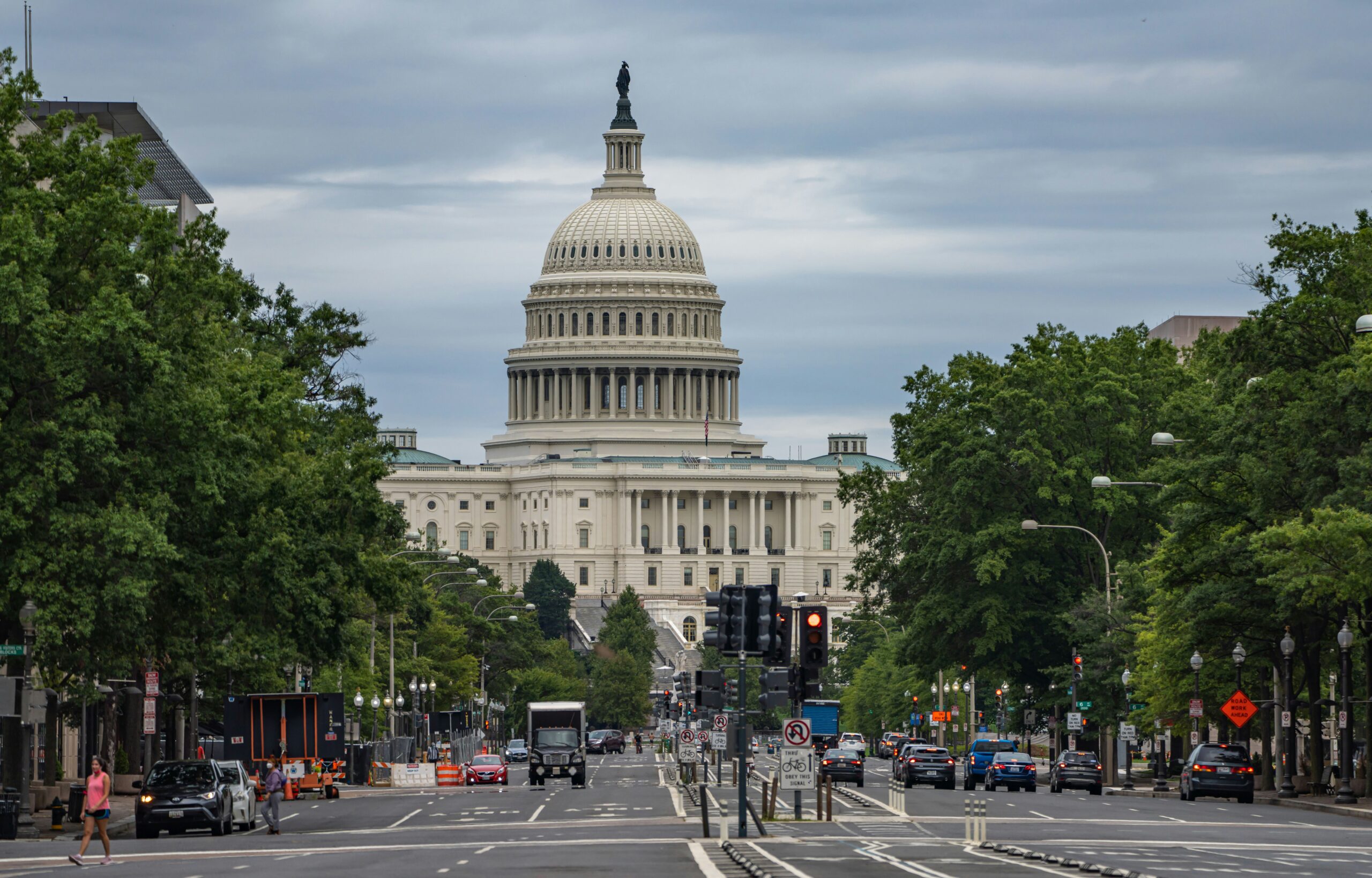
Poly Friendly Cities: Exploring Polyamory in D.C.
Washington, D.C., the nation’s capital, is known for more than its politics and monuments. It’s a city that celebrates diversity, inclusivity, and progressive values, making it a vibrant home for communities of all kinds—including those exploring non-traditional relationships. With a rich culture of activism, a robust LGBTQ+ presence, and a unique blend of intellectual and social circles, D.C. has become a welcoming environment for people practicing polyamory and ethical non-monogamy (ENM).
As one of the most socially forward-thinking cities in the U.S., D.C. offers a variety of resources, events, and spaces tailored to support those interested in polyamory. The city’s polyamorous community is active and thriving, with regular meetups, inclusive venues, and resources dedicated to fostering safe and supportive environments. From social gatherings to professional counseling services, D.C. provides many ways for polyamorous people to connect, learn, and build meaningful relationships.
This guide will dive into D.C.’s polyamory-friendly social scene, highlighting the community’s unique culture, inclusive spaces, dating resources, legal considerations, and more. Whether you’re exploring polyamory or are already part of the poly community, this city offers a wide range of opportunities for connection and support. Read on to discover what makes Washington, D.C. an ideal place for the polyamorous community to call home.

Polyamory Community Overview in Washington, D.C.
Washington, D.C. has cultivated a thriving and diverse polyamorous community, supported by a robust network of events, therapy resources, and inclusive spaces. The city’s polyamorous culture is bolstered by its openness to LGBTQ+ communities, progressive perspectives, and a commitment to embracing non-traditional relationship structures.
Community Demographics and Culture
The polyamorous community in D.C. is diverse, attracting individuals across various age groups, professions, and backgrounds. Many people involved in D.C.’s poly scene are also connected to other social or advocacy circles, particularly those related to LGBTQ+ rights, sex-positivity, and ethical non-monogamy. This inclusivity fosters a community where people from various relationship dynamics, including those exploring relationship anarchy, polyamory, and “monogamish” models, find support and understanding.
Notable Organizations and Events
D.C. offers several active groups that serve as hubs for the polyamorous community:
- The DC Center for the LGBTQ+ Community hosts monthly polyamory discussion groups, creating a space for people to connect, learn, and share experiences in a non-judgmental setting. These gatherings cater to both newcomers and those more experienced in polyamory, offering a chance to discuss relationship dynamics and seek advice from peers.
- BmorePoly, though primarily based in nearby Baltimore, extends its events and resources to the D.C. area. BmorePoly coordinates workshops, social gatherings, and community events that support polyamorous and non-monogamous individuals, adding to the accessible resources for D.C.’s poly community.
- Feeld, a popular app supporting ethical non-monogamy, has been gaining traction in D.C., and the company has organized in-person events to help users connect. In December 2022, Feeld held “FeeldWorldDC” at The LINE Hotel, attracting hundreds of attendees and showcasing the growing interest in non-traditional relationships in the city.
Therapy and Counseling Resources
D.C. is home to several therapy practices specializing in polyamory and non-monogamous relationship counseling. The Therapy Group of DC offers services tailored to poly individuals, focusing on emotional support, boundary-setting, and communication within poly relationships. This specialized support has grown in demand, with more therapists now advertising as poly-friendly, helping community members navigate the complexities of polyamorous dynamics.
Washington, D.C.’s polyamorous community is not only active but also well-supported by resources that promote healthy relationships and social inclusion. This foundation makes D.C. a welcoming and supportive city for those exploring or living within polyamorous relationships.
Social and Dating Scene for Polyamory in Washington, D.C.
Washington, D.C. has a rich and varied social scene for those exploring or practicing polyamory, offering numerous online platforms, events, and inclusive spaces tailored to ethical non-monogamous (ENM) relationships.

Popular Dating Platforms: The city’s polyamorous dating landscape heavily relies on popular apps designed to support non-traditional relationships. Feeld and SwingTowns are two standout platforms. Feeld, known for its inclusive and open-minded approach, has a particularly active user base in D.C., with regular in-person events like FeeldWorldDC to facilitate real-world connections. This app allows users to indicate ENM preferences, making it easier to find like-minded partners. SwingTowns, another prominent platform, supports those interested in polyamory, swinging, and open relationships, offering community features that emphasize communication and honesty. Many polyamorous individuals in D.C. also use OkCupid, which includes ENM-friendly options, helping to widen the pool of compatible connections for people exploring polyamory.
In-Person Events and Social Meetups: D.C.’s ENM community benefits from an active social calendar, with various regular meetups and social gatherings. BmorePoly, a group spanning the D.C., Maryland, and Virginia area, organizes monthly events, including discussions, social nights, and outdoor activities like hiking and picnics. This group is highly regarded for fostering a welcoming and inclusive environment where members can meet others who value honesty, openness, and ethical relationship practices. Additionally, social hubs such as The LINE Hotel in Adams Morgan have hosted polyamory-themed events like FeeldWorldDC, combining socializing with discussions on ENM dynamics led by local experts.
Inclusive Social Spaces: Beyond formal meetups, D.C. offers numerous bars and cafés that cater to a poly-friendly crowd. The Adams Morgan and Dupont Circle neighborhoods are known for their progressive and inclusive atmospheres, featuring venues like Tryst and Busboys and Poets. These establishments are popular for low-key gatherings and informal meetups, creating a relaxed backdrop for polyamorous individuals to connect socially.
With a blend of digital and real-world opportunities, D.C.’s social and dating scene provides a supportive environment for those navigating polyamorous relationships. From tech-forward dating apps to local community gatherings, the city makes it easy for polyamorous individuals to find both companionship and community.
Inclusive Venues and Spaces in Washington, D.C.
Washington, D.C. is a welcoming city for polyamorous individuals, with a range of inclusive spaces and venues where people practicing ethical non-monogamy can socialize comfortably. From LGBTQ+ community centers to unique event spaces, D.C. offers an environment where alternative relationship structures are embraced.
1. The DC LGBTQ+ Community Center
A significant hub for the polyamorous and non-monogamous community in D.C. is the DC LGBTQ+ Community Center, also known as The DC Center. It regularly hosts poly discussion groups, creating a safe, judgment-free space for people to explore topics relevant to polyamory. These gatherings support a range of discussions, from relationship dynamics to dealing with social challenges, and offer a platform for both newcomers and experienced poly individuals to connect with others who share similar values.
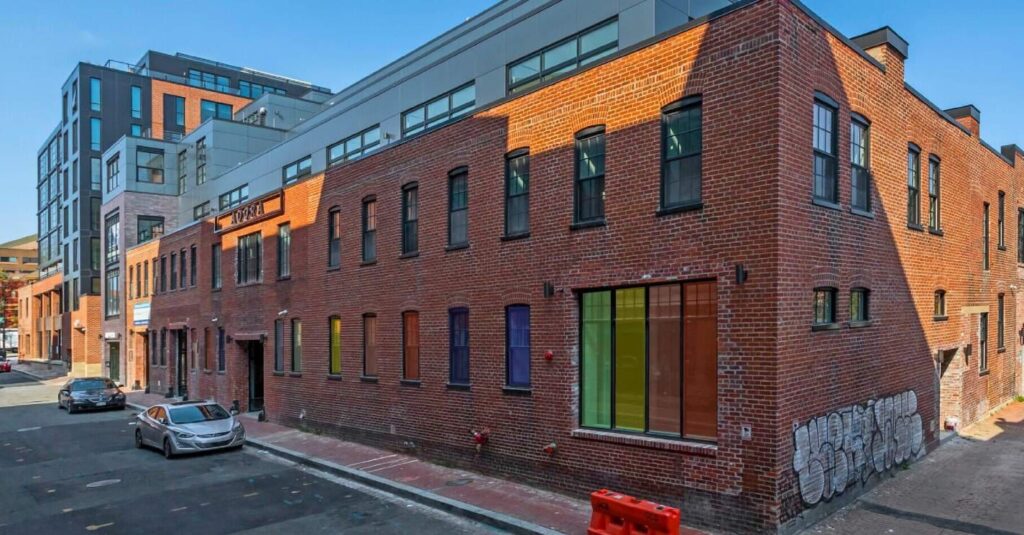
SOURCE: The DC LGBTQ+ Community Center
2. BmorePoly Events
While originating in Baltimore, BmorePoly organizes numerous events across the D.C., Maryland, and Virginia (DMV) area, making it a valuable resource for D.C.’s poly community. The group hosts a variety of gatherings, including discussion salons, social meetups, and even outdoor activities, designed to foster a supportive and inclusive network. Known as one of the largest groups of its kind in the Mid-Atlantic, BmorePoly welcomes individuals from all backgrounds, offering a wide range of experiences, from casual social events to in-depth workshops on relationship skills.
3. The Pincus Center for Inclusive Treatment and Education
The Pincus Center, led by sex therapist Tamara Pincus, provides an affirming environment for those in polyamorous and non-traditional relationships. Beyond individual therapy, the center also hosts group events and workshops that bring together people interested in non-monogamy. Their services cater specifically to poly individuals, offering guidance and support on topics such as communication, relationship boundary-setting, and navigating societal stigma, making it an essential resource in the D.C. area.
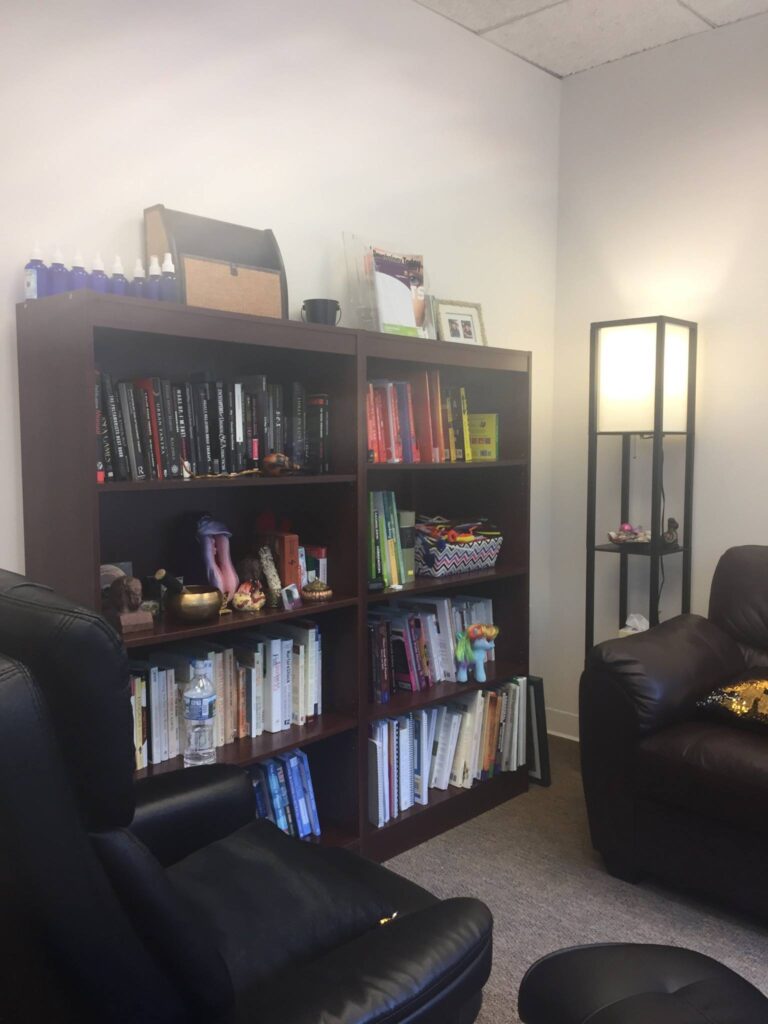
SOURCE: The Pincus Center for Inclusive Treatment and Education
4. Popular Social Spots
In addition to structured events, D.C. offers numerous social venues where polyamorous individuals can casually gather. Neighborhoods like Adams Morgan and Dupont Circle feature inclusive venues such as Busboys and Poets and Tryst Café, which are known for their welcoming atmospheres. These spots provide an ideal setting for informal meetups and serve as supportive social spaces for those in alternative relationships to connect and feel accepted within the city’s broader LGBTQ+ and poly-friendly community.
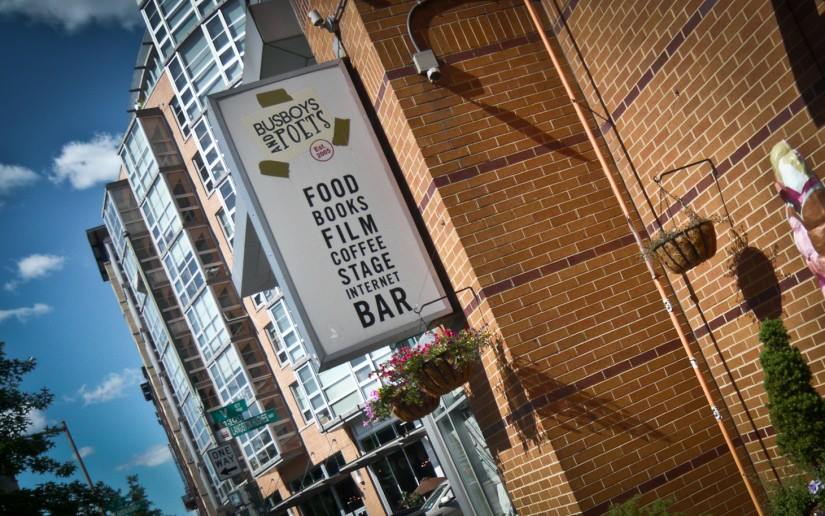
SOURCE: Busboys and Poets
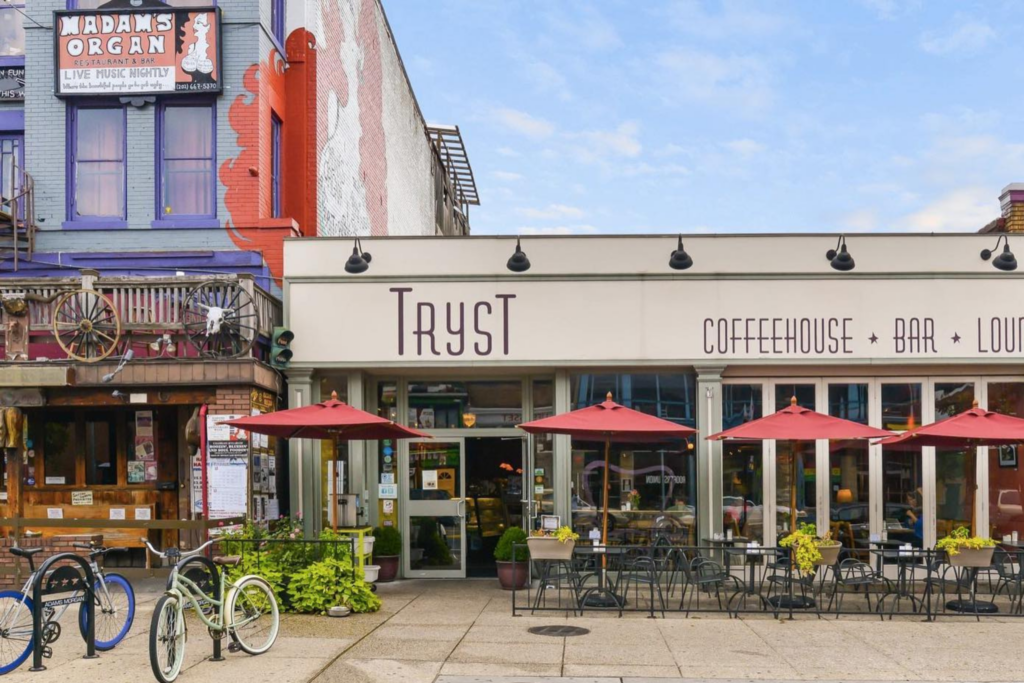
SOURCE: Tryst Café
With its combination of organized events, supportive centers, and welcoming social venues, Washington, D.C., offers a vibrant, inclusive environment for those practicing polyamory and exploring non-traditional relationships. These spaces not only promote community building but also encourage personal growth and acceptance in an affirming setting.
Local Laws and Protections for Polyamory in Washington, D.C.
In Washington, D.C., legal recognition for polyamorous relationships is currently limited but evolving. While polyamorous marriages are not legally recognized under D.C. law, some legal frameworks are adaptable for multi-partner families. Polyamorous individuals may pursue legal protections through various contracts and cohabitation agreements to establish rights similar to those in traditional marriages.
Domestic Partnership Protections
While D.C. has not extended domestic partnership laws to include multi-partner relationships as seen in Somerville and Cambridge, Massachusetts, these local precedents are inspiring discussions across the U.S. Somerville and Cambridge’s ordinances, which allow multiple partners in a domestic partnership, grant rights such as shared health benefits for city employees and expanded visitation rights in hospitals and jails. This shows potential for similar changes in progressive cities like D.C. in the future, especially as advocacy groups such as the Polyamory Legal Advocacy Coalition (PLAC) push for greater recognition of diverse family structures.
Legal Tools for Protection
Polyamorous individuals in D.C. can still safeguard their relationships and rights through specific legal agreements:
- Co-Parenting Agreements can clarify rights and responsibilities for those raising children within polyamorous families. D.C. also allows for third-parent adoption, under specific circumstances, which can secure parental rights for a third partner, an option that has seen growing legal support in a few states.
- Property and Estate Planning Agreements like real estate co-ownership and living wills can help protect assets and ensure financial security across relationships. Additionally, Health Care Proxies and Hospital Visitation Authorizations allow partners to make medical decisions and secure visitation rights for each other in emergencies.
- Financial and Support Agreements, such as cohabitation contracts or financial dependency clauses, can also be implemented to address financial obligations among partners, a helpful measure if a relationship were to dissolve.
Challenges and Advocacy
Despite these workarounds, polyamorous families face legal vulnerabilities. They lack comprehensive anti-discrimination protections under employment, housing, and insurance laws, which means that poly individuals may experience discrimination in workplaces or public accommodations. Legal advocacy groups like the LGBTQ+ Bar are working to address these gaps by promoting awareness and pushing for policies that extend protections for non-traditional families. While significant federal protections for polyamory may be distant, local advocacy and municipal-level reforms continue to play a crucial role in expanding the rights of polyamorous families in D.C. and beyond.
Washington, D.C. offers a supportive environment through community resources, yet formal legal protections remain limited. Advocacy efforts and legal instruments are the primary avenues for polyamorous individuals to secure their relationships, though the future may bring expanded recognition as public awareness and local policies evolve.
Resources for the Polyamorous Community in Washington, D.C.
Washington, D.C., offers a wealth of resources for those exploring or practicing polyamory, with organizations, support groups, and counseling services that foster community, connection, and personal growth.

1. BmorePoly One of the largest and most active groups in the Mid-Atlantic, BmorePoly provides a welcoming space for polyamorous individuals and others in alternative relationship models across the D.C., Maryland, and Virginia (DMV) area. This group hosts over 50 events each month, including discussion groups, social outings, and educational workshops that focus on polyamory, personal growth, and community building. Events include everything from casual social gatherings to specialized groups for parents and young adults, all designed to create a supportive environment for people to connect and share experiences.
2. The DC LGBTQ+ Community Center – Poly Discussion Group The DC LGBTQ+ Community Center hosts a regular Poly Discussion Group, facilitated by sex therapist Tamara Pincus. This monthly group is open to individuals of all backgrounds interested in exploring polyamory, offering a space to discuss challenges, share stories, and receive support from like-minded people. The discussions often cover topics such as communication, relationship boundaries, and navigating societal perceptions, making it a valuable resource for those both new to and experienced in polyamory.
3. Loving More Nonprofit Loving More is a national organization dedicated to supporting polyamorous individuals and families through education, advocacy, and community events. Although based outside of D.C., the organization offers resources widely accessible to D.C. residents, including webinars, retreats, and its annual Poly Living Conference. Loving More aims to normalize and promote polyamory as a valid relationship choice, providing materials on best practices, relationship skills, and family dynamics to support polyamorous communities across the country.
4. The Pincus Center for Inclusive Treatment and Education Founded by therapist Tamara Pincus, the Pincus Center in D.C. specializes in therapy for polyamorous and ethically non-monogamous individuals. The center provides individual and group counseling, focusing on relationship dynamics, emotional support, and addressing the challenges that can arise within non-monogamous structures. The Pincus Center is well-regarded for its expertise and affirming approach to diverse relationship models, making it a key resource for those seeking professional support in the D.C. area.
5. Online Platforms and Polyamory Networks For those seeking additional resources or virtual support, platforms like Feeld and SwingTowns are popular within D.C.’s poly community. Feeld’s community-building events, such as FeeldWorldDC, draw large crowds, allowing users to make connections in a safe and inclusive environment. These platforms cater specifically to non-monogamous individuals, providing online spaces where users can openly discuss polyamory, find local resources, and connect with others exploring ethical non-monogamy.
D.C. offers a strong support network for polyamorous individuals, with a mix of in-person gatherings, professional counseling options, and online platforms that ensure a welcoming community for both newcomers and long-time practitioners of polyamory.
Regular Meetups and Social Gatherings in Washington, D.C.
Washington, D.C., offers a robust calendar of events and meetup groups that cater to the polyamorous and ethically non-monogamous community. Here are some key groups that provide valuable opportunities for connection and support:

1. OPEN – Our Polyamory Enrichment Network of DC/MD/VA
OPEN is a private group that hosts regular events for those in the polyamorous and non-monogamous communities across the D.C., Maryland, and Virginia areas. The group offers a supportive space for members to connect and engage in discussions, with events that include educational gatherings, social outings, and facilitated discussions on polyamorous living.
2. Black & Poly DMV
Black & Poly DMV is part of the national Black & Poly organization, a nonprofit dedicated to supporting Black individuals and families exploring polyamory. This group aims to create a space where members of the Black community can feel represented and connect with others who share their experiences in ethical non-monogamy. Events often include meetups, discussions, and workshops focused on building a culturally inclusive environment.
3. FeeldWorldDC Events
Feeld, a popular app for non-monogamous dating, periodically organizes large in-person events in D.C. such as FeeldWorldDC. These gatherings, like those at The LINE Hotel, combine social networking with activities led by relationship experts, creating a welcoming environment for both seasoned practitioners and newcomers interested in ethical non-monogamy.
4. Monthly Polyamory Discussion Groups at the DC LGBTQ+ Community Center
The DC LGBTQ+ Community Center hosts monthly discussion groups that bring together people from various backgrounds who are interested in exploring polyamory. These sessions provide a supportive, open space to discuss relationship dynamics, challenges, and successes within non-traditional partnerships, offering both community and resources to attendees.
These meetups and gatherings are essential for fostering a connected and vibrant polyamorous community in D.C., giving members access to peer support, education, and social networking opportunities.
Housing and Neighborhoods
Washington, D.C. has a range of neighborhoods that appeal to those in polyamorous and LGBTQ+ communities, offering vibrant, inclusive spaces that support diverse lifestyles. Here’s an overview of some top neighborhoods that provide not only great amenities but also a welcoming environment for polyamorous individuals.
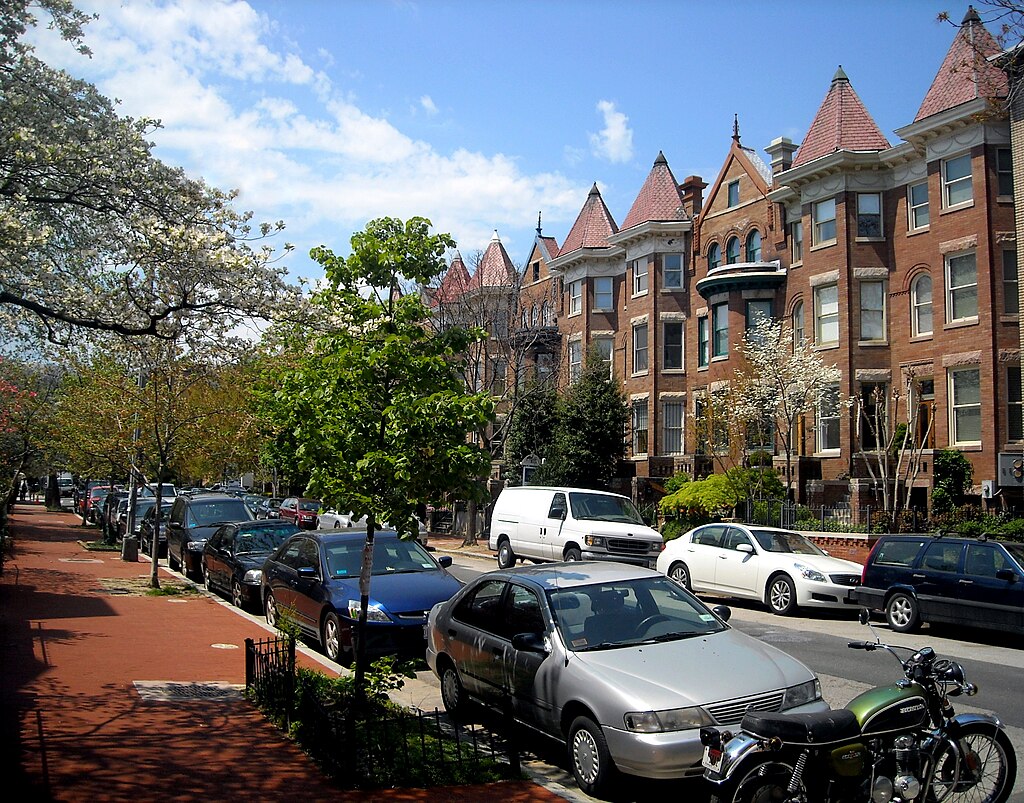
1. Dupont Circle Dupont Circle is one of D.C.’s most iconic LGBTQ+-friendly neighborhoods, known for its inclusivity, walkability, and vibrant social scene. With a mix of historic row houses and modern apartment complexes, Dupont Circle offers housing options for a variety of budgets and lifestyles. This neighborhood is rich in nightlife, cafes, and LGBTQ+ bars, making it a convenient and welcoming choice for polyamorous residents seeking a social, supportive environment.
2. Adams Morgan Adams Morgan is popular among young professionals and creatives, known for its eclectic vibe, diverse food scene, and colorful nightlife. The area has a relaxed atmosphere with an artsy feel, featuring various community centers and welcoming cafes. Adams Morgan’s diverse community and vibrant nightlife make it an attractive neighborhood for polyamorous individuals who enjoy a socially active and inclusive environment. Housing here includes a mix of older buildings and modern apartments, catering to a wide range of preferences and budgets.
3. Shaw and U Street Corridor The Shaw and U Street Corridor areas have seen substantial growth and revitalization in recent years, transforming into one of D.C.’s most dynamic neighborhoods. Known as the “Black Broadway” in the 20th century, U Street has retained its rich cultural history while evolving into a diverse and LGBTQ+-friendly area filled with restaurants, music venues, and street art. These neighborhoods attract a mix of students, young professionals, and families, making them ideal for those in the polyamorous community who appreciate a culturally rich, inclusive area with excellent access to nightlife and public transit.
4. Logan Circle Located near Dupont Circle and Shaw, Logan Circle is known for its historic charm and thriving social scene. This neighborhood offers a blend of Victorian architecture, trendy restaurants, and boutique shops, creating a welcoming environment for diverse residents. Logan Circle is ideal for polyamorous families or individuals looking for a balanced lifestyle with both tranquility and accessibility to D.C.’s active social landscape. The neighborhood’s LGBTQ+ friendly reputation and walkable layout make it particularly appealing to those seeking a strong community vibe.
Housing Costs and Options Living in D.C. can be expensive, with average home prices around $580,000 and a high cost of rent compared to the national average. However, many neighborhoods like Shaw and U Street offer mixed-income developments and co-housing options, which can be more budget-friendly and accessible for communal living arrangements common among polyamorous households. Mixed-use buildings in areas like Southwest Waterfront also provide options for shared housing and co-living arrangements, meeting a variety of needs for those looking to share space with multiple partners.
These neighborhoods offer a range of housing types, inclusive communities, and excellent amenities, making D.C. a supportive city for polyamorous individuals and families seeking both connection and lifestyle flexibility.
Cost of Living and Lifestyle in Washington, D.C.
Living in Washington, D.C., comes with a high cost of living, often 39-47% above the national average, depending on housing, food, and utilities. This section breaks down major expenses and offers tips for managing a polyamorous-friendly lifestyle in this vibrant city.
1. Housing Costs Housing is the largest expense in D.C., with the average one-bedroom apartment renting for about $2,443 per month. For those looking for shared housing, co-living arrangements can help reduce costs, which might appeal to polyamorous households interested in communal setups. The median home price has surged to around $805,000, so rental and shared housing options are popular among residents seeking to manage housing expenses effectively.
2. Utilities and Internet Monthly utility bills, including electricity, water, and gas, average around $228.82. Internet and phone plans are also higher here, with monthly costs of about $191.41 for phone and $56 for broadband internet. For those with shared housing, splitting these costs can make living in D.C. more affordable.
3. Transportation Public transit is a cost-effective option in D.C., with a monthly metro pass at approximately $192. For those who drive, gas prices average $3.67 per gallon. D.C. offers a comprehensive public transportation system, which is a good option for polyamorous groups who might choose to live in transit-friendly areas like Dupont Circle or Adams Morgan, where car ownership may not be necessary.
4. Food and Groceries Grocery costs in D.C. are roughly $520 per month per person, higher than the national average. Dining out is also pricey, with mid-range meals around $50 per person. For polyamorous households, meal-sharing or cooking at home in larger batches can help manage these costs. Local farmers’ markets and bulk grocery stores are popular options that may help reduce expenses.
5. Healthcare Costs Healthcare in D.C. is also relatively high, averaging around $12,201 per year per individual. Many employers provide substantial health insurance benefits, especially those in government or public sector roles, which is common in D.C. For those without employer-sponsored health insurance, the Affordable Care Act (ACA) provides options to reduce out-of-pocket costs.
6. Entertainment and Lifestyle D.C. offers ample free or low-cost cultural activities, including the Smithsonian museums and public festivals, which are excellent for polyamorous groups looking to enjoy the city without breaking the bank. However, activities like going to the movies ($15 per ticket) or dining at neighborhood pubs ($70 for two) are more costly. Taking advantage of D.C.’s outdoor parks and free events can help offset some of these expenses.
In sum, D.C. is a high-cost city, but by taking advantage of shared housing, cooking at home, using public transit, and exploring free cultural attractions, polyamorous individuals and groups can enjoy a fulfilling lifestyle in the nation’s capital.
Connect with Like-Minded Polyamorous People in D.C.
Looking to meet others exploring polyamory or ethical non-monogamy? Sign up for SwingTowns for free and join a community of open-minded people right here in Washington, D.C. Whether you’re new to polyamory or an experienced member of the community, SwingTowns offers a safe, welcoming platform to make connections, discover local events, and engage in meaningful conversations.
“I am enjoying swingtown and the way it is run. Hope to meet some great people who enjoy healthy sexy fun together. Life is tooo short not to.” -teaser71902