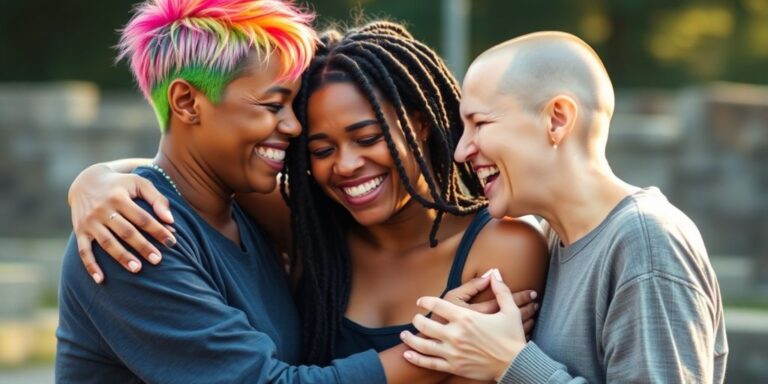
Polyamory and Community: Building Support Networks and Overcoming Stigma
Polyamory, the practice of having multiple consensual and open romantic relationships, is gaining increased visibility and acceptance in today’s society. However, despite progress, many individuals who engage in polyamorous relationships still face challenges, including social stigma, lack of support networks, and misconceptions. In this blog, we will explore the importance of building strong support networks within the polyamorous community, strategies for overcoming stigma, and the potential benefits of fostering inclusive communities.
Understanding Polyamory
Polyamory involves having multiple romantic relationships simultaneously, with the knowledge and consent of all parties involved. It emphasizes ethical non-monogamy, open communication, and respect for individual autonomy. By recognizing and acknowledging the capacity for individuals to love and form meaningful connections with multiple people, polyamory challenges societal norms surrounding monogamy. Polyamorous individuals value honesty, transparency, and consent, and they navigate their relationships through open communication and negotiation.
The Importance of Support Networks
Building support networks within the polyamorous community is essential for fostering a sense of belonging, understanding, and empowerment. These networks provide validation, emotional support, and resource sharing for individuals navigating multiple relationships. Polyamorous individuals often face social judgment and misunderstandings, so connecting with like-minded individuals provides a safe space to discuss experiences openly without fear of judgment. Support networks offer a platform to share joys, challenges, and seek advice from people who understand the unique dynamics of polyamorous relationships.
In support networks, individuals can find validation and acceptance for their lifestyle choices. They can share their experiences, challenges, and successes, knowing that they are not alone. These networks foster a sense of community, allowing individuals to form connections with others who share similar values and relationship dynamics. By being part of a supportive community, polyamorous individuals can find comfort, encouragement, and a sense of belonging.
Overcoming Stigma
Polyamory continues to face societal stigma due to cultural norms, misconceptions, and biases. This stigma often leads to judgment, discrimination, and misunderstandings. Overcoming this stigma requires education, awareness, and visibility.
Education and awareness play a pivotal role in challenging stereotypes and misconceptions surrounding polyamory. By engaging in open conversations and sharing personal stories, polyamorous individuals and their allies can provide insight into the realities of polyamorous relationships. This helps to dispel myths and promote a more informed and understanding society.
Visibility and representation of polyamorous relationships are crucial for breaking down stigma. Increased representation in media, literature, and public spaces challenges societal stereotypes and fosters greater acceptance. When people see polyamory portrayed positively and accurately, it helps to normalize these relationships and create a more inclusive culture.
Open communication is also essential in overcoming stigma. Engaging in honest conversations with friends, family, and loved ones can be transformative in breaking down barriers and fostering acceptance. Sharing personal experiences and providing clarity on polyamory as a valid relationship choice can help educate others and challenge their preconceived notions.

Building Inclusive Communities
Creating inclusive communities is vital for the well-being and support of polyamorous individuals. These communities provide spaces for connection, understanding, and growth. Here are some ways to foster inclusive environments:
Local Polyamory Groups:
Joining local polyamory support groups or communities can provide a sense of belonging and connection. These groups often organize social events, discussion forums, and educational workshops, offering opportunities to build relationships and share experiences.
Online Forums and Social Media:
Virtual spaces provide access to a diverse range of polyamorous individuals and communities, irrespective of geographical limitations. Online forums, blogs, and social media groups offer platforms for knowledge exchange, support, and connection.
Professional Support:
Seeking professional guidance from therapists or relationship counselors familiar with non-monogamous relationships can be beneficial. These professionals can offer specialized advice and help navigate the unique challenges of polyamory.
FAQs
What is polyamory?
Polyamory is the practice of having multiple consensual and open romantic relationships simultaneously. It involves engaging in loving and intimate connections with multiple partners with the knowledge and consent of all parties involved.
How is polyamory different from cheating or infidelity?
Polyamory emphasizes ethical non-monogamy, where all individuals involved are aware of and consent to the multiple relationships. Cheating or infidelity involves deception and breaking the agreed-upon boundaries of a monogamous relationship.
Isn’t jealousy a big issue in polyamorous relationships?
Jealousy can arise in any relationship, regardless of the relationship structure. In polyamorous relationships, open communication, trust-building, and self-reflection play important roles in managing and addressing jealousy. Polyamorous individuals often develop coping strategies and tools to navigate jealousy effectively.
How do polyamorous relationships handle communication and boundaries?
Open and honest communication is vital in polyamorous relationships. Clear and ongoing communication about boundaries, expectations, and needs helps establish a foundation of trust and respect. This includes discussing topics such as time management, sexual health, and emotional support.
Are polyamorous relationships less stable or committed compared to monogamous relationships?
The stability and commitment in a relationship are not determined by its structure but by the individuals involved. Polyamorous relationships can be just as committed, loving, and long-lasting as monogamous relationships. The key is establishing and maintaining strong communication, trust, and emotional connection.
Can polyamorous individuals experience a sense of community and support?
Yes, polyamorous individuals can build supportive communities and find like-minded individuals who understand and share their experiences. Local polyamory groups, online forums, and social media platforms provide opportunities for connection, sharing advice, and receiving support.
How can I address societal stigma and misconceptions about polyamory?
Education and open dialogue are essential in challenging misconceptions and reducing stigma. By sharing personal stories, engaging in conversations, and promoting accurate information about polyamory, we can foster understanding and acceptance.
Is polyamory a valid and healthy relationship choice?
Yes, polyamory is a valid and healthy relationship choice for individuals who are consensually and ethically engaging in multiple relationships. As with any relationship structure, the success and health of a polyamorous relationship depend on effective communication, mutual respect, and emotional well-being.
Can someone be polyamorous and still value commitment?
Absolutely. Commitment in polyamory may look different from monogamous relationships, but it is still valued and important. Polyamorous individuals can have committed and long-term relationships, often involving deep emotional connections, shared goals, and support for each other’s growth.
How can I find support and resources if I am interested in exploring polyamory?
To find support and resources, you can start by seeking out local polyamory groups or online communities dedicated to ethical non-monogamy. Books, podcasts, and workshops focusing on polyamory can provide valuable insights and guidance. Additionally, seeking professional help from therapists or relationship counselors experienced in non-monogamous relationships can offer personalized support and advice.
Conclusion
Building support networks within the polyamorous community is vital for individuals to thrive and overcome the challenges associated with societal stigma. By fostering inclusive communities, we can create spaces of understanding, acceptance, and empowerment for polyamorous individuals. Through education, awareness, and open communication, we can challenge misconceptions and promote a more inclusive society that recognizes and respects diverse relationship choices. Together, we can build a future where polyamorous relationships are valued, supported, and celebrated.
Together We Thrive – Fostering Unity and Celebrating Diversity
Step into a community where support networks flourish and the power of unity helps overcome stigma. Here, we celebrate the diversity of love and relationships, offering a safe space for everyone to build connections, share experiences, and find acceptance. Join us in strengthening the bonds of our community, where together, we navigate the joys and challenges of polyamory with open hearts and minds. Sign up for a free account on SwingTowns today, and be part of a journey where together, we thrive in the richness of diversity and mutual support.
“My husband and I joined Swingtowns a couple of years ago. We are new to this lifestyle and were a little apprehensive in getting involved in something like this, but we wanted to spice up our sex life and bite the bullet. We have met some wonderful respectful people and have become friends with everyone we met.” -Needtocome
Also Read: How to prioritize sexual health while practicing polyamory