Polygyny vs Polygamy: The Nuances and Their Societal Impact
When we talk about marriage, a lot of different ideas come to mind. But what about when we hear words like “polygamy” or “polygyny”? It’s easy to get them mixed up, and sometimes people have strong opinions without really knowing what these terms mean. This article will break down the differences between these types of plural marriage, explore how society sees them, and even look at some of the tough stuff, like how they might connect to violence. We’ll also consider how population numbers play a role and why some societies choose one marriage style over another. It’s all about understanding these complex ideas better.
Key Takeaways
- Polygamy is a general term for having multiple spouses, while polygyny is specifically one man with multiple wives, and polyandry is one woman with multiple husbands.
- Societal views on plural marriage are often based on assumptions, and it’s important to consider consent and address any abuses that might happen within these relationships.
- Research shows mixed results on the link between polygyny and intimate partner violence, with some areas seeing higher rates and others not.
- The idea that there are equal numbers of men and women for marriage isn’t always true when you consider factors beyond just raw birth rates.
- Monogamy is the most common form of marriage, but some argue for allowing plural marriage, and serial monogamy is another way people handle relationships over time.
Defining Polygyny and Polygamy: What’s the Difference and Why It Matters
Understanding Polygamy: A Broad Overview
Polygamy, at its core, refers to the practice of having more than one spouse at the same time. It’s a pretty broad term that covers a few different types of marital arrangements. Understanding the polygamy meaning is crucial before we get into the specifics. It’s not just one thing; there are different types of polygamy, each with its own unique dynamics and historical context. Think of it as an umbrella term encompassing various forms of plural marriage. Historically, historical polygamy practices have been observed across various cultures and religions, each with its own set of rules and social implications.
Polygyny Explained: One Man, Multiple Wives
Polygyny is a specific form of polygamy where a man is married to more than one wife simultaneously. This is probably what most people think of when they hear the word “polygamy.” The polygyny definition is straightforward, but the reasons behind it and the way it’s practiced can vary a lot depending on the culture. In some societies, it might be tied to economic factors, like a man needing more labor for his farm. In others, it could be a status symbol or a way to ensure lineage. It’s important to remember that polygamy definition and examples are diverse, and the experiences of those involved can differ greatly.
Polyandry: One Woman, Multiple Husbands
The less common counterpart to polygyny is a marital arrangement in which a woman has multiple husbands simultaneously. This form of plural marriage is often overlooked in discussions, yet it exists in certain cultures and holds significance in anthropological studies. It’s often found in societies where resources are scarce, and it’s a way to limit population growth or keep land within a family. The dynamics of polyandry vs polygamy are fascinating, and they challenge a lot of our assumptions about marriage and family structures.
“The best LS site for sure! Real people, easy to navigate, love it!” -Tlove799
Societal Perceptions and Misconceptions of Plural Marriage
Challenging Common Assumptions About Polygamy
People often have strong opinions about polygamy, and not all of them are based on facts. One common idea is that polygamy should always be the rule. However, most people who advocate for plural marriage don’t believe it should be mandatory for everyone. They simply think it should be an option for consenting adults. Another assumption is that if polygamy were allowed, some men would inevitably be left without wives. But this already happens in monogamous societies for various reasons.
The Role of Consent in Polygamous Unions
Consent is absolutely key. Any discussion about polygamy has to center on the idea that all parties involved are making a free and informed choice. Forced marriages or situations where people are coerced into a polygamous relationship are unacceptable. It’s about individual autonomy and the right to choose one’s own path, as long as it doesn’t harm others.
Addressing Abuses Within Polygamous Communities
It’s important to acknowledge that abuses can and do occur within some polygamous communities. These can include:
- Forced marriages
- Underage marriages
- Financial exploitation
“Great community in here!!! Lots of beautiful people. Swingtowns has helped connect with so many new friends, love it!!!!” -2x2more
It’s crucial to support individuals who want to leave abusive situations and to hold perpetrators accountable for their actions.
The Complex Relationship Between Polygyny and Intimate Partner Violence
Examining IPV Rates in Polygynous Marriages
It’s a tough topic, but we need to talk about the potential link between polygyny and intimate partner violence (IPV). Some studies suggest that women in polygynous marriages may experience higher rates of IPV compared to those in monogamous relationships. However, it’s not a straightforward connection, and the data presents a mixed picture. For example, research in Mozambique indicated senior wives faced increased IPV risks, while a multi-country study showed a positive association between polygyny and IPV in several African nations, but a negative one in Cameroon and Nigeria. It’s clear that cultural and regional factors play a big role.
Geographical Disparities in Violence and Polygyny
Looking at the Democratic Republic of Congo, studies found that IPV rates varied significantly by province. In regions where polygyny was more common, like Kasai Occidental and Kasai Oriental, IPV rates tended to be higher. This highlights the importance of looking beyond national averages to understand the nuances of the relationship between polygyny and violence. The effects of polygyny on IPV can vary at the sub-national level. Recent research has thoroughly examined attitudes towards the acceptability of spousal abuse, focusing on intimate partner violence (IPV).
The Influence of Societal Structures on IPV
Societal structures have a big impact. Patrilineal societies, for instance, might reinforce power imbalances that contribute to IPV. On the other hand, matrilineal societies could promote female empowerment and community support, potentially reducing violence. But it’s not just about lineage. Socio-economic conditions, legal frameworks, and cultural attitudes toward violence all play a part. Understanding these factors is key to developing effective prevention and intervention strategies.
“Swingtown is so great in am having so much fun and it’s the best site to visit and enjoy. The people are so friendly.” -JS12
Here’s a simplified view of how different factors might interact:
- Power Dynamics: Unequal power distribution can increase IPV risk.
- Economic Stress: Financial hardship can exacerbate tensions.
- Social Norms: Acceptance of violence within a community can normalize IPV.
Demographic Realities and Marital Norms
Analyzing Gender Birth Ratios and Marriageability
It’s easy to assume that equal numbers of men and women mean everyone gets a partner if they want one. But that’s way too simple. Birth ratios, death rates, and a whole bunch of other factors mess with that picture. It’s not just about raw numbers; it’s about who is actually marriageable.
The Greater Male Variability Hypothesis
Men and women aren’t just born at slightly different rates; they also differ in other ways. The Greater Male Variability Hypothesis suggests that men show a wider range of traits and outcomes than women. This can affect the pool of ‘suitable’ partners. For example, if a small percentage of men have serious issues (health, legal, etc.), it disproportionately impacts the number of men considered marriageable. This hypothesis explained can influence marital norms.
Impact of Differential Death Rates on Marriage Demographics
Men and women tend to die at different ages, and this has a real impact on marriage demographics. If men die younger, it can lead to a surplus of women later in life. This isn’t just a theoretical problem; it’s something societies have to deal with. These death rates affect marriage demographics.
“We are very excited to have joined Swing Towns. We have already chatted and met some fun people. We look forward to meeting many more friends and having a great time making new connections.” –
IzzyBlossomKatee
Here’s a simple table to illustrate how death rates can affect the ratio:
| Age Group | Men Alive | Women Alive |
|---|---|---|
| 20-30 | 1000 | 1020 |
| 50-60 | 900 | 950 |
| 70-80 | 600 | 750 |
Marriageable Populations: Beyond Raw Numbers
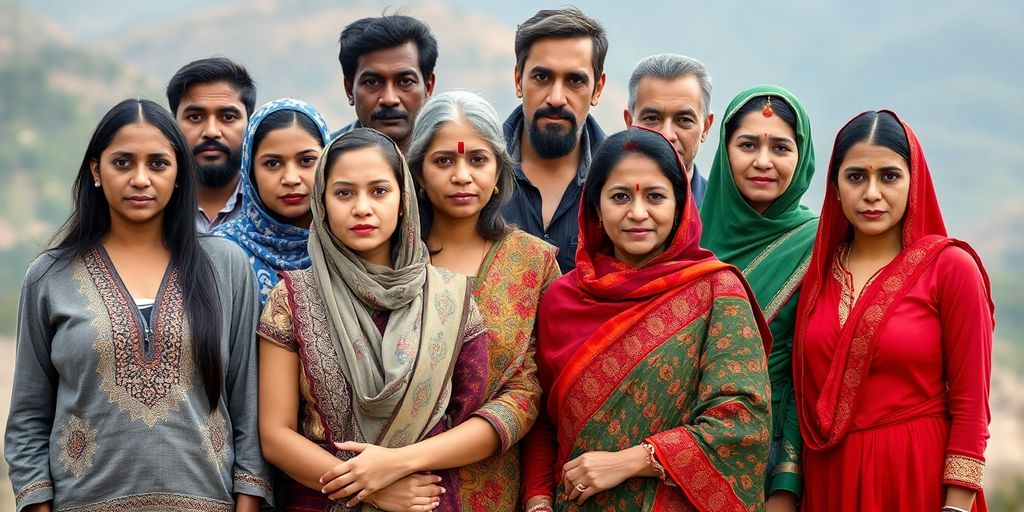
It’s easy to look at population numbers and assume a straightforward match-making scenario. However, the reality of who is actually marriageable is far more nuanced than just counting heads. Raw numbers don’t tell the whole story when it comes to marriage prospects.
Defining ‘Suitable’ Marriage Partners
What makes someone a ‘suitable’ marriage partner? It’s not just about being single and of a certain age. There are many factors at play. Think about it: everyone has their own criteria, whether they’re conscious of it or not. These criteria can include:
- Emotional maturity
- Financial stability
- Shared values
- Personal compatibility
These factors significantly narrow down the pool of potential partners. Someone might be single, but if they don’t meet your basic requirements, they’re not really in the running. It’s about finding someone who fits your life and vision for the future. This is why understanding group dynamics is important.
Factors Influencing the Ratio of Marriageable Individuals
Several factors can skew the ratio of marriageable men to women beyond the simple birth rate. For example:
- Incarceration rates: Men are statistically more likely to be incarcerated, removing them from the marriage pool.
- Substance abuse: Higher rates of substance abuse among men can also impact their marriageability.
- Homelessness: Similarly, a disproportionate number of homeless individuals are men.
- Personal preferences: Some people may simply choose not to marry, further altering the available pool.
“I recommend swingtowns because it’s the first site that even as a free profile you can still connect with ppl. I have since upgraded to lifetime but me and my wife have met some really fun cpls since we started on this site so we fully recommend swingtowns.” -TheRowan
The Implications of an Excess of Marriageable Women
If, after considering all these factors, there’s a genuine excess of marriageable women, what does that mean? One potential outcome is that some women who desire marriage may not find a partner. This can lead to societal discussions about alternative family structures, such as plural marriage, or acceptance of serial monogamy. It also highlights the importance of individual agency and finding fulfillment outside of traditional marriage. It’s about recognizing that happiness and a fulfilling life can take many forms, regardless of marital status. The concept of gender birth ratios is also important to consider.
Monogamy Versus Plural Marriage: A Societal Choice
Monogamy as the Predominant Marital Form
The practice of having a single spouse is the most prevalent form of marriage worldwide.
Let me know if you’d like alternatives with a different tone or style. It’s deeply ingrained in many cultures and often supported by legal and religious frameworks. This prevalence doesn’t necessarily mean it’s the only valid option, but it does reflect a long history of societal norms and expectations. Think about it, most movies, books, and even everyday conversations assume a monogamous relationship as the default. This reinforces its position in our collective consciousness. It’s what most people know and what they’re comfortable with.
The Argument for Allowing Plural Marriage
Some argue that restricting marriage to monogamy is unjust. They believe that individuals should have the freedom to choose their marital arrangements, provided all parties consent. This perspective often arises from religious beliefs, cultural traditions, or a desire for alternative family structures. The idea is that if marriage is about love and commitment, shouldn’t adults be able to define those terms for themselves? It’s a question of individual liberty versus societal norms. Some proponents point to potential benefits, such as providing more stable homes for children or addressing gender imbalances in marriageable populations. For example, if there’s a significant surplus of women seeking marriage, plural marriage could, theoretically, offer a solution. However, this is a complex issue with many potential pitfalls.
Serial Monogamy as an Alternative to Plural Marriage
Serial monogamy, the practice of having multiple successive monogamous relationships, is a common alternative to plural marriage in many societies. People go from one marriage to the next, often after divorce. It’s like a series of exclusive relationships, one after the other. Some argue that serial monogamy achieves a similar outcome to plural marriage – multiple partners over a lifetime – but within the confines of socially accepted norms. However, others criticize it for its potential instability and the emotional toll of repeated breakups and remarriages. It raises questions about commitment, family structure, and the long-term impact on children. It’s worth considering how marriage impacts individuals and society.
“Swing Towns knows what’s up! Finally a platform where like minded people can connect.” -Cboy6983
Here’s a quick comparison:
| Feature | Monogamy | Plural Marriage | Serial Monogamy |
|---|---|---|---|
| # of Spouses | One | Multiple | One (at a time) |
| Societal Acceptance | High | Low | Moderate |
| Legal Status | Legal | Often Illegal | Legal |
Here are some points to consider:
- The definition of a “good” marriage candidate is subjective.
- The ratio of marriageable women to men is greater than 1.
- Many men and women should not be married at all.
Conclusion
So, what’s the takeaway from all this talk about polygyny and polygamy? It’s pretty clear that these family setups are way more complicated than they look at first glance. We’ve seen how they play out in different places, and how they can affect people’s lives, sometimes good, sometimes not so good. There’s no one-size-fits-all answer here. What works in one culture might be totally different somewhere else. It really just shows that when it comes to relationships and families, things are rarely simple. Thinking about these differences helps us understand people better, and maybe even be a bit more open-minded about how others choose to live.
Frequently Asked Questions
What’s the difference between polygamy, polygyny, and polyandry?
Polygamy is a general term for having more than one spouse. Polygyny is when one man has multiple wives, while polyandry is when one woman has multiple husbands.
Are all polygamous marriages forced or abusive?
No, not at all. While some people might think of polygamy as always involving forced marriages or unfair situations, it’s important to remember that healthy plural marriages require everyone involved to agree freely and willingly.
Does polygyny always lead to more domestic violence?
Studies have shown different results. In some places, women in polygynous marriages might face more violence, but in others, it’s less common. It really depends on the specific community, its rules, and how society is set up.
If there are roughly equal numbers of men and women, why do some men not have wives in polygamous societies?
While roughly the same number of boys and girls are born, other things like how long people live and who is seen as a ‘good’ partner can change the numbers. This means there might be more women looking for husbands than available men who are considered suitable.
Is it true that society owes every man a wife?
No, it’s not. The idea that every man should have a wife just because there are enough women is not true. Many factors decide who gets married, and society doesn’t owe anyone a spouse.
Is monogamy the only right way to get married?
Monogamy, where one person is married to one other person, is the most common type of marriage. However, some people argue that allowing plural marriage could give more people the chance to get married, especially if there are more women who want to marry than suitable men.
Relationship Realms – Where Curiosity Fuels Connection and Growth
Exploring the rich history and impact of polygyny and polygamy opens the door to deeper understanding—and even deeper connections. Join a community that welcomes open minds, diverse relationship styles, and meaningful dialogue. Whether you’re here to learn, share, or connect, there’s a place for you. Sign up for a free SwingTowns account today and start your journey into the many dimensions of love and connection.
“Swing towns is my go to dating app. I just joined but truly am in love with swingtowns” -Th3gi4nt