Polygyny vs Polygamy: Global Trends and Prevalence
Ever wonder about different kinds of marriage around the world? It’s a pretty interesting topic. We often hear terms like ‘polygamy’ and ‘polygyny,’ but what do they really mean? And which one is more common globally? This article will break down these terms, look at where these marriage styles show up, and explore some of the reasons why they exist. We’ll also touch on polyandry, which is a bit less known. Get ready to learn some cool stuff about how people form families in different cultures.
Key Takeaways
- Polygamy is a general term for having more than one spouse, while polygyny specifically means one man having multiple wives. Polyandry is when one woman has multiple husbands.
- Historically, polygyny was pretty common in many societies, with some studies showing it was accepted in over 80% of cultures before Western influence.
- Today, polygyny is most often found in Sub-Saharan Africa. Countries like Burkina Faso, Mali, and Gambia have some of the highest rates.
- Only about 2% of people worldwide live in polygamous households. In most countries, the number is even lower, under 0.5%.
- While polyandry is much rarer than polygyny, research suggests it might have been more common in the past than previously thought, especially in certain types of societies.
Defining Polygamy and Polygyny
Understanding Polygamy’s Broad Scope
Polygamy, at its core, refers to the practice of having multiple spouses. It’s an umbrella term encompassing different types of polygamy, each with its own distinct characteristics. It’s important to understand that polygamy isn’t a monolithic concept; it branches into various forms depending on the gender dynamics involved. Think of it as a family of marital arrangements, where having multiple spouses is the common thread, but the specifics differ.
The Specificity of Polygyny
Polygyny is a specific form of polygamy where a man has more than one wife simultaneously. This is the most commonly discussed and observed form of polygamy globally. It’s often associated with particular cultural and socioeconomic contexts. Here are some key aspects of polygyny:
- It’s a subset of the broader category of polygamy.
- It involves one man and multiple wives.
- It’s prevalence varies significantly across regions and cultures.
“We’ve only been in the LS for about a year but we have found some really great people using SwingTowns. Wish we would have found the website sooner.” -2Adults89
Distinguishing from Monogamy
Monogamy, in contrast to polygamy, is the practice of having only one spouse at a time. It’s the most widely recognized and legally sanctioned form of marriage in many parts of the world. However, it’s worth noting the existence of serial monogamy, where individuals have a succession of monogamous relationships, one after the other. Here’s a simple comparison:
| Feature | Monogamy | Polygamy | Polygyny | Polyandry |
|---|---|---|---|---|
| Number of Spouses | One | Multiple | Multiple | Multiple |
| Gender Dynamic | One man, one woman | Varies | One man, multiple women | One woman, multiple men |
Historical and Anthropological Perspectives
Prevalence in Past Societies
Polygamy, including polygyny, wasn’t some weird fringe thing in history. It was actually pretty common in a lot of places. Think ancient civilizations, various tribal societies – it popped up all over. The reasons varied, from boosting the population to consolidating power. It’s wild to see how different cultures approached marriage and family structures. It wasn’t always about love and romance like we often think of it today. Sometimes it was about survival, status, or just plain old practicality. It’s important to remember that our modern views on marriage are relatively recent in the grand scheme of human history. Understanding historical context is key to understanding polygyny.
Evolution of Marital Structures
Marriage hasn’t always been the same. It’s changed a lot over time, adapting to different social, economic, and environmental conditions. Early human societies probably had all sorts of arrangements, from group marriages to more fluid partnerships. As societies got more complex, so did their marital structures. Monogamy became more common in some places, often tied to things like property rights and inheritance. But polygamy didn’t just disappear. It stuck around in many cultures, often for specific reasons. It’s a fascinating look at how humans organize themselves and their relationships. You can see how polygyny differs from other forms of marriage.
The Role of Social Class
Social class often played a big role in who got to practice polygyny. In many societies, it was a privilege of the wealthy and powerful. Think of kings and chiefs with multiple wives – it was a way to show off their status and build alliances. But it wasn’t always just about power. Sometimes, having multiple wives meant having more hands to work the land or manage resources. It could be a way to increase a family’s wealth and influence. Of course, this also meant that women’s roles and status within these societies were often complex and varied. It’s a reminder that history is never simple, and social class always complicates things.
“Great site. Met some great people. Feel secure and private and safe with the site. Definitely recommend!” -Anguslove
Global Distribution of Polygynous Households
Concentration in Sub-Saharan Africa
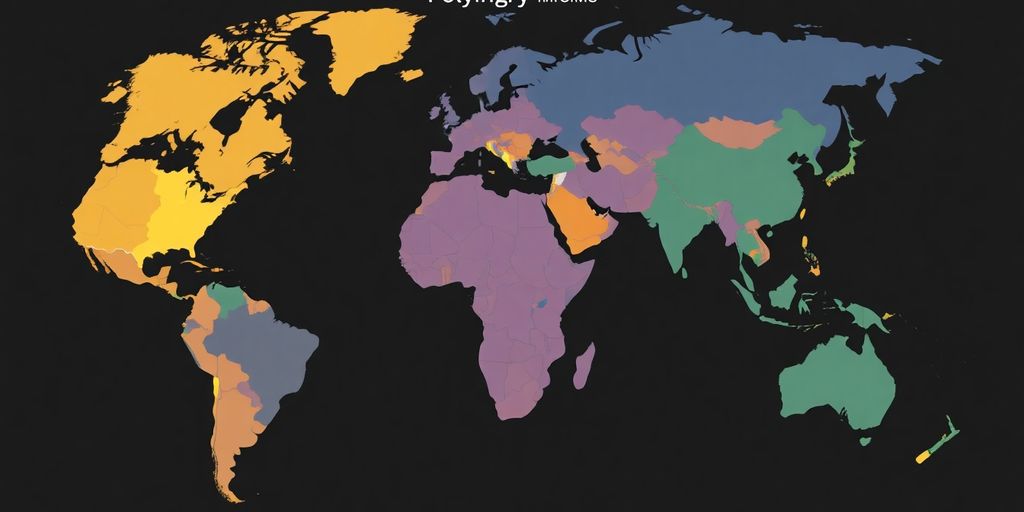
Sub-Saharan Africa stands out as the region with the highest concentration of polygynous households. This practice is deeply rooted in cultural traditions and socioeconomic factors. It’s not uncommon to see significantly higher rates of polygyny compared to other parts of the world. The reasons behind this are complex, involving everything from agricultural practices to beliefs about status and family size. It’s important to remember that even within Sub-Saharan Africa, there’s a lot of variation from country to country.
Key Countries with High Prevalence
Several countries in West and Central Africa exhibit particularly high rates of polygyny. Here are a few examples:
- Burkina Faso: Polygyny is relatively common, often linked to agricultural labor needs.
- Mali: Cultural norms and traditional beliefs support the practice.
- Nigeria: While varying by region and religion, polygyny is present in certain communities.
- Senegal: It’s a recognized, though declining, practice.
It’s worth noting that these are just a few examples, and the specific rates can fluctuate depending on the data source and methodology used. The polygamy belt in West Africa is a key area of focus when studying this phenomenon.
Regional Variations Outside Africa
While Sub-Saharan Africa has the highest prevalence, polygyny exists in other regions, though typically at much lower rates. In some parts of the Middle East and Southeast Asia, you can find instances of polygyny, often tied to specific religious or cultural interpretations. However, it’s crucial to understand that the legal status and social acceptance of polygyny vary widely across these regions. Economic factors also play a role, as polygyny can sometimes be associated with wealth and status. It’s not just an African thing, but it’s definitely most common there.
“I’m glad that SwingTowns is growing such an audience of happy, sex-positive people!” -RandySP69
Factors Influencing Polygyny’s Practice
Socioeconomic Status and Inequality
Okay, so when we talk about why polygyny happens, money and power are big deals. It’s often tied to how wealth is distributed in a society. Think about it: if a few guys have all the resources, they might be able to support multiple wives, while other men can’t even afford one. This creates a situation where polygyny becomes a status symbol, but also a source of inequality. In places with high levels of economic disparity, you’re more likely to see polygynous relationships. It’s not just about the money, though; it’s also about access to land, livestock, and other valuable assets. A guy with more stuff can attract more wives, which in turn, can increase his social standing and influence. This can be seen in Sub-Saharan Africa, where economic factors play a significant role in the prevalence of polygyny.
Cultural and Kinship Group Dynamics
Culture plays a huge role. In some societies, it’s just the way things have always been done. It’s part of their traditions, their beliefs, and their social structure. Kinship groups, or extended families, often support and encourage polygyny because it can strengthen family ties and increase the family’s workforce. It’s seen as a way to ensure the family’s survival and prosperity. Plus, in some cultures, a woman’s status can increase if she’s part of a polygynous marriage, especially if she’s the first wife or if she bears many children. It’s all about fitting into the cultural norms and expectations. Polygyny can be a dynamic principle of family survival, growth, security, continuity, and prestige.
Impact of Historical Events
History leaves its mark on everything, and polygyny is no exception. Wars, famines, and other major events can change the demographics of a population, leading to an imbalance in the number of men and women. In some cases, polygyny becomes a way to provide for women who might otherwise be left without support. Also, colonial policies and religious conversions have had a big impact on marital practices around the world. Sometimes, these events disrupt traditional social structures and lead to changes in the prevalence of polygyny. Other times, they reinforce existing practices. It’s a complex interplay of factors that shape the way people form relationships.
“Swingtowns is awesome and we have no complaints. There are tremendous people and wonderful couples on here that we have had the pleasure of meeting” -wearesexy2015
The Nuance of Polyandry Worldwide
Revisiting Polyandry’s Historical Presence
While polygyny grabs most of the attention when discussing multiple-partner marriage systems, it’s important not to overlook polyandry. Polyandry, where a woman has multiple husbands, is far less common than polygyny. Historical records suggest it was more widespread than previously thought, especially in certain egalitarian societies. It’s not just a relic of the past; it continues to exist in specific pockets around the globe. The prevalence of polygamy globally is still a topic of research.
Contemporary Instances of Polyandry
Polyandry isn’t just a thing of the past. It still exists today, although it’s rare. One well-known example is fraternal polyandry, practiced in parts of Tibet, Nepal, and northern India. In this system, brothers marry the same woman. This is often tied to land preservation and resource scarcity. Non-fraternal polyandry, where the husbands aren’t related, is even rarer but has been documented in groups like the Nayar in India.
Societal Conditions Supporting Polyandry
Several factors contribute to the practice of polyandry. Resource scarcity is a big one. When land or other resources are limited, polyandry can help keep family size down and ensure survival. Another factor is high male mortality rates. If there are fewer men available, polyandry can be a way to ensure that women have partners and children. Egalitarian social structures also seem to play a role, as polyandry is more common in societies where women have more power and autonomy.
“Swingtowns has been awesome in this lifestyle ! Finding new couples to play with and of course hang with.” -Skaggszy98
Here’s a simple breakdown of factors:
- Resource scarcity
- High male mortality
- Egalitarian social structures
- Land preservation
Legal and Social Acceptance of Polygamy

Legal Status Across Nations
The legal status of polygamy worldwide is a mixed bag. Some countries, mainly in Africa and parts of Asia, legally recognize it, often under customary or religious laws, particularly Islamic law. However, in many Western nations, it’s outlawed, sometimes even carrying criminal penalties. The legality often hinges on cultural and religious norms specific to each region. It’s not a simple yes or no situation; there are shades of gray depending on the jurisdiction.
Religious and Customary Law Influences
Religious and customary laws play a huge role in shaping attitudes and legal frameworks around polygamy. In some cultures, it’s deeply ingrained in tradition and seen as a way to ensure lineage or provide for widows. Islamic law, for example, permits polygyny under certain conditions. However, even within these contexts, there are debates and varying interpretations. Customary laws can also dictate who can enter into polygamous unions and the rights and responsibilities of each spouse. These influences often clash with modern legal principles of gender equality and individual rights.
International Calls for Abolition
There’s a growing movement pushing for the abolition of polygamy on an international scale. This is largely driven by concerns about human rights, particularly the rights of women and children. Critics argue that polygamy can lead to:
- Gender inequality
- Exploitation
- Social instability
“Swingtowns, easy navigating the site, no harassing upgrade ads, easy to find people, premium is not over priced….Just keep swinging, just keeping swinging” -mrgood69
Societal Implications of Polygynous Unions
Impact on Gender Dynamics
Polygyny can significantly alter gender dynamics within a community. Often, it reinforces existing power imbalances, potentially leading to reduced autonomy for women. Economic dependence on the husband can limit a wife’s decision-making power, and competition among co-wives may create tension and affect their social standing. However, in some contexts, senior wives might gain influence within the household over time.
Effects on Children and Family Structures
The structure of polygynous families can have varied effects on children. Resource allocation, parental attention, and sibling relationships can differ greatly from monogamous settings. Children in polygynous households may experience both benefits, such as a larger support network, and challenges, like increased competition for resources.
Consider this:
“Swingtowns.com has been one of the best places for meeting like minded and fun party people. I’m always looking to meet new people and this site never fails.” -PoundnSand
Connection to Social Stability
The impact of polygyny on society is a subject of ongoing debate. Some argue that it can contribute to social instability by creating a surplus of unmarried men, potentially leading to increased crime rates and social unrest. Others suggest that it can provide a stable family structure for women who might otherwise be without support, particularly in societies with high rates of male mortality or migration. The relationship between polygyny and social stability is complex and influenced by a range of socioeconomic and cultural factors.
Here are some points to consider:
- Resource distribution within the community.
- The legal status of polygynous unions.
- The availability of education and employment opportunities for women.
- The role of religious and cultural institutions in shaping attitudes towards marriage and family.
Wrapping Things Up
So, what’s the big takeaway from all this talk about polygyny and polygamy? Well, it’s pretty clear that while monogamy is the norm in a lot of places, other marriage setups have been around for a long, long time, and they still are in many parts of the world. We’ve seen how polygyny, where a man has multiple wives, is way more common than polyandry, where a woman has multiple husbands, even though polyandry might have been more common way back when. It’s also interesting how things like culture, where people live, and even how much money folks have can play a big role in whether these kinds of marriages are accepted or not. Even though only a small part of the world’s population lives in polygamous households today, it’s a practice with deep roots and a lot of different reasons behind it, depending on where you look.
Frequently Asked Questions
What’s the difference between polygamy, polygyny, and polyandry?
Polygamy is a general term for having more than one spouse. Polygyny is a specific type of polygamy where a man has multiple wives. Polyandry is another type, where a woman has multiple husbands.
How common were polygyny and polyandry in the past?
Historically, polygyny was much more common around the world than polyandry. Studies from the past show that most societies allowed a man to have multiple wives, while very few allowed a woman to have multiple husbands. However, more recent research suggests polyandry might have been more present in history than we first thought.
Where is polygyny most practiced today?
Today, polygyny is most common in certain parts of Sub-Saharan Africa. Countries like Burkina Faso, Mali, and Gambia have a high number of people living in polygynous households. Outside of Africa, some countries in the Middle East, like Afghanistan, Yemen, and Iraq, also show higher rates.
Why do some societies practice polygyny?
Many things can lead to polygyny being practiced. These include a family’s wealth or social standing, the traditions of a specific cultural group, and even historical events like wars that might have changed the number of men and women in a society.
Are there still places where polyandry exists?
While polyandry is rare, it has been observed in some communities. It’s often found in places where there are fewer men, perhaps due to high death rates or men traveling a lot. It can also be seen in societies where men contribute a lot to getting food, making it helpful for a woman to have multiple male partners.
Is polygamy legal in many countries?
Most countries around the world do not legally allow polygamy. Even in places where it’s not strictly against the law, it might not be recognized by the government. International groups, like the United Nations, have called for polygamy to be stopped because they believe it harms women’s rights.
Love Atlas – Where Global Traditions Meet Modern Connection
The world of relationships is vast, varied, and endlessly fascinating. Whether you’re exploring global trends or your own unique path, there’s a welcoming space waiting for you. Connect with an open-minded community that celebrates diversity in love and partnership. Sign up for a free SwingTowns account today and start your journey into the wide world of connection.
“Swingtowns is hands down the best community that I have had the pleasure to be a part of. Would recommend this website to anyone in the lifestyle!” -SlikRik1Ace