Polyamorous Parent in the School System: What to Know
Being a parent is a big job, and when your family structure is a bit different, like being polyamorous, it can sometimes feel like you’re figuring things out on the fly, especially when school is involved. Many schools and their systems are set up with a traditional family in mind, which can leave polyamorous parents wondering how to best present their family. It’s about making sure your kids feel supported and that you can communicate openly and honestly with the school, even when the path isn’t clearly marked. We’re going to look at what makes polyamory work in a family and how to make the school experience a positive one for everyone.
Key Takeaways
- Polyamory is about having multiple loving relationships with consent, not just about sex, and can offer a wider support network for children.
- Explaining polyamory to children should be age-appropriate, focusing on love and family, and normalizing different family structures.
- Open communication with school staff is important, but parents can choose how much to disclose about their family structure.
- Finding supportive schools or advocating for inclusivity can help create a better environment for polyamorous families.
- Legal and administrative aspects, along with societal judgment, can be challenges, but focusing on children’s well-being and open communication is key.
Understanding Polyamory in the School Context

When you’re a polyamorous parent, the school system can feel like a bit of a maze. It’s not just about filling out forms; it’s about how your family structure is perceived and understood. Polyamory, at its heart, is about having multiple loving, consensual relationships. It’s not just about sexuality, though that can be a part of it. Think of it more as an expansive approach to love and commitment, creating a wider network of support. This can mean different things to different people, but the core idea is that love isn’t limited to just one person.
Defining Polyamory Beyond Sexuality
It’s easy for people to jump to conclusions, thinking polyamory is solely about sex. But for many, it’s about deep emotional connections and building a strong support system. This can include multiple partners, but also close friends who are considered part of the family. The focus is on consensual, honest relationships, which can look very different from traditional monogamous structures. It’s about expanding your circle of care and responsibility.
Societal Perceptions and Family Structures
Let’s be real, society often defaults to a two-parent, heterosexual model. This can make it challenging when your family doesn’t fit that mold. Schools are used to dealing with divorce, single parents, and same-sex couples, but polyamory is still less understood. This lack of understanding can lead to awkward conversations or even assumptions about your family’s stability. It’s important to remember that diverse family structures are valid and can provide just as much love and stability, if not more, for children. Some research even suggests children in polyamorous families fare as well as or better than those in monogamous ones. The key is the quality of relationships and support, not the number of partners.
The Concept of Compersion and Polyaffectivity
Polyamory often involves concepts like compersion, which is feeling joy for your partner’s happiness with another partner, and polyaffectivity, the capacity to love multiple people. These ideas highlight the emotional depth and breadth that polyamorous relationships can encompass. For parents, this can translate into a larger ‘village’ of adults who care for and support the children. This extended network can offer diverse perspectives and a wider range of skills and experiences for the kids. It’s about sharing the load and sharing the love, creating a rich environment for children to grow up in. Understanding these concepts can help explain your family structure more clearly when you’re talking about polyamory and school enrollment.
“I am enjoying swingtown and the way it is run. Hope to meet some great people who enjoy healthy sexy fun together. Life is tooo short not to.” -teaser71902
Here’s a look at how polyamory might be perceived versus the reality:
| Perception | Reality |
|---|---|
| All about sex | Focus on multiple consensual, loving relationships (emotional and/or sexual) |
| Unstable family structure | Can provide a strong, expanded support network for children |
| Selfish or indulgent | Often about creating a wider community and shared responsibility |
Dealing with polyamorous parenting school challenges requires open communication and education. Advocating for poly families in education means helping schools understand that love and stability come in many forms. It’s about making sure your children are supported and respected, regardless of your family structure. This is a journey that involves educating others and building bridges of understanding, which can be a significant part of the process for poly parents in the school system. You can find resources and support for LGBTQ+ partners in polyamorous relationships, which are gradually achieving legal recognition and rights, indicating slow but steady progress in legal acceptance [d70f].
Communicating Your Family Structure
Explaining Polyamory to Children
Talking to your kids about your family structure can feel like a big deal, and honestly, it is. But kids are often more adaptable than we give them credit for. The key is to be honest, age-appropriate, and consistent. You don’t need to dump all the complex details on them at once. For younger kids, it might be as simple as saying, “Mommy has a special friend named Alex, and they love spending time together.” As they get older, you can introduce more nuance. It’s about letting them know they are loved and that your family has different kinds of grown-ups who care about them. Think about it like explaining different kinds of jobs or hobbies; people have different ways of connecting and showing love. You can also normalize it by showing them that families come in all shapes and sizes, which is something many progressive schools are already doing. It’s about building a foundation of trust and open communication, so they feel comfortable asking questions whenever they arise.
Navigating Conversations with School Staff
When it comes to school, you get to decide how much you share. Some parents prefer to keep their polyamorous relationships private, and that’s perfectly fine. Others feel more comfortable being open. If you do decide to share, start with the basics. You might want to inform the school about who is authorized to pick up your child or who to contact in an emergency. You can frame it simply: “My child has multiple adults in their life who are involved in their care and education.” If a teacher or administrator asks for more details, you can decide how much to disclose. It’s helpful to have a brief, clear explanation ready. For example, “Our family is structured a bit differently; we have multiple partners who are all part of our family unit and support our child.” You can also mention that your child is aware and comfortable with this arrangement. Remember, you’re building a relationship with the school, and open communication, even if it’s just about practical matters, can go a long way. If you’re looking for resources on how to talk about different family structures, there are organizations that offer guidance on this topic understanding polyamory.
Discretion and Disclosure Choices
Deciding whether to disclose your polyamorous relationships to the school is a personal choice, and there’s no single right answer. Some parents worry about potential stigma or judgment, especially if they feel their child might already be facing challenges. In these cases, keeping things private might feel like the best way to protect your child. Others find that being open, even in a limited way, can lead to better understanding and support. You might choose to only share information that is directly relevant to your child’s schooling, like emergency contacts or who is allowed to attend parent-teacher conferences. It’s about finding a balance that feels right for your family. You can always start with a minimal disclosure and share more later if you feel it’s beneficial. Your priority is your child’s well-being and feeling secure at school. Consider the school’s general atmosphere and how open they seem to be to diverse family structures. Sometimes, just having one trusted contact person at the school, like a counselor or a specific teacher, can make a big difference.
Building a Supportive School Environment

Identifying Progressive School Policies
When you’re looking for a school or evaluating your current one, it’s helpful to see if they’re open to different family setups. Some schools are really ahead of the curve and have policies that acknowledge and support diverse family structures. This might mean they have forms that allow for more than two parents or guardians, or that they’re comfortable with different adults being listed as emergency contacts. It’s not just about filling out paperwork, though. It’s about the school’s general vibe – do they seem genuinely welcoming to all kinds of families, or do they stick to a very traditional mold? Checking out the school’s mission statement or talking to the principal can give you a good idea of their openness.
Finding Other Polyamorous Families
Connecting with other families who share similar relationship structures can be a real game-changer. It’s like finding your people, you know? You can share experiences, swap advice, and just generally feel less alone. Sometimes this happens organically through school events or parent groups, but there are also online communities and local meetups specifically for polyamorous families. These connections can provide a support system and a sense of belonging that’s hard to find elsewhere. Plus, you might discover that other poly families have already figured out how to best approach certain school situations.
Advocating for Inclusivity
Sometimes, even with the best intentions, schools might not have policies or practices in place that fully support polyamorous families. That’s where advocacy comes in. It might mean having a conversation with your child’s teacher or the school administration about your family structure and how they can best support your child. Open and honest communication is key here. You might need to explain what polyamory means in your family context, focusing on the love and stability you provide. It could involve suggesting changes to school forms or helping them understand the importance of recognizing all the loving adults in a child’s life. It’s about working together to create a school environment where your child feels seen, accepted, and supported, just like any other kid.
“I’ve been looking for a fun community who share the same interests as I do, and most have failed to meet my expectations. But SwingTowns by far has had the most fun engagements with REAL people, much more than anywhere else I’ve found. Most people on here have been fun, sexy, engaging, and willing to help a young buck learn the ropes of this lifestyle.” -Johncarpenter
Addressing Potential Challenges

Raising kids is tough, no matter your family setup. For polyamorous parents, there can be some extra hurdles to jump over, especially when it comes to the school system. It’s not always smooth sailing, and you might run into some unique issues that monogamous parents typically don’t face. Being prepared for these potential bumps in the road can make a big difference.
Legal and Administrative Hurdles
Schools often operate on a pretty standard model of family, which can sometimes create confusion or complications for polyamorous families. Think about school forms – they usually have limited spaces for parent/guardian information, and fitting multiple committed partners into those boxes can be a challenge. You might need to have conversations about who is legally recognized as a parent or guardian, especially if you have non-biological parents involved in your child’s life. It’s important to understand how your local school district handles these situations and what documentation might be needed. Sometimes, the school’s system just isn’t set up to recognize the full scope of your family structure, and you might have to do some extra explaining or provide additional paperwork to make sure everyone is on the same page. This can be a bit of a headache, but being proactive can help.
Managing Social Stigma and Judgment
Let’s be real, polyamory still carries a stigma for a lot of people. You might encounter folks at school – other parents, teachers, or even administrators – who don’t understand or are outright judgmental about your family setup. This can manifest in subtle ways, like whispers or curious stares, or more directly, through questions or assumptions about your lifestyle. It’s important to remember that you don’t owe anyone an explanation of your personal life, but you do want to create a positive and safe environment for your child at school. Sometimes, just being open and honest, in a way that feels comfortable for you, can help demystify polyamory and build bridges. Focusing on your child’s well-being and academic success is key, and you can gently steer conversations back to that if they veer into uncomfortable territory. It’s about finding that balance between being true to yourself and managing external perceptions.
Ensuring Children’s Well-being
Ultimately, the most important thing is your child’s happiness and security. While polyamory itself doesn’t inherently harm children, societal misunderstandings or negative reactions can create stress. Some children might face questions from peers or feel different if their family structure isn’t commonly represented. It’s helpful to equip your child with age-appropriate language to talk about their family, if they choose to. You also want to make sure that all the adults in your child’s life who are involved in their care are on the same page regarding school communication and decision-making. Open communication within your polycule is vital here.
- Prepare for questions: Think about how your child might answer questions about their family from classmates or teachers.
- Build a support network: Connect with other polyamorous families or supportive friends who understand your situation.
- Focus on consistency: Ensure your child receives consistent love, support, and clear boundaries from all involved adults.
“The Swingtowns community has been a major source of inspiration for many years now and has become one of the most popular destinations for swing communities” -Thunderdicka
Leveraging Your Extended Family Network
Think of it like this: the old idea of a nuclear family, just two parents and kids, isn’t always the easiest or most practical setup these days. Many parents find themselves without the built-in support system their own parents might have had. Polyamory offers a different way to build that support, creating a wider circle of care. It’s about having more adults involved, people who can share the load of raising kids, offer different perspectives, and just be there. This isn’t about replacing parents, but about adding more loving, reliable adults to a child’s life. It’s like building your own village.
The ‘Village’ Approach to Parenting
This concept really leans into the idea that it takes a village to raise a child. In a polyamorous setup, that village is often made up of partners, partners’ partners (metamours), and close friends who are deeply integrated into the family’s life. These individuals can offer unique skills, emotional support, and practical help. For example, one parent might be great at math tutoring, while another partner is fantastic at helping with art projects. It creates a richer environment for kids, giving them access to a wider range of experiences and adult role models.
Benefits of Multiple Adult Support
Having more adults involved can really lighten the load for parents. It means more hands to help with homework, more people to drive kids to activities, and more shoulders to lean on when things get tough. This shared responsibility can lead to parents feeling less stressed, more rested, and having more energy to actually enjoy their kids. Plus, children benefit from having multiple trusted adults they can talk to, who might offer different viewpoints or advice than their parents would. It’s a win-win, really.
Maintaining Relationships with Former Partners
In polyamorous families, it’s not uncommon for relationships to evolve. Sometimes, romantic partnerships end, but the deep connections and shared commitment to children remain. These former partners can still be a vital part of the ‘village,’ continuing to co-parent and support the children. This requires good communication and a focus on the well-being of the kids above all else. It’s about recognizing that love and care for children can extend beyond romantic ties, creating a stable and loving network even when romantic relationships change.
Navigating School Systems as a Polyamorous Parent
Dealing with schools when your family doesn’t fit the typical mold can feel like a puzzle. You want to make sure your kids are supported and understood, but sometimes the systems just aren’t set up for families like ours. It’s about finding ways to communicate clearly and build bridges.
Understanding School Forms and Policies
School paperwork often assumes a two-parent, heterosexual, monogamous structure. You might see fields for ‘Mother’ and ‘Father’ or limited space for emergency contacts. It’s important to read through these forms carefully. Many schools are becoming more flexible, but you might need to advocate for yourself. For instance, if a form asks for ‘Parent/Guardian 1’ and ‘Parent/Guardian 2,’ you can use those slots for your partners who are involved in your child’s life. Some schools have specific non-traditional family school policies that might be helpful, though they aren’t always easy to find. Don’t be afraid to ask for clarification or suggest alternative wording if the standard options don’t work for your family.
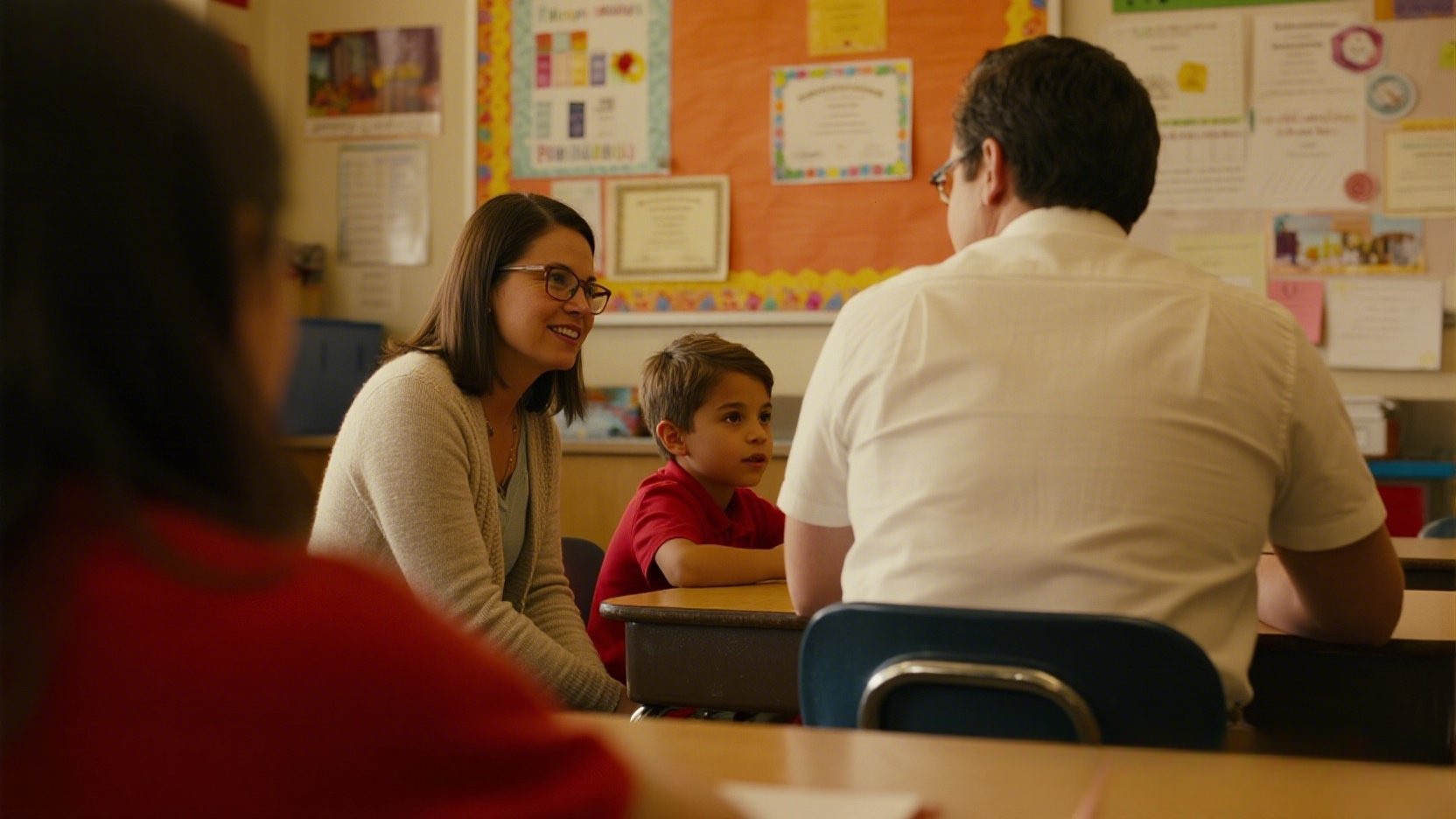
Communicating with Teachers and Administrators
Open communication is key. When you first meet your child’s teacher or the school administration, consider how much you want to share about your family structure. You don’t have to disclose everything at once, but having a plan for how you’ll answer questions is smart. If your child has multiple partners involved in their care, you might want to let the teacher know who the primary contacts are for school-related matters. This helps avoid confusion during parent-teacher conferences or when urgent issues arise. Building trust with the school staff means being reliable and communicative, just like any other parent. Remember, Nichole Gonzalez, a polyamorous parent, believes her lifestyle has enriched her children’s lives by providing them with additional sources of love, care, and support. She states that this approach has made her a better mother. She states this has made her a better mother.
Building Trust with the School Community
Establishing a positive relationship with the school community is similar for all parents, but it might require a bit more intentionality when you have a polyamorous family. Showing up for school events, volunteering when you can, and maintaining consistent communication with teachers and staff helps build that trust. If you encounter any resistance or misunderstanding, try to approach it with patience and a willingness to educate. The goal is to create a supportive environment where your children feel safe and accepted. Finding school acceptance for poly parents often starts with demonstrating that your family is just as invested in your child’s education and well-being as any other. It’s about showing up and being a present, engaged parent, regardless of your relationship structure.
Wrapping It Up
So, bringing polyamory into the school system conversation might seem a bit unusual, but it really just highlights how families come in all shapes and sizes these days. While some folks might worry about how kids will handle it, many poly parents find that being open and honest, and focusing on love and support, works wonders. It’s a reminder that what matters most is a strong, loving home, no matter how many adults are part of that picture. As society keeps changing, hopefully, schools and systems will catch up and be more welcoming to everyone.
Frequently Asked Questions
What exactly is polyamory, and how does it relate to parenting?
Polyamory means having romantic or intimate relationships with more than one person at the same time, with everyone involved knowing and agreeing. It’s not just about sex; it’s about having multiple loving connections. For parents, this can mean a larger support system for both themselves and their children.
How should I explain polyamory to my children?
When talking to kids, it’s best to keep it simple and honest, adjusting the explanation as they get older. You can explain that families come in many forms, and that sometimes grown-ups can love more than one person. The key is to reassure them that they are loved and that these relationships don’t change that.
How do I talk about my polyamorous family to teachers and school administrators?
Communicating with school staff requires deciding how much to share. You can choose to be open about your family structure, especially if the school is known for being inclusive. Alternatively, you can be more discreet, focusing on the primary caregivers for school forms unless otherwise necessary. Building trust with teachers and administrators is important, regardless of how much you disclose.
How can I find a school that is supportive of non-traditional families?
Some schools are more open and inclusive than others. Look for schools that have anti-bias education or that celebrate diverse family structures. Connecting with other polyamorous families can also provide support and advice on navigating the school system.
What are some common challenges polyamorous parents face in the school system?
Challenges can include navigating school forms that assume a two-parent, monogamous structure, and dealing with potential social stigma or judgment from other parents or staff. Legal hurdles might arise if only one parent is legally recognized. It’s important to advocate for inclusivity and ensure your child’s well-being is prioritized.
What are the benefits of having a polyamorous family structure for children?
Polyamory can create a ‘village’ of supportive adults for children. This means kids might have more people to turn to for help, advice, or just a listening ear. It can also mean more people who care about their well-being and celebrate their successes, like birthdays and holidays.
Grow, Laugh, Learn – A Place Where Every Family Story Belongs
Navigating the school system as a polyamorous parent doesn’t have to be isolating. You belong in a community that celebrates love in all its forms and supports your family’s journey. Join a space where open-hearted connection meets shared wisdom — and where you’re never alone. Sign up for your free SwingTowns account today and start exploring your next chapter with confidence and community.
“This is an amazing place to explore and experience. The best online platform for swinging.” -Decentfinder