Love Beyond Borders: BIPOC Polyamory & Breaking Old Rules
It feels like everyone’s talking about relationships differently these days, and honestly, it’s about time. For so long, we’ve been handed this one-size-fits-all idea of love, usually centered around monogamy. But what if that’s not the only way, or even the best way, for everyone? Especially for BIPOC communities, there’s this whole history of relationship structures that got pushed aside. This article is digging into how people, particularly BIPOC folks, are rethinking love, family, and community by embracing polyamory. It’s about breaking down old rules and building something new, something that feels more true to our roots and our modern lives.
Key Takeaways
- Polyamory challenges the idea that monogamy is the only valid relationship structure, often pointing to its roots in colonial history.
- Many BIPOC individuals see polyamory as a way to reconnect with ancestral relationship models and build broader, more resilient family and community networks.
- Within the Black American community, polyamory is discussed as a potential tool for community building, though it faces challenges from social conservatism and underrepresentation.
- Polyamory intersects with identity, allowing BIPOC voices to critique compulsory monogamy and challenge how sexuality has been historically pathologized under colonial frameworks.
- Healthy polyamorous relationships are built on honesty, trust, and a focus on overall personal and relational well-being, extending beyond just sexual connections.
Decolonizing Love: BIPOC Polyamory and the Legacy of Relationship Structures
It’s easy to think of relationship structures as just personal choices, but the truth is, they’re deeply tied to history and power. For many BIPOC communities, the idea of monogamy isn’t just a preference; it’s a legacy of colonial impositions that disrupted existing ways of relating. We’re talking about challenging traditional relationships BIPOC communities have navigated for generations. The current dominant model often overlooks or actively suppresses diverse forms of kinship and connection that existed long before European settlers arrived. This section explores how polyamory can be a way to push back against these historical forces and reconnect with ancestral love and modern relationships.
Challenging Monogamy’s Colonial Roots
Monogamy, as it’s often practiced and enforced, isn’t a neutral or universally natural state. It was actively promoted and legally codified by colonial powers as a way to control land, inheritance, and social order. This imposition often came at the expense of Indigenous and other non-Western relationship models. The idea of a single, lifelong, heterosexual marriage became the bedrock of colonial society, with anything outside of that being labeled as deviant or immoral. This history means that for many, embracing non-monogamy is an act of reclaiming a more expansive understanding of love and partnership, moving away from structures that were used to dispossess and control.
Reclaiming Ancestral Relationship Models
Many cultures, including various Indigenous and African traditions, had relationship structures that were more fluid and community-oriented than the strict monogamy imposed by colonialism. These models often emphasized collective well-being, shared responsibilities, and a broader definition of family. Polyamory, in this context, isn’t necessarily about inventing something new, but rather about rediscovering and adapting principles that were already present. It’s about recognizing that love and commitment can manifest in multiple, healthy ways, reflecting a more diverse human history of connection. This can be a powerful way to honor our ancestors and build futures that are more inclusive.
Settler Colonialism’s Imposition on Intimacy
Settler colonialism didn’t just redraw maps; it redrew the very blueprints of intimacy and family. By prioritizing a nuclear, monogamous family unit, colonial powers often dismantled existing community support systems and kinship networks. This had a profound impact on how people understood their relationships, their sexuality, and their place within society. The emphasis on private property and individual inheritance, often tied to this monogamous structure, further solidified these changes. Understanding this historical context is key to seeing how challenging compulsory monogamy is part of a larger decolonial project, aiming to restore more holistic and community-centered ways of being. It’s about recognizing that the way we love is connected to the way our societies are structured, and that those structures have a history of oppression that needs to be addressed. You can find more information on exploring different relationship styles at a resource for polyamory.
Expanding the Definition of Family and Community
Polyamory as an Act of Resistance
Some folks see polyamory as a way to push back against old ideas about relationships. It’s like saying, “Hey, the way we’ve always done family isn’t the only way, and maybe it’s not even the best way for everyone.” This perspective really connects with the idea of reclaiming older, more communal ways of living that existed before current structures were put in place. It’s about recognizing that family isn’t just a nuclear unit; it can be a much wider network of support and love. This approach challenges the idea that a family must look a certain way, pushing for a broader definition that includes more people and more connections. It’s a move towards a more expansive view of what family can be.
The Village and Collective in Modern Relationships
Think about the old concept of a “village” raising a child. Polyamory can bring that feeling back into modern life. Instead of just two parents, you might have several partners and a wider circle of friends and chosen family who all contribute to raising kids or supporting each other. This creates a stronger support system, offering more role models and different kinds of guidance for everyone involved. It’s about building a community that actively participates in the lives of its members, sharing responsibilities and joys. This collective approach can lead to more robust legacies, as the values and support are passed down through a wider network.
Creating Robust Legacies Through Diverse Kinship
When we open up our ideas about family and relationships, we also open up possibilities for the future. Building relationships with multiple partners and creating chosen families means we’re creating a more complex and resilient network. This diversity in kinship can lead to stronger, more adaptable legacies. It’s not just about passing down traditions, but about passing down a way of being that values connection, honesty, and a broad sense of belonging. This expanded view of family can help create a more supportive and enduring impact for generations to come. It’s a way to build a future where love and support are not limited by narrow definitions. As research suggests, consensual non-monogamy can be just as fulfilling as traditional relationships [e158].
Navigating Polyamory Within the Black American Experience
When we talk about polyamory and the Black American experience, it’s important to acknowledge that this conversation often happens in spaces that are predominantly white. It’s estimated that around 4-5% of adults in the US are openly practicing polyamory, but Black Americans are significantly underrepresented in those numbers. This isn’t to say it doesn’t exist, but rather that visibility and open discussion are different. For many Black Americans, especially those in socially conservative or religiously oriented communities, the concept of polyamory itself might be unfamiliar or even misunderstood. We’re often presented with a very narrow view of relationships, and anything outside of that can be seen as unusual.
Underrepresentation in Polyamorous Communities
It’s pretty common to see polyamorous relationships depicted in media, but almost always, it’s white folks. There aren’t many shows or even YouTube series that show Black families exploring polyamory. This lack of representation means that many Black people who are interested in or practicing ethical non-monogamy for POC might feel isolated. It’s tough to find relatable examples or community when the dominant narrative doesn’t include you. This underrepresentation can make it harder to find support and understanding within broader polyamorous spaces.
Polyamory’s Potential for Community Building
Despite the challenges, there’s a real potential for polyamory to help build stronger communities within the Black American experience. Think about the traditional idea of the village raising a child – polyamory can offer a modern framework for that kind of collective support. It allows for multiple people to share in the joys and responsibilities of life, creating deeper connections and broader support networks. This can be incredibly beneficial for strengthening families and communities, offering different kinds of love and support that can help everyone thrive.
Addressing Social Conservatism and Religious Orientations
This is a big one. Many Black communities have strong ties to religious institutions and traditional family values, which often emphasize monogamy. This can create a conflict for Black individuals who are exploring or practicing polyamory. It’s not about rejecting heritage, but about finding ways to integrate different relationship styles into existing cultural contexts. We need more open conversations that bridge the gap between traditional values and alternative relationship structures. It’s about finding a way to live honestly and love openly without feeling like you have to choose between your identity and your community. Finding affirming spaces, like therapists who understand polyamory and are also culturally competent, can be a game-changer for Black individuals exploring these paths. You can find resources for therapists specializing in polyamory for BIPOC.
“Swingtowns is hands down the best community that I have had the pleasure to be a part of. Would recommend this website to anyone in the lifestyle!” -SlikRik1Ace
Here are some of the benefits people have mentioned:
- Finding more people who share diverse interests and connecting intimately without compromising primary relationships.
- Living honestly and loving multiple people on a deep level.
- Prioritizing relational health, personal growth, and community alongside intimacy.
It’s definitely not always easy, and there are challenges. People practicing polyamory often have to push back against the idea that it’s just about sex or that it’s somehow abnormal. Redefining what respectability looks like in relationships is part of the journey.
The Intersection of Polyamory and Identity
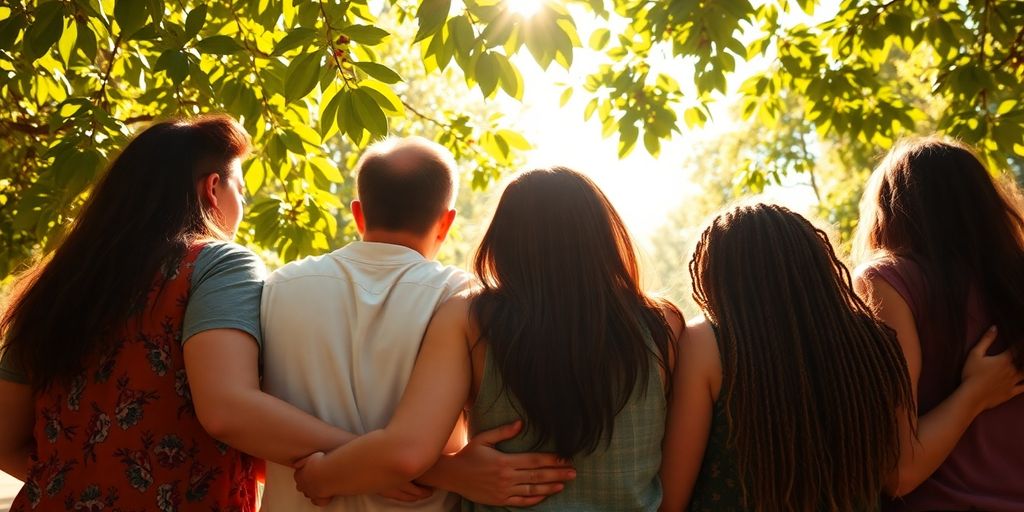
When we talk about polyamory and cultural identity, it’s not just about who we love, but how our backgrounds shape those relationships. For many BIPOC individuals, exploring non-monogamous structures can feel like a reclamation, a way to push back against relationship models that were historically imposed. Think about it: settler colonialism didn’t just redraw maps; it tried to rewrite our very ideas of family and intimacy. This is where intersectional polyamory practices come into play, allowing us to build connections that honor our heritage and personal truths.
BIPOC Voices in Polyamorous Discourse
It’s really important to hear from BIPOC folks directly about their experiences with polyamory. For too long, conversations about relationships have been dominated by a narrow perspective. Hearing diverse voices helps us understand the nuances and challenges specific to different communities. It’s about making sure that polyamorous spaces are inclusive and reflect the reality of the people within them. We need more platforms where these stories can be shared openly, moving beyond generalizations.
Critiquing the Imposition of Compulsory Monogamy
Compulsory monogamy, the idea that everyone should be in a single, lifelong romantic partnership, is often presented as the only ‘normal’ or ‘healthy’ way to love. But this isn’t a universal truth; it’s a social construct, often tied to historical power structures. For many Indigenous communities, for example, monogamy was an imposed system that disrupted ancestral, non-monogamous ways of relating. Challenging this means questioning the systems that tell us there’s only one way to build a family or express love. It’s about recognizing that different relationship structures have always existed and can be valid.
Sexuality as Deviant Under Colonial Frameworks
Colonial powers often labeled and pathologized the sexual and relational practices of the people they colonized. This included viewing non-monogamous relationships as ‘deviant’ or ‘primitive.’ This historical framing continues to influence how alternative relationship styles are perceived today. When we look at polyamory through a critical lens, we can see how these colonial ideas about sexuality and relationships still impact us, pushing us to question what we’ve been taught about what’s acceptable or natural in love and connection. It’s a process of unlearning those imposed norms and embracing a broader understanding of human intimacy. Many neurodivergent and LGBTQIA+ individuals also find that traditional relationship structures don’t fit their experiences, making polyamory a more accessible path to authentic connection.
Here’s a quick look at some common misconceptions versus realities:
| Misconception | Reality |
|---|---|
| Polyamory is just about sex. | It emphasizes emotional connection, communication, and commitment. |
| Polyamory means no jealousy. | Jealousy can occur, but it’s managed through communication and self-awareness. |
| Polyamory is unstable. | Healthy polyamorous relationships can be just as stable as monogamous ones. |
Ultimately, understanding polyamory within the context of identity means acknowledging the diverse ways people love and form families, pushing back against restrictive norms, and creating spaces where everyone’s relationships are respected. It’s about building a more inclusive future for love.
Foundations of Healthy Polyamorous Relationships
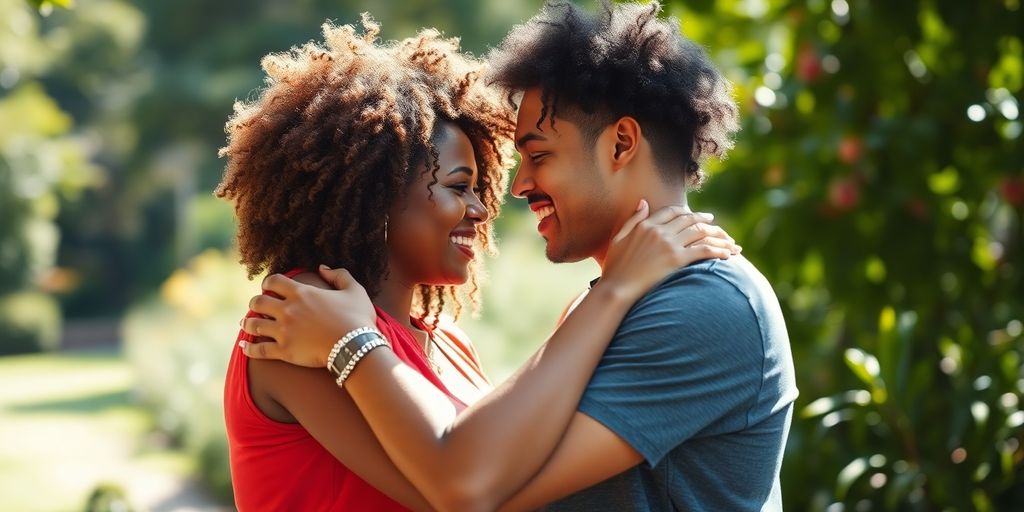
Building healthy polyamorous relationships isn’t all that different from building any other kind of healthy relationship, really. It just has its own unique flavor and requires a bit more intentionality, especially when you’re trying to break away from old ways of thinking about love and family. It’s about creating a structure that works for everyone involved, not just following a script someone else wrote.
Honesty, Trust, and Radical Honesty
This is probably the most talked-about part of polyamory, and for good reason. Being upfront about your feelings, your other relationships, and your intentions is key. It’s not just about not lying; it’s about actively sharing information, even when it’s uncomfortable. This is what people mean by radical honesty – laying it all out there. It builds a strong foundation of trust, which is super important when you have multiple people you care about.
Prioritizing Relational and Personal Health
Think of it like this: you can’t pour from an empty cup, right? Taking care of yourself – your mental, emotional, and physical well-being – is non-negotiable. This also extends to your relationships. Are your connections growing and healthy, or are they stagnant? It means checking in with yourself and your partners regularly. What’s working? What’s not? It’s a continuous process of adjustment and care.
Beyond a Sexually Focused Interpretation
Sometimes people get the wrong idea and think polyamory is just about having a lot of sex. While intimacy and sex can be a part of it, it’s definitely not the whole story. Polyamory is about deep connections, emotional intimacy, shared lives, and building community. It’s about loving multiple people on a deep level, which can look very different for everyone. It’s about the whole package of human connection, not just the physical side.
Breaking Down Stigma and Misconceptions
Polyamory as a Movement, Not a Fad
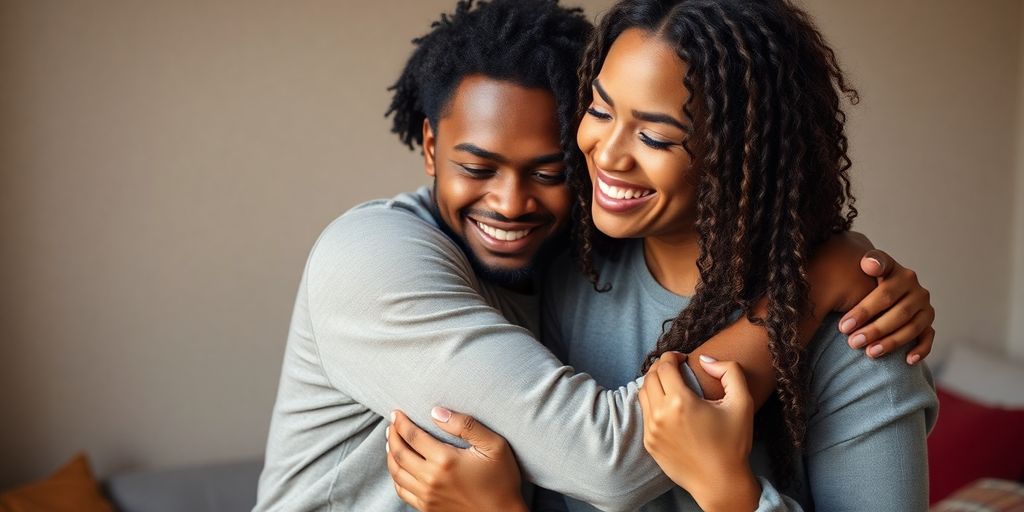
It’s easy for people to dismiss polyamory as just a phase or a trend, especially when it’s portrayed in a shallow way on TV or social media. But honestly, for many of us, it’s a deeply considered way of living and loving. It’s about building relationships based on honesty and open communication, not just about having multiple partners. This isn’t about chasing a thrill; it’s about a commitment to authentic connection. We’re trying to move past old ideas that don’t really serve us anymore, creating something more inclusive and real.
Dispelling Myths on Television and Social Media
Let’s be real, the way polyamory shows up in popular culture can be pretty wild. It’s often shown as chaotic, drama-filled, or purely sexual. This just isn’t the reality for most people practicing ethical non-monogamy. The constant misrepresentation makes it hard for people to understand what it’s actually like. It’s like people see a caricature and think that’s the whole story. We need more accurate portrayals that show the work, the communication, and the genuine love involved. It’s about building strong, healthy relationships, not just a bunch of hookups.
The Importance of Poly 101 Education
Because of widespread myths and limited clear info, education is crucial—like a Poly 101 class. When people learn the basics—consent, communication, managing jealousy—they begin to understand polyamory without fear or judgment. Accessible education reduces stigma and empowers folks to make informed choices about their relationships. It also provides tools for building healthy poly lives or simply being more accepting of others. For Black Americans, who’ve faced systemic oppression and institutional mistrust, having affirming spaces and accurate information is especially important. Learning about nontraditional relationship structures can help reclaim agency and strengthen community ties, especially where traditional ones have been disrupted. For many BIPOC individuals, finding therapists who affirm their identities and relationship choices is a critical part of this journey. Overall, education isn’t just about information—it’s about creating freedom, safety, and possibility for people navigating love and identity on their own terms.
Here’s a quick look at some common misconceptions versus reality:
| Misconception | Reality |
|---|---|
| Polyamory is just about sex. | It’s about deep emotional connections, commitment, and often, family building. |
| Polyamorous people are greedy or can’t commit. | It requires a high level of communication, honesty, and commitment to multiple people. |
| Polyamory is inherently unstable. | Like any relationship structure, stability depends on the individuals involved and their communication skills. |
| Polyamory is a phase. | For many, it’s a long-term, fulfilling relationship orientation. |
Moving Forward, Together
It’s clear that the conversation around polyamory, especially within BIPOC communities, is growing. People like Christopher Smith, Robyn Trask, and Ruby Bouie Johnson are showing us that love and family structures can be much broader than the old rules suggest. This isn’t just about dating or sex; it’s about rethinking how we connect, build community, and create families that truly reflect who we are. As more voices share their experiences, we’re seeing a shift away from narrow definitions and towards a more open, honest way of relating. It’s a journey, for sure, and there’s still a lot of unlearning to do, but the energy is there for something different, something more inclusive.
Frequently Asked Questions
What exactly is polyamory?
Polyamory means having loving, intimate relationships with more than one person at the same time, with everyone involved knowing and agreeing. It’s about building connections with multiple people, not just about sex.
How is polyamory connected to challenging old relationship rules?
Some people believe that traditional one-partner relationships (monogamy) were forced on communities by historical rulers and that polyamory is a way to return to older, more natural ways of forming families and communities that existed before colonization.
Are there many Black, Indigenous, and People of Color (BIPOC) involved in polyamory?
Yes, many Black and other Brown people are exploring polyamory. They are finding that it can be a way to build strong support systems and create chosen families that feel more like the ‘village’ concept found in many ancestral cultures.
How can polyamory help build stronger communities?
Polyamory can be a way to build wider support networks. Instead of relying on just one or two people, you can have a larger ‘family’ or community that offers different kinds of love, support, and guidance.
What are the most important things for healthy polyamorous relationships?
Being honest, trusting each other, communicating openly, and respecting everyone’s feelings are super important. It’s also about taking care of yourself and your relationships, not just focusing on physical intimacy.
What are some common myths about polyamory, and how can we fix them?
Misconceptions often show polyamory as just about sex or as a way to cheat. In reality, it’s about honest, consensual relationships with multiple partners. Education helps clear up these misunderstandings.
Freedom to Love – Where Boundaries Fade and Connection Thrives
Step into a space where love knows no limits and your story matters. Here, BIPOC voices lead the way in rewriting the rules, embracing joy, and building community through authentic, non-monogamous connection. Join a vibrant network of explorers who celebrate every shade of identity and desire. Sign up for a free SwingTowns account today to begin your journey beyond borders.
“The Swingtowns community has been a major source of inspiration for many years now and has become one of the most popular destinations for swing communities” -Thunderdicka