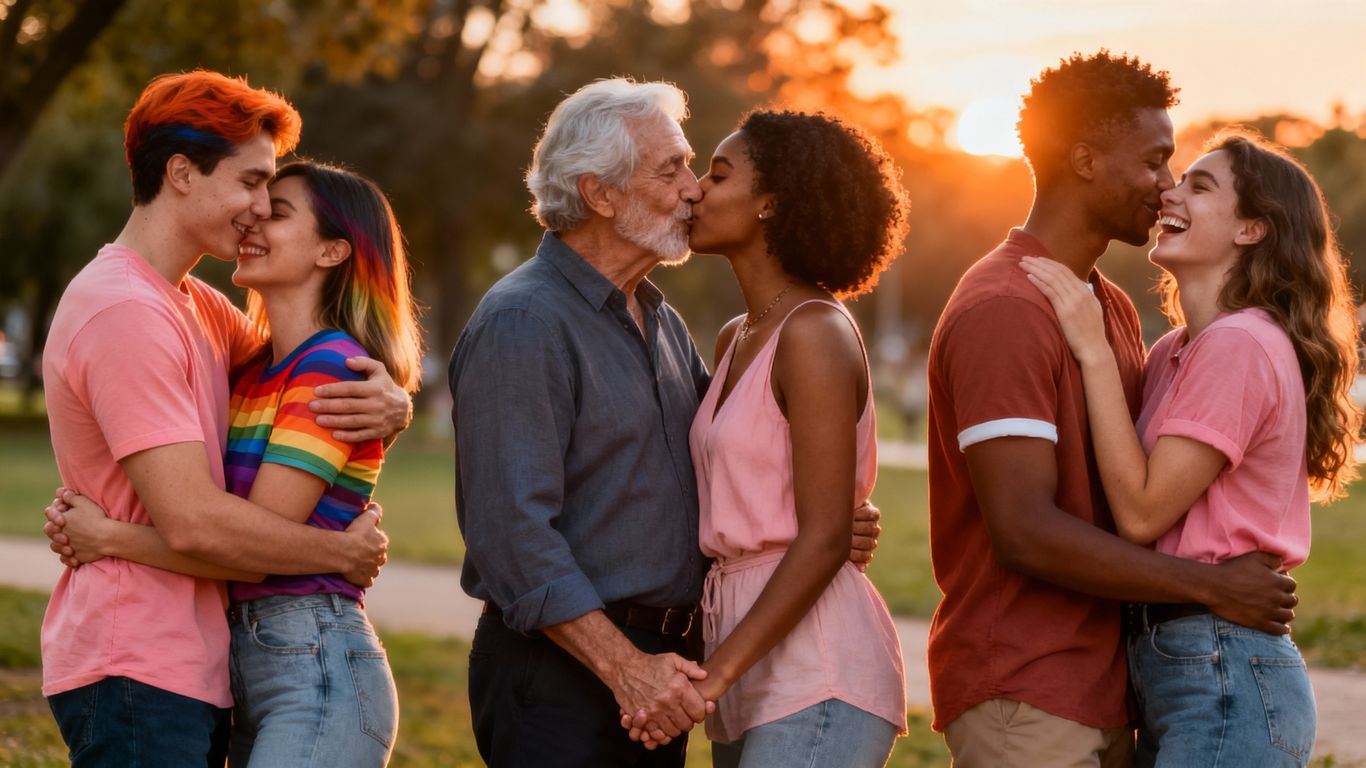
Exploring Vee Relationships: How Love Moves in Many Directions
Love can be a complicated thing, and sometimes it doesn’t fit neatly into the boxes we’re used to. You might have heard of polyamory, which is basically when people have more than one romantic relationship at the same time. Within that, there are different ways relationships can be set up. One of these is called a vee relationship. It’s a three-person setup where one person is connected to two other people, but those two other people aren’t really romantically involved with each other. It’s a way love can flow in more than one direction, and we’re going to explore The Dynamics of a Vee Relationship: How Love Flows in Multiple Directions.
Key Takeaways
- A vee relationship involves three people, with one person (the pivot) dating two others who are not romantically involved with each other.
- Vee relationships can be open or closed, meaning partners may or may not have relationships outside the vee structure.
- Open communication and trust between all parties, including metamours (partners’ partners), are vital for a healthy vee dynamic.
- Navigating emotions like jealousy and cultivating compersion (joy in a partner’s happiness with others) are common aspects of vee relationships.
- Starting conversations about non-monogamy, seeking information, and connecting with the polyamorous community can help in exploring or building a vee relationship.
Understanding The Vee Relationship Structure

Defining The Vee Dynamic
A vee relationship is a specific kind of non-monogamous setup involving three people. Think of it like a Y-shape. One person, let’s call them the ‘pivot’ or ‘hinge,’ is romantically involved with two other people. However, those two other people are not romantically involved with each other. They might know each other, be friends, or even have a casual physical connection, but the romantic core of the relationship is between the pivot and each of the other two individuals separately. It’s all about consent and clear communication, making sure everyone involved knows where they stand.
The Pivot Partner’s Role
The person at the center of the vee, the pivot, has a pretty unique position. They’re the connector, the one who has a romantic relationship with both other people in the dynamic. This means they often carry a significant emotional load, managing the needs and feelings of two separate partners. It’s not just about being in two relationships; it’s about actively maintaining the connection with each person and also facilitating any connection (or lack thereof) between those two people. This role requires a lot of emotional energy and excellent communication skills. They are the bridge, and bridges need to be strong and well-maintained.
Distinguishing Vee From Triads
It’s easy to mix up a vee with a triad (or throuple), but there’s a key difference. In a triad, all three people are romantically involved with each other. So, Person A is with Person B, Person B is with Person C, and Person C is with Person A, all romantically. In a vee, only the pivot partner is romantically involved with both others. The other two partners (the ‘arms’ of the vee) do not have a romantic connection with each other. It’s like a starburst pattern versus a fully connected triangle. Knowing this distinction is super important for setting expectations and understanding the relationship dynamics at play.
Navigating Open and Closed Vee Configurations
So, you’ve got this Vee relationship going on, and it’s not just one size fits all, you know? Just like any connection, there are different ways it can play out. We’re talking about open versus closed setups here, and it really changes the whole vibe.
Exploring Open Vee Dynamics
An open Vee means that at least one person in the relationship has partners outside of the core Vee structure. This can get pretty interesting. Maybe the pivot partner is seeing other people, or maybe one of the other partners has a whole separate life going on. The key here is that everyone involved is aware and consenting to these outside connections. It’s about managing multiple relationships, and it requires a lot of communication. Think of it like a tree with branches – the main trunk is the Vee, but there are other limbs reaching out.
Understanding Closed Vee Arrangements
Now, a closed Vee is a bit more contained. In this setup, everyone within the Vee structure is only involved with each other. No outside romantic or sexual partners. It’s like a cozy little world for the three of you. This doesn’t mean it’s simple, though. You still have to figure out how to balance the needs and desires of three people, but the boundaries are clearer because they’re all within that specific group.
Balancing Monogamy Within A Vee
It’s totally possible to have monogamous people within a Vee. For example, one person in the Vee might be monogamous with the pivot, while the pivot is also dating the other person in the Vee. Or, one of the non-pivot partners might be monogamous with the pivot, and the other non-pivot partner might be single or dating others. This can get complicated, and it’s where clear agreements and honest talks become super important. You have to make sure everyone’s on the same page about what “monogamy” means in your specific situation.
Here’s a quick look at how these can differ:
| Configuration | Description |
|---|---|
| Open Vee | At least one person has partners outside the Vee. |
| Closed Vee | All partners in the Vee are exclusively involved with each other. |
| Mixed Vee | Some partners are monogamous within the Vee, others may have outside ties. |
“This is an amazing place to explore and experience. The best online platform for swinging.” -Decentfinder
Communication and Connection in Vee Relationships
Okay, so you’ve got this Vee thing going on. One person is connected to two others, but those two aren’t really romantically involved with each other. Sounds simple enough, right? Well, like any relationship, especially ones that aren’t the standard one-plus-one setup, it really hinges on how well everyone talks to each other. Good communication in multi-partner relationships isn’t just a nice-to-have; it’s pretty much the engine that keeps things running smoothly.
The Importance of Open Dialogue
Think of it like this: if you’re building something, you need a solid blueprint and constant check-ins, right? That’s what open dialogue is for your Vee. It means being honest about your feelings, your needs, and your boundaries, even when it feels a little awkward. It’s about creating a space where everyone feels heard and understood. This isn’t just about the main person in the middle; it’s about everyone involved feeling secure.
Building Trust Between Metamours
Your metamours – that’s your partner’s other partner – might not be your romantic focus, but they’re still a part of your extended relationship circle. Building trust with them is super important. It doesn’t mean you have to be best friends, but having a friendly, respectful connection makes everything easier. Maybe you check in with them occasionally, or just make sure you’re both on the same page about how things work.
Here’s a little list of things that can help build that metamour trust:
- Be upfront about your intentions and feelings.
- Respect each other’s time and space with your shared partner.
- Avoid talking negatively about one metamour to the other.
- Celebrate each other’s successes and happiness.
Prioritizing Partner Communication
This one might seem obvious, but it’s easy to let it slide when life gets busy. You’ve got two connections to nurture, and the person in the middle has to juggle communication with both of their partners, and ideally, those partners should feel comfortable communicating with each other too. Regular check-ins, even short ones, can make a huge difference. It’s about making sure everyone feels like a priority, not an afterthought. Consistent, honest communication is the bedrock of any healthy Vee relationship.
“I am enjoying swingtown and the way it is run. Hope to meet some great people who enjoy healthy sexy fun together. Life is tooo short not to.” -teaser71902
The Emotional Landscape of Vee Dynamics

Relationships, especially those with multiple partners like a Vee, can bring up a whole spectrum of feelings. It’s not always sunshine and rainbows, and that’s okay. Understanding polyamory dynamics means acknowledging that things like jealousy and insecurity can pop up, even when everyone is trying their best.
Addressing Jealousy and Insecurity
Jealousy often stems from a fear of loss or not being enough. In a Vee, this might look like the two ‘outer’ partners feeling insecure about the pivot’s connection with the other, or even the pivot feeling stretched too thin. It’s about recognizing these feelings without letting them take over. Openly talking about these fears is key. Sometimes, it’s helpful to remind yourselves of what makes each connection unique and special. What does the pivot bring to each relationship? What do the outer partners bring to the pivot’s life and to each other’s?
- Identify the root cause: Is it a fear of abandonment, comparison, or something else?
- Communicate your feelings: Use “I” statements to express how you feel without blaming.
- Seek reassurance: Ask for what you need, whether it’s more quality time or specific affirmations.
- Focus on compersion: Try to shift your focus to the joy your partner experiences with others.
Cultivating Compersion and Joy
Compersion is that wonderful feeling of happiness for your partner’s happiness with someone else. It’s like the opposite of jealousy. In a Vee, this can be a really beautiful thing to experience. When the pivot is genuinely happy with one partner, and the other partner can share in that joy, it strengthens the whole dynamic. It takes practice, for sure. It’s about celebrating each person’s individual connections and the unique bonds that form.
Navigating Evolving Needs
People change, and so do their needs within relationships. What worked for your Vee dynamic a year ago might not work now. One partner might start wanting more time with the pivot, or perhaps the two outer partners develop a closer friendship. Being flexible and willing to adapt is super important. Regular check-ins about how everyone is feeling and what they need can prevent misunderstandings and keep the relationships healthy and growing. It’s a continuous process of learning and adjusting together.
Practical Steps Towards Embracing Vee

So, you’re curious about the Vee relationship structure and thinking about exploring it for yourself. That’s awesome! It’s a unique way to connect with people, and like anything new, it takes a bit of thought and planning. Instead of jumping in headfirst, take time to be intentional. The goal is to make sure everyone involved feels good about the experience.
Initiating Conversations About Non-Monogamy
Starting the conversation about non-monogamy, especially if you’re currently in a monogamous relationship, can feel like a big step. It’s not about presenting a done deal, but more about opening a dialogue. Think about how you’d introduce a new idea to a friend – you’d probably gauge their interest first, right? You could try something like, “I was listening to this podcast about different kinds of relationships, and it got me thinking. Would you be open to chatting about it sometime?” Or maybe, “I read an interesting article about ethical non-monogamy, and I’d love to get your take on it.” The key is to make it a shared exploration, not a demand. It’s about seeing if your partner is even curious about the topic. You might find they’re more open than you expect, or maybe they have questions of their own. This is where you start building the foundation for any potential Vee relationship type.
Seeking Knowledge and Resources
Once you’ve opened the door to the conversation, the next logical step is to learn more. There are tons of resources out there, from books and articles to podcasts and online forums. Don’t feel like you have to become an expert overnight, but getting a better grasp of polyamory and different relationship structures is super helpful. It’s like preparing for a trip – you wouldn’t just show up at the airport without a clue, right? You’d look up the destination, figure out the best way to get there, and pack accordingly. Doing your homework helps you understand the potential joys and challenges. It’s also a great way to find language and concepts that help you articulate your own feelings and desires.
Connecting With The Polyamorous Community
Sometimes, hearing from people who are actually living these relationship styles can be incredibly insightful. Connecting with the polyamorous community, whether online or in person, can offer a different perspective. You can hear firsthand experiences, ask questions in a safe space, and realize you’re not alone in this journey. It’s like finding a group of people who speak your language. They’ve been there, they’ve figured some things out, and they can offer support and advice. This community can be a source of inspiration and practical tips, helping you feel more confident as you move forward.
Here are a few things to keep in mind as you explore:
- Honesty is key: Always be truthful with yourself and your partners about your feelings and intentions.
- Patience is a virtue: Building new relationship dynamics takes time. Don’t rush the process.
- Self-reflection is ongoing: Regularly check in with yourself about your needs and boundaries.
- Respect boundaries: Always honor the boundaries set by yourself and your partners.
“Really enjoying Swingtowns a lot! Very easy to use the app and lots of great people too.” -KarandBri1970
Challenges and Growth in Vee Relationships
So, you’re exploring ethical non-monogamy and thinking about vee partnerships. That’s awesome! But like any relationship, vee dynamics come with their own set of bumps in the road. It’s not always sunshine and rainbows, and that’s totally okay. The key is how you handle those tricky bits.
Accepting Imperfection and Mistakes
Look, nobody’s perfect, right? In a vee setup, where you have three people with different needs and feelings, mistakes are bound to happen. Maybe you misread a text, forgot an important date, or said something that landed wrong. It’s how you recover from these moments that really matters. Instead of dwelling on who messed up, focus on what you can learn. Did you forget a date because you overcommitted? That’s a sign to re-evaluate your schedule. Did a comment come across harsh? It’s a chance to practice more mindful communication.
Managing Time and Commitments
This is a big one for anyone practicing ethical non-monogamy. With a vee, you’ve got at least two distinct relationships to nurture, plus your own personal life. It can feel like a juggling act, and sometimes, you might drop a ball. It’s not about being a superhero who can be everywhere at once. It’s about being realistic.
Here are some things to consider:
- Prioritize quality over quantity: A short, focused, and present conversation is often better than a long, distracted one.
- Schedule check-ins: Just like you’d schedule dates, schedule time to talk about how things are going with everyone involved.
- Be honest about your capacity: It’s better to say “I can’t right now” than to overpromise and underdeliver.
Societal Perceptions and Acceptance
Let’s be real, not everyone ‘gets’ non-monogamy, let alone a vee structure. You might face questions, judgment, or even outright disapproval from friends, family, or coworkers. This can be draining. It’s important to build a strong support system, whether that’s within the polyamorous community or with open-minded friends.
“I’ve been looking for a fun community who share the same interests as I do, and most have failed to meet my expectations. But SwingTowns by far has had the most fun engagements with REAL people, much more than anywhere else I’ve found. Most people on here have been fun, sexy, engaging, and willing to help a young buck learn the ropes of this lifestyle.” -Johncarpenter
Ultimately, the challenges in vee relationships are opportunities for growth. They push you to be a better communicator, a more empathetic partner, and a more self-aware individual. Embracing these challenges is where the real benefits of vee partnerships shine through.
Wrapping It Up
So, we’ve talked about vee relationships, which are just one way people can love more than one person at a time. It’s not a one-size-fits-all thing, and what works for one group might not work for another. The main takeaway here is that honesty, talking things through, and being real about what everyone needs are super important, no matter what kind of relationship you’re in. It’s all about finding what feels right for you and the people you care about, and that journey looks different for everyone. It’s pretty cool how love can show up in so many different ways, right?
Frequently Asked Questions
What exactly is a vee relationship?
Think of a vee relationship like a Y shape. One person is at the center, connected to two other people. These two other people are not romantically involved with each other, but they both have a connection with the person in the middle. The person in the middle is often called the ‘pivot’ or ‘hinge’ partner.
How is a vee different from a triad?
In a vee, only one person is romantically involved with both other people. In a triad (or throuple), all three people are romantically involved with each other. So, in a vee, it’s like a chain: A is with B and A is with C, but B and C don’t have a romantic thing going on. In a triad, A is with B, B is with C, and A is with C – everyone is connected romantically.
Can people in a vee relationship see other people outside the vee?
Yes, they can! Some vee relationships are ‘open,’ meaning the people involved might have other partners outside of the vee. Other vee relationships might be ‘closed,’ where everyone in the vee is only dating within that specific group. Sometimes, one person in the vee might be monogamous while the others are not, making it a mix.
What’s the most important thing in a vee relationship?
Communication is super important! Just like any relationship, talking openly and honestly helps everyone feel secure and understood. It’s also key for the two people who aren’t dating each other (the ends of the Y) to build some kind of connection, even if it’s just friendly, so they can support the person in the middle.
What if I feel jealous in a vee relationship?
Jealousy is a normal feeling, and it can pop up in any kind of relationship, including vees. The best way to handle it is to talk about it openly with your partner(s). Understanding where the jealousy comes from and working together to find solutions can help build trust and make the relationship stronger.
Is it hard to manage time in a vee relationship?
It can be! Juggling the time and attention for multiple partners takes planning. It’s important to be organized and communicate clearly about schedules and needs. Many people find that making dedicated time for each partner, as well as for themselves, is crucial for keeping things balanced and happy.
Exploring Vee Relationships – Where Love Flows in Every Direction
Discover a space where every connection opens new possibilities and love moves beyond limits. Here, you’ll find people who celebrate openness, honesty, and shared exploration in all its beautiful forms. Join the conversation, connect with others who understand, and see where your journey takes you. Sign up for a free SwingTowns account today and begin your adventure in authentic connection.
“The best LS site for sure! Real people, easy to navigate, love it!” -Tlove799