Attachment Styles in Vee Polyamory: How You Love and Connect
Navigating love when you’re into polyamory can feel like a whole different ballgame, especially when you’re in a Vee setup. A Vee relationship is where one person dates two other people who don’t date each other. It’s like a V shape, with the point person in the middle. This kind of setup, like any relationship, can be influenced by how we tend to connect with people, which is basically our attachment style. Understanding your attachment style, and how it plays out in your Vee polyamory, is super important for making things work smoothly. It helps you figure out why you react certain ways and how to build stronger bonds with everyone involved. It’s all about understanding yourself and your partners better.
Key Takeaways
- Vee polyamory involves one person dating two others who are not romantically involved with each other, forming a ‘V’ shape.
- Attachment styles, like secure, anxious, avoidant, and disorganized, significantly impact how individuals connect and behave within relationships, including Vee polyamory.
- Secure attachment in a Vee setup means building trust, communicating openly, and fostering healthy connections with both partners.
- Anxious attachment might lead to seeking constant reassurance and managing jealousy, while avoidant attachment could involve balancing independence with intimacy.
- Disorganized attachment may present as conflicting needs, requiring healing and creating predictable interactions to feel safe.
Understanding Attachment Styles in Vee Polyamory

Defining Vee Polyamory
Vee polyamory is a specific relationship structure where one person, let’s call them the hinge, is romantically involved with two other individuals who are not romantically involved with each other. Think of it like the letter ‘V’ – the hinge is at the bottom, connected to two separate points at the top. This setup creates a unique dynamic, as the hinge is the central connection point for both relationships. It’s important to remember that the two partners of the hinge don’t have a romantic or sexual connection with one another. This means the hinge has distinct relationships with each partner, and those partners only interact with the hinge, not each other romantically. This structure is different from a triad, where all three people are involved with each other. Understanding this setup is the first step to exploring how attachment styles play out within it. It’s a relationship architecture that requires clear communication and intentionality from everyone involved, especially the hinge partner who manages two separate connections. For more on this structure, you can look into the vee Relationship Type architecture.
The Spectrum of Attachment
Attachment styles, developed in early childhood, describe how we connect with others in intimate relationships. They’re not rigid boxes, but rather a spectrum that influences how we seek comfort, express affection, and handle closeness or distance. In any relationship, including polyamorous ones, these styles shape our expectations and behaviors. We often see three main styles emerge: secure, anxious, and avoidant. Sometimes, a fourth, disorganized style, is also discussed. Each style comes with its own set of tendencies and potential challenges, especially when navigating the complexities of multiple relationships. It’s like having an emotional blueprint that guides how we build and maintain connections.
- Secure Attachment: People with this style generally feel comfortable with intimacy and independence. They trust their partners and believe they are worthy of love.
- Anxious Attachment: This style often involves a fear of abandonment and a strong desire for closeness. People might worry about their partner’s feelings and seek constant reassurance.
- Avoidant Attachment: Those with this style may feel uncomfortable with too much closeness and tend to value independence. They might pull away when relationships become too intense.
- Disorganized Attachment: This style can be a mix of anxious and avoidant behaviors, often stemming from inconsistent or frightening early experiences.
Attachment Styles and Relationship Dynamics
In a vee polyamorous setup, attachment styles can significantly influence how relationships function. The hinge partner, connecting two separate individuals, has a unique role. They need to manage their own attachment needs while also being attuned to the needs of their two partners, who may have very different attachment patterns. For example, an anxious partner might need more frequent check-ins, while an avoidant partner might need more space. The hinge has to find a way to balance these potentially conflicting needs. Meanwhile, the two partners of the hinge, who don’t have a direct relationship with each other, might still be aware of each other’s existence. Their own attachment styles can affect how they feel about this dynamic, whether they feel secure, jealous, or indifferent towards the other partner. Open and honest communication about these styles and needs is absolutely key to making a vee polyamorous relationship work. It’s about understanding your own emotional patterns and how they interact with your partners’ patterns, creating a more stable and fulfilling connection for everyone involved. This requires a willingness to be vulnerable and to actively listen to your partners’ experiences.
Secure Attachment in Vee Polyamory

Having a secure attachment style in any relationship is pretty great, and it’s definitely a big plus when you’re exploring polyamory, especially in a vee dynamic. It means you generally feel good about yourself and your connections with others. You’re not constantly worried about being abandoned or feeling like you’re not good enough. This makes building trust and safety in your relationships much smoother.
Building Trust and Safety
When you have a secure attachment, you tend to believe that your partners are reliable and that they care about you. This makes it easier to be open and honest, which is super important in polyamory. You’re more likely to assume good intentions from your partners, even when things get a little complicated. This foundation of trust allows for a more relaxed and enjoyable experience for everyone involved. It’s about feeling confident that your relationships can handle challenges without falling apart.
Effective Communication Strategies
People with secure attachment styles are usually pretty good at talking about their feelings and needs. They can express themselves clearly without being overly demanding or shutting down. In a vee polyamory setup, this means you can talk to your partners about what you want, what you’re feeling, and what your boundaries are. You’re also more likely to listen well when they share their own stuff. This kind of open dialogue is key to making sure everyone feels heard and respected.
Here are some communication tips that work well with secure attachment:
- Be direct about your feelings and needs.
- Listen actively to your partners without interrupting.
- Ask clarifying questions to make sure you understand.
- Express appreciation for your partners’ efforts.
Nurturing Healthy Connections
Secure attachment in poly relationships means you can enjoy your connections without excessive worry. You can be independent and also enjoy intimacy. You’re comfortable with your partners having other relationships because you trust that your own connection is solid. This allows for a more balanced approach, where you can give and receive love freely without the constant fear of loss. It’s about creating relationships where everyone feels secure and valued for who they are.
“This is an amazing place to explore and experience. The best online platform for swinging.” -Decentfinder
Anxious Attachment in Vee Polyamory
When we talk about anxious attachment in vee polyamory, we’re looking at a specific way people connect and feel secure, or sometimes insecure, within these relationship structures. It’s not about being ‘clingy’ or ‘needy’ in a bad way, but more about a deep-seated desire for closeness and a fear of being left alone. In a vee, where one person (the hinge) has two separate partners who don’t date each other, this can bring up unique challenges for someone with an anxious attachment style.
Navigating Insecurity and Reassurance
People with anxious attachment often worry about their partner’s feelings and commitment. In a vee polyamory setup, this can mean feeling a bit unsure about where they stand, especially if they see their hinge partner spending time with their other partner. It’s like constantly checking if the connection is still strong. The key here is finding ways to get reassurance that feels genuine and consistent. This doesn’t mean demanding constant attention, but rather seeking clear communication about feelings and intentions. It might look like:
- Regular check-ins with the hinge partner about their feelings for you.
- Discussing what ‘quality time’ looks like for you and how it can be met.
- Understanding that reassurance isn’t a one-time fix, but an ongoing process.
“I am enjoying swingtown and the way it is run. Hope to meet some great people who enjoy healthy sexy fun together. Life is tooo short not to.” -teaser71902
Managing Jealousy and Fear of Abandonment
Jealousy and the fear of abandonment are common themes for those with anxious attachment, and vee polyamory can sometimes amplify these feelings. Seeing the hinge partner invest time and energy into another relationship can trigger worries about being replaced or not being ‘enough’. It’s important to remember that jealousy is a signal, not necessarily a sign of doom. For anxious attachment vee polyamory dynamics, managing these feelings involves:
- Identifying the root of the jealousy: Is it a fear of loss, a feeling of inadequacy, or something else?
- Communicating these feelings openly and calmly to the hinge partner, focusing on your needs rather than accusations.
- Developing coping mechanisms that don’t rely solely on the hinge partner’s actions, such as engaging in self-care or connecting with other supportive people.
Developing Self-Soothing Techniques
Ultimately, the most powerful tool for someone with anxious attachment in any relationship, including vee polyamory, is the ability to self-soothe. This means learning to manage difficult emotions and feelings of insecurity without immediately needing external validation. It’s about becoming your own source of comfort and security. Some ways to practice this include:
- Mindfulness and meditation: Practicing being present with your emotions without judgment.
- Journaling: Writing down your feelings to process them and gain perspective.
- Engaging in activities that bring joy and a sense of accomplishment: This builds self-esteem and reminds you of your own worth outside of your relationships.
It takes practice, and it’s okay to ask for support from your partners or a therapist as you build these skills. The aim is to feel more secure within yourself, which then allows for healthier, more balanced connections in your vee polyamorous relationships.
Avoidant Attachment in Vee Polyamory
People with an avoidant attachment style often value their independence. In the context of a vee polyamory setup, this can mean they might feel a bit overwhelmed if they perceive too much demand on their time or emotional energy from their partners. It’s not that they don’t care; it’s more about how they process connection and closeness. They might naturally pull back when things get too intense, needing space to recharge.
Balancing Independence and Intimacy
Finding that sweet spot between needing personal space and maintaining close bonds is key for those with avoidant attachment in vee polyamory. It’s about recognizing that both independence and intimacy are important, and they don’t have to be mutually exclusive. Communicating these needs clearly is the first step. This might involve setting expectations about alone time or how often check-ins happen. It’s a delicate dance, for sure.
Addressing Fears of Enmeshment
Enmeshment, or feeling like your boundaries are being blurred, can be a big trigger for someone with an avoidant attachment style. In a vee, where one person connects to two others who don’t necessarily connect with each other, the potential for feeling ‘too close’ or ‘too involved’ can arise. This isn’t about rejecting partners, but about managing one’s own internal sense of self and autonomy. It’s helpful to remember that in polyamory, especially a vee, partners often have separate relationships and lives, which naturally creates some distance.
Cultivating Emotional Availability
This is often the trickiest part. For avoidant attachment polyamory dynamics, becoming more emotionally available doesn’t mean becoming someone you’re not. It’s about learning to express needs and feelings in ways that feel manageable. This could look like:
- Scheduled ‘deep talks’: Instead of expecting spontaneous emotional outpourings, agree on times to connect and discuss feelings.
- Using ‘I’ statements: Focusing on your own feelings and needs, like “I feel overwhelmed when…” rather than “You always…”
- Practicing small gestures: Showing affection or care in ways that feel comfortable, even if they’re brief.
“Really enjoying Swingtowns a lot! Very easy to use the app and lots of great people too.” -KarandBri1970
Disorganized Attachment in Vee Polyamory
Disorganized attachment, often stemming from inconsistent or frightening early caregiving experiences, can show up in complex ways within the unique landscape of vee polyamory relationship dynamics. People with this attachment style might swing between wanting intense closeness and pushing partners away, creating a push-and-pull that can be confusing for everyone involved. This internal conflict makes consistent, predictable interactions a real challenge.
Understanding Conflicting Needs
In a vee polyamory setup, where one person (the hinge) is connected to two others who aren’t connected to each other, a disorganized attachment style can manifest as a constant internal battle. You might crave deep connection with both partners, wanting to be fully present and available. Yet, at the same time, the fear of abandonment or engulfment can trigger a strong urge to withdraw or create distance. This can lead to behaviors that seem contradictory, like seeking reassurance one moment and then pulling away the next when that reassurance feels overwhelming.
- Intense desire for connection: A deep longing to be loved and accepted by both partners.
- Fear of engulfment: A feeling that getting too close will lead to a loss of self.
- Fear of abandonment: A persistent worry that partners will leave, often triggered by perceived slights or distance.
- Confusing communication: Sending mixed signals, making it hard for partners to know where they stand.
“I’ve been looking for a fun community who share the same interests as I do, and most have failed to meet my expectations. But SwingTowns by far has had the most fun engagements with REAL people, much more than anywhere else I’ve found. Most people on here have been fun, sexy, engaging, and willing to help a young buck learn the ropes of this lifestyle.” -Johncarpenter
Healing Past Wounds
Healing from disorganized attachment isn’t about erasing the past, but about learning to manage its impact on present relationships. For those in vee polyamory, this means working on self-regulation and developing a more coherent sense of self. It involves recognizing the patterns of behavior that stem from past trauma and actively choosing different responses. This might mean seeking out therapy, practicing mindfulness, or engaging in self-compassion exercises. Building trust with partners, even when it feels difficult, is a key part of this process. Learning to communicate needs clearly, even when they feel conflicting, is also vital. It’s about creating a sense of safety within yourself first, which then allows for safer connections with others. This journey is a significant part of understanding polyamory.
Creating Predictable and Safe Interactions
In vee polyamory, where the hinge partner is central, creating predictability and safety is paramount for someone with a disorganized attachment style. This doesn’t mean rigid rules, but rather consistent communication and reliable actions. It involves:
- Establishing clear communication channels: Agreeing on how and when to discuss feelings, concerns, and needs. This might include regular check-ins with each partner individually and, if appropriate, as a group.
- Setting realistic expectations: Understanding that fluctuations in emotional availability are possible, but that partners will strive to be present and communicative.
- Practicing self-soothing techniques: Developing personal strategies to manage anxiety and distress when it arises, rather than immediately relying on partners for external validation.
- Building trust through consistency: Showing up reliably, following through on commitments, and being honest about intentions, even when it’s uncomfortable.
This approach helps to build a foundation of security, allowing the individual to feel more grounded and less likely to fall into old patterns of push-and-pull. It’s about creating a relational environment where vulnerability is met with understanding and where the inherent complexities of multiple relationships can be navigated with greater ease.
Vee Polyamory and Attachment Styles: Understanding Your Emotional Blueprint
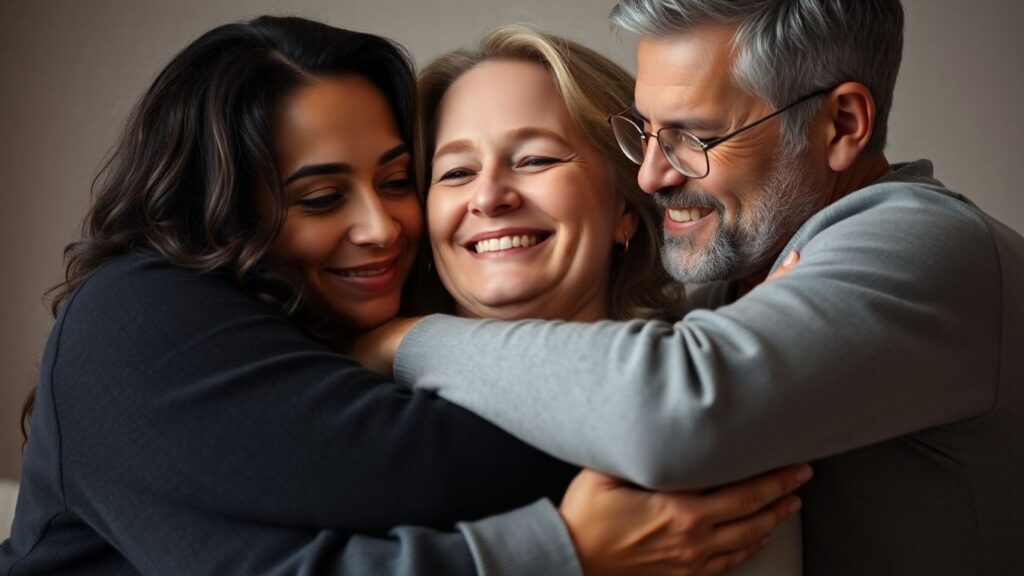
So, we’ve talked about what a vee polyamorous relationship looks like – basically, one person (the hinge) is dating two other people who aren’t dating each other. Now, let’s get real about how our own attachment styles play into all of this. It’s like having an emotional blueprint that guides how we connect, and in a vee, that blueprint gets a serious workout.
Understanding your attachment style isn’t about labeling yourself or saying ‘this is just how I am.’ It’s more about recognizing patterns in how you relate to others, especially when things get a bit complicated, like they can in polyamory. Knowing your blueprint helps you communicate your needs more clearly and understand your partners’ needs better.
Self-Awareness as a Foundation
Before you can even think about how your attachment style affects your vee, you’ve got to look inward. What makes you feel secure? What triggers your anxiety? When do you tend to pull away?
- Secure Attachment: You generally feel comfortable with intimacy and independence. You trust your partners and believe they’ll be there for you, but you also don’t freak out if you have some alone time. In a vee, this often means you can manage your relationships with each partner without feeling overly threatened by the other connection.
- Anxious Attachment: You might crave closeness and worry a lot about your partners not loving you enough or leaving. This can lead to seeking constant reassurance. In a vee, this might mean you need extra check-ins with both your hinge and potentially the other partner (if you have a friendly dynamic) to feel secure.
- Avoidant Attachment: You might feel uncomfortable with too much closeness and tend to value independence highly. You might pull away when things get too intense. In a vee, this could mean you need space from both partners at different times, or you might struggle with the emotional demands of two relationships.
- Disorganized Attachment: This is a mix of anxious and avoidant behaviors, often stemming from past trauma. You might want closeness but also fear it, leading to unpredictable behavior. In a vee, this can be particularly challenging, as you might swing between needing a lot of attention and pushing partners away.
Partner Communication and Needs
Once you have a better handle on your own patterns, the next big step is talking about it with your partners. This isn’t about assigning blame; it’s about mutual understanding.
“The Swingtowns community has been a major source of inspiration for many years now and has become one of the most popular destinations for swing communities” -Thunderdicka
Think about what each partner in your vee needs. Does the hinge need help managing the dynamics? Do the other two partners need reassurance that their connection with the hinge is valued, even if they aren’t dating each other? What are the boundaries around communication between all three of you?
Growth and Evolution in Relationships
Attachment styles aren’t set in stone. They’re more like habits of relating that we’ve developed. The great thing about polyamory, and specifically a vee structure, is that it can provide a really fertile ground for personal growth.
- Identify Triggers: Notice what situations or comments make you feel insecure or anxious. Is it when the hinge spends a lot of time with the other partner? Is it a lack of communication?
- Practice New Behaviors: If you tend to withdraw when anxious, try expressing your feelings instead. If you crave constant reassurance, try practicing self-soothing techniques.
- Seek Support: Talk to your partners about your growth goals. Sometimes, just knowing you have support can make a huge difference. You might also consider resources like books or even a therapist who understands polyamory.
Ultimately, understanding your attachment style in the context of a vee polyamorous relationship is about building more secure, fulfilling connections. It takes effort, honesty, and a willingness to learn, but the rewards – deeper intimacy and stronger relationships – are totally worth it.
Wrapping It Up
So, we’ve talked a lot about how people love and connect in polyamorous setups, especially in vee relationships. It’s clear that just like any kind of relationship, the ones that work best are built on solid ground. Things like talking openly, respecting each other’s feelings, and being honest about what you want and need are super important. It’s not always easy, and sometimes jealousy pops up, or schedules get crazy. But when people put in the effort to understand each other and set clear boundaries, they can build really fulfilling connections. Remember, there’s no single right way to do polyamory, or any relationship for that matter. It’s all about finding what feels right and good for you and the people you care about.
Frequently Asked Questions
What exactly is a ‘Vee’ relationship in polyamory?
Imagine a V shape. In a Vee relationship, one person is romantically or sexually involved with two other people. However, those two other people are not involved with each other. Think of the person in the middle as the point of the V, and their two partners as the arms stretching out.
How do different attachment styles affect Vee polyamory?
Attachment styles are like our built-in ways of connecting with others. In a Vee, where connections are unique between the center person and each of their partners, these styles can really show up. For example, someone who needs a lot of reassurance might feel insecure if they don’t get enough attention, while someone who prefers independence might feel overwhelmed if things get too intense too quickly.
What’s the best way to communicate in a Vee polyamorous setup?
Open and honest talking is super important! Since each relationship in the Vee is separate, it’s key to talk about your feelings, needs, and any worries you might have with each partner individually, and sometimes all together. Being clear about expectations helps everyone feel more secure and understood.
Can jealousy happen in Vee polyamory, and how do you deal with it?
Yes, jealousy can definitely pop up! It’s a normal human feeling. In a Vee, it might come from feeling like you’re not getting enough time or attention, or comparing yourself to the other partner. Talking about these feelings openly, understanding where they come from, and working with your partners to find solutions is the best way to handle it.
How can I build trust with my partners in a Vee relationship?
Trust grows when you are reliable, honest, and respectful. This means keeping your promises, being truthful about your feelings and actions, and respecting each partner’s feelings and boundaries. Consistent effort and open communication with each person are the building blocks of strong trust.
Is it possible for people with different attachment styles to have a successful Vee polyamorous relationship?
Absolutely! While different styles can bring unique challenges, they can also enrich the relationship. The key is self-awareness – understanding your own needs and patterns – and then communicating those needs clearly and kindly to your partners. With effort, empathy, and good communication, these relationships can thrive.
Emotional Insight – Exploring Attachment in Vee Polyamory
Your attachment style shapes how you connect, communicate, and build trust in a Vee dynamic. Discover how understanding your emotional blueprint can strengthen every bond. Sign up for a free SwingTowns account today and explore deeper, more intentional polyamorous connections.
“Swing Towns knows what’s up! Finally a platform where like minded people can connect.” -Cboy6983