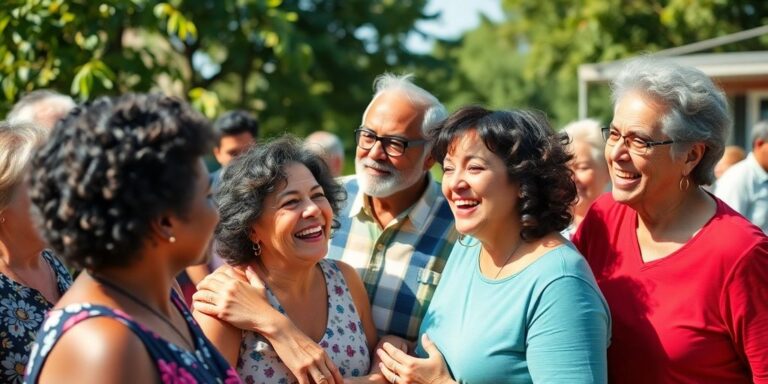
The Queer Origins of Kink and Polyamory Connection
It feels like lately, everyone’s talking about kink and polyamory. But where do these ideas even come from? Turns out, they’re not exactly new. For a long time, queer folks have been exploring relationships and intimacy in ways that go against the grain. This article is going to look at how these ideas connect, going back in time and looking at what’s happening now. We’ll also touch on how important it is to include everyone’s experiences, no matter their background. The Queer Roots of Kink and Polyamory Overlap is a big topic, and it’s worth exploring.
Key Takeaways
- Historically, both queer relationships and non-monogamous practices have existed outside of mainstream societal norms, often facing suppression.
- Colonialism played a role in shaping Western views on relationships, often erasing diverse pre-existing non-monogamous traditions and gender expressions.
- Queer communities often act as spaces where non-traditional relationship structures like polyamory and kink are explored and accepted more readily.
- It’s important to recognize that preferences for sex, gender, kink, and the number of partners are independent and shouldn’t be lumped together as one identity.
- Understanding the diverse experiences within queer kink and polyamory requires an intersectional and anti-racist approach, acknowledging how race, class, and other factors shape individual journeys.
Historical Roots of Non-Monogamy and Queer Relationships
Challenging Societal Norms
For a long time, the way people thought about relationships was pretty rigid. Society really pushed this idea that one man and one woman, married, with kids, was the only ‘right’ way to live. Anything outside of that was often seen as weird or even wrong. But guess what? People have always found ways to love and connect outside those strict rules. Queer relationships, by their very nature, have often existed on the fringes of what was considered ‘normal.’ They inherently challenged the idea that attraction and partnership were only meant to be between a man and a woman. This pushback against norms isn’t new; it’s been happening for ages, even if it wasn’t always talked about openly.
Colonialism’s Impact on Relational Practices
When European powers spread across the globe, they brought their own strict ideas about relationships and sexuality with them. This had a huge impact on how different cultures lived. Many Indigenous communities, for example, had their own traditions that were much more fluid when it came to gender and relationships. They might have had multiple partners or recognized gender identities that don’t fit into today’s boxes. Colonialism often suppressed these practices, sometimes violently, and replaced them with the European model. This erased a lot of history and made it seem like the monogamous, heterosexual model was the only one that ever existed. It’s important to remember this history because it helps us understand why certain relationship styles are still stigmatized today.
Ancient and Diverse Non-Monogamous Traditions
It’s a common misconception that monogamy has always been the default way humans form relationships. History and culture tell a different story. Across time and continents, countless societies have practiced forms of non-monogamy. In ancient Greece, relationships between men and younger men were woven into social life. In some tribal cultures, sharing partners helped strengthen community bonds.
Polyamory — the practice of having multiple romantic relationships with consent — isn’t a modern invention. It’s a reflection of how humans have always explored connection in different ways. These traditions remind us that love and partnership aren’t one-size-fits-all.
Understanding these histories also helps explain how queer and polyamorous communities draw inspiration from older, more fluid models of love. Even under social pressure to conform, diverse relationship structures continue to thrive, proving that our capacity for connection has always been far more expansive than we often imagine.
- Ancient Greece: Accepted relationships between men and boys, alongside heterosexual marriages.
- Various Indigenous Cultures: Practices like wife-sharing or communal living arrangements were common.
- Early Christian Communities: Some historical accounts suggest communal living and shared resources, which could extend to relationships.
“Swingtowns is fun and interesting for all kinds of cats! There a plenty of friendly folks and no pushy pests. Plenty of flavors for every occasion.” -FreakyFux
Contemporary Dynamics of Queer Non-Monogamy
Queer Communities as Havens for Non-Traditional Relationships
Queer communities have historically been places where people who don’t fit the standard mold can find each other and build their own ways of living. This often includes relationships that aren’t just one person with one other person forever. Think about the LGBTQ+ history of non-monogamy; it’s not some new fad. It’s been around because, well, when you’re already outside the ‘normal’ box, you start questioning other boxes too, like the one that says you can only love one person romantically or sexually at a time.
Manifestations of Non-Monogamy in Queer Contexts
Non-monogamy shows up in queer relationships in a bunch of different ways. It’s not just one thing. You’ve got polyamory, where people have multiple romantic partners with everyone’s knowledge and consent. Then there are open relationships, which might focus more on sexual freedom with a primary partner. Some folks practice relationship anarchy, which basically means no relationship is inherently more important than another, and rules are made up as you go, with consent. It’s all about finding what works for the people involved.
Benefits of Consensual Non-Monogamy in Queer Relationships
When done right, with clear communication and consent, non-monogamy can be really good for queer folks. It often means more support systems – more people to lean on emotionally and practically. People might find they have more freedom to explore their identities and desires without feeling like they’re betraying a partner. This flexibility can lead to deeper self-awareness and more honest connections. It’s about building relationships that feel authentic to everyone involved, rather than trying to fit into a pre-made mold.
“My husband and I joined Swingtowns a couple of years ago. We are new to this lifestyle and were a little apprehensive in getting involved in something like this, but we wanted to spice up our sex life and bite the bullet. We have met some wonderful respectful people and have become friends with everyone we met.” -Needtocome
Intersectionality and Inclusivity in Queer Kink and Polyamory
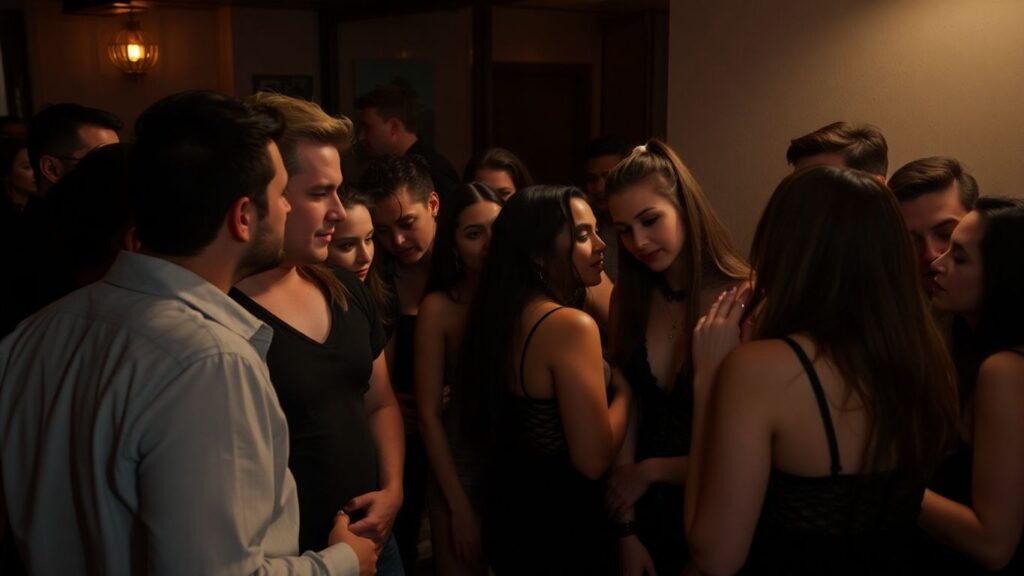
Understanding Diverse Experiences Through an Intersectional Lens
When we talk about queer kink and polyamory, it’s easy to fall into generalizations. But the reality is way more complex. Think about it: someone’s experience with queer BDSM and poly relationships isn’t just about their sexual orientation or their interest in kink. It’s also shaped by their race, their economic background, their physical abilities, and a whole bunch of other things. This is where intersectionality comes in. It’s a way of looking at how different parts of our identity overlap and affect how we’re treated and how we experience the world. For example, a Black queer person involved in polyamory might face different challenges and have different support systems than a white queer person in a similar situation. We need to acknowledge these overlapping identities to truly understand the landscape of queer non-monogamy.
Addressing Marginalization with Anti-Racist Frameworks
Given the history of how relationships and sexuality have been policed, especially along racial lines, it’s super important to bring anti-racist frameworks into these conversations. Colonialism, for instance, really messed with existing non-monogamous traditions and fluid gender roles in many cultures, pushing a very narrow view of relationships. Recognizing the origins of kink in queer communities also means understanding how power dynamics have played out. When we talk about the Kink and Polyamory Overlap, we have to ask: who gets to define what’s acceptable or desirable? Anti-racist approaches help us see how systems of oppression work together. This means actively working against racism, classism, and other forms of discrimination within both queer and non-monogamous spaces. It’s about making sure everyone feels safe and respected, no matter their background.
The Need for Inclusive Research and Perspectives
To really get a handle on polyamory and queer identities, we need more research that looks at these overlapping experiences. A lot of what we know is based on studies that might not include a wide range of people. We need to hear from more BIPOC individuals, people with disabilities, and folks from different economic backgrounds about their journeys in queer kink and poly relationships. This kind of inclusive research helps us move beyond stereotypes and build a more accurate picture. It also means looking beyond Western-centric views and acknowledging the diverse ways people have practiced non-monogamy throughout history and across cultures. Ultimately, creating supportive environments means actively seeking out and valuing these varied perspectives, making sure that polyamorous relationships are understood in all their diversity.
Swingtowns is incredible, I have met many awesome couples and single females on here. I recommend this site to anyone in the lifestyle! -MrMsBullDurham
Decoupling Preferences: Sex, Gender, Kink, and Love

Independent Roots of Diverse Sexual Preferences
It’s easy to lump all “alternative” sexualities together, right? As if anyone who isn’t straight and vanilla must belong to the same big, quirky club. But that’s a misunderstanding. The truth is, attraction, gender expression, sexual preferences, and relationship styles are all distinct aspects of identity. They don’t always align neatly — and they don’t have to.
Someone might be attracted to men, love BDSM, and still prefer monogamy. Another person might be attracted to women, identify as non-binary, enjoy vanilla sex, and thrive in a polyamorous relationship. Each of these traits comes from different parts of who we are and how we connect.
Assuming that one label defines everything about a person flattens the diversity within our communities. It’s important to recognize that identity is layered, personal, and beautifully varied — no single category can capture the full complexity of human desire and connection.
The Dangers of Equating Sexual Minorities
When we treat all sexual minorities as one big, undifferentiated group, we miss a lot. For instance, a gay man might just want to settle down with one person, while another gay man might be advocating for polyamory. Similarly, someone who enjoys certain kinks isn’t necessarily gender non-conforming, and vice versa. These are distinct identities and desires. Equating them is like saying everyone who likes chocolate also likes vanilla and strawberry equally – it just doesn’t make sense. Each group deserves recognition for its unique identity and struggles. We need to acknowledge that a bisexual person might have vanilla sex with one partner and kinky sex with another, or that someone’s gender identity doesn’t dictate their relationship structure. It’s about recognizing the individual within the broader community.
Recognizing Unique Interests and Goals
So, what’s the deal with these different preferences?
- Sex Preference: This is about who you’re physically attracted to – men, women, both, neither. It seems to have a strong biological component, and while society tries to push a heterosexual default, people’s actual attractions exist regardless.
- Gender Preference: This is more about personality traits. We’re attracted to certain qualities, and whether those are perceived as masculine or feminine plays a role in who we find appealing. Society definitely shapes this, but the core attraction is to personality.
- Kink Preference: This is all about the how of sex. What activities turn you on? Domination, submission, specific fetishes – these often come from deep within our subconscious. What’s considered “kinky” is really just a measure of how much someone’s sexual activity preferences deviate from the societal norm.
- Relationship Structure: This is about the number of emotional connections you have. Are you monoamorous (one love) or polyamorous (many loves)? This preference seems to stem from different roots, sometimes historical (like polygamy) and sometimes from modern ideas of free love and communalism. It’s about how many people you allocate emotional energy to.
“Wow!! This site is absolutely amazing. Me and my lady have met some fun sexy people on here and got some great feedback from other couples about our profile.” -JessnOsc77
This separation of preferences is important when we think about how people form families, too. For instance, research into families practicing polyamory shows a wide range of dynamics and structures, highlighting that relationship choices are personal and varied [e441].
The Kink Spectrum and Societal Definitions
Kink as a Measure of Sexual Activity Normativity
So, let’s talk about kink. It’s this whole area of sexual activity that kind of sits outside what most people consider ‘vanilla’ sex. Think about it – some folks love being in charge, others prefer to follow. Some people get really into specific things, like feet, or certain materials, or even costumes. It’s like a whole universe of preferences that comes from pretty deep down inside us, and honestly, it’s hard to pin down exactly why we like what we like. Kink really becomes a way to measure how much your sexual preferences line up with what society generally thinks is ‘normal’ sex.
Subconscious Origins of Fetishes and Preferences
Where do these preferences even come from? It’s a messy question, for sure. We’re talking about things that seem to bubble up from our subconscious, maybe tied to early experiences, maybe just wired into us. It’s not like you wake up one day and decide, ‘Hey, I’m going to be into this specific thing.’ It just… happens. And the sheer variety is mind-boggling. Trying to categorize every single fetish or preference is like trying to catch smoke.
Societal Construction of ‘Normal’ vs. ‘Kinky’ Sex
What’s considered ‘normal’ sex is really just what the majority of people in a society agree on, or what’s most commonly practiced and talked about. It’s a moving target, and it changes over time and across cultures. What one group finds totally wild, another might see as just another Tuesday night. This societal definition is what ends up drawing the line between ‘normal’ and ‘kinky.’ It’s less about the act itself and more about its place on that spectrum of commonality.
- Dominance and Submission: One of the most common areas people think of when they hear ‘kink.’
- Fetishes: Intense sexual interest in non-genital body parts, objects, or specific situations.
- Role-Playing: Acting out scenarios or characters during sexual encounters.
- Sensory Play: Using elements like temperature, texture, or restraints to heighten sensation.
Polyamory: Beyond Monogamous Defaults

Polyamory as a Challenge to Heteronormative Frameworks
Polyamory, at its core, is about having multiple loving, committed relationships simultaneously. It’s a direct challenge to the idea that romantic love and commitment should only exist between two people, a default setting that’s been pushed for ages. This default, often called heteronormative, assumes everyone is straight and that relationships should look a certain way – one partner, marriage, kids, the whole package. For queer folks, who already exist outside that assumed norm, exploring polyamory can feel like a natural extension of questioning societal expectations. It’s not just about sex; it’s about how we structure our emotional lives, our support systems, and our definitions of family. When you’re already navigating a world that doesn’t always see you, the idea of building your own relational rules, rather than following someone else’s script, can be really appealing.
Free Love and Communalism Influences
Thinking about polyamory often brings up historical movements like ‘free love’ and various forms of communal living. These weren’t just about casual hookups; they were often radical attempts to rethink ownership, jealousy, and the traditional family unit. People in these movements questioned why we should ‘own’ our partners or why emotional and sexual connections had to be exclusive. They looked at communal living as a way to share resources, responsibilities, and support networks more broadly. While modern polyamory isn’t always a direct copy of these historical movements, there’s definitely a shared spirit of challenging the status quo and exploring different ways to build community and intimacy outside of the mainstream.
The Spectrum from Monoamory to Polyamory
It’s easy to think of relationships as either strictly monogamous or polyamorous, but it’s really more of a spectrum. On one end, you have monoamory, where someone is committed to one partner. On the other, you have polyamory, involving multiple partners. But in between, there’s a whole lot of variation. Some people might have a primary partner but are open to other casual relationships. Others might have multiple partners of equal importance. Then there are people who identify as relationship anarchists, meaning they don’t believe in hierarchical structures at all and prefer to define each relationship individually. It’s not a one-size-fits-all situation, and people often move along this spectrum throughout their lives based on their needs and desires.
“So far it’s been a fun way to connect with like minded people. In a open, judgement free environment. Lots of people to get to know.” -StaggerinVixen86
Future Possibilities for Queer Kink and Polyamory
Reimagining Intimacy and Connection
Looking ahead, the landscape of queer kink and polyamory is ripe for new ways of thinking about relationships. We’re seeing a real shift away from old ideas about what love and sex should look like. This evolution is about creating connections that feel authentic and fulfilling for everyone involved. It means moving beyond the default settings society has given us and exploring what truly works for individuals and communities. The historical connections queer kink and polyamory share are a strong foundation for this exploration, showing us that diverse relational structures aren’t new, just often pushed to the margins.
Fostering Supportive Environments
Building spaces where queer kink and polyamorous folks can thrive requires conscious effort. This means creating communities that actively challenge stigma and offer genuine support. Think about workshops that teach communication skills for managing multiple relationships, or social events that are explicitly inclusive of kink and poly dynamics. It’s about making sure that people don’t have to hide parts of themselves or their relationships.
- Creating accessible community centers
- Developing peer support networks
- Organizing educational events on consent and communication
The Role of Education and Advocacy
Education is a big piece of this puzzle. The more we talk openly about queer kink and polyamory, the more normalized it becomes. This isn’t just about academic research; it’s about everyday conversations. Advocacy plays a role too, pushing for legal recognition and social acceptance. We need to advocate for relationship structures that go beyond the traditional couple, recognizing the validity and joy found in diverse forms of intimacy. This includes pushing back against the idea that certain sexual preferences are inherently problematic or less valid than others.
Wrapping It Up
So, looking back, it’s pretty clear that queer folks have been pioneers in pushing the boundaries of love and relationships. From challenging the one-size-fits-all idea of monogamy to exploring the diverse landscape of kink, these connections often grew out of a need for spaces where people could be their authentic selves. It wasn’t always easy, and there were definitely societal hurdles, but the drive to connect and love on one’s own terms has always been there. As we move forward, understanding this history helps us appreciate the richness and variety of human connection, and hopefully, build a world that’s more open to all kinds of love.
Frequently Asked Questions
What does it mean when people talk about queer relationships and non-monogamy?
It means relationships that aren’t just between one man and one woman, and also aren’t strictly limited to just two people. Queer relationships involve people who aren’t straight, and non-monogamy means having more than one romantic or sexual partner with everyone’s knowledge and agreement. Often, these two ideas go together because queer communities tend to be more open to different ways of loving.
Have people always loved more than one person or not been straight?
Yes, different ways of loving and being yourself have existed for a very long time in many cultures. However, when certain groups of people took over other lands, they sometimes forced their own ideas about relationships and gender onto others, making it seem like only one way of being was normal.
How does kink fit into queer relationships and non-monogamy?
Kink refers to sexual interests that are outside of what’s considered ‘normal’ by society, like BDSM or specific fetishes. In queer communities, people often feel more free to explore their kinks. Kink can be a part of non-monogamous relationships, but it doesn’t have to be. Someone can be queer and monogamous, or non-queer and practice non-monogamy with kinks.
Why is it important to think about race and other differences when we talk about queer non-monogamy?
It’s important because everyone’s experience is different. Someone’s race, how much money they have, or if they have a disability can affect how they experience relationships and whether they face unfair treatment. We need to make sure that everyone, especially people of color and other marginalized groups, feels included and respected.
Is polyamory the same as having an open relationship or swinging?
Not exactly. Polyamory is about having multiple loving, romantic relationships at the same time, with everyone involved knowing and agreeing. An open relationship might focus more on sexual freedom with multiple partners, while swinging usually involves couples swapping partners for sex. They are all forms of non-monogamy, but they have different focuses.
What’s the main idea behind challenging the ‘one love’ or monogamy idea?
The idea is that loving just one person isn’t the only way to have a fulfilling relationship. Challenging monogamy, especially in queer communities, is about saying that people should be free to love and connect with others in ways that feel right to them, as long as it’s honest and everyone agrees. It’s about having more options for intimacy and connection.
Proud Origins – The Queer Roots of Kink and Polyamory
Kink and polyamory have deep roots in queer communities that have always challenged norms around love, identity, and freedom. These spaces created room for authenticity, experimentation, and radical honesty. Sign up for a free SwingTowns account today and connect with a community that celebrates diversity, inclusion, and open-hearted connection.
“SwingTowns is awesome place to meet great people. We have met a lot nice people on here and had amazing time with several couples.” -LoveTerri77