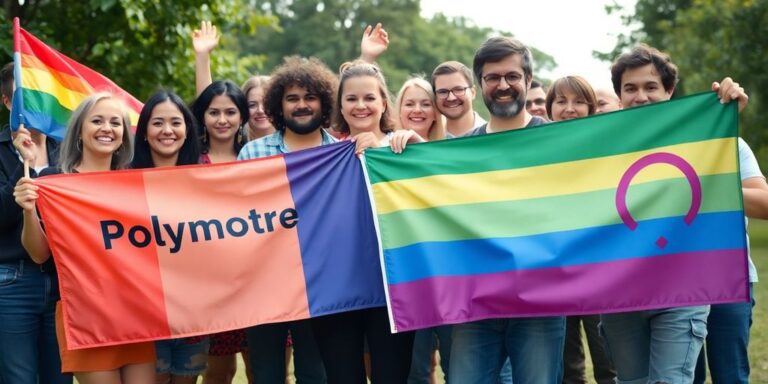
Real Examples of Poly Constellations from the CNM Community
Polyamory, or consensual non-monogamy (CNM), is when folks agree to have more than one romantic or sexual relationship at the same time. It’s a way of doing relationships that really pushes against the usual idea that you can only have one main partner. In this article, we’ll look at some real-life examples of poly constellations and what the CNM community has to say about them. We’ll explore why people choose this path, how their relationships work, and what makes it fulfilling, even when it’s challenging.
Key Takeaways
- Polyamory offers a unique space for personal growth and self-discovery, allowing individuals to explore different facets of their identity outside traditional relationship molds.
- Many find polyamory a way to meet needs that might not be fully met in a monogamous setup, leading to higher reported relationship satisfaction for some.
- Open communication, honesty, and trust are super important for poly relationships to work well, helping people manage feelings like jealousy.
- Attachment styles play a role, and while polyamory can be challenging for those with insecure attachments, many in CNM relationships show high levels of attachment security.
- For women and queer individuals, polyamory can be a powerful way to exercise agency, challenge societal norms, and build strong, supportive communities.
Navigating Identity and Belonging in Polyamorous Relationships
Differentiation and Identity in Multi-Partnered Situations
Figuring out who you are when you’re involved with more than one person can be a real journey. It’s not always easy to hold onto your own sense of self when you’re trying to connect deeply with different individuals, each with their own needs and perspectives. Some folks find that polyamory acts like a tough training ground for this. You have to really know your own mind and your own feelings to stay true to yourself while also being present and honest with multiple partners. It’s like trying to keep your balance on a moving boat – you need a strong core to avoid getting tossed around.
- Self-Awareness: Understanding your own desires and boundaries is key.
- Authenticity: Living in a way that feels true to who you are, even when it’s different from what’s expected.
- Adaptability: Being able to adjust your approach to different relationships without losing yourself.
“Wow!! This site is absolutely amazing. Me and my lady have met some fun sexy people on here and got some great feedback from other couples about our profile.” -JessnOsc77
Challenging Mononormativity and Embracing Relational Diversity
Let’s be real, most of us grew up with the idea that one partner is the ‘normal’ way to do relationships. This is called mononormativity, and it shapes a lot of our expectations. When you choose polyamory, you’re often stepping outside of that box. This can be incredibly freeing, allowing you to explore different kinds of connections and love that might not fit into a single-partner mold. It’s about recognizing that relationships aren’t one-size-fits-all and that there’s beauty in variety.
Community Building and Activism as Strengths in CNM
Finding your people is a big part of navigating polyamorous connections. For many, the CNM (Consensual Non-Monogamy) community offers a sense of belonging that might be hard to find elsewhere. It’s a space where you can share experiences, get support, and learn from others who are also exploring different relationship structures. This community can be a source of strength, and for some, it even turns into activism, working to make society more accepting of diverse relationship styles. It’s about building a world where all kinds of love are recognized and respected.
The Landscape of Polyamorous Connections

Defining Polyamory: Beyond Romantic and Sexual Encounters
So, what exactly is polyamory? It’s more than just having multiple partners; it’s a whole approach to relationships. Polyamory is the practice of having multiple romantic and often, though not always, sexual relationships at one time, with all parties aware and consenting. It’s about building connections that go beyond the typical romantic or sexual encounters. Think deep bonds, committed partnerships, and supportive networks. It challenges the idea that love has to be exclusive to be meaningful. Many people find that polyamory allows for a richer emotional life, fulfilling different needs with different people. It’s a way to embrace relational diversity and see that love isn’t a finite resource.
Ethical Frameworks and Core Values in Polyamory
When people practice polyamory, there’s usually a strong emphasis on ethics. This isn’t about sneaking around; it’s about being upfront and honest. Key values often include:
- Open Communication: Talking about feelings, needs, and boundaries is super important.
- Honesty and Transparency: Everyone involved should know what’s going on.
- Consent: All partners must agree to the relationship structure.
- Respect: Valuing each person’s autonomy and feelings.
- Trust: Building a foundation where everyone feels secure.
These aren’t just buzzwords; they’re the building blocks for healthy polyamorous relationships. It’s about creating a safe space for everyone involved, which can be a real challenge but also incredibly rewarding. This ethical approach is what distinguishes it from infidelity.
Variations in Multi-Partnered Constellations
Polyamorous relationship structures can look really different from one group to another. There’s no one-size-fits-all model. Some common non-monogamy relationship examples include:
- Vee: One person is romantically involved with two other people, but those two people are not romantically involved with each other.
- Triad/Throuple: Three people are all romantically involved with each other.
- Quad: Four people are all romantically involved with each other.
- Polycule: This is a broader term for a network of interconnected relationships, often involving multiple people and various configurations.
Some polyamorous people also have hierarchical structures, where one relationship is considered primary, while others are secondary. Others prefer non-hierarchical setups, where all relationships are considered equal. The beauty of it is the flexibility to create what works best for the individuals involved. It’s about designing relationships that fit your life, not trying to fit your life into a pre-set mold. You can find more information about different relationship models on polyamory resources.
“So far it’s been a fun way to connect with like minded people. In a open, judgement free environment. Lots of people to get to know.” -StaggerinVixen86
Motivations for Embracing Polyamory
So, why do people choose to open their hearts and lives to more than one person? It’s a question that comes up a lot, and the answers are as varied as the people themselves. For many, it’s about finding ways to meet needs that a single relationship just can’t fulfill. Think about it – one person might be your adventure buddy, while another is your intellectual equal, and someone else is your rock during tough times. It’s not about a lack of satisfaction with existing partners, but rather an expansion of what’s possible.
Fulfilling Unmet Needs and Personal Growth
This is a big one. People often find that monogamy, while lovely for some, doesn’t quite fit their whole self. They might have a deep need for intellectual stimulation that their primary partner doesn’t share, or a desire for a specific kind of emotional support that’s better met by someone else. Embracing polyamory allows individuals to seek out connections that complement their existing relationships, rather than compete with them. It’s about personal growth, too. Learning to manage multiple relationships requires a lot of self-awareness and emotional maturity. It pushes you to understand yourself better, to communicate more clearly, and to develop a stronger sense of who you are outside of a single dyadic bond. It’s a path that can lead to a more authentic way of living.
Autonomy, Identity, and Political Expression
For some, polyamory is a conscious choice to live outside the box of societal expectations. It’s a way of saying, “My relationships don’t have to look like everyone else’s.” This ties into a strong sense of autonomy—the freedom to define your own life and relationships.
It’s also about identity. Some people discover that their sexuality or capacity for love doesn’t fit neatly into monogamous structures. They may find that aspects of themselves feel more fully expressed in a polyamorous context and that their relationships allow for a broader, more authentic version of who they are.
Beyond the personal, there’s often a political dimension. Choosing consensual non-monogamy can be a statement against restrictive relationship norms and a way to advocate for relational diversity. It’s a path toward building a life that aligns with one’s values, even when those values differ from the mainstream. Many find that polyamory becomes a space for self-expression, letting them live in closer harmony with their beliefs and desires.
Exploring Sexual Diversity and Community
Let’s be real—human sexuality is complex and diverse. For some, polyamory is a natural way to explore this diversity, both within themselves and with others. It allows for a broader range of experiences and connections than a strictly monogamous setup might offer. And it’s not just about sex; it often includes romantic and emotional bonds as well. The desire for varied experiences can be a significant motivator.
Beyond individual exploration, there’s also the powerful draw of community. Finding others who share similar relationship styles can feel incredibly validating. These communities offer support, understanding, and a sense of belonging that can be difficult to find elsewhere. Many people in ethical non-monogamy talk about the deep friendships and chosen families that form within these circles.
It’s a way to build a support network that truly gets them. Finding your people can create a life that feels rich and full, with multiple sources of love and connection. This kind of journey often leads to a more expansive and fulfilling life, and many find that consensual non-monogamous relationships can be incredibly rewarding.
Relationship Dynamics and Satisfaction in Polyamory
So, how do these multi-partnered setups actually work day-to-day? It’s not just about having more people around; it’s about how those connections interact. When we talk about polycule relationship dynamics explained, we’re looking at the unique ways people manage multiple romantic and intimate relationships simultaneously. It’s a whole different ballgame compared to monogamy, and honestly, it can be pretty rewarding.
High Levels of Relationship Satisfaction
It might surprise some folks, but studies often show that people in polyamorous relationships report high levels of satisfaction. This isn’t just about feeling okay; many report being happier and more fulfilled than their monogamous counterparts. It seems like having multiple avenues for connection and support can really hit the spot for meeting different needs.
The Role of Honesty, Communication, and Trust
These three are basically the bedrock of any healthy relationship, but in polyamory, they get dialed up to eleven. Because everyone involved has to be on the same page, and often there are more people to consider, clear communication is non-negotiable. You have to be upfront about feelings, boundaries, and expectations. Trust is built through consistent honesty and reliability, which can be a challenge but also incredibly strengthening when it’s there.
Navigating Jealousy and Insecurity
Let’s be real, jealousy happens. It’s a human emotion, and it doesn’t just disappear because you’re polyamorous. The difference is how these feelings are handled. Instead of seeing jealousy as a sign of a failing relationship, many in poly communities learn to view it as a signal to explore underlying insecurities or unmet needs. It often leads to deeper conversations and a better understanding of oneself and one’s partners.
Here are some common ways people manage these feelings:
- Self-Reflection: Taking time to understand where the jealousy is coming from. Is it fear of loss? Insecurity about a specific dynamic?
- Open Dialogue: Talking to your partner(s) about your feelings without blame. Focusing on ‘I feel’ statements.
- Compersion: Learning to feel joy for your partner’s happiness with another person. This takes practice!
- Boundary Setting: Clearly defining what feels comfortable and what doesn’t for everyone involved.
“This is the best site we have found! Easy to navigate and easy to make great long lasting memories and friends!” -julwil8182
It’s definitely not always easy, and there are ups and downs, but for many, the richness and depth of connection found in polyamorous relationships make the effort worthwhile.
Attachment Styles and Polyamorous Lifestyles

When you’re exploring relationships with more than one person, how you connect with others, especially in intimate ways, really comes into play. Attachment theory, which usually talks about how babies bond with their caregivers, can actually shed some light on how adults form multiple close relationships. It’s not just about one primary bond; it’s about the ability to have several meaningful connections at once.
Attachment Theory and Multiple Bonds
Think about it: even in a monogamous setup, we have different kinds of close relationships – with parents, siblings, friends, and a romantic partner. Attachment theory suggests we develop certain patterns based on our early experiences, and these patterns can influence how we approach all our relationships, including romantic ones. In polyamory, these patterns are tested and can evolve as we build connections with multiple partners. It’s about how securely or insecurely we feel in these varied connections.
Self-Regulation and Emotional Management
Polyamory can sometimes mean spending time alone while a partner is with someone else, or dealing with the excitement of a new relationship someone you care about is experiencing. These situations can bring up strong feelings like jealousy, fear of being left out, or even panic, especially if you tend to be anxious in relationships. This is where self-regulation becomes super important. It’s about managing those big emotions without letting them take over or damage your connections. It takes practice, for sure.
Attachment Security in Consensual Non-Monogamy
Interestingly, studies often show that people in consensual non-monogamous (CNM) relationships tend to have high levels of attachment security. This means they generally feel comfortable with both closeness and independence. They can be intimate with partners while also feeling secure enough to allow their partners to have other relationships. However, the research isn’t always straightforward. Some studies suggest that people with anxious attachment styles might have a harder time, while others show that even those with avoidant tendencies can be open to CNM, though perhaps less likely to fully engage.
“Swing towns is my go to dating app. I just joined but truly am in love with swingtowns” -Th3gi4nt
Here are some things that seem to help people feel more secure in polyamorous connections:
- Clear Communication: Talking openly about feelings, needs, and boundaries is key. No one can read minds.
- Emotional Honesty: Being real about what you’re feeling, even when it’s uncomfortable, builds trust.
- Independent Self-Worth: Not relying solely on a partner for your sense of value makes it easier to handle relationship shifts.
- Active Listening: Really hearing what your partners are saying, without judgment, strengthens bonds.
- Conflict Resolution Skills: Learning to work through disagreements constructively is vital for long-term relationship health.
Empowerment and Agency in Polyamorous Experiences
Polyamory as an Act of Agency for Women and Queer Individuals
For many, especially women and queer individuals who have historically faced limitations in relationship structures, polyamory can feel like a radical act of self-determination. It’s a way to push back against expectations that dictate who we can love, how many people we can love, and the terms under which we can love them. Choosing to build relationships outside the box of monogamy is often about reclaiming personal power and defining our own relational realities. This isn’t just about romantic or sexual connections; it’s about asserting the right to form bonds that genuinely reflect our identities and desires, free from the constraints of societal norms that often feel like they were built for someone else entirely.
Challenging Societal Norms and Stigma
Living a polyamorous life means constantly navigating a world that often doesn’t understand or even actively disapproves. This can be exhausting, but it also builds a unique kind of resilience. Think about it: you’re often explaining your life choices, dealing with assumptions, and sometimes even facing outright judgment. This persistent need to justify your existence can, paradoxically, make you stronger. It forces you to be clear about your values and to develop solid communication skills. You learn to stand firm in your choices, even when they’re not the popular ones. It’s like building a muscle for dealing with external pressure.
Developing New Coping Strategies and Emotional Resilience
Polyamory isn’t always smooth sailing. When you have multiple partners, emotions can run high, and conflicts can arise. But instead of shutting down or avoiding issues, polyamorous folks often develop really interesting ways to handle these situations. It’s not uncommon to hear about people developing new words for feelings or finding creative ways to manage jealousy and insecurity. This process of working through complex emotional landscapes with multiple people involved can lead to a deeper sense of self-awareness and emotional maturity. It’s about learning to hold space for a lot of different feelings, both your own and those of your partners, and finding ways to move forward together.
Here’s a look at some common strategies that emerge:
- Assertive Communication: Clearly stating your needs and intentions without apology. This isn’t about being aggressive, but about being direct and confident.
- Emotional Regulation: Developing the ability to manage strong feelings like jealousy or insecurity without letting them dictate your actions or relationships.
- Compersion Cultivation: Actively working to feel joy for your partner’s happiness with other partners, rather than focusing on potential loss.
- Boundary Setting: Establishing and maintaining clear limits with all partners to ensure everyone’s needs are respected.
“The best LS site for sure! Real people, easy to navigate, love it!” -Tlove799
| Skill Area | Common Challenges Faced | Strategies Developed |
|---|---|---|
| Communication | Misunderstandings | Active listening, “I” statements, regular check-ins |
| Emotional Management | Jealousy, insecurity | Self-soothing, mindfulness, seeking support |
| Time Management | Scheduling conflicts | Shared calendars, prioritizing quality time |
| Boundary Negotiation | Unmet expectations | Clear articulation, consistent reinforcement |
Wrapping It Up
So, what have we seen from all these real-life examples? It’s clear that polyamory isn’t a one-size-fits-all thing. People get into it for all sorts of reasons, whether it’s about personal growth, challenging norms, or just finding a way to connect that feels right for them. It takes a lot of honest talk, figuring things out as you go, and sometimes dealing with outside judgment. But for many, the effort pays off with deep connections and a sense of living authentically. It’s a complex path, for sure, but one that’s proving to be a valid and fulfilling choice for a growing number of people in the CNM community.
Frequently Asked Questions
What exactly is polyamory?
Polyamory is like having more than one romantic or intimate relationship at the same time, but everyone involved knows about it and agrees to it. It’s different from cheating because it’s all out in the open and everyone is okay with it. Think of it as a way to have multiple loving connections with different people, all with everyone’s permission.
Is polyamory the same as cheating?
No, not at all! Cheating involves lying and breaking trust by having relationships secretly. Polyamory is the opposite; it’s all about being honest and open with everyone involved about having multiple partners. It’s built on trust and agreement, not secrecy and betrayal.
Why do people choose to be polyamorous?
People choose polyamory for many reasons. Some feel they can’t get all their emotional or romantic needs met by just one person. Others see it as a way to be true to themselves, especially if they feel attracted to more than one person. It can also be a way to challenge traditional relationship rules and express a different kind of freedom.
Is it hard to manage multiple relationships?
It can be challenging, for sure! Managing multiple relationships takes a lot of effort, communication, and honesty. You have to be good at talking about your feelings, understanding others, and dealing with things like jealousy. It’s not for everyone, but for those who value connection and freedom, it can be very rewarding.
Can polyamory be a healthy choice?
Yes, polyamory can be a healthy choice for many people. When it’s practiced with honesty, respect, and clear communication, polyamorous relationships can be just as fulfilling and stable as monogamous ones. It’s about finding what works best for the individuals involved and making sure everyone feels safe and valued.
What does ‘consensual non-monogamy’ mean?
Consensual non-monogamy, often called CNM, is a broad term for any relationship style where partners agree to have more than one romantic or sexual connection. Polyamory is one type of CNM, but there are others too. The key word is ‘consensual’ – meaning everyone involved says ‘yes’ and is okay with the arrangement.
See Polyamory in Action — Real Stories, Real Connections
Understanding poly constellations becomes much easier when you can see how they work in real people’s lives. Join a community where experiences are shared openly, stories are told honestly, and connection is built through learning and conversation. Explore how others navigate love, communication, and structure in ways that feel authentic to them. Sign up for a free SwingTowns account today to begin your adventure.
Swingtowns is incredible, I have met many awesome couples and single females on here. I recommend this site to anyone in the lifestyle! -MrMsBullDurham