
Polyamory Cohabitation: The Pros and Cons for Polyamorous Life
Thinking about sharing your life, home, and everything in between with more than one partner? Polyamorous cohabitation, where multiple romantic partners live together, is a setup that’s gaining attention. It’s not just about love; it’s about building a shared life. But like any living arrangement, it comes with its own set of ups and downs. We’re going to break down The Pros and Cons of Polyamorous Cohabitation: Is It Right for Your Polycule? to help you figure out if this might be the path for you and your partners.
Key Takeaways
- Living with multiple partners can mean more hands for chores, shared bills, and a bigger support system for everyone, including kids.
- Dealing with jealousy, managing everyone’s time and emotions, and potential judgment from others are some of the big challenges.
- Open and constant communication is super important for setting expectations and working through issues as they pop up.
- Finances, household tasks, and child-rearing need clear plans and agreement when multiple partners are involved.
- While polyamory can offer freedom and new experiences, it also demands a lot of emotional energy and can test individual identity and stability.
The Allure Of Polyamorous Cohabitation: Exploring The Upsides

Living with multiple partners, often called polyamorous cohabitation, can seem like a really appealing idea for many. It’s not just about having more people around; it’s about a different way of structuring your life and relationships. One of the biggest draws is the potential for a much larger support system. Think about it: instead of relying on just one person for emotional comfort, practical help with chores, or even just someone to vent to after a long day, you have a whole network. This can make daily life feel a lot less overwhelming.
Expanded Emotional And Practical Support
When you share a home with more than one partner, the load gets distributed. Need someone to pick up groceries? Have a bad day and need to talk? Or maybe you’re facing a big project and need an extra pair of hands? In a polyamorous household, there are more people available to step in. This isn’t about replacing anyone, but rather about having a broader base of support. It can feel really good to know that there are multiple people who care about your well-being and are invested in making the household run smoothly. This shared responsibility can lead to a more relaxed and less pressured home environment for everyone involved.
Freedom From Societal Constraints
For some, polyamory offers a way to live more authentically, outside the traditional boxes society often puts us in. The idea that one person should fulfill all your needs – romantic, emotional, practical – can feel like a lot of pressure. Polyamory allows for relationships to be more fluid and less about ownership. It’s about recognizing that different people can bring different things to your life, and that’s okay. This can be incredibly liberating, allowing individuals to express themselves more fully without feeling like they’re breaking some unspoken rule.
Opportunities For Personal Growth
Living in a polyamorous setup often means you’re constantly learning and adapting. You’re interacting with different personalities, needs, and communication styles. This can push you to develop better listening skills, become more empathetic, and learn how to manage your own emotions more effectively. It’s a continuous learning process. You might discover new sides to yourself as you navigate relationships with different people. It’s like having a built-in personal development program, whether you signed up for it or not.
Enhanced Relationship Dynamics
When you’re in a polyamorous cohabiting situation, there’s often a heightened awareness of the relationships themselves. Because everyone is more invested in making things work, there can be a greater effort to communicate openly and honestly. This can lead to deeper connections and a more dynamic relationship environment. It’s not always easy, but the potential for rich, multi-faceted connections is a big part of the appeal. The benefits of polyamorous cohabitation can really shine when everyone is committed to making it work.
“I’m glad that SwingTowns is growing such an audience of happy, sex-positive people!” -RandySP69
Here are some of the upsides people often mention:
- More hands for chores: Daily tasks can be shared, reducing the burden on any one person.
- Diverse emotional support: Different partners can offer different kinds of comfort and understanding.
- Reduced pressure: No single partner is expected to be everything to you.
- Learning and growth: Navigating multiple relationships encourages self-awareness and better communication skills.
Navigating The Complexities: Downsides Of Polyamorous Living
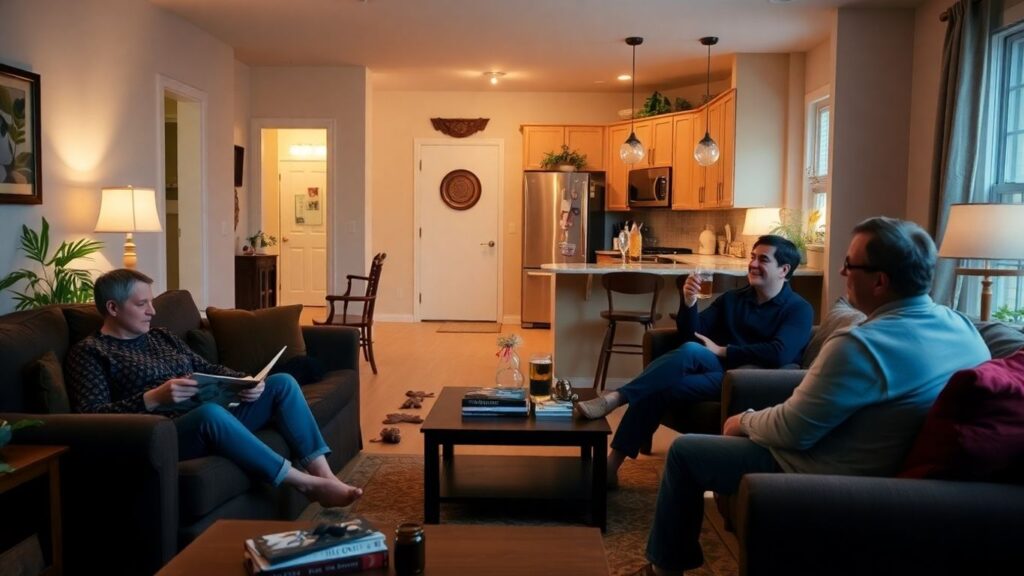
Living with multiple partners, often called a polycule, sounds pretty great on paper, right? More love, more support, more fun. But let’s be real, it’s not always sunshine and rainbows. There are some serious challenges that come with these kinds of arrangements, and it’s important to talk about them. These are some of the downsides of polycule living arrangements that people often don’t discuss enough.
The Challenge Of Jealousy And Insecurity
Okay, so jealousy. It’s a big one. Even if you’re generally a chill person, sharing your partner(s) can bring up some intense feelings. It’s not just about feeling left out; it can be about feeling inadequate or fearing you’re not enough. This can be especially tough when you’re just starting out in polyamory or when new people enter the picture. It’s a constant emotional workout, and sometimes, it feels like you’re just not cut out for it.
- Fear of Missing Out (FOMO): Seeing your partner(s) have experiences with others can trigger this.
- Insecurity: Doubts about your own desirability or importance can surface.
- Comparison: Unintentionally comparing yourself to metamours (your partner’s other partners).
“Swingtowns is awesome and we have no complaints. There are tremendous people and wonderful couples on here that we have had the pleasure of meeting” -wearesexy2015
Increased Emotional And Time Demands
More partners means more relationships to nurture. This isn’t just about romantic or sexual connections; it’s about managing friendships, family dynamics, and all the emotional labor that comes with it. Your calendar can quickly become a complex puzzle, trying to balance everyone’s needs, schedules, and emotional states. It can feel like you’re constantly juggling, and sometimes, you just want to put all the balls down.
- Scheduling Nightmares: Coordinating dates, hangouts, and even just casual check-ins can be a logistical feat.
- Emotional Bandwidth: Processing feelings, resolving conflicts, and offering support to multiple people takes a significant emotional toll.
- Time Scarcity: There are only so many hours in a day, and spreading yourself thin can lead to burnout.
Potential For Social Stigma And Ostracism
Let’s face it, polyamory isn’t exactly the norm. Telling your family, friends, or coworkers that you’re in a polyamorous relationship can lead to awkward conversations, judgment, or even outright rejection. This social pressure can be isolating, and it might mean hiding parts of your life or relationships from people you care about. It’s a heavy burden to carry, feeling like you have to defend your choices or live a double life.
- Family Disapproval: Parents or siblings might struggle to accept or understand your relationship structure.
- Friendship Strain: Some friends may not be comfortable with or supportive of your polyamorous lifestyle.
- Workplace Issues: Depending on your job and company culture, being open about polyamory could have professional repercussions.
Health And Safety Considerations
When you’re involved with multiple partners, and those partners are involved with others, the risk of STIs naturally increases. While safer sex practices are vital, they aren’t foolproof. This adds another layer of complexity and potential anxiety to the relationships. Openly discussing sexual health and getting regular testing becomes even more critical, and any lapse can have serious consequences not just for you, but for everyone in your network.
- Increased STI Risk: More partners mean more potential exposures.
- Testing and Disclosure: Consistent and honest communication about sexual health is paramount.
- Metamour Health: You are also indirectly responsible for the sexual health of your metamours’ partners.
Practical Considerations For Polyamorous Households
When multiple people decide to share a living space as part of a polycule, things get complicated fast. It’s not just about finding a big enough house; it’s about figuring out how everyone’s lives will mesh on a daily basis. This kind of non-monogamous shared housing requires a lot of upfront planning and ongoing effort. The success of polyamorous cohabitation hinges on clear agreements and a willingness to adapt.
Financial Pooling And Resource Management
Money is always a big topic, and it gets even more complex when you’re talking about living together in polyamory. Do all incomes go into one big pot? How are shared expenses like rent, utilities, and groceries divided? What about individual spending money or funds for personal dates with partners outside the household? These aren’t small questions, and they can lead to serious friction if not addressed openly. Some polycule housing challenges can be avoided with a solid financial plan.
Here’s a breakdown of common financial models:
- Fully Pooled: All income is combined, and all expenses are paid from a shared account. This requires a high level of trust and shared decision-making.
- Partially Pooled: Certain shared household expenses are pooled, while individual incomes and personal spending remain separate.
- Separate Accounts: Each individual manages their own finances, and contributions to shared expenses are negotiated on a case-by-case basis.
It’s also worth considering how to handle unexpected costs or larger purchases. Having a dedicated savings fund for emergencies or home improvements can be a lifesaver. For more detailed guidance on managing relationships, you might find this digital download template guide helpful navigating polyamorous relationships.
Child-Rearing Dynamics In A Polycule
If children are part of the household, the dynamics shift again. Who is responsible for what aspects of parenting? How are decisions about schooling, healthcare, and discipline made? It’s important to establish clear roles and expectations for all adults involved, ensuring consistency and stability for the children. This often means having open conversations about parenting philosophies and agreeing on a unified approach, even if different adults have different levels of involvement.
Household Management And Chore Distribution
Keeping a shared home running smoothly requires a division of labor. Who does the dishes? Taking out the trash might fall to someone else. Another person may handle grocery shopping or yard work.
Without a clear system, resentment can build quickly. Some polycules opt for a rotating chore schedule, while others assign tasks based on individual preferences or availability. The key is to make sure everyone feels their contributions are recognized and that the workload is perceived as fair.
“Swingtowns has been awesome in this lifestyle ! Finding new couples to play with and of course hang with.” -Skaggszy98
Communication And Boundaries In Polyamorous Relationships
The Necessity Of Constant Negotiation
Look, nobody gets into polyamory thinking it’s going to be easy street. It’s not like you just decide to date more people and suddenly everything’s sunshine and rainbows. The truth is, keeping multiple relationships healthy and happy takes a whole lot of talking. And I mean a lot. It’s not just about checking in once in a while; it’s about constantly talking about what’s working, what’s not, and what everyone needs. This isn’t a set-it-and-forget-it kind of deal. You’re always figuring things out, adjusting, and making sure everyone feels heard and respected. It’s like tending to a garden with several different plants – each one needs specific care, and you can’t just ignore one because you’re busy with another. This constant back-and-forth is what keeps things from getting messy, and honestly, it’s the bedrock of any successful polycule. It’s about being really clear about your own desires and needs and being open to hearing about everyone else’s too.
Managing Expectations Across Multiple Partners
This is where things can get tricky. When you’re involved with more than one person, you’ve got multiple sets of expectations to juggle. What one partner might be cool with, another might find uncomfortable. It’s super important to have open conversations about what everyone is looking for and what they expect from the relationships. Are you all looking for casual fun, or are some people hoping for long-term commitment? Are there specific activities or levels of involvement that are okay with some partners but not others? Trying to guess what someone wants or assuming they’re on the same page as you is a recipe for disaster. It’s better to lay it all out there, even if it feels a bit awkward at first. This clarity helps prevent misunderstandings and hurt feelings down the line. Think of it like this:
| Relationship Type | Partner A Expectation | Partner B Expectation | Partner C Expectation |
|---|---|---|---|
| Primary | Long-term commitment, shared finances | Long-term commitment, frequent visits | Casual, weekly dates |
| Secondary | Weekly dates, emotional support | Bi-weekly dates, sexual intimacy | Monthly meetups, no emotional involvement |
Addressing Conflict And Emotional Processing
Conflict is pretty much inevitable in any relationship, and polyamory is no exception. In fact, with more people involved, there’s a higher chance of disagreements popping up. The key isn’t to avoid conflict, but to have healthy ways of dealing with it. This means learning to express your feelings without attacking others, and being willing to listen to their perspective, even when it’s hard. Sometimes, emotions like jealousy or insecurity can flare up. Instead of letting these feelings fester, it’s important to talk about them openly and work through them together. This might involve setting aside dedicated time to discuss issues, or even seeking outside help if needed. Remember, the goal is to resolve issues in a way that strengthens the relationships, rather than damaging them. It takes practice, for sure, but learning to process emotions and conflicts constructively is a huge part of making polyamory work.
“Swingtowns, easy navigating the site, no harassing upgrade ads, easy to find people, premium is not over priced….Just keep swinging, just keeping swinging” -mrgood69
The Impact On Individual Well-Being

Living in a polyamorous household can really shake things up for you as an individual. It’s not just about managing relationships with multiple partners; it’s about how those dynamics affect your own sense of self, your emotional state, and your personal growth. This journey often pushes us to confront our own insecurities and develop a stronger sense of self.
Ego Gratification Versus Emotional Stability
Polyamory can sometimes feel like a constant test of your ego. When you see your partner connecting deeply with someone else, it’s natural to feel a pang of something – maybe not jealousy, but perhaps a need for reassurance. The flip side is that successful polyamorous relationships can lead to incredible emotional stability. You learn to trust your partners and, more importantly, yourself. It’s about finding a balance where external validation doesn’t dictate your internal peace. This requires a lot of self-reflection and honest communication about what truly makes you feel secure and loved, beyond just surface-level attention. It’s a process of understanding that your worth isn’t tied to being the sole focus of someone’s affection.
Navigating New Relationship Energy (NRE)
Ah, NRE. That intoxicating feeling when a new relationship sparks, full of excitement and novelty. It’s a powerful force, and in polyamory, you might experience it more often. The challenge here is not to let NRE overshadow existing, stable relationships. It’s easy to get swept up in the thrill of something new, potentially neglecting the partners who have been there through thick and thin. Learning to manage NRE means consciously dedicating time and energy to all your relationships, appreciating the unique qualities each one brings. It’s about savoring the new without sacrificing the old, understanding that different relationships offer different kinds of fulfillment.
Maintaining Authenticity And Identity
One of the biggest personal benefits of polyamory is the opportunity to be your most authentic self. You’re often encouraged to express your needs, desires, and boundaries openly. This can lead to a profound sense of self-discovery. However, it also means you can’t hide behind societal expectations or traditional relationship scripts. You have to figure out who you are and what you want, independent of what others might assume. This can be liberating, but also a bit daunting. It means being honest about your feelings, even when they’re uncomfortable, and consistently showing up as your true self across all your connections. It’s about building a life that feels genuinely yours, not one that’s been prescribed by others. This kind of self-awareness can be incredibly rewarding, contributing to a longer lifespan compared to living alone, though marriage often offers even greater health benefits [e952].
“Swingtowns.com has been one of the best places for meeting like minded and fun party people. I’m always looking to meet new people and this site never fails.” -PoundnSand
Wrapping It Up
So, after looking at all this, it’s pretty clear that polyamory isn’t some simple, one-size-fits-all kind of deal. It’s got its bright spots, like more freedom and chances for personal growth, but then there are the tough parts – managing jealousy, the sheer amount of communication needed, and sometimes feeling like you’re juggling too much. It’s definitely not for everyone, and that’s okay. Like anything in life, it comes with its own set of challenges and rewards. If you’re thinking about it, really think about whether you’re ready for the complexities. It’s about being honest with yourself and your partners about what you can handle and what you truly want.
Frequently Asked Questions
What’s good about living with more than one partner?
Living with multiple partners can mean you have more people to help out with daily tasks, like chores or taking care of kids. It also means more emotional support when things get tough. Plus, you get to share different life experiences and enjoy a wider range of company.
Is it hard to share partners with other people?
Yes, it can be tough. Feelings like jealousy or worry about not getting enough attention are pretty common. It takes a lot of talking and understanding to make sure everyone feels secure and happy, which can be challenging.
Does living with multiple partners cost more or less money?
It can actually save money. When more people share expenses like rent, bills, and groceries, each person often has to pay less. This can free up money for other things.
How do people in poly relationships make big decisions, like about kids?
Decisions, especially about important things like raising children, require a lot of open talk and agreement among everyone involved. It’s not just up to two people; the whole group needs to figure out how to work together and support each other.
What if other people don’t understand or accept polyamory?
Sometimes, friends, family, or even coworkers might not get it. This can lead to feeling judged or left out. It’s important to be prepared for potential judgment and to have strong communication within your relationship network.
Is it possible to have too many partners or relationships?
It can be. Each relationship needs time, energy, and emotional effort. Trying to balance too many connections can become overwhelming, making it hard to keep up with everyone’s needs and your own well-being.
Weigh the Trade-Offs — Understanding Poly Cohabitation Clearly
Choosing to live together as a polycule is a big decision, and having the right guidance can make the process much smoother. Join a community where people share real experiences, discuss challenges, and offer insight into what makes cohabitation successful. Learn how others balance connection, space, responsibilities, and long-term goals in shared homes. Sign up for a free SwingTowns account today to begin your adventure.
“Great site. Met some great people. Feel secure and private and safe with the site. Definitely recommend!” -Anguslove