Dating Bisexual Women Respectfully: A Guide Beyond Unicorn Hunting
Dating someone who is bisexual can be a wonderful experience. But sometimes, people get stuck on certain ideas, especially when they are looking for a relationship with more than one person. This guide is here to help you understand how to approach dating bisexual women respectfully, steering clear of common pitfalls like ‘unicorn hunting.’ It’s all about seeing the person, not just a fantasy.
Key Takeaways
- Bisexuality is a real and valid identity, not a phase or a fantasy. Recognize and respect that attraction to more than one gender is normal.
- When dating bisexual women, focus on them as individuals. Get to know their personality, interests, and needs, rather than seeing them as a role to fill in your existing relationship.
- If you’re a couple looking for a third person, be upfront about your relationship and what you’re looking for. Avoid hiding details or presenting an unrealistic picture.
- Steer clear of ‘unicorn hunting’ behaviors, which often involve setting strict rules for the third person while protecting the couple, or treating the third as disposable. Aim for fairness and mutual respect.
- Healthy connections are built on open communication, respecting boundaries, and avoiding objectification. Treat everyone involved with honesty and consideration.
Understanding Bisexuality Beyond Stereotypes
Let’s get one thing straight right off the bat: bisexuality is a real and valid identity. It’s not a phase, it’s not confusion, and it’s definitely not an excuse to cheat. For too long, people have clung to outdated ideas, but the reality is that attraction isn’t always black and white. Many people find themselves attracted to more than one gender, and that’s perfectly okay. Understanding bisexuality in relationships means seeing the person, not just a label or a fantasy.
Bisexuality Is A Valid Identity
It’s important to recognize that bisexuality is a legitimate sexual orientation. Research shows a significant portion of the LGBTQ+ community identifies as bisexual. This isn’t a small fringe group; it’s a substantial part of the population. Dismissing or questioning someone’s bisexuality is a form of erasure, and it’s harmful. People are attracted to others based on a variety of factors, and gender is just one of them. Accepting this identity is the first step toward respectful interactions.
The Spectrum Of Bisexual Attraction
Bisexuality isn’t a rigid box. It exists on a spectrum. Some bisexual individuals might feel equally attracted to all genders, while others might lean more towards one gender over others at different times. Attraction can also be fluid. It’s not about a 50/50 split; it’s about the capacity for attraction to more than one gender. Think of it less like a switch and more like a dimmer. Someone might be primarily attracted to women but still experience attraction to men, or vice versa. This fluidity is a normal part of many people’s experiences.
Challenging Biphobia And Bi-Erasure
Biphobia, the prejudice against bisexual people, and bi-erasure, the tendency to ignore or deny the existence of bisexuality, are serious issues. These often stem from stereotypes that bisexual people are indecisive, promiscuous, or secretly gay or straight. We need to actively challenge these harmful narratives. When we talk about understanding bisexuality in relationships, it means pushing back against these misconceptions. It means believing people when they tell you who they are attracted to, without judgment or suspicion.
“We have met so many nice people since joining swingtowns. Only positive things.” -Honeybeee
Here are some common myths we need to debunk:
- Myth: Bisexual people are just confused and will eventually pick a side.
- Reality: Bisexuality is a stable identity. Attraction to multiple genders doesn’t mean someone is undecided.
- Myth: Bisexual people are more likely to cheat.
- Reality: Cheating is about individual behavior, not sexual orientation. People of all orientations can be unfaithful.
- Myth: Bisexual people are only interested in threesomes or group sex.
- Reality: While some bisexual people may be interested in these dynamics, it’s not a defining characteristic of the identity. Many bisexual individuals are in monogamous relationships.
Navigating Relationships With Bisexual Women
When you’re looking to date someone who is bi, it’s easy to fall into traps. People sometimes see bisexuality as a stepping stone or a phase, which is just not true. Bisexual women are whole individuals with their own desires and experiences, and that’s what matters most. Focus on the person you’re getting to know, not on some preconceived idea you might have.
See The Person, Not Just The Fantasy
It’s super common for people to have fantasies, but when it comes to dating bisexual women, it’s important to separate fantasy from reality. Some folks get fixated on the idea of a bisexual woman being a gateway to a specific kind of experience, often involving multiple partners or a particular dynamic. This can lead to treating her like an object or a means to an end, rather than a person with her own feelings and goals. Remember, she’s not a prop for your personal exploration; she’s a partner with her own life and desires.
Building Genuine Connections
Healthy relationships with bisexual partners, or any partners for that matter, are built on authenticity. This means getting to know her interests, her values, her sense of humor, and what makes her tick. Ask questions, listen actively, and show genuine curiosity about her as a whole person. Don’t just focus on her sexuality or assume certain things based on her identity. True connection comes from seeing and appreciating all aspects of who she is.
Respecting Individual Needs And Desires
Every person, regardless of their sexual orientation, has unique needs and desires in a relationship. For bisexual women, this might mean needing reassurance that their identity is fully accepted and not questioned, or perhaps wanting to explore different aspects of their sexuality without judgment. It’s about open communication and being willing to understand and accommodate each other.
Here are some things to keep in mind:
- Ask about her boundaries: What is she comfortable with? What are her deal-breakers?
- Listen to her feelings: Pay attention to her emotional state and respond with empathy.
- Validate her identity: Affirm that her bisexuality is a real and valid part of who she is.
“This site has been super fun. Would highly recommend for all players :)” -coltpl4y
This is all part of good dating advice for bisexual women – making sure you’re not just looking for a label, but for a real person to connect with. How to date someone who is bi really boils down to treating them like any other person you’d want to build a healthy relationship with.
Ethical Considerations In Non-Monogamous Dynamics
Okay, so you’re thinking about non-monogamy, maybe a triad or something similar. It sounds exciting, right? But before you jump in, let’s talk about how to do it right, especially when a bisexual woman is involved. It’s not just about adding a third person; it’s about building something new with three individuals.
Transparency About Relationship Goals
This is huge. When you’re a couple looking to bring someone new into your dynamic, you need to be super clear about what you’re hoping for. Are you looking for a casual fling, a long-term partner for all three of you, or something else entirely? Honesty from the start prevents a lot of heartache later. Don’t assume the new person knows what you’re thinking. Lay it all out there. This includes discussing things like:
- What does commitment look like for each of you?
- How will holidays or special events be handled?
- What are your expectations regarding time spent together as a couple versus time spent with the new person?
- What happens if one person’s feelings change or grow stronger than anticipated?
Avoiding Predatory ‘Unicorn Hunting’ Behaviors
This is where things can get a bit sticky. ‘Unicorn hunting’ is a term for when a couple (often a straight, cisgender couple) looks for a bisexual woman to join their relationship, usually with the expectation that she’ll be attracted to both of them and fit into their existing dynamic without much disruption. It’s often seen as predatory because it can put the bisexual woman in a position where her needs are secondary, or she’s expected to be a perfect, compliant addition.
“SwingTowns is awesome place to meet great people. We have met a lot nice people on here and had amazing time with several couples.” -LoveTerri77
Couples need to recognize that they aren’t just adding a person; they’re forming a new relationship with that person. It’s not just A + B + C; it’s A-B, A-C, B-C, and A-B-C relationships all happening at once.
Ensuring Equity And Mutual Respect
This ties into the last two points. Everyone involved needs to feel like they have an equal say in how the relationship is structured, even if the amount of time or emotional investment isn’t perfectly equal.
- Establish boundaries together: Don’t just present a list of rules. Discuss and agree on them.
- Check in regularly: Make time for open conversations about how everyone is feeling.
- Respect individual autonomy: The new person shouldn’t feel like they have to check in with the couple before making their own plans or decisions.
Remember, ethical non-monogamy is about building healthy, respectful connections where everyone’s needs are considered. It takes work, communication, and a genuine desire to treat everyone involved with dignity.
The Nuances Of ‘Unicorn’ Relationships
Defining The ‘Unicorn’ Role
The term ‘unicorn’ in non-monogamous dating often refers to a third person, traditionally a bisexual woman, who joins an established couple. It’s important to remember this isn’t a rigid definition. Anyone of any gender or orientation can be a unicorn, and they might be joining any type of couple. The core idea is someone entering an existing partnership, often with the hope of forming connections with both individuals. It’s not just about a casual threesome; it usually implies a more ongoing dynamic, potentially involving emotional bonds and shared activities beyond just sex.
Beyond The Stereotypical Search
Many couples look for a “unicorn” because they believe this person will bring a unique energy or fulfill specific desires within their relationship. They might be drawn to the idea of a dual connection, where one person can connect with both partners. Sometimes, it’s about expanding their relationship’s dimensions, both emotionally and physically. However, this search can easily fall into problematic territory if the couple focuses only on what the unicorn can do for them, rather than seeing them as a whole person.
“Swingtowns is fun and interesting for all kinds of cats! There a plenty of friendly folks and no pushy pests. Plenty of flavors for every occasion.” -FreakyFux
Understanding The Rarity And Reality
Finding a unicorn who fits a couple’s specific vision can be quite rare. What often happens is that couples have a very clear idea of what they want, sometimes down to specific personality traits or relationship dynamics, and expect the unicorn to slot perfectly into that. This can be unrealistic.
Here’s a breakdown of common misconceptions:
- Misconception: Unicorns are always bisexual women looking to date a couple exclusively.
- Reality: Unicorns can be any gender or orientation, and their desire for exclusivity varies greatly. Some may be open to other partners, while others might seek a committed triad.
- Misconception: Unicorns are solely there to fulfill the couple’s fantasies.
- Reality: While some unicorns might enjoy facilitating a couple’s desires, many have their own needs and relationship goals that deserve equal consideration.
- Misconception: The “unicorn” role is always about joining a heterosexual couple.
- Reality: People of all genders can be unicorns, joining couples of various orientations, including lesbian, gay, or bisexual couples.
It’s vital for couples to approach this with transparency and respect, and for potential unicorns to know their own worth and boundaries. Authentic connections are built on mutual respect, not on fulfilling a pre-written script.
Fostering Healthy Connections
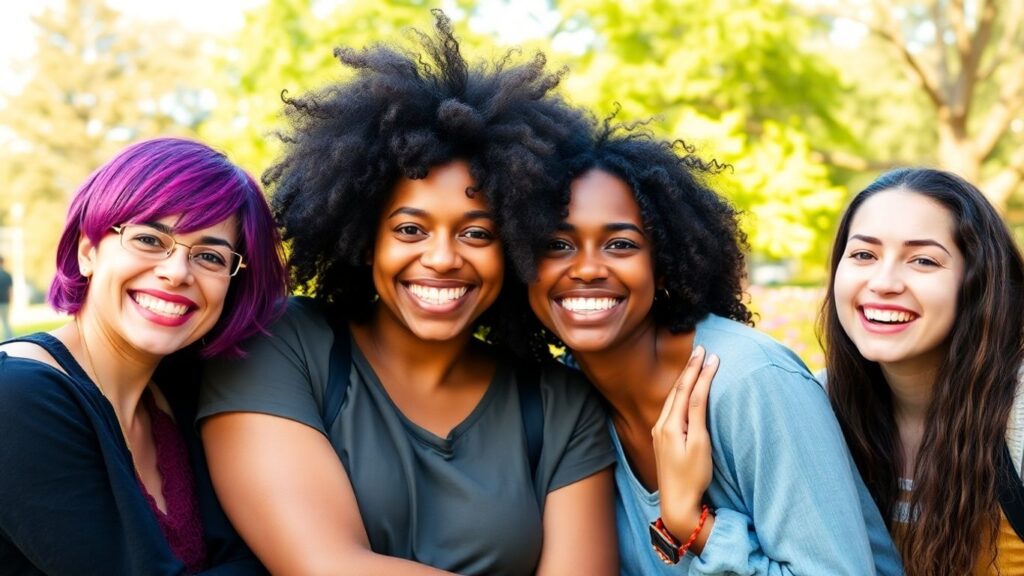
Building something real and lasting, especially when more than two people are involved, takes work. It’s not just about finding someone new; it’s about creating a space where everyone feels seen and valued. This means being really clear with each other from the start and keeping those lines of communication open.
Open and Clear Communication
This is probably the most important part. You can’t just assume everyone knows what’s going on or what someone else is thinking. Honest, direct conversations are key. It’s about sharing your thoughts, feelings, and expectations, and also really listening to the other person’s. Don’t be afraid to ask questions, even if they feel a little awkward. It’s better to clear things up early than to let misunderstandings fester.
- Talk about what you want: Are you looking for something casual, or something more serious? What are your boundaries?
- Listen actively: Pay attention to what the other person is saying, not just the words but the feelings behind them.
- Check in regularly: Don’t wait for a problem to arise. Make time to talk about how things are going.
“My husband and I joined Swingtowns a couple of years ago. We are new to this lifestyle and were a little apprehensive in getting involved in something like this, but we wanted to spice up our sex life and bite the bullet. We have met some wonderful respectful people and have become friends with everyone we met.” -Needtocome
Creating Space for Individual Bonds
When you bring a new person into a relationship, it’s easy to fall into the trap of thinking everything has to be a perfect, balanced triad all the time. But that’s not always realistic, or even desirable. People connect differently, and that’s okay. Allow relationships to develop at their own pace. The connection between Partner A and the new person might look different from the connection between Partner B and the new person, and that’s perfectly fine. The goal is for each person to have their own meaningful connection, not just to be part of a package deal.
- Respect individual time: Make sure everyone gets one-on-one time with each other person.
- Don’t force balance: Let connections grow naturally. Some might be more intense, others more relaxed.
- Support outside connections: Encourage each person to maintain their own friendships and interests outside of the relationship.
Navigating Complex Emotions Together
Let’s be real: emotions can get messy, especially when new people are involved. Jealousy, insecurity, excitement, confusion – it’s all part of the mix. The trick is to acknowledge these feelings without letting them take over. Talk about what you’re feeling, and be supportive of each other. If someone is feeling insecure, instead of dismissing it, try to understand why and see what can be done to help them feel more secure. It’s about facing these challenges as a team, not as individuals trying to manage their own drama.
- Acknowledge jealousy: Don’t pretend it doesn’t exist. Talk about what triggers it.
- Offer reassurance: Let people know they are valued and desired.
- Problem-solve together: When issues come up, work as a group to find solutions.
Respectful Approaches To Dating
When you’re looking to date, especially if you’re interested in women who identify as bisexual, it’s really important to go into it with a good head on your shoulders. This isn’t just about finding someone; it’s about making sure everyone involved feels seen and respected. A big part of this is avoiding bi-erasure in dating, which means not making assumptions or reducing someone’s identity to fit a narrow idea.
Prioritizing Consent and Boundaries
This is probably the most important part. Before anything else happens, you need to have clear conversations about what everyone is comfortable with. This isn’t a one-time chat; it’s an ongoing thing. Think about it like setting up the rules of a game before you start playing. Clarify the expectations, state the hard limits, and identify any “maybe later” possibilities from the start.
- Discuss expectations openly: What is everyone looking for? A casual connection, something long-term, or something else entirely?
- Establish clear boundaries: What is okay, and what is definitely not okay for each person?
- Check in regularly: Feelings and needs can change. Make sure to keep the lines of communication open.
Swingtowns is incredible, I have met many awesome couples and single females on here. I recommend this site to anyone in the lifestyle! -MrMsBullDurham
Avoiding Objectification and Stereotypes
It’s easy to fall into traps, especially when dating someone with an identity that might be less understood. Bisexual women are individuals, not a fantasy or a checklist. They have their own lives, interests, and feelings that have nothing to do with their sexual orientation. Try not to reduce them to just their attraction to multiple genders. This means not making assumptions about their past relationships, their current desires, or what they ‘should’ be like.
- See them as a whole person, not just a label.
- Don’t assume their experiences or preferences based on stereotypes.
- Be mindful of language that might reduce or dismiss their identity.
Building Trust Through Honesty
Honesty is the bedrock of any healthy connection. This means being upfront about who you are, what you’re looking for, and any existing relationships or commitments you have. If you’re dating someone who is bisexual, and you’re also interested in other people, or if you’re in a relationship and looking to bring someone new in, that needs to be communicated clearly and early on. Hiding things or being vague only leads to misunderstandings and hurt down the line. Genuine trust is built when actions match words.
Wrapping It Up
So, we’ve talked a lot about what it means to date bisexual women, especially when couples are looking to bring someone new into their dynamic. It’s easy to get caught up in fantasies, but the real deal is about seeing people as, well, people. That means being upfront, honest, and treating everyone involved with genuine respect. Remember, no one is a fantasy accessory. Building healthy relationships, no matter the shape they take, comes down to clear communication and making sure everyone feels heard and valued. It’s not always simple, but it’s definitely worth the effort.
Frequently Asked Questions
What does “bisexual” really mean?
Being bisexual means you can be attracted to more than one gender. It’s a real and valid way to be, and lots of people identify as bisexual. It’s not just about being attracted to men and women; it can include other genders too.
What is a “unicorn” in dating?
A “unicorn” is usually a single person, often a bisexual woman, that a couple is looking for to join their relationship. The idea is that this person would be attracted to both people in the couple and fit into their existing dynamic without changing it much. It’s called a unicorn because finding someone like that is thought to be pretty rare.
What’s wrong with “unicorn hunting”?
“Unicorn hunting” can be a problem when couples look for a third person without considering that person’s needs and feelings. Sometimes, couples might have strict rules that only protect them, or they might treat the third person like they’re easily replaceable. It’s not fair if the couple doesn’t think about the third person as a whole individual with their own desires and boundaries.
How can I make sure I’m dating a bisexual woman respectfully?
To date anyone respectfully, including bisexual women, focus on getting to know them as a person, not just a fantasy. Listen to their needs, respect their boundaries, and communicate openly. Avoid making assumptions based on stereotypes about bisexuality.
Can men or non-binary people be “unicorns” too?
Yes, absolutely! While the term “unicorn” often refers to bisexual women, people of any gender can be unicorns. A man could join a couple, or a non-binary person could join any kind of couple. The important thing is that everyone involved is treated with respect and their needs are considered.
What’s the best way to build a healthy connection in a non-traditional relationship?
Honest and open communication is key. Talk about what everyone wants and expects. Make sure everyone feels heard and valued. It’s also important to allow each person to have their own individual connection with the others, not just as part of a group.
Lead With Consent — Keep Dating Ethical and Human
Bisexual women aren’t a “missing piece”—they’re whole, complex people who deserve to be met with respect and real choice. If you want to date ethically, learn what healthy approaches look like from folks who’ve been there and care about doing it right. Join the community by signing up for a free SwingTowns account and connect with people who value autonomy and consent. Sign up for a free SwingTowns account today to start your adventure.
“Swingtowns.com has been one of the best places for meeting like minded and fun party people. I’m always looking to meet new people and this site never fails.” -PoundnSand