BIPOC Identity in Polyamorous Spaces: Being Seen and Heard
Exploring polyamory as a person of color often means encountering a landscape that doesn’t always reflect our experiences. Many of us come to non-monogamy seeking something different, a way to love and connect that feels more authentic. But the reality can be complicated, with dominant culture norms still showing up in unexpected places. This article looks at why seeing ourselves reflected in polyamorous spaces is so important, and what we can do to build more inclusive communities.
Key Takeaways
- Representation in polyamory matters because it helps BIPOC individuals feel seen and validated, challenging the idea that non-monogamy is a one-size-fits-all experience.
- Polyamory can be an orientation, not just a lifestyle choice, and understanding this is key to challenging stigma and discrimination faced by BIPOC polyamorists.
- BIPOC polyamorists often face unique challenges like emotional labor, cultural expectations, erasure of queer and trans identities, and racism within polyamorous communities.
- Finding community and resources that are culturally responsive is vital for BIPOC individuals to share lived experiences and build supportive networks.
- Polyamory can be a path toward liberation, allowing for radical self-expression and healing from historical and intergenerational trauma, but this requires actively dismantling oppressive systems within the community.
Why Representation Matters in BIPOC Polyamory
It’s easy to think of polyamory as this inherently progressive, open-minded thing, right? Like, if you’re not monogamous, you’re automatically challenging the status quo. But for many of us who are also BIPOC, the reality can be a lot more complicated. We often find ourselves in spaces where, even with the best intentions, dominant culture norms still creep in. This can mean feeling like the only one in the room who looks like you, or having to constantly explain aspects of your identity that aren’t understood. The importance of diversity in polyamory isn’t just about numbers; it’s about creating spaces where our full selves are seen and valued, not just tolerated.
Navigating Polyamory as a BIPOC Individual
When you’re a BIPOC person exploring non-monogamy, you’re often dealing with layers of experience that aren’t always talked about in mainstream poly resources. This can include navigating family expectations that might not understand or accept non-traditional relationships, or dealing with microaggressions that come from a place of ignorance about race and culture. It’s a lot to carry, and it means we often have to be more intentional about finding communities that truly get it. It’s about finding people who understand that our relationship styles don’t exist in a vacuum, but are shaped by our cultural backgrounds and lived experiences.
Challenging Dominant Culture Within Non-Monogamy
Sometimes, even in communities that aim to be inclusive, you can still find the same old power dynamics playing out. Think about it: are discussions about relationships always centered around cis-heteronormative ideas? Are certain relationship structures or dynamics favored without question? For BIPOC folks, this can feel like a re-creation of the same issues we face in the wider world, just in a different setting. We need to actively push back against these norms and create something that genuinely reflects a wider range of experiences and values. It’s about making sure that challenging mononormativity doesn’t just mean swapping one set of restrictive rules for another.
The Need for Inclusive and Culturally Responsive Spaces
What we really need are spaces where our identities are not just acknowledged but celebrated. This means creating environments where BIPOC polyamorous individuals feel safe to express their whole selves, without fear of judgment or having to educate everyone around them. It’s about building communities that are actively anti-racist and culturally aware, where resources and conversations are accessible and relevant to our lives. Finding these spaces can be tough, but they are so important for our well-being and for building a more equitable polyamorous future. It’s about finding your people, your chosen family, who understand the nuances of your journey. You can find resources and support from people who are already doing this work, like those featured on Poly Role Models.
“Wow!! This site is absolutely amazing. Me and my lady have met some fun sexy people on here and got some great feedback from other couples about our profile.” -JessnOsc77
Beyond Mononormativity: BIPOC Experiences in Polyamory
When we talk about polyamory, it’s often framed as this super progressive, open-minded thing, right? But for many of us who are Black, Indigenous, and People of Color (BIPOC), the reality can feel a lot more complicated. It’s not always the easy, breezy liberation story you might read about. We often find ourselves navigating these spaces while also dealing with the baggage of dominant culture, even when we’re trying to escape it. It’s like, we’re looking for ourselves in these communities, but sometimes it feels like we’re still on the outside looking in.
Polyamory as an Orientation, Not Just a Lifestyle
For a lot of us, polyamory isn’t just a phase or a choice we made because it sounds cool. It feels more like how we’re wired, a fundamental part of how we experience love and connection. It’s not just about having multiple partners; it’s about an innate capacity for deep, expansive love that doesn’t fit neatly into the monogamous box. This way of being feels like the most honest expression of who we are, and it’s hard to imagine identifying any other way. It’s a core part of our identity, not just a lifestyle choice.
The Intersection of Identity and Relationship Structures
Our identities as BIPOC individuals don’t just disappear when we enter polyamorous relationships. They intertwine with how we approach non-monogamy. We might be dealing with cultural expectations from our families or communities that don’t understand or accept non-traditional relationships. Plus, there’s the whole experience of being a person of color in spaces that might not always feel truly inclusive. It’s about how our race, culture, and other identities shape our polyamorous journeys, and how we find partners who understand these layers. It’s about seeing yourself reflected in polyamorous communities, and finding people who get it.
Challenging Stigma and Discrimination in Polyamorous Communities
Even within polyamory, we can face unique challenges. Sometimes, it feels like we’re the only ones of color in a room, and we end up doing a lot of emotional labor, educating others about racism or microaggressions. There’s also the risk of being fetishized or tokenized. And let’s not forget the ways racism, colorism, and classism can show up, influencing who gets attention or feels welcome. It’s a constant effort to push back against these things and build spaces where everyone, especially BIPOC individuals, feels truly seen and respected. We need to challenge the idea that polyamory is just for the privileged; it’s about sharing love and connection, and that should be accessible to everyone, regardless of their background. Finding resources and support for BIPOC relationships and polyamory is so important for this journey.
“So far it’s been a fun way to connect with like minded people. In a open, judgement free environment. Lots of people to get to know.” -StaggerinVixen86
Finding Community and Support
It can feel isolating trying to figure out polyamory, especially when you’re a person of color. You might be looking for people who just get it, you know? People who understand the unique blend of cultural background, identity, and relationship style you’re working with. Finding your tribe is so important, and thankfully, there are ways to connect.
Resources for BIPOC Polyamorous Individuals
There are a growing number of resources specifically for BIPOC folks exploring non-monogamy. These can range from online groups and forums to local meetups and even specialized workshops. It’s about finding spaces where you don’t have to do all the explaining or feel like the token person in the room. Look for organizations or groups that explicitly state their commitment to inclusivity and cultural responsiveness. Sometimes, just knowing others are out there doing the same thing can make a huge difference. You can find some great starting points for connecting with others and learning more about polyamory at readyforpolyamory.com.
The Importance of Shared Lived Experiences
When you find others who share similar lived experiences, it’s like a breath of fresh air. You can talk about the specific challenges you face, like dealing with family expectations or navigating predominantly white polyamorous spaces, without having to preface everything with a long explanation of your background. These shared experiences create a foundation for deeper connection and mutual understanding. It’s in these spaces that you can truly feel seen and validated.
Building a More Inclusive Polyamorous Future
Ultimately, we all have a part to play in making the polyamorous community more welcoming for everyone. This means actively challenging biases, speaking up against discrimination when we see it, and creating new spaces that center BIPOC voices and experiences. It’s about moving beyond just tolerance to genuine inclusion. By sharing our stories and supporting each other, we can help shape a future where polyamory is truly accessible and affirming for all.
“We are very excited to have joined Swing Towns. We have already chatted and met some fun people. We look forward to meeting many more friends and having a great time making new connections.” –
IzzyBlossomKatee
Addressing Unique Challenges for BIPOC Polyamorists
Emotional Labor and Representation Fatigue
It’s pretty common for BIPOC folks in polyamorous circles to feel like they’re the only ones of their kind around. This often means being asked to explain your culture, your experiences, or even just deal with microaggressions on your own. It’s like being on constant display, and honestly, it’s exhausting. You might find yourself doing a lot of emotional work just to help others understand, and that can really wear you down. It’s important to find spaces where you don’t have to be the educator all the time.
Cultural Expectations and Family Dynamics
Many of us grew up with family or cultural backgrounds where non-traditional relationships, like polyamory, aren’t really a thing. It can feel like you’re caught between honoring your family’s values and living your own truth. Explaining polyamory to parents or elders can be tough, and sometimes it leads to misunderstandings or even judgment. It’s a delicate balance, trying to maintain those connections while also being authentic about your relationships.
Erasure and Misunderstanding of Queer and Trans Identities
Even in communities that say they’re open, there can still be a default to cis-heteronormative ways of thinking. This means that sometimes, queer and trans individuals might experience misgendering, exclusion, or assumptions about their roles in relationships. It’s frustrating when spaces that claim to be about freedom and authenticity don’t fully recognize or respect the full spectrum of identities within polyamory. Finding partners and communities that truly get it can be a challenge.
Racism and Colorism Within Polyamory
Racism and colorism often show up in polyamorous spaces, even those that claim to be inclusive. BIPOC individuals may face exclusion, fetishization, or be treated as less desirable based on race or skin tone. These biases can shape partner choices, social circles, and who feels welcome in the community. Colorism adds another layer, privileging lighter skin even within marginalized groups. These patterns reflect larger societal injustices and can make polyamorous spaces feel unsafe or isolating. Acknowledging and challenging these dynamics is essential for creating truly inclusive, equitable relationship networks where all people are valued and respected.
Love, Liberation, and BIPOC Polyamory
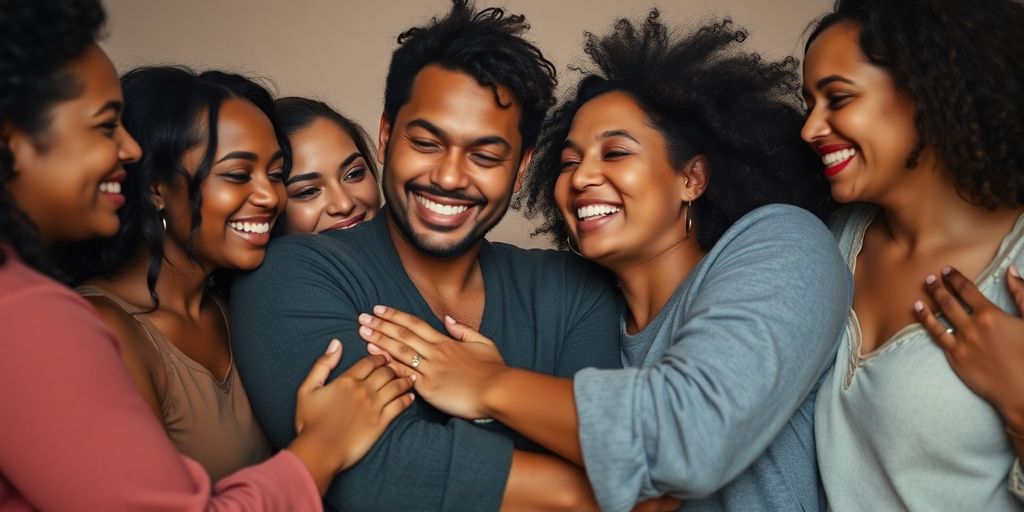
Polyamory as an Orientation, Not Just a Lifestyle
For many, polyamory isn’t just a lifestyle choice—it feels like an authentic way of being. It reflects a belief that love isn’t limited to one person and challenges traditional ideas about relationships. This can be especially radical for BIPOC individuals, whose communities may already view non-traditional structures with skepticism. Polyamory isn’t only about having multiple partners; it’s about embracing expansive, honest connections that align with who we truly are. It invites us to build relationships based on openness, care, and truth—not rigid norms. For BIPOC folks, this often means resisting societal pressures and reclaiming the freedom to love differently.
The Intersection of Identity and Relationship Structures
Being BIPOC and polyamorous means your identity stays with you in every relationship—it’s all interconnected. Your experience of love is shaped by race, culture, gender, and personal history. That can make finding partners who truly understand those intersections challenging. Often, you’re left explaining things that feel obvious to you but unfamiliar to others. It can feel like building on a foundation that wasn’t made for your reality, requiring constant adjustments. That’s why it’s so important to find people who are willing to listen, learn, and grow with you. Polyamory, in this context, becomes about creating relationships that honor your full self—not just the parts that fit neatly into others’ expectations. It’s about building love that reflects your truth.
Challenging Stigma and Discrimination in Polyamorous Communities
Even in supposedly open polyamorous spaces, BIPOC individuals often face the same issues found in the wider world—microaggressions, fetishization, and being the only person of color in the room. It’s exhausting, especially when the spaces meant to offer refuge end up repeating harmful patterns. Change requires active effort: calling out racism and colorism, pushing for diverse representation, and building spaces where everyone feels truly seen. Polyamory’s promise of liberation should be accessible to all, not just a privileged few. That means committing to inclusivity on both personal and community levels. Supportive environments, such as inclusive therapy or culturally competent professionals, can make a huge difference. Therapists like Anastasia Gomes understand these layered experiences and offer care that honors identity and relationship diversity. Creating equitable, affirming polyamorous communities takes work—but it’s necessary for real belonging and connection.
Polyamory as a Tool for Radical Liberation
For many of us, polyamory is more than just a relationship style; it’s a pathway to freedom. It’s a way to break free from the restrictive boxes that society puts us in, especially when it comes to love and desire. By choosing to love and connect in ways that honor our authentic selves, we’re actively dismantling oppressive systems. This is especially true for BIPOC individuals who have historically been denied agency over their own bodies and relationships. Polyamory can be a way to reclaim that power, to say, “My love is expansive, and I get to define it.” It’s about challenging the status quo and creating a world where everyone can love who they love, how they love, without judgment. It’s a practice of saying yes to our desires and building a life that feels truly free.
The Audacity of Desire and Belonging
It takes a certain kind of courage, an audacity really, to claim your desires when so much of the world tells you to shrink yourself. For BIPOC folks, this can mean wanting love, intimacy, and connection in ways that defy cultural norms or family expectations. It’s about saying, “I deserve to feel this, and I deserve to have this.” It’s about finding your people, your community, where you can be fully yourself and feel a sense of belonging. This isn’t just about finding partners; it’s about finding spaces where your whole self is celebrated, where your desires are seen as valid and beautiful. It’s about creating a sense of home, wherever that may be, with whoever you choose to share your life with. It’s a powerful act of self-love and self-determination.
Healing Historical and Intergenerational Trauma
Our relationships don’t exist in isolation—they’re shaped by history, colonization, and systemic oppression. For BIPOC polyamorists, this often means navigating inherited patterns where vulnerability feels risky. But polyamory, approached with care, can be a space for healing. It allows us to create new ways of loving rooted in consent, communication, and mutual respect. By naming past trauma and choosing intentional connection, we reclaim our narratives and build relationships grounded in safety and liberation. This journey isn’t just about structure—it’s also deeply emotional and historical. While many resources focus on the logistics of non-monogamy, it’s equally vital to engage with those that explore healing and identity, like the work of bell hooks or adrienne maree brown. These perspectives help us build love that honors both our past and our desire for a more connected future.
Moving Forward, Together
So, where does this leave us? It’s clear that polyamory, especially for BIPOC folks, isn’t just about having multiple partners. It’s deeply tied to challenging bigger systems, like patriarchy and racism, that show up even in spaces meant to be open. We’ve seen how mainstream polyamory discussions often miss the mark, leaving many feeling tokenized or dealing with bias alone. Finding resources and communities that truly get our experiences, especially those led by BIPOC and queer voices, is so important. It’s about building relationships that feel authentic and honoring our whole selves, even when it means pushing back against norms. This journey is about more than just love; it’s about creating a world where everyone, in all their complexities, truly belongs.
Frequently Asked Questions
What does it mean to be a BIPOC (Black, Indigenous, and People of Color) person in polyamory?
Being a person of color and practicing polyamory means you might face unique challenges. Sometimes, you might feel like you’re the only one in your friend group or dating scene who looks like you. This can lead to feeling tired from having to explain your identity or experiences to others, or dealing with unfair comments. It’s important to find spaces and people who understand and accept you for who you are, without making you feel like you have to represent an entire group.
Is polyamory a lifestyle choice or an orientation?
Polyamory is about having loving, honest relationships with more than one person at the same time, with everyone knowing and agreeing. It’s not just a choice or a phase, but for many, it’s a deep part of how they feel about love and connection. It’s like being wired to love in this way, and it’s about being true to yourself and your feelings.
How can BIPOC and queer individuals face discrimination within polyamorous communities?
Sometimes, even in communities that seem open, people of color and LGBTQ+ individuals might still face unfairness. This could mean feeling like you’re only wanted because of your race or gender, hearing hurtful comments, or having your relationships not be taken seriously. It’s important for these communities to be truly welcoming and understand everyone’s background and experiences.
How do cultural expectations and family views affect BIPOC polyamorists?
Family and cultural backgrounds can make practicing polyamory tricky. Some families or cultures might not understand or accept relationships with more than one partner, seeing it as wrong or disrespectful. This can create a difficult situation where you feel caught between what your family believes and living your own truth.
Where can BIPOC polyamorous individuals find support and community?
Yes, there are resources available! Many books, podcasts, and online communities focus on ethical non-monogamy and polyamory, with some specifically created by and for BIPOC and LGBTQ+ people. Finding these resources can help you learn, connect with others who share similar experiences, and feel less alone.
How can polyamory be seen as a form of liberation for BIPOC individuals?
Polyamory can be a way to break free from old ideas about love and relationships, allowing people to love who they want and how they want. It’s about wanting love and connection in a way that feels right for you, and finding a sense of belonging and happiness without fitting into narrow expectations.
Belong Together – Where Every Voice Sparks New Possibility
Your story matters, and your presence enriches every space you enter. Join a community where BIPOC experiences in polyamory are not only welcomed but celebrated with care and authenticity. Find solidarity, share your truth, and connect with others who see you fully. Sign up for your free SwingTowns account today and start building the relationships you deserve in a space made for you.
Swingtowns is incredible, I have met many awesome couples and single females on here. I recommend this site to anyone in the lifestyle! -MrMsBullDurham