Cuckold Marriage History: The Journey from Taboo to Acceptance
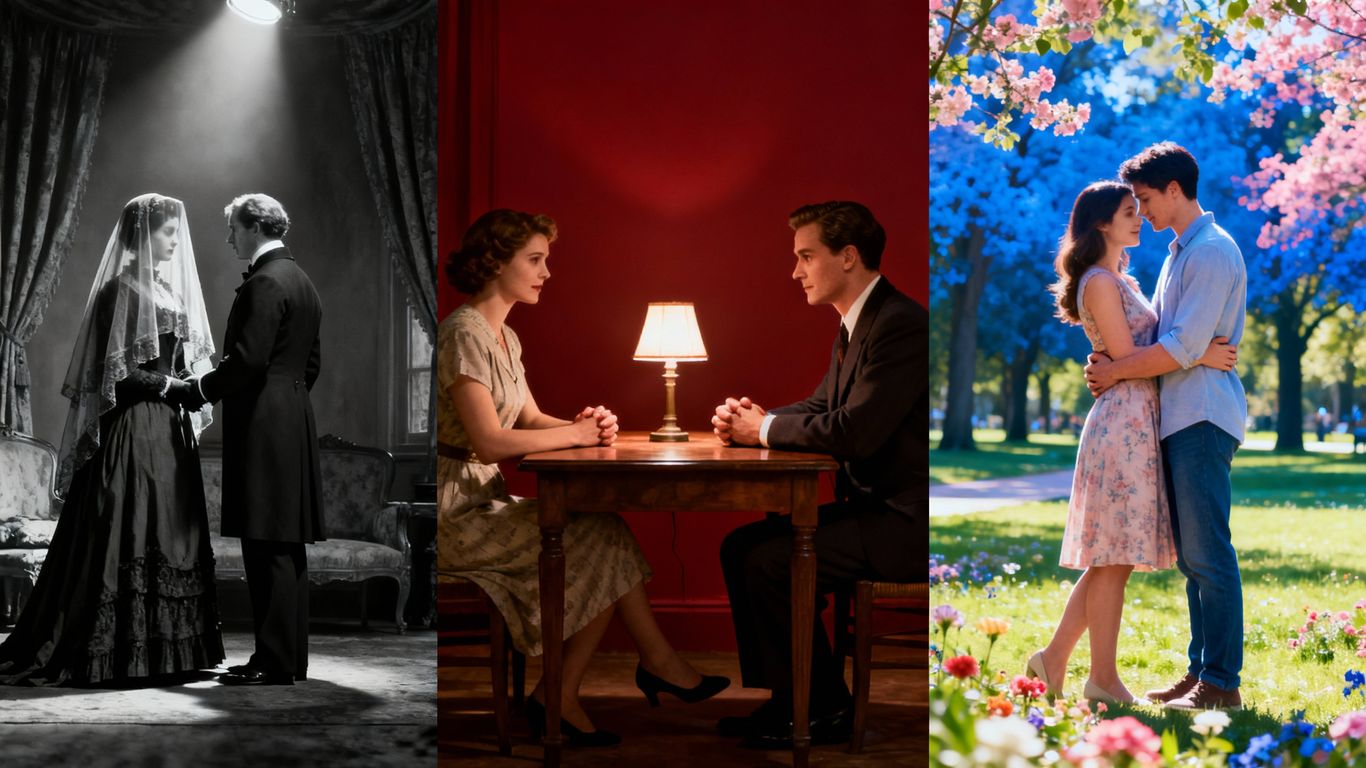
The history of cuckold marriage is a long and winding road, moving from something whispered about in dark corners to a topic openly discussed and even explored in modern relationships. It’s a journey that touches on everything from ancient fears about lineage to contemporary ideas about trust and desire. We’re going to look at how this concept has changed over time, what it means for couples today, and why it’s become such a fascinating subject.
Key Takeaways
- The term ‘cuckold’ has roots going back centuries, often linked to fears about paternity and male honor, symbolized by horns and animal comparisons.
- Historically, a wife’s infidelity brought deep social shame upon her husband, reinforcing rigid gender roles and the importance of male control.
- Modern interpretations see cuckolding explored in various ways, from niche adult entertainment to political insults, reflecting evolving views on masculinity and relationships.
- For some couples, consensual cuckolding can enhance intimacy, trust, and emotional connection by openly addressing desires and vulnerabilities.
- Societal acceptance of cuckolding is growing, especially among younger generations, as open communication and diverse relationship models become more common.
The Ancient Roots Of Cuckoldry
Origins Of The Term “Cuckold”
The word “cuckold” itself has a pretty old history, stretching back centuries. It’s thought to come from the cuckoo bird, you know, the one that lays its eggs in other birds’ nests. Pretty fitting, right? For centuries, people have told stories about infidelity and about partners raising children who aren’t their own. In the Renaissance, calling a man a cuckold directly attacked his masculinity and honor — one of the harshest insults of the time. It didn’t just suggest infidelity; it attacked a man’s sense of honor and masculinity. Think of it as a public shaming, a way to say you weren’t in control, that you were weak. The term really took hold as a way to talk about male insecurity and the fear of being deceived.
Symbolism Of Horns And Animals
Speaking of symbols, horns are a big one when we talk about cuckoldry. For a long time, especially in Europe, horns became this universal sign for a man whose wife was unfaithful. It’s a bit like how a defeated stag might lose its antlers, symbolizing lost pride or status. You’d see it in folklore and art, a visual shorthand for ridicule and a man’s perceived loss of masculinity. It was a way for society to mark someone, to make an example of them, and reinforce what was considered acceptable behavior. This symbolism wasn’t just about a private matter; it was a public spectacle, a warning.
Renaissance Literature And Cuckoldry
The Renaissance was a really interesting time for this topic. Writers and playwrights, like Shakespeare, often used cuckoldry in their stories. It wasn’t always straightforward, though. Sometimes it was played for laughs, other times it was a serious critique of how society viewed men and their honor. These stories explored the anxieties around fidelity, marriage, and what it meant to be a man. They showed how a wife’s infidelity could bring public shame not just on her, but especially on her husband, stripping him of his status and respect. It was a way to examine the power dynamics within relationships and the societal pressures men faced. The historical context of non-monogamy and infidelity was a recurring theme, showing that while monogamy was the ideal, deviations were common and often led to dramatic storytelling.
Gender Dynamics And Societal Shame
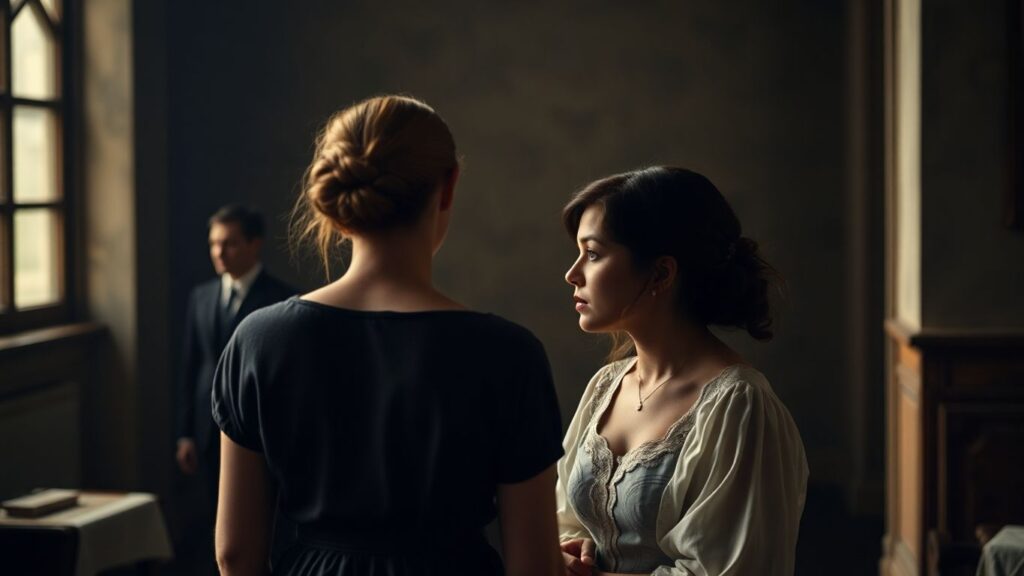
In societies built on patriarchal structures, a wife’s infidelity wasn’t just a personal issue; it was a public stain on a man’s honor. It suggested he was weak, unable to control his household or his partner. This idea really seeped into everything, from folklore to everyday jokes. People often linked masculinity to control, believing that a man who couldn’t keep his wife faithful had failed at being a man.
Gender Dynamics And Male Honor
In the past, societies tied male honor closely to a woman’s fidelity. When a wife strayed, people viewed it as a direct reflection of her husband’s inadequacy. This wasn’t just about personal feelings; it was a social statement. If a man was known to be “cuckolded,” his social standing could plummet. It was like a public announcement that he lacked the strength or authority expected of him. This pressure to maintain control and uphold honor created a rigid framework for relationships, where a man’s worth was, in part, measured by his partner’s actions.
Social Stigma And Public Ridicule
The consequences of being labeled a cuckold were often severe and very public. Think of effigies being paraded, or symbolic horns being displayed – these weren’t subtle hints. They were loud, clear messages meant to shame and ostracize. This public spectacle served as a warning to other men and reinforced the societal expectation that infidelity was unacceptable and carried a heavy price, especially for the man involved. It was a way for communities to police behavior and maintain a certain social order.
Cross-Cultural Perspectives On Infidelity
While the specifics differ, the underlying theme of shame and male honor connected to infidelity appears in many cultures. In some parts of Europe, terms like “cornuto” (Italian) or “porter des cornes” (French) directly reference the symbolic horns associated with cuckoldry, carrying a heavy load of ridicule. In Islamic cultures, the term “dayouth” describes a man who permits his wife’s infidelity, highlighting an expectation of male control. These variations show how deeply ingrained the idea of male responsibility for a partner’s sexual conduct has been, even as the expressions of that shame vary.
“This is an amazing place to explore and experience. The best online platform for swinging.” -Decentfinder
- Public Humiliation: Often involved symbolic acts like wearing horns or public mockery.
- Loss of Status: Being labeled a cuckold could lead to social ostracization and diminished respect.
- Reinforcement of Patriarchy: The stigma reinforced the idea that men were responsible for controlling female sexuality and maintaining family honor.
Modern Interpretations And Evolving Norms

Evolution Of Cuckoldry In Contemporary Society
Things have really shifted when it comes to how we think about cuckolding. It’s not just some fringe topic anymore. You see it popping up more and more in discussions about relationships and sexuality. This shift reflects changing perceptions of marriage and a broader willingness to explore different relationship dynamics. The internet has played a huge part in this, making it easier for people to find information, connect with others who share similar interests, and explore fantasies in a more private way. It’s like a whole new world opened up for people who were maybe feeling alone with these desires.
Media Representation And Public Perception
Media, from movies to online content, is starting to show cuckolding in different lights. It’s moved beyond just being a punchline or a taboo subject. Now, you’ll find stories that explore the emotional side, the power dynamics, and even the consensual aspects. This increased visibility helps to normalize the conversation, even if it still sparks debate. It’s pushing people to rethink what infidelity means today and to explore relationship structures that might surprise older generations.
Societal Trends And Mainstream Acceptance Of Cuckolding
It’s pretty interesting to see how societal trends are influencing the acceptance of cuckolding. Younger generations, in particular, seem much more open to redefining traditional relationship structures. Surveys show a significant number of people, especially those under 30, have fantasized about it or are curious about it. This openness is pushing the conversation forward, making it less of a whispered secret and more of an acknowledged, albeit still niche, part of modern sexual culture. It’s a sign that people are looking for new ways to connect and experience intimacy.
Here’s a quick look at some trends:
- Increased Online Exploration: Digital platforms provide safe spaces for discussion and fantasy.
- Youthful Openness: Younger demographics show a greater interest in non-traditional sexual behaviors.
- Redefining Intimacy: Cuckolding is seen by some as a way to explore deeper connections and trust.
“I am enjoying swingtown and the way it is run. Hope to meet some great people who enjoy healthy sexy fun together. Life is tooo short not to.” -teaser71902
Relationship Impact And Psychological Exploration

Relationship Impact and Emotional Considerations
So, how does all this cuckolding stuff actually affect people in their relationships? It’s not just about the physical act, you know. For many couples who explore this, it can actually bring them closer. Think about it: you have to talk about some pretty deep stuff, things that might feel a bit scary or taboo. Open communication is the absolute bedrock here. If you can talk about these fantasies and desires honestly, without judgment, it can build a really strong sense of trust. Sometimes, people channel feelings like jealousy or shame—usually seen as negative—into the dynamic in ways that create excitement and strengthen their bond. It’s about turning potential discomfort into a shared adventure.
It’s not always smooth sailing, though. Couples need to be really mindful of each other’s feelings and boundaries. Taking things slow and checking in often is key. It’s about making sure both partners feel safe and respected throughout the whole process. When done with care and mutual respect, it can lead to a more fulfilling connection.
The Cuckold Fetish and Power Dynamics
This is where things get really interesting psychologically. The cuckold fetish often taps into a complex mix of emotions. For some, especially men, it can be about the thrill of vulnerability, the excitement of seeing their partner desired by someone else. It’s like playing with the edges of what feels safe and forbidden. There’s also this element of power exchange that can be really potent. Who’s in control? Who’s submitting? These dynamics can be explored in a way that’s consensual and exciting for both people.
It’s not just about one person’s fantasy, either. Often, the partner who is being desired can find a sense of empowerment and validation in it. It’s a dance of control and surrender, and when it works, it can be incredibly arousing for everyone involved. It really makes you think about what turns people on and why.
Exploring Vulnerability and Trust in Modern Relationships
Ultimately, exploring cuckolding, or any non-traditional sexual dynamic, is a journey into vulnerability and trust. It forces couples to confront their deepest desires and insecurities head-on. When you’re willing to be that open with your partner, to share those parts of yourself that feel a bit exposed, it can create an incredibly deep level of intimacy.
Here are a few things that often come up:
- Honest Communication: Like I said, this is non-negotiable. Talking about feelings, fears, and desires is paramount.
- Setting Clear Boundaries: Knowing what’s okay and what’s not is crucial for everyone’s comfort and safety.
- Mutual Respect: Even when exploring intense fantasies, treating each other with respect is vital.
- Emotional Safety: Creating a space where both partners feel secure, even when feeling vulnerable, is the goal.
“Really enjoying Swingtowns a lot! Very easy to use the app and lots of great people too.” -KarandBri1970
It’s a path that requires courage, but for many, the rewards in terms of increased intimacy and a stronger bond are well worth the effort.
The Evolving Landscape of Cuckolding
Looking back, it’s clear that the idea of cuckolding has come a long way. What was once a deep taboo — often tied to shame and accusations of male weakness — has gradually taken on new meanings.
Today, it appears everywhere from niche adult entertainment to conversations about modern relationships, and even as a political insult. These shifts show how our views on masculinity, trust, and intimacy have evolved over time.
While the historical baggage of horns and public ridicule still lingers, the conversation has broadened. Younger generations, especially, are more open to redefining traditional relationship roles and exploring desires with honesty and curiosity.
As we move forward, cuckolding continues to serve as a fascinating lens — reflecting our ongoing exploration of power, identity, and the fluid nature of human connection.
Frequently Asked Questions
What does the word ‘cuckold’ mean?
The word ‘cuckold’ comes from the way a cuckoo bird lays its eggs in another bird’s nest. People use the term to describe a man whose wife has been unfaithful, and historically, society attached deep shame and embarrassment to it.
Why were horns a symbol of cuckoldry?
Old stories and traditions often showed men with horns to mark that their wives had cheated. Society used this symbol to shame them publicly, comparing them to animals seen as weaker or easily dominated.
How did people react to cuckoldry in the past?
In the past, being a cuckold was a huge public embarrassment. It was seen as a man’s failure to control his wife and protect his honor. People would often make fun of these men, sometimes through public events or jokes in plays.
Is cuckolding more common now?
Yes, it seems to be more talked about and explored today. Many people, especially younger generations, have grown curious about it, and movies and online spaces now feature it more often. It’s becoming less of a complete secret and more of something people discuss.
Can cuckolding be good for a relationship?
For some couples, if they communicate openly and trust each other, exploring cuckolding can actually bring them closer. It can help them talk about desires they might not have shared before and build a stronger connection based on honesty.
Is cuckolding just about sex?
While sex is often a part of it, cuckolding can be about much more. It can involve exploring feelings of jealousy, power, trust, and vulnerability. For some, it’s a way to understand themselves and their partner better, and to challenge traditional ideas about relationships and masculinity.
From Taboo to Truth – The Evolution of Cuckold Marriage
Once considered forbidden, cuckold marriages have evolved into expressions of trust, communication, and emotional exploration. Learn how history, psychology, and modern openness are reshaping this dynamic today. Sign up for a free SwingTowns account to join a community that celebrates curiosity, consent, and connection.
“Swing Towns knows what’s up! Finally a platform where like minded people can connect.” -Cboy6983″