
Digital Nomads in Europe: Best Cities for Polyamory
Hey there, fellow digital nomads! Thinking about where to set up your next temporary home base in Europe and want to explore relationships beyond the usual? This guide, ‘A Digital Nomad’s Guide to Polyamory Friendly Cities in Europe,’ is for you. We’re diving into cities where open relationships aren’t just tolerated, but actually embraced. Forget the old ways; some European spots are really welcoming to folks who love more than one person. Let’s find your next adventure spot.
Key Takeaways
- Barcelona offers a vibrant, international atmosphere that’s welcoming to polyamorous individuals, with many therapists fluent in multiple languages and understanding of diverse relationship structures.
- Berlin is known for its culture of freedom and acceptance, making it easier for digital nomads to openly discuss and live their polyamorous lifestyles without fear of judgment.
- While polyamorous communities are growing in Italian cities, the influence of the Catholic Church and societal traditionalism can create challenges and stigma for those in non-monogamous relationships.
- Navigating polyamory in Europe involves understanding varying levels of societal acceptance, with some countries and cities being more open than others, often influenced by cultural and religious backgrounds.
- Digital nomadism, with its emphasis on freedom and flexibility, can sometimes clash with the deeper commitments often found in polyamorous relationships, highlighting the need for intentional community building.
Barcelona: A Hub For Open Relationships
Barcelona has a reputation for being a vibrant and accepting city, and this extends to its approach to relationships. For digital nomads exploring open relationships in Europe, it’s a place that often feels welcoming. The city’s general atmosphere, influenced by its Mediterranean culture, tends to be more relaxed about discussing sexuality and different relationship structures compared to some other parts of the continent. This openness makes it easier for individuals and couples practicing consensual non-monogamy to find community and feel understood.
The city’s international flair means you’re likely to encounter others with similar relationship philosophies. It’s not uncommon to find groups or events where people openly discuss their experiences with polyamory and other forms of ethical non-monogamy. This creates a supportive environment, especially for those new to the lifestyle or new to the city. You’ll find that many practitioners, including therapists and coaches, are well-versed in supporting diverse relationship dynamics. This is particularly true for those offering sex therapy in Barcelona, with many professionals fluent in English and understanding of expat life.
Here are a few reasons why Barcelona stands out:
- Cultural Acceptance: A generally more liberal outlook on relationships and sexuality.
- International Community: A large expat and nomad population often brings diverse perspectives on relationships.
- Resources: Availability of therapists and community groups familiar with open relationships.
It’s this blend of a progressive social climate and a large, transient population that makes Barcelona a notable spot for those interested in open relationships in Europe destinations. You might even find specific organizations catering to the LGBTQ+ community, like Shahmaran, which can be a good starting point for finding like-minded individuals and events [933e].
“This site has been super fun. Would highly recommend for all players :)” -coltpl4y
Berlin: Freedom And Acceptance
Berlin has a reputation for being a city that really embraces individuality, and that definitely extends to relationships. It feels like a place where you can be more open about who you are and who you love, without as much of the side-eye you might get elsewhere. Many people who practice consensual non-monogamy find it easier to talk about their relationships here, even with colleagues or new acquaintances. It’s not uncommon to hear people discussing their multiple partners or different relationship structures openly.
This atmosphere of acceptance isn’t just about casual conversations; it translates into a more supportive environment for those in polyamorous relationships. You’re less likely to encounter the kind of judgment that can make life difficult in more conservative places. Berlin’s progressive vibe seems to create a space where diverse relationship styles are not just tolerated, but often understood.
Here are a few reasons why Berlin stands out:
- Openness to Discussion: People are generally more willing to listen and engage in conversations about different relationship models.
- Visible Communities: There are active groups and events for people interested in or practicing polyamory and other forms of ethical non-monogamy.
- International Influence: The city’s diverse population brings a variety of perspectives, contributing to a broader acceptance of different lifestyles.
It’s this general sense of freedom that makes Berlin a really attractive spot for digital nomads who are also navigating polyamorous relationships. You can focus more on your work and your connections, rather than constantly worrying about how you’re perceived.
Italian Cities: Growing Polyamorous Communities
Italy might not be the first place you think of for polyamory, but things are definitely shifting. While the country has a reputation for being traditional, especially with the influence of the Catholic Church, there’s a growing subculture of people exploring consensual non-monogamy. Online communities have really taken off since the mid-2000s, with dedicated groups and forums popping up, making it easier for people to connect and share experiences. This digital connection often spills over into real life.
Many Italian cities are seeing more meetups, like poly aperitifs (think happy hour, but with more open conversations) and group dinners. These events are super important for building a sense of belonging, especially for those who might feel isolated. It’s about finding your people, even if it’s a bit of a “phantom Italy” where like-minded individuals can gather. The desire for authentic connections is driving this growth, making Italy a surprisingly good spot for polyamory travel in Europe.
However, it’s not always smooth sailing. Stigma is still a thing, and many people worry about judgment. This can make it tough to be open about relationships, especially in more conservative areas. But the movement is gaining momentum, with groups actively working to reduce prejudice and increase visibility. It’s a slow process, but the community is definitely becoming more visible and organized, creating more nomad friendly cities relationships.
Here’s a snapshot of what’s happening:
- Online Growth: Social media groups and forums have exploded in popularity, connecting polyamorous individuals across the country.
- Offline Gatherings: Events like poly aperitifs and dinners are becoming more common in major cities.
- Activist Efforts: Organizations are working to promote polyamory and create safer spaces.
- Community Support: Initiatives aim to provide a sense of belonging and reduce isolation.
“SwingTowns is awesome place to meet great people. We have met a lot nice people on here and had amazing time with several couples.” -LoveTerri77
The Role Of The Catholic Church In Italy
Italy is a country deeply intertwined with its history, and a big part of that history is the Catholic Church. For a long time, the Church’s views have shaped a lot of societal norms, and this can sometimes create a challenging environment for people practicing consensual non-monogamy. Think about it – the Church traditionally emphasizes monogamy as the only acceptable form of relationship. This deeply ingrained perspective can influence public opinion and even laws, making it harder for polyamorous individuals to feel fully accepted.
This traditional backdrop means that even in a modern, progressive Europe, Italy can feel more conservative when it comes to relationships outside the norm. While attitudes are changing, the influence of the Church is still felt, especially in smaller towns or among older generations. It’s not uncommon for people to face judgment or misunderstanding, even from friends or family, simply because their relationship structure isn’t what’s typically expected.
Here’s a look at how this plays out:
- Societal Expectations: The dominant narrative often defaults to heterosexual, monogamous relationships. Deviating from this can lead to assumptions and biases.
- Legal Recognition: While Italy has made progress, like legalizing same-sex civil unions, broader acceptance of diverse relationship structures is still a work in progress.
- Personal Experiences: Many polyamorous Italians report feeling a need to be discreet about their relationships, fearing negative reactions from colleagues, neighbors, or even acquaintances.
It’s a complex situation where deeply held traditions meet a growing desire for personal freedom and diverse forms of love. The presence of the Vatican in Rome, while a significant cultural landmark, also serves as a constant reminder of the Church’s historical and ongoing influence on Italian society.
Navigating Stigma In Europe
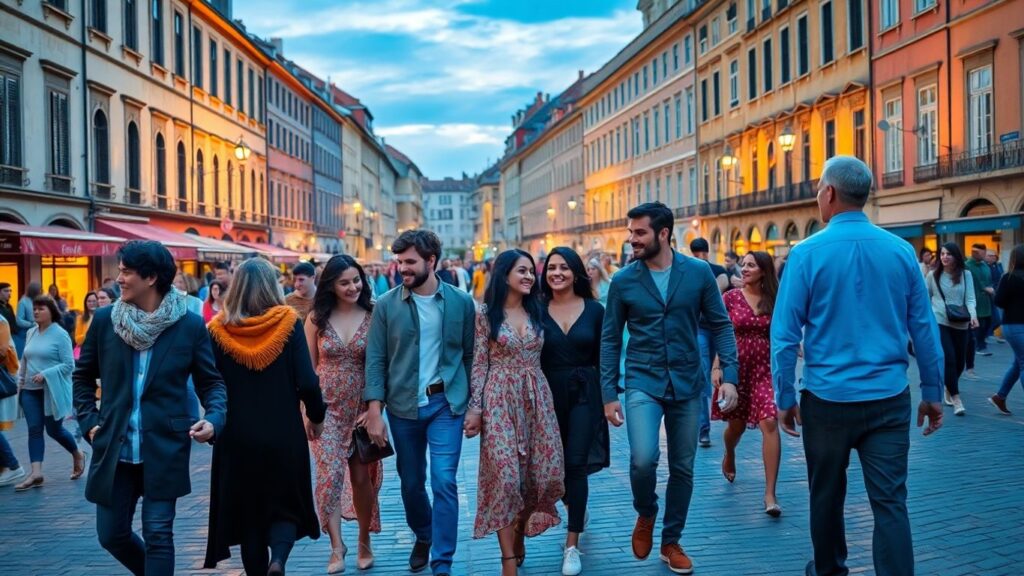
Even in generally progressive European countries, polyamorous individuals can run into some tough situations. It’s not always smooth sailing, and you might find yourself dealing with people’s assumptions or even outright judgment. This is especially true in places with strong traditional influences, where non-monogamy is still a pretty foreign concept.
It’s a bit of a mixed bag across the continent. Some cities are really open, and you’ll find communities that get it. But then you’ll travel somewhere else, and it feels like you’ve stepped back in time. People might not understand, or worse, they might be actively against it. This can make dating tricky, and sometimes even just talking about your relationships feels like a big deal.
Here are some common challenges you might face:
- Misunderstandings about consent and ethics: People often assume polyamory means cheating or a lack of commitment.
- Social exclusion: You might find yourself left out of social circles or family gatherings if your relationship style is known.
- Workplace discrimination: Some individuals have reported negative experiences at work after disclosing their relationship structure.
- Legal and administrative hurdles: Things like housing or insurance can sometimes be complicated when you don’t fit the traditional couple mold.
“Swingtowns is fun and interesting for all kinds of cats! There a plenty of friendly folks and no pushy pests. Plenty of flavors for every occasion.” -FreakyFux
Finding your people is key. Look for LGBTQ+ friendly spaces, online groups, or events specifically for consensual non-monogamy. These places can be a lifesaver, offering support and a sense of belonging. It’s about finding those pockets of acceptance where you can be yourself without constantly having to explain or defend your choices. Remember, you’re not alone in this, and building connections with like-minded people makes a huge difference.
Digital Nomadism And Commitment
The digital nomad lifestyle relationships often get a reputation for being fleeting, and honestly, there’s a reason for that. When your address changes every few months and your primary connection to a place is its Wi-Fi speed, putting down roots, even emotionally, can feel like a challenge. It’s easy to fall into a pattern of prioritizing freedom and novelty over deeper connections. This isn’t to say that committed relationships are impossible for digital nomads, but it does require a conscious effort to build and maintain them.
The core issue often boils down to how we define commitment in this context. Is it about physical proximity, or is it about emotional availability and consistent effort? For many, the allure of the digital nomad lifestyle is the very lack of traditional ties. However, this can lead to a sense of isolation or a feeling that relationships are somehow less ‘real’ because they aren’t tied to a fixed location.
Here are a few thoughts on how to approach commitment while living the nomadic life:
- Prioritize communication: When you’re in different time zones or countries, clear and frequent communication isn’t just helpful, it’s vital. Schedule calls, send voice notes, and be present when you are communicating.
- Be upfront about your lifestyle: Don’t hide the fact that you move around. Honesty from the start helps set expectations and allows potential partners to decide if this is something they’re comfortable with.
- Invest in local connections: While romantic relationships are a focus, building friendships and community ties wherever you go can provide a sense of stability and belonging that supports all your relationships.
- Define your boundaries: What does commitment look like for you? Is it exclusive dating, or are you open to other dynamics? Discussing this openly is key.
“My husband and I joined Swingtowns a couple of years ago. We are new to this lifestyle and were a little apprehensive in getting involved in something like this, but we wanted to spice up our sex life and bite the bullet. We have met some wonderful respectful people and have become friends with everyone we met.” -Needtocome
Ultimately, the digital nomad lifestyle doesn’t preclude commitment, but it does change the how. It’s about adapting traditional relationship values to a non-traditional way of living, focusing on the quality of connection rather than the quantity of time spent in the same room.
Therapy For Polyamorous Individuals

When you’re exploring consensual non-monogamy, especially while living the digital nomad life in Europe, things can get complicated. It’s not just about dating polyamory in Europe; it’s about managing multiple relationships, communication, and personal growth. That’s where specialized therapy comes in. Think of it as getting a tune-up for your relationship skills.
Many therapists now understand the nuances of non-monogamous structures. They can help you and your partners develop better communication strategies, set clear boundaries, and work through jealousy or insecurity that might pop up. It’s about building a stronger foundation for all your connections.
Here are some common areas therapy can help with:
- Improving communication: Learning to talk openly about needs, desires, and boundaries with all partners.
- Managing jealousy and insecurity: Developing tools to understand and process these feelings constructively.
- Boundary setting: Establishing and maintaining healthy limits within and between relationships.
- Navigating relationship transitions: Dealing with new partners, breakups, or changes in existing dynamics.
- Self-discovery: Understanding your own needs and desires within a polyamorous framework.
Swingtowns is incredible, I have met many awesome couples and single females on here. I recommend this site to anyone in the lifestyle! -MrMsBullDurham
Many therapists offer sessions online, which is perfect for digital nomads who are always on the move. This means you can get support no matter where you are in Europe. It’s an investment in your emotional well-being and the health of your relationships.
Understanding Consensual Non-Monogamy
So, what exactly is consensual non-monogamy, or CNM? It’s basically an umbrella term for relationships where all people involved agree that it’s okay to have more than one romantic or sexual partner. This isn’t about cheating; it’s about honesty and open communication. The key difference from traditional monogamy is the explicit consent and knowledge of everyone involved.
Think of it like this:
- Polyamory: This usually involves having multiple romantic relationships simultaneously, with emotional connections to all partners. People in polyamorous relationships often see love as abundant, not finite.
- Open Relationships: Often, this means a primary couple agrees they can have casual sexual encounters with other people, but the emotional focus stays on the primary partnership.
- Swinging: This typically involves couples who engage in sexual activities with other couples or individuals, often as a recreational activity, without necessarily forming deep emotional bonds.
CNM requires a lot of self-awareness and good communication skills. It’s not always easy, and people often need to work on setting boundaries and managing jealousy. Building trust takes time, especially when multiple relationships are involved. The goal is to make sure everyone feels respected, heard, and secure.
“Wow!! This site is absolutely amazing. Me and my lady have met some fun sexy people on here and got some great feedback from other couples about our profile.” -JessnOsc77
It’s a relationship style that’s gaining more visibility, and while it might seem complex, at its heart, it’s about finding ways to love and connect with others ethically and with everyone’s full agreement.
Sex Therapy In Barcelona
Barcelona is a pretty welcoming place for digital nomads, and that includes when it comes to your love life. Sometimes, even with open relationships, things can get complicated, or maybe you’re just looking to spice things up. That’s where sex therapy comes in. It’s not some scary, taboo thing; it’s really just talk therapy focused on your intimate life and sexual well-being. Many therapists in Barcelona are experienced with international clients and understand the unique challenges expats face.
Finding the right professional can make a big difference. You’ll want someone who speaks your language fluently, not just conversationally, because talking about sex requires a lot of comfort. Many therapists here are multilingual and have worked with people from all over the world. They get that cultural backgrounds can really shape how we think about sex and relationships. So, whether you’re dealing with low libido, performance anxiety, or just want to improve communication with your partners, there are options available.
Here are a few things to consider when looking for a therapist:
- Credentials: Look for licensed psychologists or sexologists with specific training in sexual health.
- Experience: Do they have experience with consensual non-monogamy or polyamorous relationships?
- Language: Can they conduct sessions comfortably in your preferred language?
- Approach: Do they offer individual, couples, or group sessions? Are they available online or in person?
“So far it’s been a fun way to connect with like minded people. In a open, judgement free environment. Lots of people to get to know.” -StaggerinVixen86
Many clinics offer initial consultations, which are a great way to see if you click with a therapist. You can ask about their methods, how long sessions typically last, and what you can expect from the process. It’s all about finding a good fit so you can work through whatever you need to. You can find specialized sex therapy in Barcelona that caters to a diverse clientele.
Building Community As A Digital Nomad
Being a digital nomad, especially one exploring polyamory in Europe, can sometimes feel a bit isolating. You’re constantly moving, meeting new people, but often without the deep roots that traditional communities offer. It’s easy to fall into a pattern of superficial connections, especially when you’re focused on work and exploring new places. Building a genuine community takes conscious effort, but it’s totally doable.
Think about it: you’re in a new city, maybe Barcelona or Berlin, and you want to connect with like-minded individuals. Where do you even start? Online groups are a good first step, sure, but they’re just the beginning. Local meetups, polyamory-friendly events, or even just striking up conversations at cafes can lead to unexpected friendships. It’s about putting yourself out there, even when it feels a little awkward.
Here are a few ways to get started:
- Join online polyamory or non-monogamy groups specific to your current city or region. These often have active forums and event listings.
- Attend local events. Look for LGBTQ+ friendly gatherings, kink-positive events, or specific polyamory meetups. Even if they aren’t exclusively polyamorous, they often attract open-minded people.
- Be open and approachable. When you’re out and about, don’t be afraid to chat with people. A simple conversation can sometimes lead to a lasting connection.
- Volunteer or join local interest groups. Whether it’s a language exchange, a hiking club, or a community garden, shared activities are a great way to meet people organically.
It’s also about being present where you are. Instead of just passing through, try to engage with the local culture and people. This doesn’t mean you have to settle down, but it does mean investing a little time and energy into the place you’re currently calling home. It’s about finding that balance between freedom and connection.
“This is the best site we have found! Easy to navigate and easy to make great long lasting memories and friends!” -julwil8182
Wrapping It Up
So, Europe has some interesting spots for folks practicing polyamory, especially if you’re a digital nomad. Cities like Barcelona seem to be leading the way with open attitudes and communities that get it. It’s not always easy, and finding your people can take time, but it looks like there are places where you can feel more at home. Remember, though, that even in these more accepting cities, navigating relationships, especially non-traditional ones, still requires good communication and understanding from everyone involved. It’s a journey, for sure, and finding the right city is just one part of it.
Frequently Asked Questions
What is polyamory?
Polyamory is when you have more than one romantic relationship at the same time, and everyone involved knows about it and agrees. It’s different from cheating because everyone is open and honest.
Are polyamorous people accepted in Europe?
Some cities in Europe, like Berlin and Barcelona, are more accepting of polyamory because they have a more open culture. However, in some places, especially those with strong religious traditions like parts of Italy, people might face judgment or discrimination.
Is it hard to find a polyamorous community when traveling?
It can be a bit tricky, but many polyamorous people connect online through social media groups. In larger cities, there are often meetups, parties, or events where you can meet others who practice consensual non-monogamy.
Can digital nomads have stable polyamorous relationships?
Digital nomadism can make long-term commitments harder because you’re always moving. However, it’s still possible to have meaningful polyamorous relationships. Open communication and clear agreements with your partners are key, no matter where you are.
What is consensual non-monogamy?
Consensual non-monogamy is a broad term for relationships where people have more than one romantic or sexual partner, and everyone involved gives their okay. Polyamory is one type of consensual non-monogamy, focusing on emotional connections.
Where can I find support if I’m polyamorous and traveling?
Many digital nomads find support through online communities. In cities like Barcelona, you can also find therapists who specialize in relationships and understand different relationship styles. Look for local LGBTQIA+ friendly spaces or groups that focus on alternative lifestyles.
Live Anywhere, Love Openly — Poly-Friendly Cities for Nomads
Digital nomad life is better when your relationships can travel with you—without feeling hidden or complicated. Join a community that shares real city intel, ENM-friendly hotspots, and ways to stay connected while living on the move. Connect with like-minded travelers and locals who value openness, consent, and adventure. Sign up for a free SwingTowns account today to begin your adventure.
“We have met so many nice people since joining swingtowns. Only positive things.” -Honeybeee