Exploring Polyamorous Relationships Around the World: Cultural Views on Non-Monogamy in Different Countries
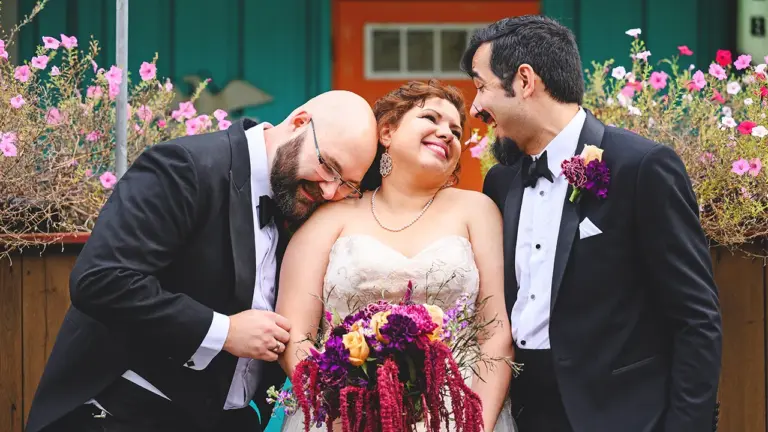
Polyamory, or having romantic relationships with more than one person at the same time, is becoming more common around the world. Different cultures have their own ways of looking at and accepting these kinds of relationships. This article looks at how polyamory is viewed in various countries, from the United States to Japan, and from Brazil to South Africa. By exploring these different perspectives, we can better understand how love and relationships work in different parts of the world.
Key Takeaways
- Polyamory means having romantic relationships with multiple people at the same time.
- Different cultures have their own unique views and acceptance levels of polyamory.
- In some countries, polyamory is gaining more acceptance and becoming more common.
- Legal issues and social stigma are challenges that people in polyamorous relationships often face.
- Understanding different cultural perspectives on polyamory helps us appreciate the diversity in human relationships.
Understanding Polyamory: A Global Perspective
Defining Polyamory
Polyamory is about having multiple loving relationships with the consent of everyone involved. It’s not just about romantic connections but also about deep emotional bonds. People in polyamorous relationships value honesty, communication, and mutual respect. They often set clear boundaries to ensure everyone feels safe and valued.
Historical Context of Polyamory
Polyamory isn’t a new idea. Throughout history, many cultures have practiced forms of non-monogamy. For example, some ancient societies had communal living arrangements where people shared responsibilities and care for each other. These practices show that the idea of having multiple partners is not just a modern trend but has deep roots in human history.
Modern Polyamorous Communities
Today, polyamorous communities are growing around the world. These communities provide support and a sense of belonging for those who practice polyamory. They often organize events, workshops, and online forums where people can share their experiences and learn from each other. Acceptance of polyamory varies by region, but many people are finding ways to live authentically and build meaningful relationships. In these communities, autonomy and mutual respect are key values, helping individuals navigate the complexities of multiple relationships.
Polyamory in Western Cultures

United States: A Growing Movement
In the United States, polyamory is becoming more visible and accepted. Many people are exploring relationships outside the traditional monogamous norm. This shift is partly due to the growing awareness and acceptance of different lifestyles. Polyamorous communities are forming in cities and online, providing support and resources for those interested in non-monogamous relationships.
Polyamory in Canada
Canada is also seeing a rise in polyamorous relationships. The culture here is generally open-minded, and there is a strong emphasis on personal freedom. Polyamorous groups and events are becoming more common, especially in larger cities like Toronto and Vancouver. The legal system, however, still largely recognizes only monogamous marriages, which can create challenges for polyamorous families.
European Attitudes Towards Polyamory
In Europe, attitudes towards polyamory vary widely. Countries like Germany and the Netherlands are known for their liberal views and have more visible polyamorous communities. In contrast, more traditional countries may still hold strong to monogamous norms. However, the overall trend is towards greater acceptance and understanding of polyamorous relationships. This shift is reflected in the growing number of social groups and online forums dedicated to polyamory across the continent.
The rise of polyamory in Western cultures highlights a significant shift in how relationships are viewed and practiced. As more people embrace non-monogamous lifestyles, the traditional norms of monogamy and marriage are being redefined.
Polyamorous Relationships in Asia
Japan: Navigating Tradition and Modernity
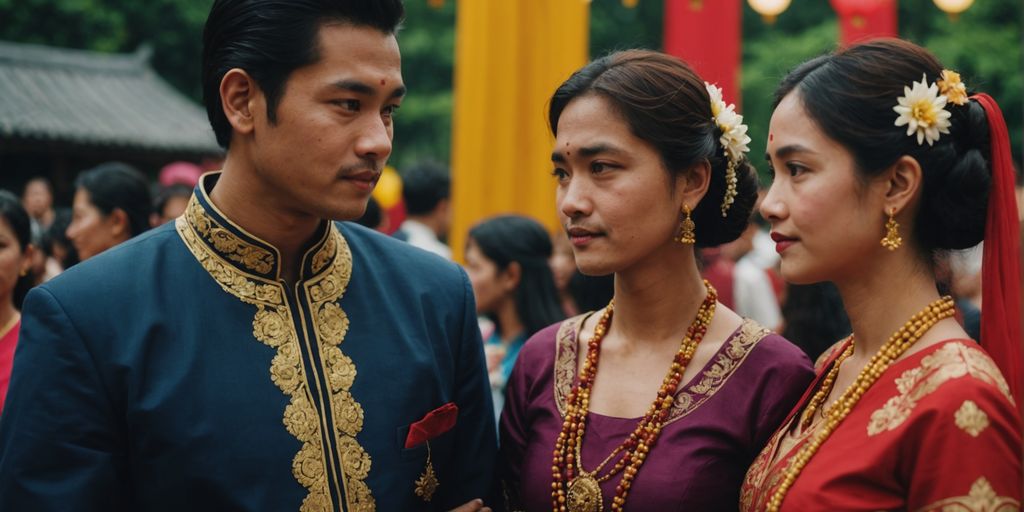
In Japan, polyamory is slowly gaining attention, but it faces challenges due to traditional values. Many people still see monogamy as the ideal relationship structure. However, younger generations are becoming more open to different ways of forming families and relationships. Balancing modern views with traditional expectations is a key part of this shift.
Polyamory in India
India’s cultural landscape is diverse, and attitudes towards polyamory vary widely. While some urban areas are more accepting, rural regions often hold conservative views. The concept of polyamory is not new in India, but it is often misunderstood. People are starting to see polyamorous relationships as a valid choice, though acceptance is still limited.
China’s Evolving Views on Non-Monogamy
China’s views on non-monogamy are changing, especially among the younger population. The traditional family structure is still strong, but there is a growing interest in alternative relationship structures. As China becomes more connected with global cultures, ideas from Europe and other parts of the world are influencing local attitudes. This shift is gradual, but it shows a move towards more diverse relationship choices.
Polyamory in Latin America
Brazil: Embracing Diversity
Brazil is known for its rich cultural diversity and openness to different lifestyles. Polyamorous relationships are becoming more visible, especially in urban areas. The legal system, however, does not yet fully recognize these relationships, which can create challenges for those involved. Despite this, many people in Brazil continue to explore and embrace polyamory as a valid way to form connections.
Polyamorous Communities in Mexico
In Mexico, polyamory is slowly gaining acceptance, particularly among younger generations. Social media and online communities play a significant role in connecting like-minded individuals. While traditional views still dominate, there is a growing movement towards more liberal attitudes. This shift is helping polyamorous communities to emerge and thrive in various parts of the country.
Cultural Attitudes in Argentina
Argentina has a mix of traditional and modern views on relationships. While some people hold conservative beliefs, others are more open to non-monogamous arrangements. The legal framework in Argentina does not yet support polyamorous relationships, but social acceptance is gradually increasing. This change is most noticeable in larger cities, where diverse lifestyles are more common.
In Latin America, the journey towards acceptance of polyamory is ongoing. While challenges remain, the region’s cultural richness and diversity provide a fertile ground for these relationships to grow and flourish.
African Perspectives on Polyamory
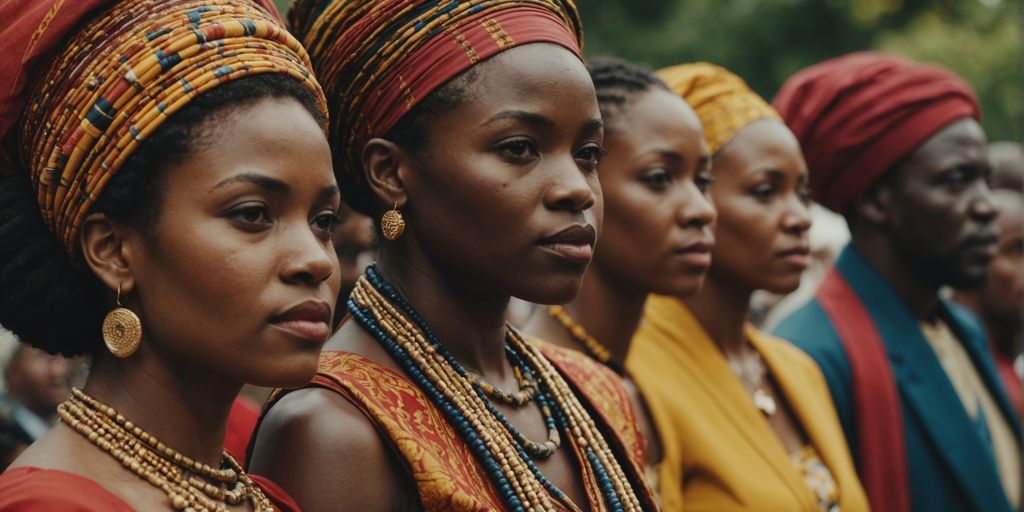
South Africa: Legal and Social Views
In South Africa, polyamory is slowly gaining recognition. The country’s progressive constitution allows for a more open discussion about non-monogamous relationships. However, societal acceptance is still a work in progress. Legal recognition of polyamorous relationships remains a challenge, but there are ongoing efforts to address this.
Polyamory in Nigeria
Nigeria presents a complex landscape for polyamory. While polygamy is culturally accepted in many communities, polyamory, which involves consensual relationships among multiple partners, is less understood. The distinction between polygamy and polyamory is crucial, as the latter emphasizes mutual consent and equality among all partners.
Traditional vs. Modern Views in Kenya
Kenya showcases a blend of traditional and modern views on relationships. In some regions, traditional practices still dominate, while urban areas are seeing a shift towards more modern relationship dynamics. This includes a growing interest in polyamory among younger generations. The challenge lies in balancing these evolving views with deeply rooted cultural norms.
The journey towards acceptance of polyamory in Africa is ongoing, with each country navigating its unique cultural and social landscape.
Polyamory in Oceania
Australia: Legal Recognition and Social Acceptance
In Australia, polyamorous relationships are becoming more visible. Many people are now more open to different ways of loving and living. However, the legal system still does not fully recognize these relationships. This means that polyamorous families might face challenges when it comes to rights and benefits. Despite this, the internet has helped create supportive communities where people can share their experiences and advice.
New Zealand’s Inclusive Approach
New Zealand is known for its inclusive and progressive views. The country has made strides in recognizing diverse relationships, including polyamory. While there is still a long way to go, many people in New Zealand feel more accepted and understood. Online platforms and local groups play a big role in bringing people together and offering support.
Pacific Islands: Cultural and Social Dynamics
The Pacific Islands have a rich cultural history, but views on polyamory can vary widely. In some places, traditional values are strong, and non-monogamous relationships might not be accepted. In other areas, people are more open to different ways of living and loving. It’s important to understand that each island and community is unique, and what works in one place might not work in another. Over time, as more people share their stories and experiences, attitudes may change.
Challenges and Opportunities in Polyamorous Relationships
Legal Issues and Rights
Polyamorous relationships often face legal challenges. Many countries do not recognize these relationships, making it hard for partners to get legal rights. This can affect things like inheritance, medical decisions, and parental rights. People in polyamorous relationships may need to find creative ways to protect their rights.
Social Acceptance and Stigma
Social acceptance is another big challenge. Many people still see polyamory as unusual or wrong. This can lead to stigma and discrimination. Families and friends might not understand, and this can make it hard to be open about their relationships. However, as more people learn about polyamory, social views are slowly starting to change.
Building Healthy Polyamorous Relationships
Building healthy relationships with multiple partners takes effort. Communication is key. Everyone needs to be open and honest about their feelings and needs. Trust and respect are also very important. When done right, polyamorous relationships can be very rewarding. They offer the chance to grow and learn from multiple partners, which can be a big benefit.
Navigating the complexities of polyamorous relationships can be tough, but it also opens the door to new ways of loving and living.
Conclusion
In conclusion, polyamorous relationships are viewed differently around the world. Some cultures accept them, while others do not. This shows how diverse human relationships can be. By learning about these different views, we can better understand and respect each other. It also helps us see that love and relationships can take many forms. As we move forward, it is important to keep an open mind and appreciate the variety of ways people can connect and care for one another.
Frequently Asked Questions
What is polyamory?
Polyamory is the practice of having romantic relationships with more than one person at the same time, with the knowledge and consent of everyone involved.
How is polyamory different from cheating?
In polyamory, everyone knows about and agrees to the relationships. Cheating involves secrecy and breaking the trust of a partner.
Is polyamory legal?
Polyamory itself is not illegal, but some legal systems do not recognize multiple partners in the same way they do monogamous marriages.
Can polyamorous relationships work long-term?
Yes, many people have long-term, happy polyamorous relationships. Like any relationship, they require good communication and trust.
How do people handle jealousy in polyamorous relationships?
People in polyamorous relationships handle jealousy by talking openly about their feelings, setting boundaries, and building trust.
Are there any famous people who are polyamorous?
Yes, some celebrities have openly talked about being polyamorous, helping to raise awareness and acceptance of this type of relationship.
Global Love Map: Discover the World’s Colorful Tapestry of Hearts
Dive into the vibrant world of polyamorous relationships with us and explore how different cultures embrace love’s boundless possibilities. Join a community that celebrates diversity and fosters connections that transcend traditional boundaries. Sign up for your free SwingTowns account today and start your adventure in a place where every heart has a home. Let’s explore together – your next great connection awaits!
“Really enjoying Swingtowns a lot! Very easy to use the app and lots of great people too.” -KarandBri1970