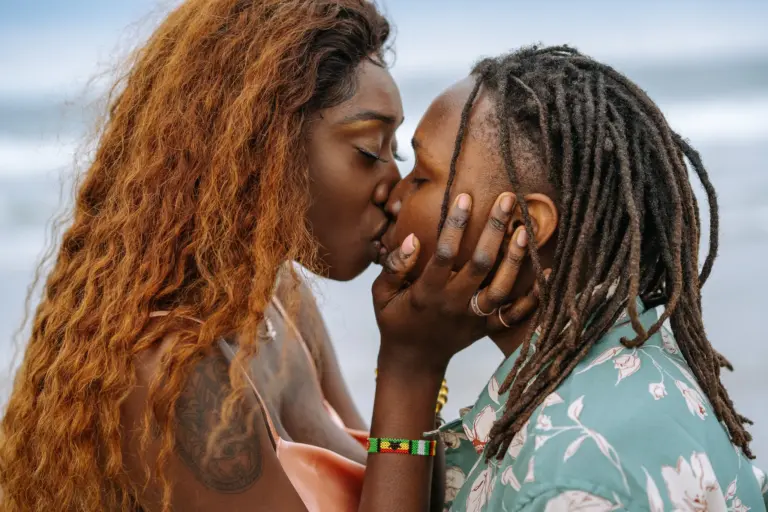
Exploring the Difference Between Polyamory Dating and Traditional Relationships
Relationships come in many forms, and understanding the differences between polyamory and traditional relationships can help people make informed choices about their love lives. Both styles have unique principles, emotional dynamics, and challenges. This article explores these aspects to provide a clearer picture of what each relationship type entails.
Key Takeaways
- Polyamory involves having multiple romantic relationships with the consent of everyone involved.
- Traditional relationships usually mean being romantically involved with just one person at a time.
- Communication and consent are essential in both polyamorous and traditional relationships.
- Jealousy and insecurity can occur in both types of relationships but are managed differently.
- Societal views and legal considerations vary significantly between polyamorous and traditional relationships.
Understanding Polyamory and Traditional Relationships

Defining Polyamory
Polyamory is a relationship style where individuals engage in multiple romantic and emotional connections simultaneously, with the full consent and knowledge of all involved. This relationship structure is built on the foundational pillars of consent, communication, and equality. These principles ensure that every partner’s needs and boundaries are respected, creating a nurturing environment for all relationships to flourish.
Defining Traditional Relationships
Traditional relationships, often referred to as monogamous relationships, involve two people who commit to being romantically and sexually exclusive with each other. This type of relationship is typically associated with marriage and long-term commitment. The core idea is that love and emotional investment are directed towards one partner only.
Core Principles of Each Relationship Style
- Polyamory:
- Multiple loving relationships
- Emphasis on honesty and communication
- Equal respect for all partners
- Traditional Relationships:
- Romantic and sexual exclusivity
- Focus on one primary partner
- Often linked to marriage and long-term commitment
Understanding the differences between polyamory and traditional relationships helps in appreciating the unique dynamics and values each style brings to the table.
Emotional Dynamics in Polyamory vs. Traditional Relationships

Emotional Investment in Polyamory
Polyamorous relationships often involve multiple emotional connections. This means that individuals invest their feelings and time in more than one person. This can lead to a rich tapestry of emotional experiences, but it also requires a high level of empathy and communication. People in polyamorous relationships must navigate the complexities of balancing their emotional energy among several partners, which can be both rewarding and challenging.
In polyamory, the ability to love many does not diminish the love for each individual; instead, it can enhance the intimacy and fulfillment found in each connection.
Emotional Investment in Traditional Relationships
In traditional relationships, emotional investment is typically focused on one person. This singular focus can create a deep and exclusive bond. The emotional energy is concentrated, which can lead to a strong sense of security and stability. However, this also means that the emotional well-being of each partner is closely tied to the other, which can sometimes lead to mental health challenges if the relationship faces difficulties.
Managing Jealousy and Insecurity
Jealousy and insecurity are common in both polyamorous and traditional relationships, but they are managed differently. In polyamory, open communication about feelings of jealousy is crucial. Partners often discuss their insecurities and work together to address them. This can lead to personal growth and stronger relationships. In traditional relationships, jealousy is also present, but it is often dealt with privately or within the couple, without the need to consider multiple partners’ feelings.
| Aspect | Polyamory | Traditional Relationships |
|---|---|---|
| Emotional Connections | Multiple, with a need for empathy and balance | Focused on one person, creating exclusivity |
| Managing Jealousy | Open communication and mutual support | Often private, within the couple |
Sexual Dynamics and Boundaries
Sexual Freedom in Polyamory
Polyamory allows for a broad range of sexual experiences. People in polyamorous relationships often find it attractive to explore connections without being limited to one partner. This style of relationship mainly focuses on emotional bonds, but physical intimacy is also a key part. Communication is crucial to ensure that all partners are on the same page about their boundaries and desires.
Sexual Boundaries in Traditional Relationships
In traditional relationships, sexual boundaries are usually more defined. These relationships often emphasize stability and exclusivity. Partners typically agree to be sexually exclusive, which can provide a sense of security and mutual consent. Discussing and respecting each other’s boundaries is essential to maintain trust and satisfaction.
Communication and Consent
Regardless of the relationship style, communication and consent are vital. Openly discussing boundaries, desires, and insecurities helps in building a healthy relationship. In both polyamorous and traditional relationships, mutual consent ensures that all parties feel respected and valued. Clear communication can prevent misunderstandings and foster a deeper connection.
Challenges and Growth Opportunities

Common Challenges in Polyamorous Relationships
Polyamorous relationships can be complex and involve unique challenges. One of the most significant challenges in polyamory is managing time and energy across multiple committed relationships. Juggling the needs and desires of multiple partners can be exhausting and may lead to burnout. Effective communication is critical to ensure that all partners feel valued and heard.
Another challenge is dealing with jealousy and insecurity. These feelings may arise when one partner feels neglected or less important. Open and honest communication can help manage these emotions, but it requires maturity and emotional intelligence from all parties involved.
Common Challenges in Traditional Relationships
Traditional relationships, while more socially accepted, are not without their own set of challenges. One common issue is the pressure to meet all emotional and physical needs with a single partner. This can lead to unrealistic expectations and disappointment.
Moreover, traditional relationships often face challenges related to commitment and fidelity. Trust issues may arise if one partner feels the other is not fully committed. Effective communication and mutual respect are essential to navigate these challenges.
Personal Growth in Both Relationship Styles
Both polyamorous and traditional relationships offer opportunities for personal growth. In polyamorous relationships, individuals can explore different aspects of their personalities and discover new ways to connect with others. This can lead to a deeper understanding of oneself and one’s needs.
In traditional relationships, the focus on a single partner can encourage deep emotional bonds and personal growth. Partners learn to navigate life’s ups and downs together, building resilience and emotional strength.
Both relationship styles provide unique opportunities for growth and self-discovery. Whether you choose a polyamorous or traditional relationship, the key is to communicate openly and honestly with your partner(s) and to be willing to grow and evolve together.
Societal Perceptions and Legal Implications
Societal Views on Polyamory
Polyamory often faces misunderstanding and stigma. Many people see it as a way to have affairs with permission, rather than a valid relationship style. This misconception can lead to negative judgments and social challenges for the individuals involved.
Societal Views on Traditional Relationships
Traditional relationships, like monogamous marriages, are widely accepted and celebrated. They are seen as the norm and are often idealized in media and culture. This acceptance provides a sense of security and validation for those who choose this lifestyle.
Legal Considerations for Both Relationship Types
Polyamorous relationships are not legally recognized in most places. This lack of recognition can create complications in areas like child custody, hospital visits, and financial matters. On the other hand, traditional relationships benefit from a well-established legal framework that supports marriage and family life.
As society progresses, understanding and respect for different relationship styles are growing, though legal recognition remains a challenge. For those considering these paths, thorough research and open dialogue with all partners are crucial to navigating the complexities of nonmonogamous relationships successfully.
Polyamory and Traditional Relationships in the LGBTQIA+ Community

Relevance in the LGBTQIA+ Community
Polyamory and open relationships have become increasingly significant within the LGBTQIA+ community. These relationship styles offer an alternative to traditional monogamy, providing flexibility and acceptance that can be especially meaningful for individuals with diverse sexualities and identities. By allowing people to explore their identities without the confines of traditional monogamous partnerships, polyamory dating and open relationships can serve as empowering frameworks.
Unique Challenges Faced
Jealousy and boundary management are common challenges in polyamorous relationships, but they can differ from those experienced by heterosexual individuals. The smaller potential dating pool and the complex dynamics of queer relationships add layers of difficulty. Effective communication and clear boundaries are crucial in managing these aspects, helping to maintain trust and respect among all parties involved. Additionally, the risk of discrimination may increase for non-monogamous individuals, complicating their personal and professional lives.
Advantages for LGBTQIA+ Individuals
Polyamorous relationships often encourage a high degree of self-awareness and personal growth. Participants must continually assess their own needs and the needs of their partners, leading to deeper self-understanding and stronger interpersonal connections. Moreover, these relationship styles can enhance support networks, which is crucial for the well-being of LGBTQIA+ individuals who might face societal rejection. By building extended networks of intimate connections, polyamorous and open relationships can offer a sense of family and belonging that is both flexible and inclusive.
Polyamory and open relationships can provide a sense of family and belonging that is flexible and inclusive, especially for LGBTQIA+ individuals facing societal rejection.
Navigating Relationship Transitions
Transitioning between different relationship styles can be challenging but also rewarding. Whether you’re moving from monogamy to polyamory or vice versa, understanding the dynamics involved is crucial for a smooth transition.
Transitioning from Monogamy to Polyamory
Switching from a monogamous relationship to a polyamorous one requires open communication and mutual consent. Strong communication channels are essential to address any concerns or insecurities that may arise. Here are some steps to consider:
- Discuss Expectations: Clearly define what each partner expects from the new relationship model.
- Set Boundaries: Establish what is acceptable and what is not to avoid misunderstandings.
- Seek Support: Consider talking to a therapist who understands polyamory to help navigate the transition.
Transitioning from Polyamory to Monogamy
Moving from a polyamorous relationship back to monogamy can be equally complex. It often involves redefining the relationship and setting new boundaries. Key factors include:
- Reaffirming Commitment: Ensure that both partners are committed to the new monogamous model.
- Managing Jealousy: Address any lingering feelings of jealousy or insecurity.
- Open Dialogue: Maintain an open line of communication to discuss any issues that may arise.
Maintaining Healthy Relationships During Transitions
Regardless of the direction of the transition, maintaining a healthy relationship is vital. Here are some tips:
- Be Patient: Understand that transitions take time and may not be smooth initially.
- Stay Supportive: Offer emotional support to your partner throughout the process.
- Regular Check-ins: Schedule regular discussions to assess how both partners are feeling and make adjustments as needed.
Transitioning between relationship styles can be a journey of personal growth and deeper understanding of each other. It requires patience, communication, and a willingness to adapt.
By following these guidelines, couples can navigate the complexities of relationship transitions more effectively, ensuring a stable and supportive environment for both partners.
Conclusion
In the end, whether you choose polyamory or a traditional relationship, the key is understanding and respecting each other’s needs and boundaries. Polyamory offers the chance to love multiple people deeply, while traditional relationships focus on one partner. Both have their own sets of challenges and rewards. The most important thing is open communication and honesty. By being clear about what you want and listening to your partners, you can build strong, fulfilling relationships no matter the style you choose.
Frequently Asked Questions
What’s the difference between polyamory and traditional relationships?
Polyamory involves having multiple romantic relationships with the consent of everyone involved, while traditional relationships typically involve two people in a monogamous partnership.
How do I tell someone I’m interested in a polyamorous relationship?
Be honest and upfront. Explain what polyamory means to you and discuss the idea openly, ensuring they understand and are comfortable with it.
What should I do if I try polyamory and realize it’s not for me?
It’s important to communicate your feelings to your partners. Honesty is key. You can discuss transitioning back to monogamy or finding another arrangement that works for everyone.
How can I manage jealousy in a polyamorous relationship?
Open communication is crucial. Talk about your feelings with your partners, set clear boundaries, and work together to address any insecurities.
Are there legal issues with polyamorous relationships?
Yes, polyamorous relationships are not legally recognized in many places, which can complicate matters like custody, hospital visits, and financial arrangements.
Is polyamory common in the LGBTQIA+ community?
Yes, polyamory and open relationships are often more accepted within the LGBTQIA+ community, providing flexibility and acceptance for diverse identities.
Discover New Pathways – Where Relationships Evolve and Connections Flourish
Curious about exploring a world where love knows no boundaries? Step into a welcoming community that embraces the beauty of diverse relationships and the freedom to connect in new ways. Sign up for a free account on SwingTowns today and start your journey toward deeper, more fulfilling connections. Begin your adventure now!
“The Swingtowns community has been a major source of inspiration for many years now and has become one of the most popular destinations for swing communities” -Thunderdicka