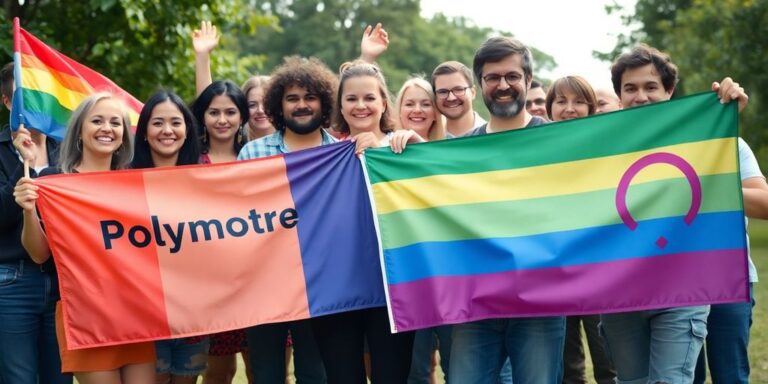
Fraysexual + Polyamorous: Thriving Within Overlapping Identities
Navigating life with multiple identities can feel like a lot, especially when those identities overlap in ways that might not be immediately obvious to everyone. Being both fraysexual and polyamorous is one such combination. It means you might experience attraction differently and also have a desire for multiple romantic connections. This article is all about making sense of that, exploring how these two identities can work together, and how to build fulfilling relationships while staying true to yourself. We’ll look at how to talk about it, set up good boundaries, and find your community.
Key Takeaways
- Fraysexuality describes feeling sexual attraction only after forming a strong emotional bond, often considered part of the asexual spectrum.
- Polyamory is the practice of having romantic relationships with more than one person at the same time, with everyone’s knowledge and consent.
- When these identities meet, it means building deep emotional connections is key before sexual attraction can even begin, and doing this with multiple people requires intentionality.
- Open, honest communication about needs, boundaries, and feelings with all partners is super important for healthy fraysexual polyamorous relationships.
- Finding community and embracing authenticity are vital for personal growth and happiness when living with these intersecting identities.
Understanding Fraysexual and Polyamorous Identities
It can feel like a lot when you’re trying to figure out how different parts of yourself fit together, especially when those parts involve attraction and relationships. Let’s break down what it means to be fraysexual and polyamorous, and how these two identities can coexist. Understanding fraysexuality and polyamory is the first step in building fulfilling connections.
Defining Fraysexuality
So, what exactly is fraysexuality? Basically, it’s a sexual orientation where someone experiences sexual attraction, but this attraction fades or disappears if they form a close emotional bond with that person. Think of it like this: the initial spark is there, but as the relationship deepens emotionally, the sexual attraction wanes. It’s not about not liking someone; it’s about how the nature of attraction changes with emotional closeness. This can be a bit confusing at first, and it’s definitely different from a lot of the common ways attraction is talked about.
Exploring Polyamory
Polyamory, on the other hand, is about having or being open to having multiple romantic and/or sexual relationships simultaneously, with the full knowledge and consent of everyone involved. It’s a relationship style that values honesty, communication, and ethical non-monogamy. Unlike cheating, polyamory is built on transparency. People in polyamorous relationships might have one primary partner and several secondary partners, or they might have a more fluid structure. The key is that everyone involved is aware and agrees to the arrangement.
The Intersection of Fraysexual and Polyamorous
When you put fraysexuality and polyamory together, things can get interesting. For someone who is both fraysexual and polyamorous, they might find themselves attracted to multiple people initially, but as those relationships develop emotionally, their sexual attraction might lessen with some or all of them. This doesn’t mean they can’t have fulfilling polyamorous dating with fraysexuality. It just means the way they experience attraction is unique. Managing these dynamics requires a lot of self-awareness and open communication with partners. It’s about finding ways to maintain connection and intimacy even as sexual attraction shifts. This can lead to unique forms of polyamorous relationship advice and personal growth.
Fraysexual and Polyamorous: Navigating Both Identities
Figuring out how your sexual orientation and relationship style fit together can feel like a puzzle, especially when you’re exploring multiple identities in relationships. Being fraysexual means attraction sparks without an emotional connection, which can be a unique aspect when you’re also interested in polyamory. It’s about understanding how these two parts of yourself interact and finding a way to build fulfilling connections. This journey involves a lot of self-discovery and open communication with partners about polyamory and sexual orientation compatibility.
Initial Discoveries and Self-Identification
Many people find themselves identifying with fraysexuality and polyamory at different points in their lives. Sometimes, you might realize you’re fraysexual first, noticing that sexual attraction doesn’t always require a deep emotional bond. Later, you might discover polyamory as a relationship structure that allows for multiple loving connections. It’s not uncommon for these realizations to happen separately and then come together. The key is to be patient with yourself as you piece together your identity.
Building Connections with Multiple Partners
When you’re fraysexual and polyamorous, building connections with multiple partners involves understanding your specific needs. You might find that while emotional intimacy isn’t a prerequisite for your sexual attraction, it’s still important for the romantic or companionship aspects of your relationships. This means you might have partners with whom you share deep emotional bonds and others with whom the connection is more focused on sexual chemistry, all within a polyamorous framework. It’s about finding a balance that works for everyone involved.
Managing Attraction and Emotional Bonds
One of the interesting parts of navigating non-monogamy and fraysexuality is learning how to manage different types of attraction and emotional bonds. You might experience sexual attraction to someone without feeling an immediate need for a deep emotional connection, which is totally in line with being fraysexual. However, in polyamory, emotional bonds are often a significant part of committed relationships. It’s about being honest about what you feel and what you need from each relationship, and respecting what your partners need too. This can involve a lot of introspection and honest conversations about polyamory and sexual orientation compatibility.
“The Swingtowns community has been a major source of inspiration for many years now and has become one of the most popular destinations for swing communities” -Thunderdicka
Communication and Boundaries in Fraysexual Polyamory

Open Dialogue with Partners
When you’re fraysexual and polyamorous, talking openly with everyone involved is super important. It’s not just about saying “I like you,” but really digging into what that means for each person. For someone who is fraysexual, the intensity of attraction can shift, so checking in about those feelings is key. This means being honest about when attraction feels strong and when it might be fading or changing. It’s about creating a space where everyone feels comfortable sharing their evolving feelings without fear of judgment. This kind of honest communication helps build trust and makes exploring non-traditional relationships feel safer for everyone.
Establishing Healthy Boundaries
Boundaries are like the guardrails on a road; they keep things from going off track. For fraysexual polyamorous folks, this might look like agreeing on how much time is spent with each partner, or what kind of emotional intimacy is comfortable in different relationships. It’s also about respecting each person’s capacity for connection. Maybe one partner is okay with a lot of casual contact, while another needs more focused, deep interactions. Setting these limits upfront, and being willing to revisit them, is a big part of making polyamory work, especially when attraction can be a bit fluid.
Addressing Jealousy and Insecurity
Let’s be real, jealousy and insecurity can pop up in any relationship, and polyamory isn’t immune. For a fraysexual person, this might be amplified if they feel their attraction is being compared or if they worry about not meeting a partner’s needs consistently. It’s helpful to remember that these feelings are often rooted in unmet needs or fears, not necessarily a reflection of the relationship itself. Talking about these feelings, rather than letting them fester, is the first step. Sometimes, it’s about reassurance, other times it might mean adjusting boundaries or expectations. Building a strong sense of self-worth outside of romantic relationships can also make a huge difference in managing these emotions.
Societal Perceptions and Community Support

It’s no secret that navigating identities outside the mainstream can feel like swimming against the current sometimes. For those of us who are fraysexual and polyamorous, this can be amplified. Society often operates on a default setting of monogamy and heterosexuality, which can leave people with overlapping identities feeling misunderstood or even invisible. Challenging these ingrained norms isn’t always easy, but it’s a necessary step towards creating a more inclusive world.
Challenging Norms and Misconceptions
People often have a lot of questions, or sometimes outright incorrect ideas, about what it means to be fraysexual or polyamorous. You might hear things like, “So you just don’t like anyone?” or “Polyamory is just cheating.” These kinds of statements show a real lack of understanding. For fraysexual individuals, attraction can be tied to specific contexts or feelings, not a constant state. And polyamory isn’t about dishonesty; it’s about ethical, consensual relationships with multiple people. When you combine these, the misconceptions can get even more layered. It’s like people expect relationships to fit into neat, pre-defined boxes, and when you don’t, they struggle to categorize you.
Finding Supportive Communities
This is where finding your people becomes so important. Online spaces, local meetups, and specific LGBTQIA+ organizations can be lifelines. These communities often provide a safe harbor where you can share experiences without judgment. You can find groups that specifically cater to asexual or aromantic spectrum individuals, or those focused on polyamory. Sometimes, you might even find groups that are explicitly inclusive of diverse relationship structures and identities. It’s about finding places where your whole self is acknowledged and celebrated. For instance, groups like Open Table welcome people across the LGBTQIA+ spectrum and their families, creating a space for belonging. You can also find resources that list various support services for LGBTQ+ young people and adults, which can be incredibly helpful when you’re trying to connect with others who get it.
The Importance of Validation
Having your identity validated is a big deal. When you’re constantly explaining yourself or feeling like you have to justify your existence, it’s exhausting. Finding people who understand, or at least are willing to listen and learn, makes a huge difference. It’s not about seeking approval, but about being seen and accepted for who you are. This validation can come from partners, friends, or even just knowing that there are communities out there that affirm your experiences. It helps combat the isolation that can come from feeling different. Remember, your identity is valid, and finding spaces that reflect that can be incredibly empowering. It’s about building a sense of belonging and knowing you’re not alone in your journey, much like the efforts to create more inclusive sex education through organizations like Sexpression:UK.
Personal Growth and Fulfillment

Embracing Authenticity
Figuring out you’re fraysexual and also polyamorous can feel like a lot at first. It’s like you’ve got these two big pieces of yourself that don’t quite fit the usual boxes. But honestly, once you start to accept them, it’s incredibly freeing. Living authentically means not hiding parts of yourself, even if they’re complicated. It’s about saying, ‘This is me,’ and not apologizing for it. For me, that meant realizing that my attraction patterns, which are definitely fraysexual, could exist alongside my desire for multiple, meaningful connections. It wasn’t about choosing one or the other; it was about seeing how they fit together. This journey of self-acceptance is ongoing, but it’s the foundation for everything else.
Deepening Relationships
When you’re fraysexual and polyamorous, the way you build relationships can be really unique. It’s not just about finding ‘the one,’ but about finding multiple ‘ones’ who connect with you in different ways. Because fraysexuality means attraction can be a bit more conditional or tied to specific circumstances, each connection can feel really special and earned. You learn to appreciate the nuances of what draws you to someone and how those feelings develop. This often means you have to be super clear about your feelings and intentions, which, while sometimes scary, leads to much deeper, more honest relationships. It’s about building trust and understanding on a level that might not happen in more conventional setups.
Living a Fulfilling Life
Ultimately, embracing both fraysexuality and polyamory can lead to a really rich and fulfilling life. It’s about creating a life that feels true to you, not one that’s dictated by what others expect. This might mean having a diverse network of partners, friends, and chosen family who understand and support your identity. It’s about finding joy in the complexity and celebrating the unique ways you experience love and connection.
Here are a few things that really helped me:
- Self-Education: Reading books, articles, and personal stories from others with similar identities.
- Community: Connecting with other polyamorous and ace-spectrum individuals, even if they don’t share the exact same labels.
- Mindfulness: Practicing being present in my relationships and appreciating each connection for what it is.
- Honest Communication: Regularly checking in with myself and my partners about needs and feelings.
“Swingtowns is hands down the best community that I have had the pleasure to be a part of. Would recommend this website to anyone in the lifestyle!” -SlikRik1Ace
Finding Your Place
So, we’ve talked about what it means to be fraysexual and how that can fit with polyamory. It’s not always easy to find the right words for who we are, and sometimes those words don’t even exist yet. But that’s okay. The important thing is figuring out what feels right for you and building connections that honor that. Whether you’re exploring new identities or have known yours for a while, remember that there’s a whole community out there. You’re not alone in this, and there’s plenty of room for everyone to live authentically and find happiness.
Frequently Asked Questions
What does it mean to be fraysexual?
Being fraysexual means you don’t feel romantic or sexual attraction to people until you’ve built a strong emotional connection with them. It’s like needing a special friendship bond before romantic feelings can even start to grow. Think of it as a connection that needs to be nurtured first.
What is polyamory?
Polyamory is about having romantic or intimate relationships with more than one person at the same time, with everyone involved knowing and agreeing to it. It’s like a relationship style where love isn’t limited to just two people, as long as everyone’s on the same page and feels good about it.
How do fraysexuality and polyamory work together?
When you’re both fraysexual and polyamorous, it means you need a strong emotional bond to feel attraction, and you’re open to having loving relationships with multiple people. So, you’d build those deep connections with each person you’re involved with, and everyone would be aware and okay with the arrangement.
Why is communication so important in these relationships?
It’s super important to talk openly with everyone you’re dating. Share your feelings, what you need, and what your boundaries are. This helps everyone understand each other better and makes sure everyone feels safe and respected in the relationships.
What if I feel jealous or insecure?
It’s totally normal to feel a bit unsure or even jealous sometimes, especially when you’re exploring new relationship styles. The key is to talk about these feelings with your partners. They can help you work through it, and you can learn to manage these emotions together.
Where can I find support for my identities?
Finding people who understand and accept you for who you are is a big deal. Look for communities, whether online or in person, where people share similar experiences. Having support makes navigating these identities much easier and more joyful.
Live Fully – Where Identity and Connection Intertwine
Balancing fraysexuality and polyamory can be a beautiful, liberating experience—and you don’t have to do it alone. Join a vibrant, inclusive community where overlapping identities are not just accepted but celebrated. Explore real stories, find meaningful connections, and be seen for all of who you are. Sign up for a free SwingTowns account today and start your journey in a space built for your unique path.
“I’ve been looking for a fun community who share the same interests as I do, and most have failed to meet my expectations. But SwingTowns by far has had the most fun engagements with REAL people, much more than anywhere else I’ve found. Most people on here have been fun, sexy, engaging, and willing to help a young buck learn the ropes of this lifestyle.” -Johncarpenter