
From Fetish to Representation: How the Media Portrays Cuckold Marriages
We’ve all seen them in movies, read about them in books, or maybe even heard whispers about them. Cuckold marriages, or relationships where one partner is involved with someone else, have a long and complicated history in media. For a long time, these stories were often just about the sensational or the scandalous, reducing real people and their feelings to tired old stereotypes. But things are changing. This article looks at how these relationships have been shown over time, from the early days of fetishization to the more recent push for honest and real portrayals. We’ll explore why these stories matter and what they tell us about ourselves and society.
Key Takeaways
- Media has often turned cuckold marriages into a fetish, relying on stereotypes rather than showing the complexity of real relationships.
- Historically, media portrayals have been influenced by social attitudes, particularly concerning race and gender, often creating ‘paranoid scripts’ around certain couples.
- The line between recognizing similar experiences and true representation can be blurry, leading to confusion and the perpetuation of clichés.
- Moving beyond stereotypes requires art that challenges our assumptions and shows the messiness and uniqueness of actual human connections.
- Authentic storytelling about cuckold marriages, especially those involving interracial couples, is important for challenging harmful narratives and reflecting a wider range of human experiences.
The Evolution Of Cuckold Marriage Portrayals

From Fetishized Tropes To Complex Narratives
When we look at how cuckoldry has shown up in movies and TV shows over the years, it’s a pretty wild ride. At first, it was mostly just a cheap gag, a way to get a quick laugh or shock value. Think of those old movies where a husband finds out his wife is cheating, and it’s all played for laughs or as some kind of moral lesson. It was rarely about the actual people involved or what they were going through. It was more about the idea of it, a kind of taboo that people could point at.
But things have started to shift. We’re seeing more stories that try to dig a little deeper. Instead of just showing the act or the immediate fallout, some creators are exploring the feelings, the dynamics, and the reasons behind these complex relationship situations. It’s moving away from just being a punchline and towards something that feels more real, even if it’s still a bit uncomfortable to watch sometimes. The evolution of cuckold themes in media shows a growing interest in portraying these relationships with more nuance.
Historical Roots Of Media Representation
Looking back, media hasn’t always been kind or accurate when it comes to depicting relationships that involve cuckoldry. For a long time, it was a trope used to highlight a man’s weakness or a woman’s supposed betrayal. Often, these portrayals were tied to outdated ideas about marriage, fidelity, and gender roles. The focus was usually on the shame or the scandal, not on the actual human experience.
- Early Cinema: Often used as a plot device for comedic effect or dramatic tension, rarely exploring the emotional depth.
- Pulp Fiction & Literature: Sometimes explored darker themes, but often sensationalized or fetishized the concept.
- Television Sitcoms: Frequently reduced cuckoldry to a one-off joke, reinforcing stereotypes.
“Swingtowns is hands down the best community that I have had the pleasure to be a part of. Would recommend this website to anyone in the lifestyle!” -SlikRik1Ace
The Influence Of Social Discourse On Portrayals
What’s happening in society definitely seeps into what we see on screen. As conversations about relationships, sexuality, and even power dynamics change, so do the stories we tell. For a long time, there was a lot of judgment around anything outside the norm, and media reflected that. But as people become more open to different kinds of relationships and identities, the media is slowly starting to catch up.
We’re seeing a push for more realistic depiction of cuckold relationships, moving beyond the old, tired stereotypes. This shift is happening because society itself is questioning traditional norms and embracing a wider spectrum of human experience. It’s a slow process, but the change is noticeable, reflecting a broader cultural evolution in how we understand love and commitment.
Deconstructing The Fetishization Of Cuckold Marriages

It’s easy to see how the idea of cuckold marriages, especially within popular culture, can get twisted into something that feels less like a real relationship and more like a caricature. We often see these dynamics reduced to stereotypes, where the individuals involved are less like people and more like abstract concepts. This reduction strips away the complexity of human connection, replacing it with predictable, often harmful, tropes.
Stereotypes And Abstractions In Media
When media leans into fetishization, it tends to paint with a very broad brush. Instead of exploring the unique personalities and histories of the people in a relationship, it relies on pre-packaged ideas. Think about it: instead of a story about two people who happen to be in a cuckold marriage, we get a story that fits a pre-existing narrative about what that means. This often involves reducing individuals to their roles within the fetish, ignoring their full selves.
The Role Of Race And Gender In Fetishization
This is where things get particularly sticky. Historically, certain racial and gender dynamics have been heavily exploited in the media’s portrayal of relationships, including those that touch on cuckold themes. For instance, the trope of the white man and the Asian woman has been a recurring theme, often loaded with assumptions about power, desire, and even exploitation. These portrayals aren’t neutral; they’re built on layers of historical context, economic disparities, and ingrained biases that shape how these relationships are perceived and depicted. It’s not just about who is with whom, but the baggage that comes with those pairings in the public imagination.
The Uncanny Valley Of Scripted Desire
Sometimes, media portrayals of desire, especially within fetishized contexts, feel… off. They can land in this strange space, the uncanny valley, where they seem almost real but are just not quite right. This happens when stories rely too heavily on predictable scripts rather than the messy, unpredictable nature of actual human feelings and interactions. It’s like watching a play where the actors are going through the motions – you see the actions, but you don’t feel the genuine emotion behind them. This can leave audiences feeling a sense of unease, recognizing the performance but not the truth.
Here’s a look at how these stereotypes can manifest:
- The ‘Exotic’ Partner: Often portrayed as passive, submissive, or primarily defined by their race and gender, fulfilling a specific fantasy for the dominant partner.
- The ‘Enabling’ Partner: The one who facilitates the fetish, sometimes depicted as overly accommodating or even complicit in their own perceived humiliation.
- The ‘Dominant’ Partner: Frequently characterized by a need for control, often projecting insecurities or desires onto the relationship dynamic.
“We’ve only been in the LS for about a year but we have found some really great people using SwingTowns. Wish we would have found the website sooner.” -2Adults89
Navigating The Nuances Of Interracial Relationships In Media
Beyond The ‘Paranoid Script’
It feels like lately, every time an interracial couple appears in a book or movie—especially when it’s a white man and an Asian woman—people rush to make assumptions. There’s this unspoken cultural script that warns these relationships are doomed or rooted in fetishization. You see it everywhere, from Elaine Hsieh Chou’s Disorientation, where the white boyfriend only dates Asian women, to Mitski’s Your Best American Girl, which explores cultural differences that feel impossible to bridge.
But that framing raises a question: are these stories truly about the couple, or are they more about making a point about race? When creators focus too much on the message, the characters can lose depth. The result is a narrative that flattens the messy, real emotions that make relationships interesting.
We need more stories that move past these old tropes and embrace authenticity. Writing about interracial dynamics without leaning on predictability isn’t easy, but it’s necessary if we want art that reflects genuine human connection.
The Perils Of Moralizing Miscegenation
There’s a weird pressure sometimes to judge or explain away relationships based on race, particularly when it involves a white man and an Asian woman. It’s like people feel the need to warn you, as if these pairings are inherently problematic. You hear it from family, or even strangers asking pointed questions. This constant commentary can create a kind of anxiety, making you second-guess things or feel like you’re under a microscope. It’s as if the relationship itself becomes a political statement rather than a personal one. This moralizing can overshadow the actual people involved and their feelings. It’s a tricky line to walk when discussing these relationships, trying to acknowledge societal influences without reducing individuals to stereotypes.
Recognizing Desire’s Opacity
Sometimes, the way media portrays interracial relationships—especially those involving white men and Asian women—feels more like a performance than a story. Creators often seem pressured to highlight racial dynamics or social commentary, as if proving they understand the politics of representation.
This pressure can lead to scripts where characters act out ideas rather than emotions. Their relationships feel designed to teach a lesson or evoke virtue, not to explore genuine chemistry or complexity. It becomes a kind of “pornography of trauma,” where identity overshadows individuality.
But real relationships are messy, layered, and often defy neat categories. Art should challenge our assumptions, not just echo them. We need stories that capture the strange, beautiful, and unpredictable ways people connect—where desire, identity, and humanity coexist without a moral checklist.
Here’s a look at how some media has approached these themes:
- Stereotypical Portrayals: Characters often fit into predictable roles, like the ‘fetishizing white man’ or the ‘complicit Asian woman.’
- Didactic Narratives: Stories that seem more focused on teaching a lesson about race than on developing characters.
- Focus on External Conflict: Emphasizing societal pressures and racial divides over the internal dynamics of the relationship.
“Great site. Met some great people. Feel secure and private and safe with the site. Definitely recommend!” -Anguslove
Authentic Representation: Moving Beyond Clichés
It’s easy to get caught up in what feels familiar, right? We see certain stories play out again and again in movies and books, and sometimes, that familiarity feels like understanding. But there’s a big difference between seeing something that reminds you of yourself or people you know, and seeing a truly real portrayal. The media often falls into traps, relying on tired tropes instead of showing us the messy, complicated truth of relationships.
Challenging Internal Scripts Through Art
So, how do we push past these worn-out narratives? Art has a huge role to play. Instead of just rehashing stereotypes, artists can challenge the assumptions we all carry around. Think about it: we all have these internal scripts, ideas about how things should be, often shaped by what we’ve seen. When media just repeats those scripts, it doesn’t help us grow or see things differently. It just keeps us stuck.
- Questioning Tropes: Actively look for stories that subvert common stereotypes. What happens when the characters don’t act the way the script expects?
- Exploring Nuance: Seek out art that shows the grey areas, the contradictions, and the unexpected turns in human connection.
- Supporting Diverse Voices: Champion creators who bring fresh perspectives and challenge the status quo.
The Stakes Of Storytelling In Relationships
When media gets it wrong, it’s not just about bad entertainment. It has real-world consequences. Relying on clichés about relationships, especially those involving different races or backgrounds, can actually shape how people perceive those relationships. It can create misunderstandings and reinforce harmful ideas. The stories we tell, and how we tell them, matter a great deal. It’s about more than just a plot; it’s about how we understand each other and the world around us. For instance, the way interracial relationships are sometimes depicted can be incredibly narrow, missing the actual lived experiences of the people involved. This is something explored in discussions about ethical considerations within the adult film industry, particularly concerning specific dynamics and racial appeals [286d].
“I’m glad that SwingTowns is growing such an audience of happy, sex-positive people!” -RandySP69
Portraying The Grittiness Of Real Connections
What does authentic representation look like? It means showing the good, the bad, and the downright ordinary. It means acknowledging that relationships aren’t always dramatic movie moments. Sometimes, they’re about the quiet comfort of routine, the small annoyances, and the slow, steady building of a life together. It’s about showing people as complex individuals, not just types. It’s about letting go of the need for everything to be perfectly explained and instead, sitting with the mystery of human connection. This means moving beyond simplistic narratives and embracing the unpredictable nature of desire and partnership. It’s about showing the effort, the compromises, and the genuine, sometimes unglamorous, work that goes into making a relationship last. We need stories that reflect the actual texture of life, not just a polished version of it. This involves taking risks in storytelling, even if it means opening ourselves up to misinterpretation, because the alternative is a world of predictable, shallow narratives.
| Aspect of Relationship | Clichéd Portrayal | Authentic Portrayal |
|---|---|---|
| Conflict Resolution | Dramatic blow-ups | Gradual discussion, compromise |
| Daily Life | Exciting events | Routine, shared chores |
| Emotional Expression | Over-the-top | Subtle gestures, quiet support |
Case Studies In Media: Literature And Music
Literary Explorations Of Interracial Dynamics
When we look at books, especially recent ones, it feels like there’s a real tendency to fall into predictable patterns when talking about interracial relationships, particularly those involving Asian women and white men. Authors sometimes lean too heavily on what feels like a “paranoid script.” It’s like they’re trying to make a point about fetishization or microaggressions, but the characters end up feeling less like real people and more like examples. Think about Elaine Hsieh Chou’s novel Disorientation. It satirizes academia and Asian American politics, but the fiancé’s obsession with dating Asian women, specifically Japanese women, feels almost too on-the-nose. Or Susie Yang’s White Ivy, which tries to flip the script on the victimized Asian woman trope, but the relationship still feels driven more by racial dynamics than genuine connection.
It’s easy to fall into the trap of writing about abstractions instead of actual people. The fetish, in a way, does this too – it takes something unique about a person and makes it general. When stories about these relationships rely on tired tropes, they end up in this weird middle ground: not specific enough to feel universally true about love, but too cliché to capture the messy reality of relationships. It makes you wonder if we’re just scripting ourselves, becoming characters defined by assumptions about our race and gender instead of complex individuals.
Musical Narratives Of Cultural Divides
Music offers another lens. Mitski’s song “Your Best American Girl” is a prime example. She sings about her relationship with a white boyfriend, touching on how their mothers might not approve and how she felt like she was trying to be “your best American girl.” The song suggests the relationship is doomed because of a cultural gap. It’s a powerful expression of that anxiety, the feeling that certain relationships are inherently perilous because of background differences.
- The lyrics often highlight perceived insurmountable divides.
- There’s a sense of trying to fit into a partner’s world.
- The narrative frequently points to external disapproval as a major hurdle.
Satire And Its Role In Critiquing Tropes
Satire can be a really useful tool here. Novels like Disorientation use humor and exaggeration to point out the absurdity of fetishization and the way certain racial and gender stereotypes play out in relationships. By making these tropes so obvious, satire forces us to look at them and question why they exist in the first place. It’s a way to critique these patterns without being overly preachy, making the audience think about the underlying issues.
“Swingtowns is awesome and we have no complaints. There are tremendous people and wonderful couples on here that we have had the pleasure of meeting” -wearesexy2015
The Impact Of Media On Perceptions Of Cuckold Marriages
Confusing Recognition With Representation
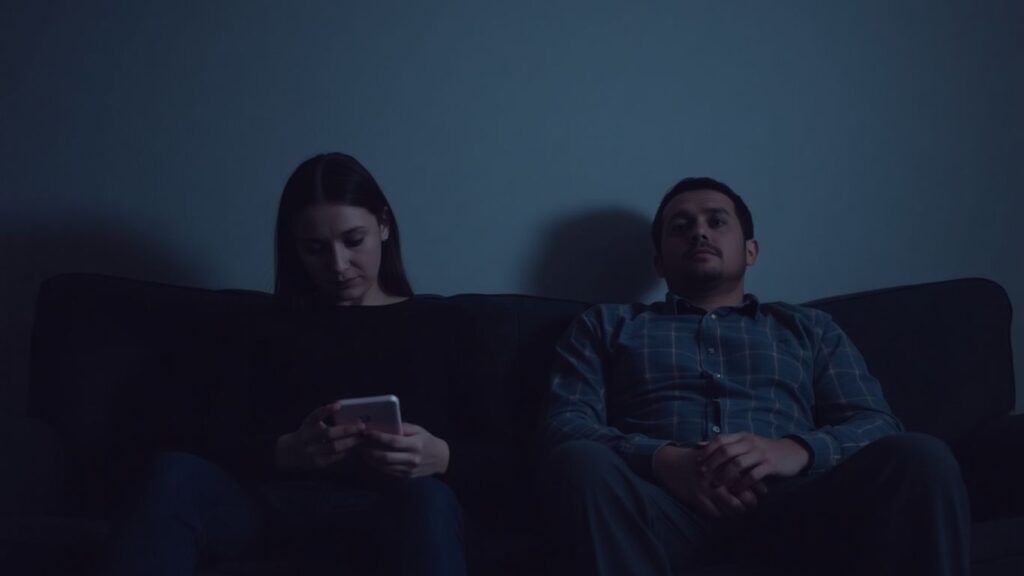
It’s easy to get things mixed up when we talk about how media shows cuckold marriages. Sometimes, what looks like representation is really just a tired old trope, or worse, a harmful stereotype. The media often leans into sensationalism, making these relationships seem like a spectacle rather than a real part of people’s lives. This constant focus on the sensational can make it hard for people to see the actual complexities involved. We end up with a distorted view, where the idea of cuckolding gets more attention than the lived experiences of those in these relationships.
The Power Of ‘Bai Ma Wang Zi’ Archetypes
Think about the “white knight” or “prince charming” archetype, often seen in media. When this plays out in the context of interracial relationships, especially those involving Asian women and white men, it can create a specific kind of narrative. This archetype can sometimes overshadow the agency of the Asian woman, framing her as someone who needs rescuing or who is simply attracted to a certain status. It’s a narrative that’s been around for a while, and it doesn’t always reflect the reality of how people connect.
Shaping Standards Of Desirability
Media has a huge influence on what we consider desirable. When it comes to relationships, and specifically the media portrayal of cuckolding, the way these dynamics are shown can subtly shift our ideas about attraction and partnership. If media consistently presents certain types of pairings or dynamics as the norm, or as particularly exciting, it can shape what people look for in their own lives. This can be especially tricky when race and power dynamics are involved, as they often are in these portrayals.
- The ‘Paranoid Script’: Media can sometimes lean into a narrative of suspicion or distrust within these relationships, especially when race is a factor. This creates a sense of unease rather than genuine connection.
- Stereotypes Over Substance: Instead of showing the messy, real parts of a relationship, media might opt for easy stereotypes that are more sensational but less truthful.
- Reinforcing Tropes: Popular media, from books to music, can keep repeating certain story patterns, making it harder for new, more authentic narratives to emerge.
“Swingtowns has been awesome in this lifestyle ! Finding new couples to play with and of course hang with.” -Skaggszy98
Moving Beyond the Script
So, where does this leave us? It’s clear that the media’s portrayal of relationships, especially those that fall outside the typical mold, often gets stuck in tired tropes. We see these dynamics reduced to simple, often problematic, narratives – think fetishization or assimilation. It’s easy to fall into these patterns because they’re familiar, almost like a script we’ve seen a hundred times. But the reality of human connection is so much messier and more interesting than that. Real relationships aren’t just about race or gender roles; they’re about two unique people figuring things out together. The challenge for media creators, and for us as viewers, is to push past these easy answers and look for the genuine, complex stories that reflect the real world, not just a simplified version of it. We need to see people, not just categories.
Frequently Asked Questions
What does it mean when the media talks about ‘fetishizing’ cuckold marriages?
When the media ‘fetishizes’ cuckold marriages, it means they focus on them in a way that turns them into a strange obsession or a one-dimensional idea, often based on stereotypes. Instead of showing real people and their feelings, they might present them as just a ‘type’ or a fantasy, especially when race is involved. This can make things seem less real and more like a shallow idea.
How have media portrayals of cuckold marriages changed over time?
In the past, media often showed these kinds of relationships as simple, sometimes weird, fantasies or stereotypes. But now, there’s a growing effort to show them in more complex and real ways. The media is starting to explore the actual feelings and challenges people in these relationships face, rather than just relying on old, overused ideas.
Why is race sometimes a big part of how cuckold marriages are shown in media?
Race often becomes a focus because of history and social ideas. For example, for a long time, there have been stereotypes about Asian women and white men. Media sometimes uses these old ideas, making the relationship seem more about race than about the actual people involved. This can lead to unfair and untrue stories.
What’s the difference between ‘recognition’ and ‘representation’ in media?
Recognition is when you see something in the media that reminds you of your own experiences or culture, and it feels familiar, like ‘Oh, that’s so Asian!’ Representation is when the media shows a group of people or a situation in a deep, truthful, and varied way. It’s easy to confuse the two, but true representation goes beyond just showing familiar things and tells a more complete story.
How does media influence what people think about different kinds of relationships?
Media has a huge effect on how we see the world and each other. When media consistently shows certain types of relationships in specific ways, it can create strong ideas, or even biases, in people’s minds. This can shape what we think is normal, desirable, or even acceptable, sometimes without us realizing it.
What does it mean to move beyond ‘clichés’ when showing relationships in media?
Moving beyond clichés means telling stories that feel real and unique, instead of using predictable and overused plots or character types. It involves showing the messy, complicated, and sometimes ordinary parts of relationships that make them human. This means focusing on the actual feelings and experiences of the people involved, not just repeating common ideas.
Beyond the Fantasy – How Media Shapes Cuckold Marriage Perception
From exaggerated portrayals to more honest storytelling, the media plays a big role in how people view cuckold marriages. Discover how authentic representation can replace stigma with understanding and respect. Sign up for a free SwingTowns account today and explore real stories, real people, and real connection.
“The Swingtowns community has been a major source of inspiration for many years now and has become one of the most popular destinations for swing communities” -Thunderdicka