Navigating Disability and Polyamory: Love and Liberation
Navigating the intersection of disability and polyamory can be a complex and rewarding journey. In a society that often overlooks or marginalizes both disabled individuals and those in non-traditional relationships, finding love and liberation can feel like a radical act. This exploration requires communication, understanding, and a commitment to challenging societal norms. From navigating physical barriers to promoting emotional well-being, individuals in this unique situation must navigate a landscape that is both empowering and challenging. Join us as we delve into the world of disability and polyamory, where love knows no bounds and liberation knows no limits.
Key Takeaways
- Understanding and defining disability within polyamorous relationships is essential for fostering inclusivity and recognizing the unique challenges faced by disabled individuals in these dynamics.
- Creating inclusive spaces involves considering accessibility, employing effective communication strategies, and promoting positive media representation of disabled, polyamorous individuals.
- Addressing stigma and social barriers requires confronting societal misconceptions, understanding legal and societal challenges, and advocating for the rights and support of marginalized groups within polyamory.
- The health, safety, and well-being of participants in polyamorous relationships can be protected through comprehensive sexual health education, mental health support, and safeguarding physical safety in intimate settings.
- Empowering disabled individuals in polyamorous communities is about fostering a culture of consent, celebrating resilience and joy in diverse kinships, and providing resources and networks for support and connection.
Understanding Disability in Polyamorous Relationships
Defining Disability Within Diverse Relationships
When discussing polyamorous relationships, it’s crucial to understand the concept of disability within this context. Disability encompasses a broad range of physical, mental, and developmental conditions that can affect individuals’ daily functioning and interactions. In polyamorous communities, recognizing the diverse experiences of disability is essential for fostering inclusive and supportive environments.
- Physical disabilities may include mobility issues, chronic pain, or sensory impairments.
- Mental health conditions can encompass depression, anxiety, or other psychological disorders.
- Developmental disabilities cover a spectrum of conditions such as autism or Down syndrome.
In polyamory, as in any relationship structure, the presence of a disability requires consideration and adaptation to ensure that all partners feel valued and supported.
Understanding disability in polyamory is not just about acknowledging the challenges but also celebrating the unique perspectives and strengths that disabled individuals bring to relationships. The intersection of disability and polyamory highlights the need for enhanced communication, emotional depth, and a commitment to diverse relationships.
The Intersection of Disability and Polyamory
When exploring the intersection of disability and polyamory, it’s crucial to recognize that both communities face unique challenges and stigmas. Polyamory, or the practice of engaging in multiple consensual romantic relationships, intersects with disability in ways that require careful consideration and understanding. Disabled individuals who practice polyamory may encounter barriers that are not present in monogamous relationships, such as accessibility issues in shared spaces and the need for additional emotional and physical support.
- Polyamorous individuals may need to navigate the complexities of disability within their relationships.
- Ensuring that all partners have equal access and opportunities within a polyamorous relationship is essential.
- Communication strategies must be adapted to accommodate different abilities and needs.
In the context of non-monogamy, it’s important to create environments where disabled partners feel fully included and valued. This means not only physical accessibility but also emotional and social inclusivity.
By acknowledging the diverse experiences of those who are both disabled and polyamorous, we can begin to build more inclusive communities. This includes recognizing the validity of various relationship structures, from polyamory to queer kinships, and addressing the specific needs of disabled individuals within these dynamics.
Challenges Faced by Disabled Individuals in Polyamorous Communities
Disabled individuals in polyamorous communities often face unique challenges that can impact their ability to engage in relationships on equal footing. Accessibility is a significant concern, with physical spaces and social gatherings not always accommodating the diverse needs of those with disabilities. This can lead to feelings of exclusion and isolation within the community.
- Social stigma and misconceptions about disability and polyamory compound the difficulties faced by disabled individuals. The lack of representation in media and literature contributes to a narrative that often overlooks the experiences of disabled polyamorous people.
The intersection of disability and polyamory requires a nuanced understanding of the barriers to inclusion. It is essential to recognize the diverse experiences and needs of disabled individuals in these communities.
Communication barriers, both literal and figurative, can hinder the development of relationships and the ability to advocate for personal needs. Furthermore, the legal and societal frameworks that govern relationships rarely consider the complexities of polyamorous dynamics, let alone when disability is also a factor.
Creating Inclusive Spaces for Disabled Polyamorous Individuals
Accessibility Considerations in Relationship Dynamics
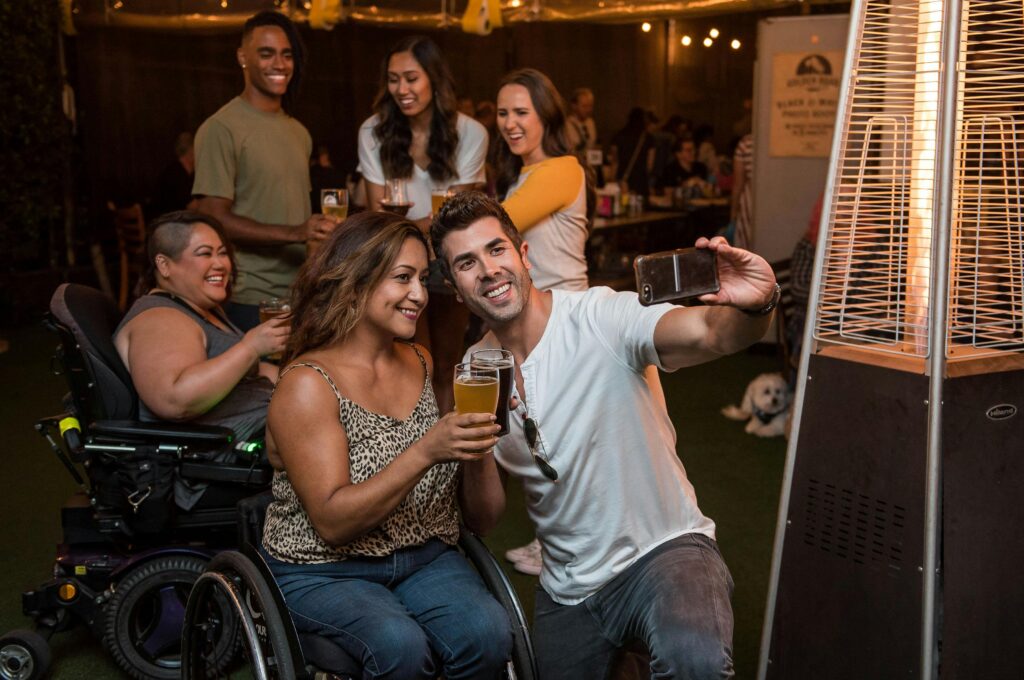
In polyamorous relationships, where multiple partners are involved, accessibility must be a priority to ensure that all individuals can participate fully and comfortably. Accessibility goes beyond physical spaces, encompassing the ways in which we communicate, plan, and care for each other.
- Communication: Establishing clear and accessible communication channels that cater to different needs.
- Planning: Scheduling events and dates in accessible venues and considering the needs of all partners.
- Care: Being attentive to the emotional and physical needs of partners, especially those with disabilities.
It is essential to create a dynamic where each partner feels valued and heard, regardless of their abilities. This includes recognizing the unique challenges that disabled individuals may face and proactively working to address them.
By fostering an environment of inclusivity, polyamorous communities can become a space where everyone, regardless of disability, feels empowered to engage in meaningful relationships.
Communication Strategies for Inclusivity
Effective communication is the cornerstone of any healthy relationship, and in polyamorous dynamics, it becomes even more critical. Inclusive communication strategies ensure that all partners, including those with disabilities, feel heard and respected. Here are some key approaches:
- Emphasize what works in the relationship and ensure each partner feels safe before discussing changes.
- Utilize “I” language to express personal feelings without assigning blame.
- Be mindful of each partner’s communication needs and preferences, adapting methods as necessary.
Inclusivity in communication not only fosters understanding but also builds a foundation of trust and empathy within the relationship.
Remember, inclusivity is not a one-size-fits-all solution; it requires ongoing effort and adaptability to meet the unique needs of each individual within the relationship.
The Role of Media Representation in Promoting Inclusivity
Media representation plays a crucial role in shaping public perception and attitudes towards polyamory and disability. The portrayal of diverse relationships and disabled individuals in media can either reinforce stereotypes or foster a more inclusive society.
- Accurate and respectful representation in media helps normalize polyamorous relationships and the experiences of disabled individuals.
- It is essential for media creators to engage with and portray the nuanced realities of these communities.
- Visibility in media can empower members of polyamorous and disabled communities by reflecting their experiences and validating their identities.
By promoting stories that highlight the intersectionality of polyamory and disability, media can challenge prevailing misconceptions and contribute to a culture of inclusivity.
The impact of media extends beyond entertainment; it informs and educates the broader public. When media representation is inclusive, it can pave the way for greater understanding and acceptance in society at large.
Navigating Stigma and Social Barriers
Confronting Social Stigma Around Disability and Polyamory
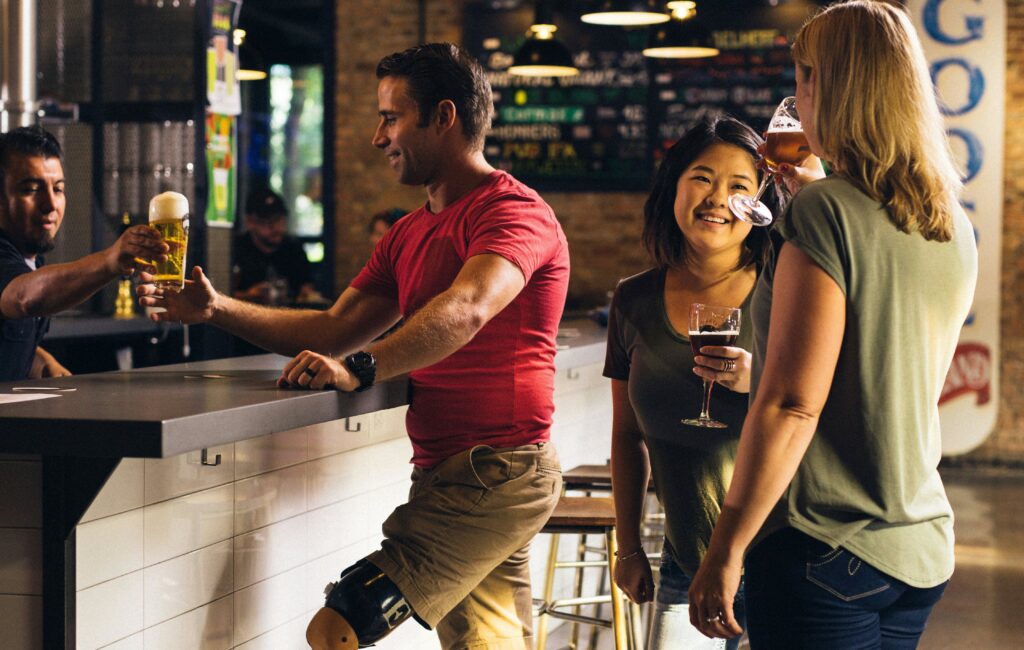
The intersection of disability and polyamory often magnifies the social stigma faced by individuals who are part of both communities. Society’s misconceptions about both disability and non-monogamous relationships can lead to a compounded form of discrimination.
- Cultures around the world have varying degrees of acceptance for polyamorous relationships, often lacking in representation and visibility.
- Disabled individuals in polyamorous relationships may encounter barriers in accessing community spaces, resources, and support.
- The lack of media representation contributes to a narrow understanding of what healthy, consensual relationships look like for disabled polyamorous people.
The journey towards inclusivity requires dismantling the myths that surround disability and polyamory, and recognizing the legitimacy of diverse relationship structures.
Creating an environment that challenges these stigmas is essential for the well-being of disabled polyamorous individuals. It involves not only shifting perceptions but also actively advocating for representation and accessibility in all aspects of relationship education and community support.
Legal and Societal Barriers to Inclusive Relationships
Polyamorous relationships, while gaining visibility, still face significant legal and societal barriers that can be even more pronounced for individuals with disabilities. Legal recognition of polyamorous relationships is virtually non-existent, leading to a lack of protection for rights that are typically afforded to monogamous couples, such as those related to healthcare, housing, and parenting. This lack of recognition can disproportionately affect disabled polyamorous individuals who may require more legal and social support structures.
The intersection of disability and polyamory creates unique challenges that require tailored solutions to ensure inclusivity and equity in relationships.
Societal barriers also play a significant role in the exclusion of disabled individuals from polyamorous communities. Stigma and misconceptions about the capabilities and desires of disabled people can lead to their marginalization. Additionally, the absence of media representation and cultural narratives that include disabled, polyamorous individuals contributes to a lack of awareness and understanding within society at large.
- Stigma and misconceptions about the capabilities and desires of disabled people
- Lack of media representation and cultural narratives
- Absence of legal recognition and protections
- Necessity for tailored solutions to ensure inclusivity
Advocacy and Community Support for Marginalized Groups
Advocacy and community support play a pivotal role in empowering disabled individuals within polyamorous communities. Strong networks and resources are essential for navigating the complexities of such relationships.
- Advocacy groups often focus on areas like gender-affirming care, neurodivergence justice, and racial justice, which intersect with the experiences of disabled polyamorous individuals.
- Community support can take many forms, from peer support to collective care initiatives, emphasizing the importance of solidarity and shared experiences.
It is crucial to create spaces where the voices and expressions of marginalized groups are not just heard but amplified.
Efforts to support marginalized groups often include educational programs and activism aimed at decolonizing mental health and celebrating diverse identities. The table below highlights some key areas of focus for advocacy and support:
| Area of Focus | Description |
|---|---|
| Gender-Affirming Care | Advocates for accessible care tailored to transgender and nonbinary individuals. |
| Indigenous Sovereignty | Supports the rights and recognition of indigenous peoples and their practices. |
| Neurodivergence Justice | Promotes understanding and rights for neurodivergent individuals. |
| BIPOC Therapy Fund | Provides financial support for mental health services to BIPOC communities. |
By fostering a culture of consent and autonomy, and providing resources and networks, we can help build resilience and joy in the lives of disabled polyamorous people.
Health, Safety, and Well-being in Polyamorous Relationships
Sexual Health Education for Diverse Relationship Structures
In the realm of sexual health education, diversity and inclusivity are paramount. Traditional curricula often overlook the unique needs of polyamorous relationships, especially when intersecting with disability. To address this gap, education must evolve to recognize the varied relationship structures and the specific health considerations they entail.
- Tailor sexual health resources to accommodate different relationship dynamics.
- Provide clear information on consent and boundaries within polyamorous networks.
- Emphasize the importance of regular health screenings for all partners involved.
Ensuring that sexual health education is comprehensive and inclusive not only benefits individuals but also fosters a healthier community as a whole.
It is crucial to create educational materials that are accessible to everyone, regardless of their physical or cognitive abilities. This includes using plain language, offering materials in multiple formats, and ensuring that spaces for education are physically accessible.
Mental Health Support for Polyamorous and Disabled Individuals
In the realm of polyamory, mental health support tailored to the unique experiences of disabled individuals is crucial. Accessibility to mental health resources that acknowledge the complexities of non-monogamous relationships is essential. It’s important to recognize that polyamorous individuals may face distinct mental health challenges, such as managing multiple relationships, which can be further complicated by disability.
Finding the right support network is key, and this often includes seeking out LGBTQIA+-friendly therapists who are experienced in addressing the intersection of polyamory, disability, and mental health. Here are some considerations for ensuring mental health support is inclusive:
- Understanding the specific needs of disabled individuals in polyamorous relationships.
- Recognizing the importance of therapists who are knowledgeable about non-monogamous relationship dynamics.
- Ensuring that mental health services are accessible, both physically and in terms of communication.
The journey to mental well-being is a personal one, and it is vital that support systems are in place that respect and affirm the identities and relationships of all involved.
In addition to individual therapy, community support groups and resources can provide a network of understanding and shared experiences. These groups often serve as a safe space for discussing challenges and strategies for maintaining mental health within polyamorous and disabled communities.
Ensuring Physical Safety in Intimate Settings
In the context of polyamorous relationships, ensuring physical safety in intimate settings is a multifaceted issue that requires attention to the unique needs and boundaries of all partners involved. Unlike monogamy, where romantic relationships typically involve one partner, polyamory introduces a dynamic where multiple relationships coexist, each with their own set of physical and emotional considerations.
In polyamorous relationships, it’s crucial to establish clear boundaries and safety protocols that respect the autonomy and well-being of each individual, including those with disabilities. This is especially important as the complexity of managing safety increases with the number of partners.
To foster a safe environment, it’s essential to have open and ongoing conversations about consent, comfort levels, and any specific accommodations that may be needed. This dialogue should be inclusive and adaptive, recognizing that what works in a monogamous relationship may not be sufficient in a polyamorous context. Here are some key points to consider:
- Regular check-ins with all partners to discuss physical safety needs
- Clear communication about health status and safe sex practices
- Accessibility adaptations for any physical disabilities
- Mutual understanding and respect for each partner’s limitations and boundaries
By prioritizing these considerations, polyamorous communities can create spaces where everyone, regardless of their abilities, can engage in fulfilling and safe romantic relationships.
Empowering Disabled Individuals in Polyamorous Communities
Fostering a Culture of Consent and Autonomy
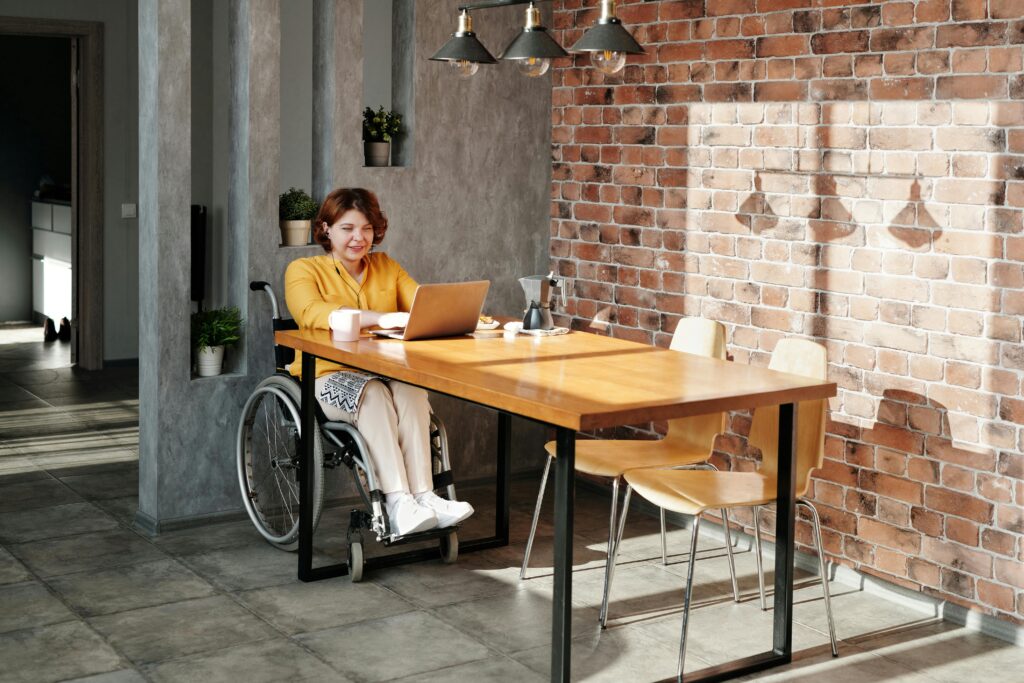
In polyamorous communities, fostering a culture of consent and autonomy is one of the great pillars that support healthy and inclusive relationships. This involves not only respecting each individual’s boundaries and desires but also actively working to understand and accommodate the unique needs of disabled members.
- Rejecting normative respectability politics that hinder the celebration of differences.
- Shifting language from ‘alternative lifestyles’ to a recognition of diverse relationship structures.
- Creating spaces for deep listening, respect, and the ability to exist authentically.
By centering learning around clients and their needs with gentle curiosity, we adapt to each unique person, valuing feedback to deepen insights and make spaces safer and more accessible.
It is also crucial to confront adult supremacy and support youth autonomy, recognizing that empowerment and solidarity begin with respecting the autonomy of all individuals, regardless of age. Cultivating a trusting relationship is essential for self-exploration and change, especially in a society that often marginalizes those who do not fit into conventional relationship paradigms.
Building Resilience and Joy in Queer and Disabled Kinships
In the realm of polyamorous relationships, building resilience and joy is crucial, especially for those at the intersection of queer and disabled identities. These kinships offer a unique space where individuals can celebrate their distinctiveness and support one another in ways that affirm their whole selves.
- Exploring intersectional approaches that recognize the nuances of gender, sexuality, and disability.
- Shifting focus from oppressive narratives to ones of joy, euphoria, and cultural humility.
- Acknowledging the importance of queer kinships in providing strength and understanding within marginalized communities.
Resilience in queer and disabled kinships is not just about surviving; it’s about thriving in a network of relationships that honors every aspect of identity.
It is essential to move beyond the ‘we’re just like you’ mentality and embrace the diverse cultural protocols, safety needs, and languages that enrich these communities. By doing so, we foster environments where individuals feel seen, heard, and valued—where the concept of kinship extends beyond traditional boundaries to include all forms of connection and support.
Resources and Networks for Disabled Polyamorous People
In the quest to find partners and build meaningful connections, disabled people in polyamorous communities often face unique challenges. Accessibility to resources and networks that cater specifically to their needs is crucial. These resources not only help in finding compatible non-disabled people but also provide a platform for sharing experiences and support.
- Online forums and social media groups dedicated to disabled polyamory
- Workshops and events that focus on inclusive relationship design
- Books and articles that explore the intersection of disability and non-monogamy
It is essential for these resources to be readily available and easily navigable, ensuring that everyone has the opportunity to participate fully in the community.
By fostering environments where disabled individuals can freely express their desires and boundaries, we create a more inclusive and equitable polyamorous landscape. The journey towards inclusivity is ongoing, and the development of these resources is a step towards recognizing the diverse ways in which people experience love and connection.
Frequently Asked Questions
Q: What is non-monogamy and how does it relate to inclusivity for people with disabilities?
A: Non-monogamy refers to kinds of relationships where individuals have more than one romantic or sexual partner. Inclusivity in this context means making adjustments to make a relationship accessible for people with disabilities. This involves a commitment to recognizing the unique needs and barriers they may face and being willing to make the necessary adjustments.
Q: Why might many autistic people be interested in polyamorous relationships?
A: Many autistic people may find polyamorous relationships attractive because they offer a spectrum of understanding and flexibility that can be well-suited to their needs. Polyamory allows for relationships that work on multiple levels, which can be appealing for an autistic adult who may require clearer communication and defined boundaries.
Q: How can individuals develop to make polyamory as much inclusive of people with disabilities?
A: To make polyamory as much inclusive of people with disabilities, individuals can start by educating themselves on disability justice and the specific needs of their partners. This includes being open to making practical and emotional adjustments to make a relationship accessible. It’s about creating a safe space where everyone feels valued and heard.
Q: What are some common hurdles that may need to be overcome to make a relationship accessible for people with disabilities?
A: One common hurdle in making a relationship accessible is a hurdle in understanding and implementing necessary accommodations, such as scheduling around medical appointments, understanding sensory needs, or even redefining what sex and relationships look like within the context of disability. It requires creativity, patience, and willingness to work together.
Q: Can you share an example of someone who identifies as polyamorous because of their unique needs?
A: An example is a disabled-since-birth superfat genderqueer femme who identifies as polyamorous because she already needs a community to meet her diverse needs. Being polyamorous allows her to have multiple partners who can offer a range of emotional, physical, and logistical support, illustrating how polyamory can sometimes be a practical choice rooted in the reality of living with disabilities.
Q: What adjustments may have to be made in polyamorous relationships to accommodate disabled partners?
A: Adjustments may include modifying physical spaces to be more accessible, having more flexible schedules, developing clear and direct methods of communication, and being open to non-traditional forms of intimacy. It’s about being willing to make the necessary efforts to ensure everyone feels loved and supported.
Q: How does the mainstream polyamory community view relationships involving disabled partners?
A: The mainstream polyamory community’s views can vary widely, but there is a growing recognition of the importance of inclusivity and accessibility. Many within the community are advocating for greater awareness and education around the needs of disabled partners, pushing for relationships that work for everyone involved.
Q: What can be done to reduce the challenges faced by disabled individuals in polyamorous relationships?
A: To reduce challenges, it’s crucial for all partners to actively listen, learn, and be willing to make changes. This includes educating oneself about disability justice, advocating for accessible spaces and events within the poly community, and recognizing that disabled individuals may have to work hard to navigate relationships. It’s about creating a partnership where everyone is committed to doing the work necessary to support each other.
Inclusive Love – Embracing All Paths in the Adventure of Polyamory
Explore how polyamorous relationships can become a beacon of inclusivity for people with disabilities at SwingTowns. Join a community that values and respects diversity in all its forms. Register for a free account on SwingTowns today to connect, share, and learn in a space where every individual’s journey is celebrated. Start your inclusive adventure with us and discover the limitless possibilities of love and connection!
“My husband and I joined Swingtowns a couple of years ago. We are new to this lifestyle and were a little apprehensive in getting involved in something like this, but we wanted to spice up our sex life and bite the bullet. We have met some wonderful respectful people and have become friends with everyone we met.” -Needtocome