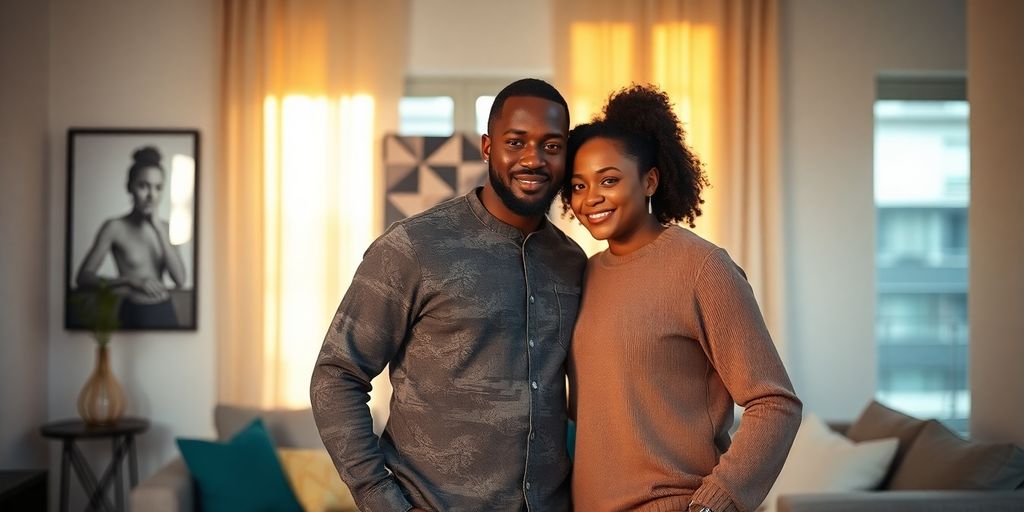
Navigating Polyamory as a Black Person in White-Centric Spaces
It can feel pretty isolating when you’re trying to figure out non-monogamy, and even more so when you’re a person of color in spaces that don’t really reflect your experience. Many polyamorous communities tend to be pretty white, and that can bring up a whole host of unique challenges. This article looks at what it’s like being Black and polyamorous in a white-dominated space, touching on everything from finding partners to dealing with the everyday biases that pop up.
Key Takeaways
- Polyamorous communities often lean heavily white, leading to a lack of representation and unique challenges for people of color.
- Experiences in predominantly white polyamorous events can highlight racial disparities and the compounding stigma faced by poly people of color.
- Finding partners and navigating relationship dynamics can be complicated by racial biases and the pervasive influence of compulsory monogamy.
- Creating more inclusive polyamorous spaces requires amplifying diverse voices and actively challenging dominant cultural norms and biases.
- Addressing issues like racism and ableism within polyamorous relationships and communities is vital for fostering truly safe and equitable environments.
Understanding The Landscape: Polyamory Through A Racial Lens
When we talk about polyamory, it’s hard to ignore how white it often seems. Think about the books on the shelves, the speakers at conferences, or even just the general vibe at local meetups. It often feels like a space created by and for white people. This isn’t just a feeling; data from events in places like San Francisco shows a significant overrepresentation of white attendees compared to the general population. This lack of diversity isn’t accidental; it reveals how these communities actively shape who feels welcome and included.
The Overwhelming Whiteness of Polyamory Spaces
It’s pretty common to walk into a polyamory event and see a sea of white faces. People of color participate, but they often represent only a small minority within these spaces. This imbalance can leave non-white individuals struggling to feel a true sense of belonging or to have their experiences fully understood. The dominant culture within polyamory often reflects broader societal norms, which can inadvertently exclude or marginalize people of color.
Lack of Representation for People of Color
Beyond just event attendance, the lack of representation is visible in other areas too. Many of the foundational texts and well-known figures in the polyamory movement are white. While new voices are emerging, there’s a significant gap in the visibility of polyamorous people of color sharing their stories and perspectives. This absence makes it harder for others to see themselves reflected and can lead to a feeling of isolation.
Personal Motivations for Addressing Inclusivity
For many of us, the desire to address this lack of inclusivity comes from personal experience. Whether organizing local events or building community connections, people quickly realize they must do more to create inclusive spaces. We want to create spaces where everyone, regardless of race, feels seen, heard, and valued. This isn’t just about making polyamory
Navigating White-Centric Polyamorous Communities
It’s no secret that many polyamory spaces, especially in the US, tend to be overwhelmingly white. This can make it tough for people of color to feel fully seen or included. When you show up to local polyamory events, you might notice a distinct lack of diversity. This isn’t just about numbers; it’s about how these spaces are structured and who feels welcome.
Experiences at Local Polyamory Events
Showing up to a poly event can feel like stepping into a different world when you’re not part of the dominant demographic. You might find yourself as one of only a few, or even the only, Black person there. This can lead to a feeling of being an outsider, constantly aware of your difference. Sometimes, conversations might revolve around topics or experiences that don’t quite align with your own background, making it hard to connect.
The Stacking of Stigma for Poly People of Color
For Black polyamorous individuals, there’s often a double dose of stigma. You’re dealing with the societal judgment against non-monogamy, and then on top of that, you’re facing racism. This can mean dealing with assumptions or microaggressions within the poly community itself, or even outside of it. It feels like the challenges just keep piling up, making it harder to just exist and form relationships.
Prioritizing Race or Non-Monogamy Discussions
It’s a constant balancing act. Do you focus on the challenges of navigating polyamory, or do you address the racism you’re experiencing? Sometimes, it feels like you have to choose which identity or struggle to bring to the forefront. This can be exhausting, especially when you just want to talk about relationships and find community. It’s a lot to manage when you’re trying to build polyamorous relationships in white communities.
“Swingtowns.com has been one of the best places for meeting like minded and fun party people. I’m always looking to meet new people and this site never fails.” -PoundnSand
It’s tough when you’re trying to find partners and the dating pool feels limited, not just by polyamory itself, but by racial dynamics. You might find yourself traveling between different communities, looking for a space where all parts of your identity are acknowledged and celebrated. The challenges for black polyamorous individuals are real, and it’s important to acknowledge the unique hurdles faced when navigating non-monogamy as a minority.
Intersections of Identity and Non-Monogamy

When we talk about polyamory, it’s easy to get caught up in the relationship structures themselves, but we really need to consider how our identities shape our experiences within these communities. For Black folks, Indigenous folks, and other people of color, this means looking at how racism intersects with non-monogamy. It’s not just about dating multiple people; it’s about how societal biases, like compulsory monogamy, can make things even harder when you’re already navigating spaces that often feel dominated by white culture.
Race and Relationship Dynamics
Our racial identity isn’t separate from our relationship choices or how we experience polyamory. Think about it: historical policies have actively worked to break down Indigenous kinship structures, often linking individualism with monogamous marriage. This history means that for many, the idea of a nuclear family and a single romantic partner is deeply ingrained, not just as a preference, but as a societal norm. When we bring this into polyamorous spaces, it can create a disconnect. We might find ourselves questioning if our non-traditional relationship structures are seen as less valid than the dominant couple-centric models. This is a big part of why understanding intersectional polyamory identity is so important. It acknowledges that our race, our culture, and our relationship styles all weave together.
Challenges in Finding Partners
Finding partners in polyamory can be challenging, and for people of color, added barriers often arise. Stereotypes, cultural misunderstandings, or being fetishized are common issues, as is the pressure to constantly educate others. Some potential partners may also avoid relationships outside their racial or cultural comfort zones. That’s where community-oriented polyamory becomes important—focusing on supportive, reciprocal bonds that value a wide range of intimate connections, not just those that reflect monogamous norms. This approach pushes back against colonial ideas that prioritize certain relationship types, promoting a more expansive and inclusive vision of love. It encourages diverse, affirming relationships built on mutual care and cultural understanding. Embracing this model helps resist marginalization and celebrates the full spectrum of how people connect. For more on destigmatizing nonmonogamy and embracing diverse ways of loving, check out resources focused on expanding cultural acceptance of relationship diversity.
The Role of Compulsory Monogamy
Compulsory monogamy is that unspoken rule that everyone should be in a monogamous relationship. It’s so baked into our society that we often don’t even notice it. But for those of us who practice polyamory, especially those of us who are also people of color, it creates a constant pushback. It’s not just about choosing not to be monogamous; it’s about actively resisting a system that tells us our way of relating is wrong or less legitimate. This resistance can look like valuing platonic relationships just as much as romantic ones, or intentionally building community care networks instead of relying solely on a single partner for all our needs. It’s a political act, really, a way of pushing back against the norms that have been imposed on us.
Building More Inclusive Polyamorous Futures
It’s pretty clear that the polyamorous world, like many others, has some serious work to do when it comes to being truly inclusive. We need to actively create spaces where everyone feels welcome, not just the folks who fit a certain mold. This means making sure that the stories and experiences of people of color, disabled individuals, queer and trans folks, and anyone else who’s been pushed to the margins are not just heard, but centered.
The Need for Diverse Voices and Stories
We’ve got to make a conscious effort to bring more diverse voices into the conversation. This isn’t just about ticking boxes; it’s about enriching the entire polyamorous community. When we only hear from a narrow group, we miss out on so much. Think about it:
- Sharing experiences: People of color often face unique challenges in polyamorous communities, dealing with both racism and the assumptions of mononormativity. Their stories are vital for understanding these intersections.
- Challenging assumptions: Hearing from disabled polyamorous individuals can help dismantle ableist ideas that often go unexamined, especially when people are expected to be fully independent.
- Broadening perspectives: Queer and trans individuals bring different understandings of relationships and identity, pushing back against heteronormative and cisnormative expectations that can creep into non-monogamous dynamics.
Ultimately, a more inclusive future for polyamory depends on amplifying these varied perspectives. It’s about moving beyond a one-size-fits-all approach and recognizing the richness that comes from a multitude of lived experiences. We need to actively seek out and promote content that reflects this diversity, moving away from the dominant narratives that have historically excluded many. This is how we build a polyamorous landscape that truly reflects the world we live in, not just a small, privileged slice of it. It’s about making sure that everyone can find their place and feel seen, heard, and valued within these relationship structures. We need to look at resources that discuss racism within polyamorous communities, for example, to better understand these dynamics.
Addressing Ableism and Other Marginalizations
Beyond race, we have to talk about ableism, classism, and all the other ways people can be excluded. Polyamory often requires a lot of emotional labor and communication, which can be really tough for people with certain disabilities or chronic illnesses. We need to be mindful of this and create structures that are more accessible. This might mean rethinking event formats, communication styles, or even the assumptions we make about people’s capacity for certain types of relationships. It’s not enough to just say we’re inclusive; we have to actively build systems that support everyone.
Challenging Dominant Monogamous Discourses
We also need to keep challenging the ingrained ideas about relationships that come from a monogamous, often heteronormative and colonial, society. Things like couple-privilege, the idea that a primary couple is the default, or the pressure to conform to certain relationship structures – these all need to be questioned. Polyamory offers a chance to break free from these old ways of thinking, but only if we’re willing to really examine and dismantle them. It’s about recognizing how compulsory monogamy shapes our expectations and actively choosing different paths.
The Impact of Cultural Bias in Polyamory
It’s easy to forget that polyamory, while a departure from monogamy, doesn’t exist in a vacuum. The dominant culture we all grew up in, with its specific ideas about relationships and family, still shapes how we think and act, even within non-monogamous circles. This can make people feel like outsiders, especially if their background or experiences don’t quite match the prevailing norms within a particular polyamorous community.
Couple-Centric Cultures in Polyamory
Many polyamorous spaces, despite advocating for multiple relationships, can still fall into patterns that favor couples. This often looks like conversations or events that naturally center around established pairs, leaving individuals who are single or in less conventional relationship structures feeling a bit sidelined. It’s like the default setting is still geared towards two people, even when the topic is about more than two. This can be particularly alienating for people of color who may already feel like they’re navigating unfamiliar social territory.
Feeling Like a Cultural Outsider
When the unspoken rules and cultural touchstones of a community don’t align with your own upbringing or lived experiences, it’s easy to feel like you’re on the periphery. This can manifest in subtle ways, like inside jokes you don’t get, or a shared history that doesn’t include you. For Black individuals in predominantly white polyamorous spaces, this feeling of being an outsider can be amplified, making it harder to form genuine connections and feel truly seen.
The Influence of Dominant Societal Structures
We can’t escape the fact that societal structures, like those that uphold monogamy as the standard, also influence polyamorous communities. Think about how media often portrays relationships, or the legal and social systems that are built around two-person partnerships. These dominant narratives can subtly reinforce certain expectations, even within polyamory, and it’s something that many poly people of color have to consciously push against. It’s a constant negotiation between the desire for authentic non-monogamy and the pervasive influence of a world that often doesn’t quite get it, much like how polyamorous families can face societal stigma.
Addressing Abuse Within Polyamorous Contexts
It’s tough enough dealing with abuse, but when you’re in a polyamorous setup, things can get even more complicated. People often don’t get the support they need from friends, family, or even professionals. Sometimes, the polyamory itself gets blamed, like it’s the reason the abuse is happening. It’s like, if you’re not in a monogamous relationship, people might not believe you as easily when you talk about abuse. And if the person causing harm isn’t your primary partner, the usual advice to ‘just leave’ gets louder, because people think polycules are just naturally unstable.
Racism as a Form of Abuse in Polyamory
Racism shows up in polyamorous relationships more often than we’d like to admit. It can be subtle or overt, but abusive behaviors rooted in racism are sadly common in many poly communities. It’s almost like a running joke, but it’s not funny. We need ways to address this, to work towards justice across different cultures within these relationships. It’s about recognizing that harmful stereotypes can exist within any community, and we need to actively counter them.
Ableist Abuse and Individualizing Narratives
Ableism is another big issue. Sometimes, individualizing narratives can make chronically ill or disabled folks feel isolated. You know, those stories that focus only on the individual’s problem, rather than looking at the bigger picture. These narratives can be used against people who have different needs than their partners, making them feel like they’re asking for too much. It’s a sneaky kind of abuse because it makes it seem like the problem is with the person, not the system or the lack of understanding. We need to challenge these individualistic ideas and talk openly about what support actually looks like and how we value it. It’s important to find a therapist who understands these dynamics, like those specializing in trauma.
Creating Safe Spaces for Difficult Conversations
Polyamorous communities often try to maintain an image of being super ethical and honest, which is great. But this can make it hard to talk about abuse. People might worry about how their relationships will be seen by outsiders, or even by others within the community. There’s a lot of pressure to be perfect. We need to create spaces where people feel safe to talk about abuse without shame. This means naming the abuse, understanding how people get drawn into harmful behaviors, and celebrating how they resist it. It’s a challenge, for sure, but it’s something we really need to work on together. We need to find ways to respond to abuse within polycules that don’t end up being used against the polyamorous community as a whole.
Moving Forward: Building More Inclusive Spaces
It’s clear that the polyamory world, like many others, has a long way to go to truly reflect the diversity of its participants. While the conversation is starting, and more voices are beginning to be heard, there’s still a significant gap in representation, especially for Black individuals and other people of color. This isn’t just about numbers; it’s about creating environments where everyone feels seen, understood, and valued. Moving forward means actively seeking out and amplifying Black and POC experiences within polyamory, challenging the often white-centric narratives, and building communities that are genuinely inclusive. It requires a conscious effort from everyone involved to acknowledge existing biases and work towards a more equitable future for all forms of non-monogamy.
Frequently Asked Questions
Why do polyamory spaces often feel very white?
Many polyamory communities and books are mostly made up of white people. This can make it hard for people of color to feel included or represented. It’s like walking into a party where everyone looks different from you and you don’t see anyone who shares your background.
How does racism affect people of color in polyamorous relationships?
It can be tough when you’re trying to figure out non-monogamy while also dealing with racism. Sometimes, the stress of racism can feel more pressing than relationship issues, or vice versa. It’s like juggling two really difficult things at once.
What are the difficulties people of color face when looking for partners in polyamory?
Finding partners who understand and accept your identity, including your race and your non-monogamous lifestyle, can be a real challenge. You might feel like you have to explain yourself more often or that there are fewer options available.
Is polyamory often centered around couples, and how does that impact others?
Yes, polyamory can sometimes be couple-focused, where the main discussions revolve around existing couples making new rules. This can leave single poly people, especially those of color, feeling like outsiders or like their experiences aren’t as important.
How can polyamorous communities become more inclusive and address abuse?
It’s important to create spaces where everyone feels safe to talk about difficult topics like racism and abuse. This means listening to diverse voices, challenging unfair ideas, and making sure that everyone’s experiences are respected, not dismissed.
How do societal expectations and cultural biases affect polyamory?
Cultural biases, like the assumption that everyone is monogamous or that relationships should follow a certain pattern, can make polyamorous people of color feel out of place. It’s like the unwritten rules of society don’t quite fit your life.
Your Space to Shine – Where Real Connection Meets Bold Exploration
You deserve a community where your identity isn’t just acknowledged—it’s celebrated. Connect with others who understand the nuance of navigating love, race, and liberation in spaces that don’t always feel made for you. Here, your voice leads the journey toward joy, authenticity, and belonging. Sign up for a free SwingTowns account today and start exploring on your own terms, with people who truly see you.
“Swingtowns, easy navigating the site, no harassing upgrade ads, easy to find people, premium is not over priced….Just keep swinging, just keeping swinging” -mrgood69