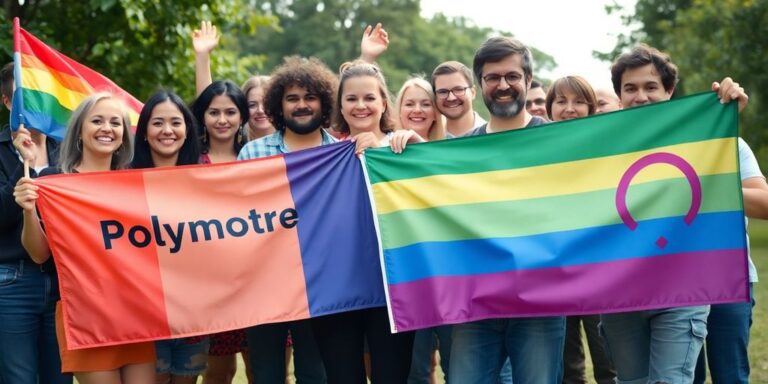
Nurturing Healthy Polyamorous Relationships: Addressing Legal Protections and Psychology Today Insights
Polyamory, a relationship style where people have multiple loving partners, is gaining more attention. But, it still faces many challenges, from legal issues to societal resistance. This article explores what polyamory is, the legal protections needed, and the psychological aspects of these relationships. It also offers advice on building healthy polyamorous relationships and the important role of allies.
Key Takeaways
- Polyamory involves having more than one romantic relationship at the same time, with the consent of everyone involved.
- Legal protections for polyamorous relationships are limited, but advocacy is growing.
- Understanding and empathy are crucial for supporting polyamorous individuals.
- Effective communication and clear boundaries are key to healthy polyamorous relationships.
- Allies play an important role in advocating for the rights and acceptance of polyamorous communities.
Understanding Polyamory: Beyond Mononormative Norms
Polyamory challenges traditional relationship expectations by advocating for multiple consensual relationships. It goes beyond the typical monogamous framework, offering a non-traditional approach to love and connection. This section explores the various facets of polyamory, including its definitions, cultural perspectives, and the ways it questions monogamous norms.
Defining Polyamory and Its Variants
Polyamory is the ability and desire to love multiple partners at the same time, openly and honestly. It’s important to distinguish polyamory from other non-monogamous relationships like swinging or open relationships, as each has its own unique principles.
Cultural Perspectives on Polyamory
Different cultures have varied views on polyamory. While some see it as a valid expression of love, others may view it as unconventional. Understanding these perspectives helps in appreciating the diversity of human connections.
Challenging Monogamous Norms
Polyamory encourages us to think beyond monogamous norms and embrace the diversity of relationships. It pushes us to question what is considered “normal” and to be more inclusive of different ways people can connect and love.
Embracing polyamory means recognizing that love and relationships can take many forms, each valid and meaningful in its own way.
Legal Protections for Polyamorous Relationships

Current Legal Landscape
Polyamorous relationships often face a complex legal landscape. In many places, the legal system is designed around monogamous marriages, making it hard for polyamorous families to gain legal recognition. This can lead to issues with parental rights, inheritance, and medical decisions. Legal ambiguity creates uncertainty and vulnerability for those in polyamorous relationships.
Advocating for Legal Rights
Advocating for legal rights involves pushing for changes in family law to recognize diverse relationship structures. Legal and political scholars are increasingly calling for reforms. Steps to advocate for these rights include:
- Raising awareness about the legal issues faced by polyamorous families.
- Engaging with policymakers to discuss potential legal reforms.
- Building coalitions with other groups advocating for family law changes.
Case Studies and Precedents
Several case studies highlight the legal challenges faced by polyamorous families. For example, issues like hospital visitation rights, shared property ownership, and child custody arrangements can become complicated without legal recognition. These cases show the need for clear legal protections to ensure the well-being of all involved parties.
Considering the legal complexities, it is essential to create practical agreements and arrangements to protect everyone in polyamorous relationships. Allies should also consider the policy implications for those living in such relationships.
Psychological Insights into Polyamorous Relationships
Mental Health Considerations
Polyamorous individuals often work on building self-esteem, communicating their feelings openly, and avoiding assumptions about their partners’ other relationships. Mental health professionals need to understand the unique challenges faced by those in polyamorous relationships to provide effective support. It’s important to recognize that polyamory is not inherently linked to mental health issues, but the stigma and societal resistance can contribute to stress and anxiety.
Therapeutic Approaches
Therapists working with polyamorous clients should adopt inclusive and non-judgmental approaches. This includes understanding the dynamics of multiple relationships and helping clients navigate jealousy, time management, and communication. Effective therapy can help individuals and groups set healthy boundaries and improve their relationship satisfaction.
Empathy and Tolerance
Empathy and tolerance are crucial in polyamorous relationships. Partners must be able to understand and respect each other’s feelings and boundaries. Developing these skills can lead to more harmonious and fulfilling relationships. Building empathy involves active listening and being open to different perspectives.
In polyamorous relationships, fostering empathy and tolerance can significantly enhance relationship quality and personal well-being.
Highlights
- Mental health professionals need to understand the unique challenges faced by those in polyamorous relationships.
- Effective therapy can help individuals and groups set healthy boundaries.
- Building empathy involves active listening and being open to different perspectives.
Navigating Societal Resistance and Challenges

Historical Context and Misconceptions
Polyamory has faced resistance throughout history. Many people have misconceptions about it, thinking it’s just about having multiple partners. It’s important to recognize that polyamory is about forming meaningful relationships. These misunderstandings have led to societal pushback and legal challenges.
Societal Norms and Power Dynamics
Society often favors monogamous relationships, making it hard for polyamorous people to be accepted. This bias is rooted in long-standing power dynamics that prioritize traditional family structures. To navigate these challenges, polyamorous individuals must often hide their relationships or face discrimination.
Strategies for Overcoming Stigma
To overcome stigma, it’s crucial to educate others about polyamory. Here are some strategies:
- Open Communication: Talk openly about your relationships to dispel myths.
- Community Support: Join or form support groups to share experiences and advice.
- Advocacy: Work to change laws and policies to better protect polyamorous relationships.
Navigating societal resistance requires resilience and a strong support network. By standing together, polyamorous communities can push for greater acceptance and legal recognition.
Building Healthy Polyamorous Relationships

Creating and maintaining healthy polyamorous relationships requires a strong foundation of communication, trust, and mutual respect. Open and transparent dialogue is essential for navigating the complexities of multiple partnerships. This includes discussing boundaries, expectations, and any concerns that may arise.
Communication and Boundaries
Effective communication is the cornerstone of any successful polyamorous relationship. Partners should regularly check in with each other, ensuring that everyone feels heard and valued. Setting clear boundaries helps prevent misunderstandings and fosters a sense of security within the relationship.
Conflict Resolution
Disagreements are inevitable in any relationship, but having conflict resolution strategies in place is crucial for polyamorous and open relationships. Techniques such as active listening, empathy, and compromise can help resolve issues amicably. It’s important to address conflicts early on to prevent them from escalating.
Creating Supportive Communities
Building a network of supportive friends and family can make a significant difference in the well-being of polyamorous families. These communities provide a safe space for individuals to share their experiences and seek advice. Additionally, being part of a supportive community can help reduce feelings of isolation and stigma.
In polyamorous relationships, the strength of the partnership often lies in the ability to communicate openly and resolve conflicts effectively. By fostering a supportive environment, individuals can thrive both emotionally and physically.
The Role of Allies in Supporting Polyamorous Communities

Understanding Allyship
Being an ally to those in polyamorous relationships means more than just accepting their lifestyle. It involves active participation in creating a supportive environment. Allies can educate themselves about the unique challenges and advocacy for recognition in polyamorous relationships, emphasizing community support and legal hurdles.
Policy Implications
Allies should consider the policy implications for those who live in polyamorous relationships. This includes advocating for legal protections and benefits that are often inaccessible to polyamorous families. By understanding the legal landscape, allies can better support their polyamorous friends and partners.
Practical Support and Advocacy
- Educate Yourself: Learn about polyamory and its various forms. Understanding the basics can help you become a better ally.
- Respect Privacy: Understand that individuals may choose not to disclose their relationship status openly. Respect their privacy and do not pressure them to share details about their personal lives.
- Challenge Stigmatization: Speak up against stereotypes, discrimination, and stigmatization of polyamorous relationships. Advocate for inclusive and respectful language in public and private discussions.
- Create Safe Spaces: Foster inclusive environments within your social circles and communities where individuals in polyamorous relationships can feel safe and supported.
- Acknowledge Intersectionality: Recognize the impact of intersectionality on non-monogamous experiences and work to address the unique challenges faced by individuals with intersecting identities.
Allies play a vital role in creating a more affirming and supportive environment for those in polyamorous unions, contributing to the broader vision of social justice and inclusivity within the sphere of sexuality.
Conclusion
In conclusion, nurturing healthy polyamorous relationships requires a blend of understanding, empathy, and legal protections. By challenging the traditional views of monogamy and embracing diverse forms of love, we can create a more inclusive society. It’s important to recognize the unique challenges faced by polyamorous individuals and work towards policies that protect their rights. As we continue to learn and grow, fostering a culture of acceptance and support will help ensure that all forms of relationships are respected and valued.
Frequently Asked Questions
What is polyamory?
Polyamory is when someone has romantic relationships with more than one person at the same time, with everyone’s knowledge and consent.
Are there different types of polyamorous relationships?
Yes, there are various forms, including hierarchical polyamory, non-hierarchical polyamory, and solo polyamory, among others.
Is polyamory legal?
Polyamory itself isn’t illegal, but legal protections for polyamorous families can be complicated and vary by location.
How can someone advocate for the rights of polyamorous people?
Advocating can include raising awareness, supporting policy changes, and joining organizations that fight for legal recognition of polyamorous relationships.
What mental health considerations are there for polyamorous relationships?
People in polyamorous relationships may face unique mental health challenges, such as jealousy and societal stigma, and can benefit from therapy that understands these dynamics.
How can allies support polyamorous communities?
Allies can support by understanding polyamory, advocating for policy changes, and offering practical help and acceptance.
Embark on the Path to Thriving Relationships – Discover Boundless Insights and Legal Peace
Are you ready to deepen your understanding of polyamorous relationships and gain valuable insights on legal protections and psychological well-being? Join our vibrant community on SwingTowns and explore a wealth of resources tailored to your journey. Sign up for a free account today and start your adventure in a supportive, enlightening environment. Begin nurturing your relationships with the guidance and community you deserve!
“Wow!! This site is absolutely amazing. Me and my lady have met some fun sexy people on here and got some great feedback from other couples about our profile.” -JessnOsc77