Polyamory and Monogamy: Bridging the Gap
In today’s rapidly changing world, relationships are evolving and taking on new forms. Traditional notions of monogamy are being challenged by the emergence of polyamory, a relationship style that allows for multiple partners with the consent and knowledge of all involved.
While both polyamory and monogamy have their own merits and drawbacks, it is essential to explore ways to bridge the gap between these two relationship models, fostering understanding, empathy, and open communication.
This blog aims to delve into the intricacies of polyamory and monogamy, highlighting their shared values and offering strategies for building stronger connections between individuals practicing different relationship styles.
Let’s discuss it!
Understanding Polyamory and Monogamy
Before we can bridge the gap between polyamory and monogamy, it’s crucial to comprehend the fundamental principles of each relationship style.
Monogamy
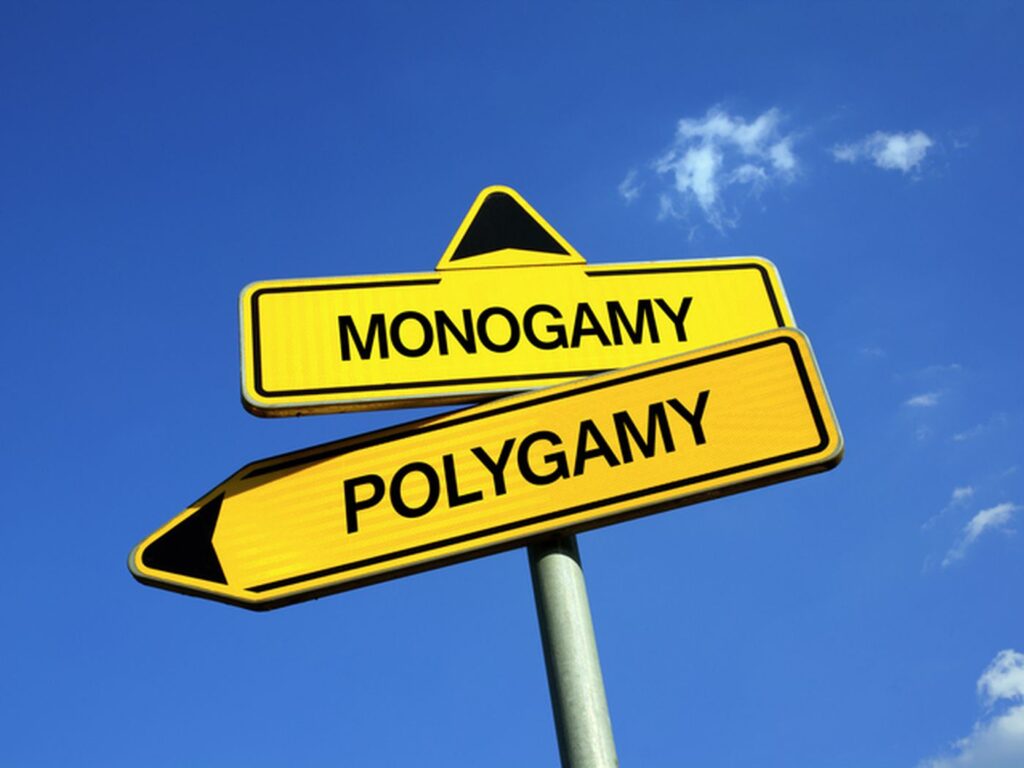
Monogamy is characterized by a committed, exclusive partnership between two individuals. It often emphasizes emotional and sexual fidelity, focusing on building a deep bond with a single partner.
Polyamory
Polyamory, on the other hand, involves maintaining consensual, simultaneous relationships with multiple partners. It prioritizes open communication, honesty, and the acknowledgment of emotional and sexual connections with multiple people.
Exploring Shared Values
Despite their differences, polyamory and monogamy share common values that can form a basis for bridging the gap between these relationship styles.
Trust
Trust is paramount in any relationship, regardless of its structure. Both polyamorous and monogamous relationships require trust to thrive. Building trust through open and honest communication can be a unifying factor for individuals of different relationship orientations.
Communication
Effective communication is essential for any relationship to succeed. Polyamory places a particular emphasis on open and transparent communication to navigate multiple connections, while monogamy benefits from clear communication to establish boundaries and address individual needs. By sharing insights and strategies, individuals from both relationship styles can enhance their communication skills.
Emotional Growth
Both polyamory and monogamy can facilitate personal growth and self-discovery. By recognizing this shared value, individuals can appreciate that different relationship styles offer unique opportunities for emotional development and self-awareness.
Breaking Stereotypes and Prejudices
One of the major barriers to bridging the gap between polyamory and monogamy is the prevalence of stereotypes and prejudices surrounding both relationship styles. Overcoming these biases is crucial for fostering understanding and empathy.
Educating Ourselves
It’s important to challenge our preconceived notions and educate ourselves about different relationship models. Learning about the experiences, perspectives, and challenges faced by individuals practicing polyamory and monogamy can help dispel stereotypes and foster empathy.
Recognizing Individuality
Relationships are deeply personal, and it is essential to acknowledge that individuals have the right to choose the relationship style that best suits them. Understanding that there is no “one size fits all” approach to love and commitment can bridge the gap between different relationship orientations.
Strategies for Bridging the Gap
Now that we’ve explored the shared values and challenges between polyamory and monogamy, let’s discuss practical strategies for building stronger connections between individuals from both relationship styles:
Open Dialogue
Engaging in open and respectful dialogue can help bridge the gap between polyamory and monogamy. Create a safe space for discussions, allowing individuals from both relationship orientations to share their perspectives, concerns, and experiences.
Empathy and Respect
Cultivating empathy and respect for differing relationship styles is vital for fostering understanding. It’s crucial to acknowledge that everyone’s experiences and needs are unique, and that diversity in relationships enriches our understanding of human connections.
Finding Common Ground
Identify common ground between polyamory and monogamy. Both relationship styles value love, connection, and emotional fulfillment. Emphasize these shared desires as a starting point for understanding and collaboration.
Seeking Compromise
Encourage individuals from both relationship styles to explore potential compromises that can accommodate the needs and boundaries of each partner. This could involve establishing agreements, renegotiating boundaries, or finding creative solutions that honor the desires of everyone involved.
Building a Supportive Community
Foster a sense of community and support for individuals practicing both polyamory and monogamy. Creating spaces where people can share their experiences, learn from one another, and offer support can go a long way in bridging the gap and creating a more inclusive and understanding society.
FAQs
Here are some FAQs relevant to Polyamory and Monogamy in order to answer all your confusions.
What is the main difference between polyamory and monogamy?
Polyamory and monogamy differ in terms of the number of partners involved and the level of exclusivity. In monogamy, individuals form a committed and exclusive partnership with one person at a time, focusing on building a deep bond with that individual.
In polyamory, individuals have the ability to form simultaneous, consensual relationships with multiple partners, with the knowledge and consent of all involved.
Can someone practice both polyamory and monogamy at different times in their life?
Yes, it is possible for someone to practice both polyamory and monogamy at different points in their life. Some individuals may identify as polyamorous during certain periods, exploring multiple relationships, and then transition to a monogamous relationship later.
It’s important to remember that relationship styles can evolve and change over time, and individuals have the autonomy to choose what works best for them in different stages of their life.
How do polyamorous and monogamous individuals communicate and navigate their differences?
Effective communication is key to navigating differences between polyamorous and monogamous individuals. Both parties must engage in open and honest conversations about their needs, desires, and boundaries.
Active listening, empathy, and respect are essential during these discussions. Finding compromises and understanding each other’s perspectives can help create a space where both relationship styles can coexist harmoniously.
Are polyamorous relationships less stable than monogamous relationships?
Stability in relationships is not solely determined by the relationship style, whether it is polyamorous or monogamous. The stability of a relationship depends on various factors, including communication, trust, compatibility, and commitment among the partners involved.
Both polyamorous and monogamous relationships can be stable and fulfilling when all parties involved are dedicated to open communication, respect, and the establishment of healthy boundaries.
Final Words
Polyamory and monogamy are two distinct relationship styles, each with its own strengths and challenges.
By understanding the shared values, breaking stereotypes, and employing strategies for empathy and communication, we can bridge the gap between these relationship models. By fostering an environment of understanding, respect, and open dialogue, we can build stronger connections and create a society where all relationship styles are acknowledged and respected.
Remember, at the core of both polyamory and monogamy is the pursuit of love, connection, and personal growth, and by recognizing and celebrating these shared values, we can forge a path towards greater harmony and understanding in the realm of relationships.
Harmonizing Hearts: Embracing the Spectrum of Love
Discover a world where the lines between polyamory and monogamy blur into a beautiful spectrum of love and connection. SwingTowns welcomes you into a community eager to explore, understand, and celebrate the diversity of relationship dynamics. Here, every journey is valued, and every voice contributes to bridging the gap between different expressions of love. Begin your adventure by signing up for a free account on SwingTowns today, and join us in weaving a tapestry of unity and understanding.
“This site has been super fun. Would highly recommend for all players :)” -coltpl4y
Also Read: Do You Talk Too Much? 6 Considerations for The Polyamorous Couple Who Love to Talk It Out