Polygyny vs Polygamy in Modern Media: Reality TV vs. Real Life
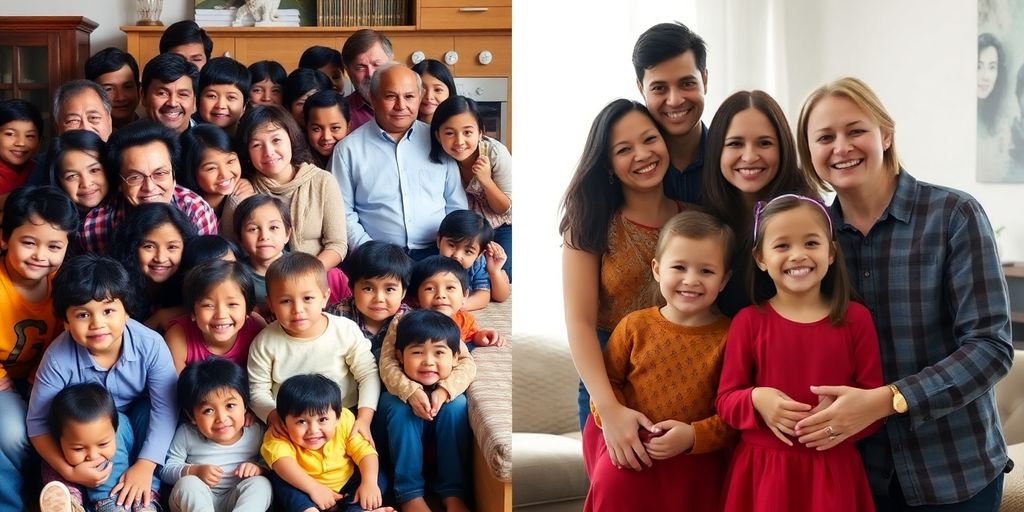
So, you’ve probably seen those shows about plural marriages on TV, right? They make it look like one big, happy family, or sometimes, a total mess. But what’s the real story behind polygyny and polygamy when you look beyond the cameras? This piece is going to dig into how reality TV shows us these relationships versus what they’re actually like in everyday life. We’ll talk about the differences, the legal stuff, and how people really live when they choose these kinds of family setups. It’s more than just what you see on screen, trust me.
Key Takeaways
- Polygamy and polygyny are different, but TV often mixes them up or just focuses on one type.
- Reality TV often makes plural marriages seem more exciting or dramatic than they actually are, which can change how people think about them.
- Laws about polygamy in the U.S. are pretty complicated, and there’s a lot of talk about whether they should change.
- Women in polygamous families can have very different experiences, from feeling empowered to facing a lot of judgment.
- Religion plays a big part in why some people choose plural marriages, and this often gets shown on TV.
Defining Polygyny and Polygamy in Modern Contexts
Distinguishing Plural Marriage Forms
Understanding the nuances between different forms of plural marriage is key. Polygamy is the umbrella term for having multiple spouses. However, it’s often used incorrectly in media. Polygyny, specifically, refers to a man having multiple wives, while polyandry is a woman having multiple husbands. Polyandry is far less common globally. It’s important to use the correct terminology to avoid misrepresenting these family structures. For example, polygyny in the Middle East has a long history.
Historical Roots of Polygamous Practices
Polygamy, particularly polygyny, has deep roots in various cultures and religions across the globe. Historically, it has been practiced in parts of Africa, Asia, and even within certain interpretations of religious texts. These practices often stemmed from economic, social, or religious factors. For instance, in some societies, polygyny was linked to agricultural productivity or the need for male heirs.
Here are some examples:
- Biblical patriarchs practiced polygamy.
- Classical Chinese and ancient Roman societies embraced polygamy.
- It was encountered sporadically among Native Americans and in the West African continent, Polynesia, India, and ancient Greece.
“Swing towns is my go to dating app. I just joined but truly am in love with swingtowns” -Th3gi4nt
Contemporary Interpretations of Family Structures
Today, the concept of family is evolving, and traditional definitions are being challenged. While monogamy remains the most widely accepted form of marriage in many Western societies, plural marriage exists in various forms and contexts. Some individuals and groups are advocating for the recognition and acceptance of these alternative family structures, arguing for individual autonomy and freedom of choice. The [polygyny and polygamy differences explained] are important to understand in this context. The debate often revolves around issues of gender equality, religious freedom, and the well-being of all family members.
Here are some points to consider:
- Legal challenges to anti-polygamy laws are increasing.
- Public opinion on plural marriage is shifting.
- Diverse faith-based plural marriages exist.
Reality Television’s Portrayal of Plural Marriages
Reality television has undeniably played a role in shaping public perception of polygamy. While not always accurate, these shows offer a glimpse into a world that remains largely unfamiliar to many. The impact of this exposure, whether positive or negative, is a subject of ongoing debate.
The Normalization of Polygamous Units
One of the most significant effects of reality TV is the potential normalization of polygamous units. Shows like “Sister Wives” present viewers with families that, despite their unconventional structure, often appear functional and even happy. This can challenge pre-existing notions about the inherent dysfunction of plural marriages. These shows often depict women with careers and political ambitions, redefining their roles within their religion and family. It’s important to remember that these are carefully curated portrayals, and the full reality is likely far more complex. The Sister Wives Season 19 finale offered some interesting perspectives.
Sensationalism Versus Authentic Representation
Reality TV thrives on drama, and shows featuring polygamous families are no exception. The producers often focus on conflict, jealousy, and other sensational aspects of plural marriage to maintain viewer interest. This can lead to a distorted view of the lifestyle, emphasizing the negative while downplaying the positive. It’s a balancing act between entertainment and authentic representation, and many argue that the former often wins out. The question becomes: are these shows truly educating the public, or simply exploiting a unique family dynamic for ratings?
Viewer Perceptions and Social Impact
The way viewers perceive polygamy is undoubtedly influenced by its portrayal in the media. While some may develop a more tolerant or understanding view, others may reinforce existing prejudices. The social impact of these shows is difficult to measure, but it’s clear that they contribute to the ongoing conversation about marriage, family, and religious freedom. It’s worth considering how these portrayals affect public opinion and whether they promote acceptance or further stigmatization. The impact of [polygamy in reality television] is significant.
The Legal Landscape of Polygamy in the United States
Constitutional Challenges to Anti-Polygamy Laws
Anti-polygamy laws in the United States have faced constitutional challenges, primarily centered around the First Amendment’s guarantee of religious freedom. The landmark case of Reynolds v. United States (1879) set a precedent by distinguishing between religious belief and religiously motivated actions, upholding the ban on polygamy despite Mormon claims that it was a religious duty. This ruling established that while the government cannot regulate religious belief, it can regulate practices deemed harmful to society. Subsequent legal arguments have questioned whether this distinction holds up under modern interpretations of religious freedom, particularly concerning the right to privacy and association. Some legal scholars argue that the state’s interest in regulating marriage should not extend to consensual adult relationships, regardless of their structure.
State-Level Regulations and Enforcement
State laws regarding polygamy vary, but all states prohibit it. Penalties range from fines to imprisonment, with some states also including provisions for the loss of parental rights or other civil penalties. Enforcement of these laws also varies. Some states actively prosecute polygamous relationships, often focusing on cases involving fraud, abuse, or underage marriage. Other states take a more hands-off approach, prioritizing the investigation of related crimes rather than the polygamous relationship itself. For example, Utah has historically shifted between strict enforcement and a more tolerant stance, sometimes focusing on related crimes like welfare fraud or child abuse rather than the plural marriage itself.
The Debate Over Decriminalization
The debate over decriminalizing polygamy centers on arguments about individual liberty, religious freedom, and the potential for government overreach. Proponents of decriminalization argue that consenting adults should have the right to choose their relationship structures without government interference. They also point out that criminalizing polygamy can drive these communities underground, making it harder to address issues like abuse or exploitation. Opponents of decriminalization raise concerns about the potential for exploitation, particularly of women and children, and the impact on traditional family structures. They also argue that legalizing polygamy could create complex legal and social problems related to inheritance, child custody, and access to social services.
“Great community in here!!! Lots of beautiful people. Swingtowns has helped connect with so many new friends, love it!!!!” -2x2more
Here are some key points in the debate:
- Individual autonomy vs. societal norms
- Potential for exploitation and abuse
- Impact on children and families
Gender Dynamics Within Polygamous Households
Power Structures and Female Agency
Gender dynamics in polygamous households are complex, often influenced by cultural norms, religious beliefs, and individual personalities. Power imbalances can exist, with men traditionally holding more authority, but female agency isn’t always absent. Some women find ways to exert influence within the family structure, whether through economic contributions, social networks, or strategic alliances with co-wives. It’s a nuanced landscape where traditional roles intersect with individual aspirations.
Cultural Shame and Societal Judgment
Polygamous relationships often face societal stigma and judgment, which can significantly impact the women involved. Cultural representation of polygyny often portrays it negatively, leading to feelings of shame and isolation. This external pressure can create internal conflicts and affect the women’s self-esteem and sense of belonging. The fear of being ostracized by the wider community can also limit their choices and opportunities. The legal landscape adds another layer of complexity.
Experiences of Co-Wives and Sisterhood
The relationships between co-wives can range from intense rivalry to genuine sisterhood. While competition for the husband’s attention and resources is a common theme, some women develop strong bonds of support and companionship. These relationships can provide emotional resilience and a sense of solidarity in the face of external challenges. However, conflict is also a reality, and the dynamics can be further complicated by factors such as age, social status, and the number of children each wife has.
“Swingtown is so great in am having so much fun and it’s the best site to visit and enjoy. The people are so friendly.” -JS12
Here’s a simplified view of potential co-wife relationship dynamics:
| Relationship Type | Characteristics |
|---|---|
| Cooperative | Mutual support, shared responsibilities, emotional bonding |
| Competitive | Rivalry for resources, attention, and status |
| Neutral | Limited interaction, separate lives within the same household |
Factors influencing these dynamics include:
- Resource availability
- Husband’s treatment of wives
- Cultural norms
- Individual personalities
The Influence of Religion on Polygamous Lifestyles
Religion often plays a significant role in the establishment and maintenance of polygamous lifestyles. It’s a complex relationship, with varying interpretations and practices across different faiths and communities. Let’s unpack some of the key aspects.
Religious Freedom and Marital Practices
Religious freedom is a cornerstone of the debate surrounding polygamy. Many who practice plural marriage do so based on deeply held religious beliefs. They argue that the right to practice their faith freely includes the right to marry according to its tenets, even if those tenets differ from mainstream societal norms. This raises complex legal and ethical questions about the extent to which religious practices should be protected, especially when they conflict with established laws.
Mormon Fundamentalism and Media Depictions
When people think of polygamy, Mormon fundamentalism often comes to mind, largely due to its prominent portrayal in the media. Shows like “Sister Wives” have brought the lifestyle into the mainstream, but often with a focus on sensationalism. It’s important to remember that these depictions don’t represent all polygamous relationships, and can sometimes perpetuate harmful stereotypes. The impact of media on perceptions of polygamy is undeniable, shaping public opinion and influencing policy debates.
Diverse Faith-Based Plural Marriages
Polygamy isn’t exclusive to Mormon fundamentalism. It exists in various forms within other religious traditions around the world. These practices are often rooted in specific cultural and historical contexts, with unique interpretations of religious texts and traditions. Understanding this diversity is crucial for a nuanced discussion about polygamy. The ethical implications of polygamy media portrayal are significant, especially when considering the wide range of cultural and religious contexts in which it exists.
“We are very excited to have joined Swing Towns. We have already chatted and met some fun people. We look forward to meeting many more friends and having a great time making new connections.” –
IzzyBlossomKatee
Here’s a quick look at some of the different religious views on polygamy:
- Some Islamic traditions permit polygyny under specific conditions.
- Certain African traditional religions incorporate polygamous practices.
- Various independent religious groups have adopted plural marriage as part of their belief system.
Societal Acceptance and Shifting Norms

Public Opinion on Plural Marriage
Public opinion regarding plural marriage is a mixed bag, and it’s constantly evolving. There’s a noticeable generational divide, with younger people generally showing more openness to diverse relationship structures. However, deeply ingrained cultural and religious beliefs still heavily influence many people’s views. Acceptance often hinges on understanding the nuances of consent, equality, and the well-being of all individuals involved. It’s not just about legality; it’s about whether society actually accepts these relationships as valid and ethical.
The Role of Media in Shaping Attitudes
The media plays a huge role in shaping how we see plural marriage. Reality TV shows, while offering some visibility, often sensationalize the topic, focusing on drama and conflict rather than the everyday realities of these families. This can lead to skewed perceptions and reinforce negative stereotypes. However, more nuanced and thoughtful portrayals in documentaries and fictional narratives can help to humanize plural relationships and promote understanding. It’s a double-edged sword, and the media needs to be more responsible in how it presents these stories. The media’s influence on public opinion is undeniable.
Moving Beyond Traditional Monogamy
Moving beyond traditional monogamy isn’t about forcing everyone into alternative relationship styles. It’s about acknowledging that there’s no one-size-fits-all model for love and commitment. It involves:
- Challenging the assumption that monogamy is the only valid or successful relationship structure.
- Creating space for open and honest conversations about different relationship preferences.
- Promoting education and awareness to combat misinformation and prejudice.
“I recommend swingtowns because it’s the first site that even as a free profile you can still connect with ppl. I have since upgraded to lifetime but me and my wife have met some really fun cpls since we started on this site so we fully recommend swingtowns.” -TheRowan
It’s a slow process, but as more people come out and share their experiences, and as media representations become more accurate and sensitive, we can hope to see greater acceptance and understanding of diverse relationship styles.
Challenges and Complexities of Plural Marriage
Navigating Legal and Social Stigmas
Plural marriage, while gaining some visibility, still faces significant legal hurdles and social disapproval. The legal landscape is complex, with anti-polygamy laws remaining in place in many regions, leading to potential criminal charges and loss of rights. This creates a constant tension for those in plural relationships, who must often live discreetly to avoid legal repercussions and societal judgment. The stigma extends beyond legal issues, impacting employment opportunities, housing, and even relationships with extended family and friends.
Financial and Emotional Considerations
Managing finances in a plural marriage can be incredibly complex. Sharing resources, ensuring fair distribution of income, and planning for the future require careful consideration and open communication. Emotional challenges are also significant. Jealousy, feelings of inadequacy, and the need for constant reassurance can strain relationships within the household.
- Financial planning requires transparency.
- Emotional support systems are essential.
- Clear communication protocols must be established.
“Swing Towns knows what’s up! Finally a platform where like minded people can connect.” -Cboy6983
Ensuring Fair Treatment Within Families
One of the biggest challenges in plural marriage is ensuring fair treatment for all members of the family. This includes not only the spouses but also the children. Preventing favoritism, addressing conflicts fairly, and providing equal opportunities for everyone requires a high degree of self-awareness and commitment from all involved. It’s about creating a space where everyone feels valued, heard, and respected, which is a constant work in progress in modern families and relationship structures.
| Aspect | Challenge |
|---|---|
| Resource Allocation | Ensuring equitable distribution of resources |
| Emotional Needs | Addressing individual emotional requirements |
| Conflict Resolution | Managing disputes fairly and effectively |
Conclusion
So, what’s the real takeaway here? It’s pretty clear that what we see on TV, especially reality shows, isn’t always the full picture when it comes to polygamy. These shows often focus on drama and maybe a few happy moments, but they don’t always show the everyday stuff or the real challenges people face. Real life is way more complicated than a TV script. People in these families deal with a lot, from legal issues to just figuring out how to make things work day-to-day. It’s easy to judge from the outside, but maybe we should try to understand more before we decide what’s “normal” or “right.” The world is changing, and how we think about relationships should probably change too.
Frequently Asked Questions
What’s the difference between polygyny and polygamy?
Polygamy is a general term for having more than one spouse. Polygyny is when a man has multiple wives, while polyandry is when a woman has multiple husbands. Most of the time, when people talk about plural marriage, they’re actually referring to polygyny.
How do TV shows portray plural marriages?
Many reality TV shows, like “Sister Wives,” show families with multiple spouses. These shows often try to make these families seem normal and happy, even if they sometimes focus on dramatic moments to keep viewers interested. This can change how people think about plural marriage.
Is polygamy legal in the United States?
In the U.S., having multiple legal spouses is against the law. However, there’s a lot of talk about whether these laws go against people’s rights to religious freedom or fairness. Some people believe that if adults agree to it, they should be allowed to live in plural marriages without being punished.
What are the roles of men and women in polygamous families?
In many polygynous families, the husband holds a lot of power. However, some shows and real-life stories show wives who are strong and make their own choices, even having careers and political goals. Co-wives sometimes form close bonds, like sisters, which can be a source of support.
How does religion influence plural marriage?
Religion often plays a big part in why people choose a polygamous lifestyle. Groups like Mormon fundamentalists practice plural marriage because of their faith. People argue about whether the government should protect this as a religious freedom, even if it’s against the law.
Are people becoming more accepting of plural marriage?
Public opinion on plural marriage is slowly changing. Shows and discussions in the media are helping some people see these relationships in a new light, moving away from the idea that everyone must be in a one-on-one marriage. However, there’s still a lot of social judgment and challenges for these families.
Reality Rendezvous – Where Real Connections Outshine the Screen
Tired of the way TV dramatizes love and longing? Step into a space where real people explore real relationships—far beyond the scripts and stereotypes. Join a vibrant community that celebrates authenticity, diversity, and connection in all its forms. Sign up for a free SwingTowns account today and start building your own story—unscripted and unforgettable.
“The best LS site for sure! Real people, easy to navigate, love it!” -Tlove799