Pride & Polyamory: Making Space in the LGBTQ+ Movement
The LGBTQ+ movement has come a long way, but there’s still work to do. We often talk about different sexual orientations and gender identities, which is great. But what about relationship styles? Polyamory, or having multiple loving relationships with everyone’s consent, is a big part of many people’s lives, including those in the LGBTQ+ community. This article looks at how polyamorous folks fit into the queer world, the challenges they face, and why it’s important to make space for them, especially when we’re Celebrating Pride: Visibility for Polyamorous People in LGBTQ+ Movements.
Key Takeaways
- Polyamory is about having more than one loving relationship, and it’s different from other kinds of open relationships.
- Historically, polyamorous people have been left out of LGBTQ+ conversations, even though relationship diversity was once more common in queer spaces.
- It’s important for Pride events and LGBTQ+ groups to include polyamorous people and their experiences.
- Polyamorous LGBTQ+ individuals deal with unique problems, like social judgment and legal issues for their families.
- Monogamous LGBTQ+ people can help by learning about polyamory and supporting their polyamorous friends and community members.
Defining Polyamory Within the LGBTQ+ Spectrum
Understanding Consensual Non-Monogamy
Consensual non-monogamy (CNM) is a broad term. It covers any relationship style where all involved parties agree to have more than one romantic or sexual partner. It’s important to understand that consent is key here. It’s not cheating if everyone knows and agrees to the arrangement. There are many forms of CNM, and polyamory is just one of them. Other forms include swinging, open relationships, and relationship anarchy. Each of these has its own rules and expectations, but they all share the common thread of multiple, acknowledged relationships.
Distinguishing Polyamory from Other Relationship Structures
Polyamory, unlike other forms of CNM, emphasizes emotional connection and love with multiple partners. It’s about having multiple loving, intimate relationships, not just casual sex. This is a key difference. While swinging might focus on recreational sex with others, and an open relationship might allow for sexual encounters outside the primary relationship, polyamory centers on building deep, meaningful bonds with several people. It’s also different from cheating, which is a violation of trust and agreed-upon boundaries within a monogamous relationship. Polyamory requires honesty, communication, and a willingness to work through complex emotions.
The Intersections of Identity and Orientation
Polyamory isn’t a sexual orientation. It’s a relationship structure. However, it often intersects with LGBTQ+ identities. Many people within the polyamory in LGBTQ+ community find that their understanding of gender and sexuality influences how they approach relationships. For example, someone who identifies as bisexual might find polyamory a natural fit, as it allows them to explore relationships with people of different genders. Similarly, non-binary individuals might find that polyamory allows them to express their identities more fully than traditional monogamy. The fight for polyamory advocacy LGBTQ+ rights is often intertwined with the broader fight for LGBTQ+ equality, as both movements challenge societal norms around love, relationships, and family structures. The concept of non-monogamy within queer spaces is not new, but it’s gaining more visibility and acceptance as people become more open to different ways of loving and connecting.
“Really enjoying Swingtowns a lot! Very easy to use the app and lots of great people too.” -KarandBri1970
Historical Erasure and the Fight for Recognition
Early Queer Spaces and Relationship Diversity
Early queer spaces, often born out of necessity and a desire for community, weren’t always the picture of inclusivity we might imagine today. While they provided refuge and connection for many, the dominant narratives often centered around specific identities and relationship models. This meant that polyamorous individuals and other forms of relationship diversity were frequently pushed to the margins, their experiences overlooked or actively suppressed. It’s easy to forget that the fight for LGBTQ+ rights has always been a multifaceted struggle, with different groups vying for recognition and acceptance within the larger movement. These early spaces, while vital, sometimes mirrored the mononormative assumptions of the broader society, inadvertently excluding those who didn’t fit the mold.
The Impact of Mononormativity on LGBTQ+ Advocacy
Mononormativity, the assumption that monogamy is the only valid or natural relationship structure, has had a significant impact on LGBTQ+ advocacy. It’s shaped legal strategies, influenced public perception, and even affected internal dynamics within the community. For example, the fight for marriage equality, while a monumental achievement, inadvertently reinforced the idea that marriage is the ultimate goal for all relationships, potentially marginalizing those who choose alternative paths. This isn’t to say that marriage equality was a mistake, but rather to highlight how mononormative thinking can limit our understanding of diverse relationship needs and desires. The focus on marriage equality may have overshadowed other important issues, such as legal protections for polyamorous families or recognition of different forms of partnership. It’s a complex issue with no easy answers, but it’s important to acknowledge the ways in which mononormativity has shaped the LGBTQ+ landscape.
Challenging the Narrative of Exclusivity
Challenging the narrative of exclusivity within the LGBTQ+ movement requires a conscious effort to broaden our understanding of relationships and identities. It means actively creating space for polyamorous voices, listening to their experiences, and advocating for their rights. It also means recognizing that the fight for LGBTQ+ equality is not a monolithic endeavor, but rather a collection of interconnected struggles. We need to move beyond the idea that there is one “right” way to be queer and embrace the diversity of experiences within our community. This involves:
- Actively seeking out and amplifying polyamorous voices in LGBTQ+ spaces.
- Challenging mononormative assumptions in our language and actions.
- Supporting policies that protect diverse family structures.
“I’ve been looking for a fun community who share the same interests as I do, and most have failed to meet my expectations. But SwingTowns by far has had the most fun engagements with REAL people, much more than anywhere else I’ve found. Most people on here have been fun, sexy, engaging, and willing to help a young buck learn the ropes of this lifestyle.” -Johncarpenter
Building Bridges: Polyamorous Voices in Pride
Advocating for Inclusive Pride Parades and Events
Getting polyamorous folks a seat at the table during Pride isn’t just about being nice; it’s about reflecting the real diversity within the LGBTQ+ community. We need to actively push for Pride celebration polyamorous inclusion in parades and events. This means more than just allowing polyamorous groups to participate; it means ensuring they’re represented in leadership roles, workshops, and speaker lineups. It’s about making sure the message is clear: Pride is for everyone, regardless of relationship structure.
Creating Safe Spaces for Polyamorous Individuals
Safe spaces are super important, especially at big events like Pride. It’s not always easy being out, and sometimes, even within the LGBTQ+ community, polyamorous people face judgment or misunderstanding. These spaces can be physical areas at events or online groups where people can connect, share experiences, and find support. It’s about building a community where people feel seen, heard, and accepted for who they are. We need to make sure these spaces are well-publicized and accessible to those who need them. It’s also important to have clear guidelines for behavior to ensure everyone feels safe and respected. Pride flags are a great way to show support.
Celebrating Pride: Visibility for Polyamorous People in LGBTQ+ Movements
Visibility is key. When polyamorous people are visible, it helps to normalize different relationship styles and challenge harmful stereotypes. This can involve sharing personal stories, participating in media interviews, and creating educational resources. It’s about showing the world that polyamory is a valid and fulfilling way to love and build relationships. Increased visibility can also lead to greater acceptance and understanding within the broader LGBTQ+ movement.
“The Swingtowns community has been a major source of inspiration for many years now and has become one of the most popular destinations for swing communities” -Thunderdicka
Here are some ways to increase visibility:
- Participate in Pride events
- Share stories online
- Support polyamorous creators
Addressing Unique Challenges Faced by Polyamorous LGBTQ+ Individuals

Navigating Stigma and Discrimination
Polyamorous LGBTQ+ individuals often face a double whammy of stigma. They experience discrimination from both within and outside the LGBTQ+ community. Some people just don’t get it, and that’s putting it mildly. This can lead to feelings of isolation, invalidation, and even internalized oppression. It’s like fighting battles on two fronts, which can be incredibly draining.
Legal and Social Protections for Diverse Families
One of the biggest hurdles is the lack of legal recognition for polyamorous relationships. Current laws are largely designed around monogamous partnerships, leaving polyamorous families without the same rights and protections. This affects everything from healthcare decisions to inheritance to parental rights. Imagine not being able to visit your partner in the hospital or not having any legal claim to your child just because your family structure doesn’t fit the traditional mold. It’s a mess. We need to advocate for relationship recognition.
Mental Health and Well-being in Polyamorous Relationships
Maintaining mental well-being in any relationship requires effort, but polyamorous relationships can present unique challenges. Jealousy, communication issues, and societal stigma can all take a toll. It’s important to have open and honest communication, establish clear boundaries, and seek support when needed. Therapy can be a great resource, but finding a therapist who understands polyamory can be difficult.
- Prioritize self-care.
- Practice mindful communication.
- Seek out affirming support networks.
“Swingtowns is hands down the best community that I have had the pleasure to be a part of. Would recommend this website to anyone in the lifestyle!” -SlikRik1Ace
Here’s a simple table illustrating the disparity in legal protections:
| Aspect | Monogamous Relationships | Polyamorous Relationships |
|---|---|---|
| Marriage Rights | Yes | No |
| Healthcare Proxy | Yes | Often No |
| Inheritance | Clear Legal Framework | Complex, Often Contested |
The Power of Allyship and Education
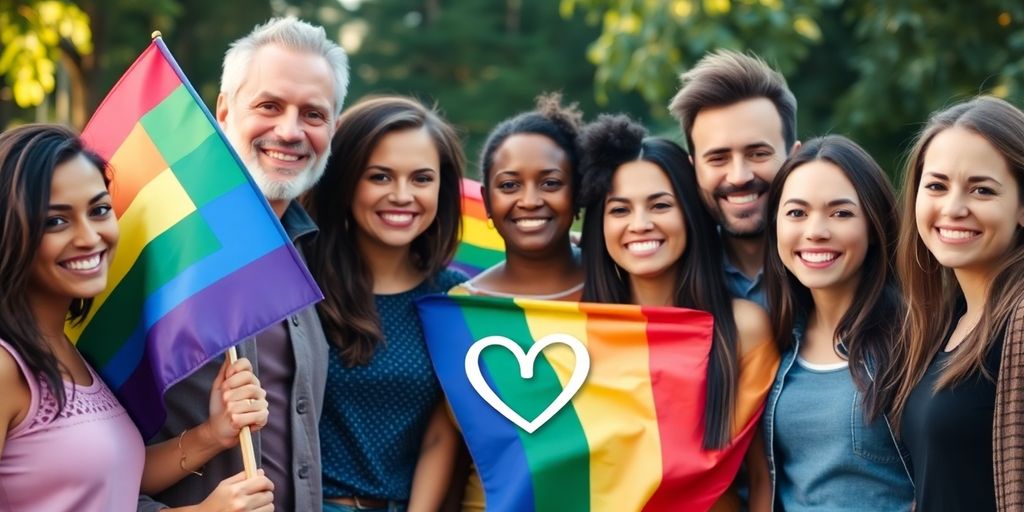
It’s easy to think that if you’re not polyamorous, this whole conversation doesn’t really involve you. But that’s so wrong! Allyship from monogamous folks, especially within the LGBTQ+ community, is super important for creating a more inclusive and accepting world for everyone. It’s about recognizing that different relationship styles are valid and deserving of respect, even if they’re not something you personally choose.
How Monogamous LGBTQ+ Allies Can Support Polyamory
So, how can you actually be a good ally? It’s not rocket science. It’s mostly about listening, learning, and speaking up when you see or hear something that’s not cool. One of the best things you can do is to actively challenge mononormative assumptions.
Here are some ways to show support:
- Educate yourself: Read articles, listen to podcasts, and talk to polyamorous people to understand their experiences. There are resources like Queer Theology that can help you understand diverse perspectives.
- Speak out against discrimination: If you hear someone making a prejudiced comment about polyamorous relationships, challenge them on it.
- Include polyamorous people in LGBTQ+ spaces: Make sure events and organizations are welcoming and inclusive of all relationship styles.
Educating the Wider Community on Relationship Diversity
Education is key to dismantling prejudice and promoting understanding. A lot of the stigma surrounding polyamory comes from a lack of knowledge. People often assume it’s just about sex or that it’s inherently unstable, which isn’t true at all. Education can help dispel these myths and show that polyamory is about love, connection, and ethical non-monogamy.
Fostering Empathy and Understanding
Ultimately, it’s about empathy. Try to put yourself in someone else’s shoes and understand their experiences, even if they’re different from your own. Remember that everyone deserves to be treated with respect and dignity, regardless of their relationship style.
“We’ve only been in the LS for about a year but we have found some really great people using SwingTowns. Wish we would have found the website sooner.” -2Adults89
Future Directions for Inclusivity and Advocacy
Okay, so where do we go from here? We’ve talked a lot about the problems, the history, and the current state of polyamory within the LGBTQ+ movement. Now it’s time to think about the future and how we can make things better. It’s not going to be easy, but it’s definitely possible if we all work together.
Expanding LGBTQ+ Organizations to Include Polyamory
One of the biggest things we need to do is get LGBTQ+ organizations to actually include polyamorous people. I mean, seriously, it’s ridiculous that it’s still an issue. These organizations need to recognize that relationship diversity is part of what it means to be queer. It’s not just about who you’re attracted to, but also how you structure your relationships. We need to push for explicit inclusion in mission statements, programs, and services. Think about it: if an organization is supposed to support all LGBTQ+ people, shouldn’t that include those in diverse families?
Policy Changes for Relationship Recognition
Legal recognition is a huge hurdle. Right now, polyamorous relationships basically don’t exist in the eyes of the law. This means no legal protections for multiple partners, no shared parental rights, and a whole lot of other problems. We need to advocate for policy changes that recognize and protect all types of relationships, not just the traditional ones. This could include things like:
- Domestic partnerships for more than two people
- Changes to inheritance laws
- Reforms to family law to recognize multiple parents
“Great site. Met some great people. Feel secure and private and safe with the site. Definitely recommend!” -Anguslove
Celebrating Pride: Visibility for Polyamorous People in LGBTQ+ Movements
Pride is supposed to be a celebration of all things LGBTQ+, but often polyamorous people are left out. We need to make sure that polyamorous voices are heard and that polyamorous people are visible at Pride events. This means:
- Including polyamorous groups in Pride parades
- Creating workshops and panels on polyamory
- Making sure that Pride events are safe and welcoming for polyamorous people
It’s about showing the world that polyamory is a valid and beautiful way to love and connect with others. Let’s make Pride truly inclusive for everyone.
Conclusion
So, what’s the big takeaway here? It’s pretty simple, really. The LGBTQ+ movement has always been about making room for everyone, right? That’s the whole point. And that means we need to keep that door wide open for polyamorous people too. It’s not about changing what the movement stands for, but about remembering its core idea: acceptance for all. When we do that, when we truly include everyone, the whole community gets stronger. It just makes sense.
Frequently Asked Questions
What exactly is polyamory?
Polyamory means having more than one loving relationship at the same time, with everyone involved knowing about and agreeing to it. It’s different from cheating because everyone is open and honest.
Is polyamory the same as cheating?
Not at all! Polyamory is about having multiple deep, loving connections. Cheating is about breaking trust by secretly seeing someone else when you’re supposed to be exclusive with one person.
How does polyamory fit in with being LGBTQ+?
Polyamory is about how many people you are in a relationship with, while being LGBTQ+ is about who you are attracted to (like being gay, lesbian, bi, or trans). Many LGBTQ+ people are also polyamorous, and both are about loving openly.
Is polyamory just a new fad?
Some people think polyamory is just a new trend, but people have had many partners for a long time. It’s just becoming more talked about now, especially as we learn more about different ways to love.
Are there challenges for polyamorous people in the LGBTQ+ community?
It can be tricky sometimes because society often expects people to only have one partner. Polyamorous people might face misunderstandings or judgment, even from within the LGBTQ+ community.
How can we make the LGBTQ+ community more welcoming to polyamorous people?
We can learn about polyamory, be open-minded, and support polyamorous friends. Including polyamorous people in LGBTQ+ events and conversations helps everyone feel welcome and seen.
Where Queer Joy Meets Boundless Possibility
Celebrate your full self in a space where LGBTQ+ pride and polyamorous love intertwine without limits. Discover a community that thrives on openness, authenticity, and deep connection—where every identity has a home and every story matters. Join the movement that’s redefining what love and community can look like. Sign up for a free SwingTowns account today and step into a world of vibrant connection.
“I am enjoying swingtown and the way it is run. Hope to meet some great people who enjoy healthy sexy fun together. Life is tooo short not to.” -teaser71902