Safer Sex Practices for Polyamorous People: Essential Guidance
So, you’re exploring polyamory. It’s a way some people connect with more than one person, romantically or sexually, with everyone knowing and agreeing. It’s different from cheating, obviously. But when you’re involved with multiple people, thinking about sex safety becomes a bigger deal. This guide is here to break down how to handle safer sex practices for polyamorous people, so you know what you need to know.
Key Takeaways
- Polyamory is about having multiple consensual romantic or sexual relationships at the same time.
- Open and honest communication about desires, boundaries, and safer sex practices is super important.
- Regular STI testing and consistent use of barriers like condoms are vital for everyone involved.
- Understanding and respecting each partner’s boundaries is key to trust and healthy relationships.
- Seeking support from poly-friendly therapists can help navigate the complexities of non-monogamous relationships.
Understanding Polyamory and Sexual Health
Polyamory is a relationship style where individuals can have multiple loving and intimate relationships at the same time, with the full knowledge and consent of everyone involved. It’s not about cheating or being deceitful; it’s about openly sharing affection and connections. This approach to relationships, while rewarding for many, does bring up important conversations about sexual health and how to manage it responsibly when you have more than one partner. Managing sexual health in poly relationships requires proactive communication and a commitment to safety for everyone.
What is Polyamory?
At its core, polyamory is about having multiple committed relationships simultaneously. Unlike open relationships, which might focus more on casual sexual encounters outside a primary partnership, polyamory often involves deep emotional connections and romantic involvement with several people. It’s a way to experience love and intimacy in a broader, more expansive manner. Think of it as having multiple, distinct, loving connections, each with its own unique dynamic and set of agreements. It’s important to distinguish this from polygamy, which is a marriage to multiple spouses, often rooted in religious or cultural traditions. Polyamory is about consensual romantic and sexual relationships, not necessarily legal or religious unions.
Understanding Non-Monogamous Relationships
Non-monogamous relationships are an umbrella term that covers various ways people structure their relationships outside of strict monogamy. Polyamory is one form, but others exist too. Open relationships, for instance, typically involve a primary couple who agree to sexual or romantic connections with others, but the focus often remains on the primary bond. Swinging usually involves couples or individuals engaging in sexual activities with others, often in a social setting, without necessarily forming deep emotional attachments. Each of these structures has its own set of considerations, especially when it comes to polyamory STI prevention. Understanding these differences helps clarify expectations and communication needs within your own relationship setup.
“SwingTowns is awesome place to meet great people. We have met a lot nice people on here and had amazing time with several couples.” -LoveTerri77
Open Communication and Boundaries

When you’re exploring polyamory, talking openly and setting clear boundaries isn’t just a good idea; it’s pretty much the whole ballgame. Think of it like building a house – you need a solid foundation, and that foundation is honest communication. Without it, things can get shaky fast.
The Importance of Communication and Boundaries
Seriously, you can’t overstate how much clear communication matters in non-monogamous setups. It’s about sitting down with everyone involved and hashing out what feels right and what doesn’t. This includes talking about sexual activities, how you’ll handle safer sex practices, and even emotional connections. Regular check-ins help keep everyone on the same page and feeling secure.
- Honesty is Key: Be upfront about your feelings, desires, and any concerns you might have. Don’t assume your partners know what you’re thinking.
- Define Your Boundaries: What are you comfortable with? What are you not? Be specific about sexual acts, types of partners, and how you’ll share information.
- Establish Agreements: These aren’t rigid rules, but rather shared understandings about how you’ll navigate your relationships. They can and should be revisited as needed.
“Swingtowns is fun and interesting for all kinds of cats! There a plenty of friendly folks and no pushy pests. Plenty of flavors for every occasion.” -FreakyFux
Approaching Polyamory with Your Partner
Bringing up the idea of polyamory with an existing partner can feel like a big step. It’s best to pick a calm moment when you both have time to talk without distractions. Start by sharing your own feelings and curiosities, and then give your partner plenty of space to share their thoughts and any worries they might have. It’s not about convincing them, but about exploring the possibility together.
- Choose the Right Time: Avoid bringing it up when stressed, tired, or in the middle of an argument.
- Use “I” Statements: Frame your desires around your own feelings, like “I’ve been feeling curious about…” rather than “You should want this too.”
- Listen Actively: Really hear what your partner is saying, even if it’s not what you hoped to hear. Validate their feelings.
- Be Patient: This is a big conversation, and it might take several talks to work through. Don’t expect immediate agreement.
Prioritizing Safer Sex Practices
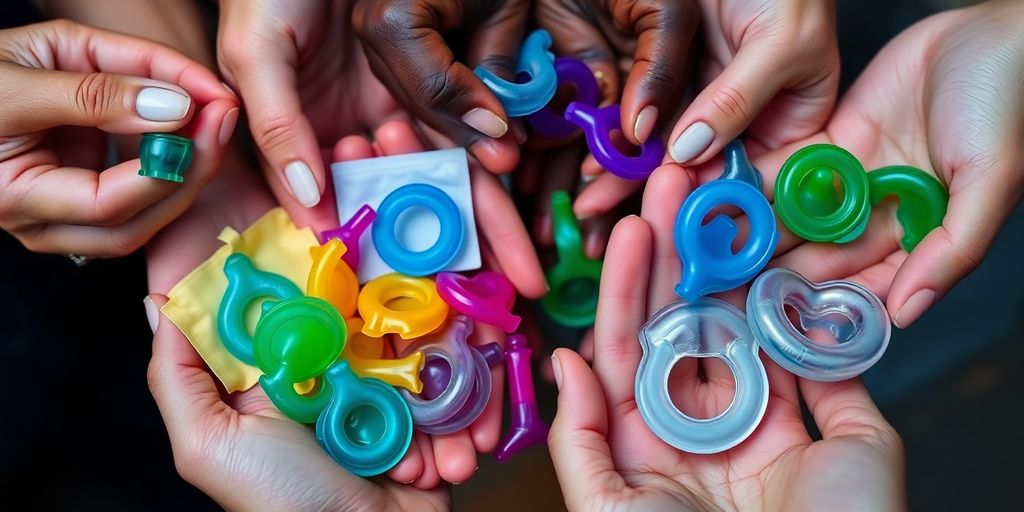
When you’re involved with more than one person, thinking about safer sex gets a bit more complicated, but it’s totally doable. It’s not just about you and one partner anymore; it’s about everyone you’re interacting with. Clear communication about sexual health is the bedrock of responsible polyamory. This means talking openly about recent STI tests, any symptoms you might have, and what protection methods you’re using. Don’t shy away from these talks – they’re super important.
Here’s a breakdown of how to approach consent and safer sex for multiple partners:
- Barrier Methods: Condoms and dental dams are your friends. Make sure you have them on hand and are comfortable using them correctly for any activity that involves fluid exchange. This includes oral sex.
- Regular Testing: Get tested for STIs regularly, even if you don’t think you’ve been exposed. Talk to your doctor about what tests are best for you based on your activities. Knowing your status is key to protecting yourself and others.
- Disclosure: Be honest with all your partners about your sexual activity and your testing status. This isn’t about judgment; it’s about mutual respect and care.
- Hygiene: Good personal hygiene is also a part of this. Washing up before and after sex can help reduce the spread of some infections.
“My husband and I joined Swingtowns a couple of years ago. We are new to this lifestyle and were a little apprehensive in getting involved in something like this, but we wanted to spice up our sex life and bite the bullet. We have met some wonderful respectful people and have become friends with everyone we met.” -Needtocome
Sometimes, talking about these things can be tough, especially if you’re new to polyamory or if past experiences have been difficult. That’s where poly-friendly therapy can really help. A therapist who understands non-monogamy can provide a safe space to work through anxieties, set boundaries, and develop communication strategies that work for your specific relationship structure. They can help you and your partners talk about sensitive topics like STI testing and condom use without shame or judgment.
Navigating Risk and Responsibility
When you’re involved with more than one person, thinking about risk and responsibility becomes a bigger deal. It’s not just about your own health, but the health of everyone you interact with. This means being upfront about things, like your STI status, when you last got tested, and how many partners you’re seeing. It’s about laying all your cards on the table so everyone can make smart choices.
Personal Responsibility in Sexual Encounters
Think of it like this: if you decide to go skydiving, you understand the risks involved. In polyamory, it’s similar. You have a responsibility to be honest about your situation and your health. This way, everyone involved can give informed consent. If someone has multiple partners and doesn’t get tested often, they need to share that information. It allows others to decide what level of risk they’re comfortable with. Honesty is the foundation for safe, consensual encounters.
Informed Decision-Making for Sexual Partners
Making informed decisions means having open conversations. Before getting intimate, talk about potential risks. This includes discussing STI status, testing frequency, and the number of other partners. It’s about making sure everyone feels heard and respected. If you’re unsure about how to approach these talks, consider seeking guidance from a polyamory coach or therapist. They can help you develop communication skills for renegotiating sexual health boundaries in polyamory.
Here are some points to consider:
- Be clear about your own sexual health and practices.
- Ask your partners about theirs.
- Discuss testing schedules and results openly.
- Understand that consent means agreeing to known risks.
Swingtowns is incredible, I have met many awesome couples and single females on here. I recommend this site to anyone in the lifestyle! -MrMsBullDurham
Maintaining Healthy Polyamorous Relationships

Keeping polyamorous relationships healthy and strong takes work, just like any connection. It really comes down to being upfront and honest with everyone involved. Consistent, open communication is the bedrock of trust and mutual respect. This means talking about your feelings, your needs, and your boundaries regularly, not just when there’s a problem. It’s also about actively listening to your partners and validating their experiences, even if they differ from your own.
Here are some pointers for keeping things on track:
- Regular Check-ins: Schedule dedicated time to talk about how everyone is feeling about the relationships. This isn’t just about sex, but also about emotional connections and any new developments.
- Boundary Reinforcement: Boundaries aren’t set in stone forever. As relationships evolve, so might the agreements you have. It’s important to revisit and adjust these boundaries as needed, always with everyone’s consent.
- Managing Expectations: Be realistic about the time and emotional energy required to maintain multiple relationships. It’s okay to acknowledge when you’re feeling stretched thin and to communicate that need for space or support.
- Conflict Resolution: Disagreements will happen. The key is to approach them constructively, focusing on finding solutions that work for everyone rather than assigning blame. Learning effective conflict resolution skills is a big plus.
“Wow!! This site is absolutely amazing. Me and my lady have met some fun sexy people on here and got some great feedback from other couples about our profile.” -JessnOsc77
Clarifying Misconceptions
People often get polyamory mixed up with other relationship styles, which can cause confusion. Polyamory is about having multiple romantic and intimate relationships simultaneously, with the knowledge and consent of everyone involved. This is different from polygamy, which is typically about marriage to multiple spouses, often within specific cultural or religious frameworks. It’s also distinct from an open relationship, where partners might have casual sexual encounters outside the primary relationship but don’t typically form additional romantic attachments. Understanding these differences helps clear up a lot of common misunderstandings about what polyamory actually is. It’s about ethical, consensual non-monogamy, not just casual dating. Learning more about ethical non-monogamy can be really helpful.
Tips for Maintaining Healthy Polyamorous Relationships
Keeping multiple relationships healthy requires a conscious effort and a commitment to open communication. Here are some practical tips:
- Prioritize Quality Time: Make sure each relationship gets dedicated, focused attention. This doesn’t always mean equal amounts of time, but rather intentional time where partners feel seen and heard.
- Practice Active Listening: When your partners talk, really listen to understand their perspective. Avoid interrupting or formulating your response while they are still speaking. This shows respect and helps build deeper connections.
- Be Honest About Feelings: Share your emotions, including any insecurities or jealousies that might arise. Suppressing these feelings can be damaging. Talking about them openly, in a constructive way, allows for processing and support.
- Respect Agreements: Stick to the boundaries and agreements you’ve made with your partners. If circumstances change and you need to renegotiate, do so openly and with everyone’s consent. Trust is built on reliability.
- Self-Care is Key: Maintaining multiple relationships can be demanding. Make sure you are also taking care of your own well-being. This includes getting enough rest, managing stress, and pursuing your own interests. You can’t pour from an empty cup, as they say. Exploring poly-friendly therapy can also provide support.
Wrapping It Up
So, we’ve talked about a lot of things when it comes to safer sex in polyamory. It really comes down to talking openly with everyone involved, setting clear limits, and keeping up with testing. It might seem like a lot at first, but honestly, it’s about being responsible and looking out for each other. When everyone’s on the same page and respects the boundaries, you can totally have healthy, happy relationships with more than one person. It’s all about good communication and taking care of your health, no matter how you choose to love.
Frequently Asked Questions
What exactly is polyamory?
Polyamory means having more than one romantic or sexual relationship at the same time, with everyone involved knowing and agreeing to it. It’s about being open to love and connection with multiple people.
How do I talk about safer sex with multiple partners?
It’s super important to talk openly with all your partners about safer sex. This includes discussing when you last got tested for STIs, what protection you plan to use, and any risks you’re aware of. Being honest helps everyone make smart choices about their health.
What does ‘personal responsibility’ mean in polyamory and sex?
Think of it like this: if you agree to try an adventurous activity like skydiving, you understand the risks involved. In polyamory, it’s similar. If you choose to have sex with someone who has multiple partners or doesn’t get tested often, you’re accepting those risks. It’s about being informed and responsible for your own choices.
Is polyamory the same as polygamy or an open relationship?
Yes, polyamory is different from polygamy, which is about being married to multiple people, usually for religious or cultural reasons. It’s also not the same as an open relationship, where partners might have sex with others but don’t usually form deep romantic connections outside the main relationship.
Why are communication and boundaries so important in polyamory?
Setting clear rules and boundaries is key! Talk about what you’re comfortable with regarding sex, who you can date, and how you’ll handle safer sex practices. Checking in regularly with your partners helps make sure everyone feels safe and respected.
Can therapy help with polyamorous relationships?
A poly-friendly therapist can be a great help. They offer a safe, non-judgmental space to talk about your feelings, figure out any problems, and learn how to manage multiple relationships healthily and safely.
The Adventure Lounge – Where Safety Meets Sexy and Exploration Never Ends
Empowered intimacy starts with knowledge and a supportive community.
Connect with others who value open communication, consent, and safer sex in every connection. Whether you’re exploring polyamory or deepening your journey, you’re invited to a space where care and pleasure go hand in hand. Sign up for a free SwingTowns account today and take the first step into a sex-positive world built on trust and adventure.
“This site has been super fun. Would highly recommend for all players :)” -coltpl4y