Safest Polyamory-Friendly Cities in Europe: A 2026 Guide
Planning a trip where you can be yourself and explore new connections is exciting. If you’re looking for places in Europe that are known for being open and accepting, especially for those in polyamorous relationships, you’re in luck. We’ve put together a guide for 2026 to highlight some of the safest and most welcoming cities. This isn’t just about finding a place to stay; it’s about finding a community and a vibe that matches your lifestyle. Let’s explore The Safest Cities in Europe for Open and Polyamorous Relationships.
Key Takeaways
- Prioritize clear communication about expectations and boundaries, especially when language barriers might exist. Using translation apps can be helpful.
- Always let someone know your travel plans and where you’re going. Sharing your location or a friend’s contact details can be a good safety measure.
- Research local laws and customs regarding LGBTQ+ rights and public displays of affection before you go. Some places are more conservative than others.
- When using dating apps, be cautious. Verify profiles when possible and meet in public places for initial encounters. Some apps have features to help with location sharing or reporting.
- Be open to different experiences and connections, but always trust your gut. If a situation feels off, it’s okay to leave. Focus on making genuine connections and having fun.
Navigating Europe’s Polyamory-Friendly Cities Safely
Planning a trip to explore some of the most welcoming European cities for non-monogamous relationships can be exciting. Whether you’re a couple looking for new experiences, a polycule seeking adventure, or a solo traveler interested in open-minded communities, safety and respect are always top priorities. This guide focuses on making your journey through these vibrant destinations as smooth and enjoyable as possible, covering key aspects of consent, personal security, and cultural awareness.
Understanding Consent and Communication
When you’re meeting new people, especially in a travel context, clear communication is your best friend. Enthusiastic and ongoing consent is non-negotiable. Don’t be shy about discussing expectations and intentions upfront, even if there’s a language barrier. Using a translation app can be super helpful to make sure everyone is on the same page. Remember, you don’t owe anyone anything, and it’s always okay to unmatch or leave a situation if you feel uncomfortable.
Here are a few communication tips:
- Be direct about your desires and boundaries.
- Listen actively to your date’s needs and limits.
- Check in regularly, especially if activities change or escalate.
- If you’re unsure about something, ask for clarification.
“Swingtowns is fun and interesting for all kinds of cats! There a plenty of friendly folks and no pushy pests. Plenty of flavors for every occasion.” -FreakyFux
Prioritizing Personal Safety While Traveling
Traveling to new places, including those known as open relationship friendly European destinations, means being aware of your surroundings. When meeting someone new, especially from a dating app, it’s wise to take some precautions. Think about meeting in public places for the first few dates, perhaps during daylight hours. Letting a friend or family member back home know your general plans and who you’re meeting can provide an extra layer of security. If you’re staying in a hotel, a simple note left with the concierge about your plans can also be a good idea.
Consider these safety measures:
- Share your location with a trusted contact.
- Keep your phone charged and have emergency numbers handy.
- Trust your gut feeling; if something feels off, it probably is.
- Carry enough money for your own transport and expenses.
Respecting Local Customs and Laws
Each of the European cities accepting non-monogamy has its own unique cultural landscape. While these places are generally welcoming, it’s always respectful to be aware of local customs, especially concerning public displays of affection and social norms. Researching the specific laws and social attitudes towards LGBTQ+ individuals and alternative relationship styles in your destination is a smart move. This awareness helps you avoid misunderstandings and ensures you’re being a considerate visitor. Being informed about these aspects is key for polyamorous travel Europe safety and for ensuring inclusive travel for polyamorous couples Europe.
Berlin: A Hub for Open Relationships and Queer Culture
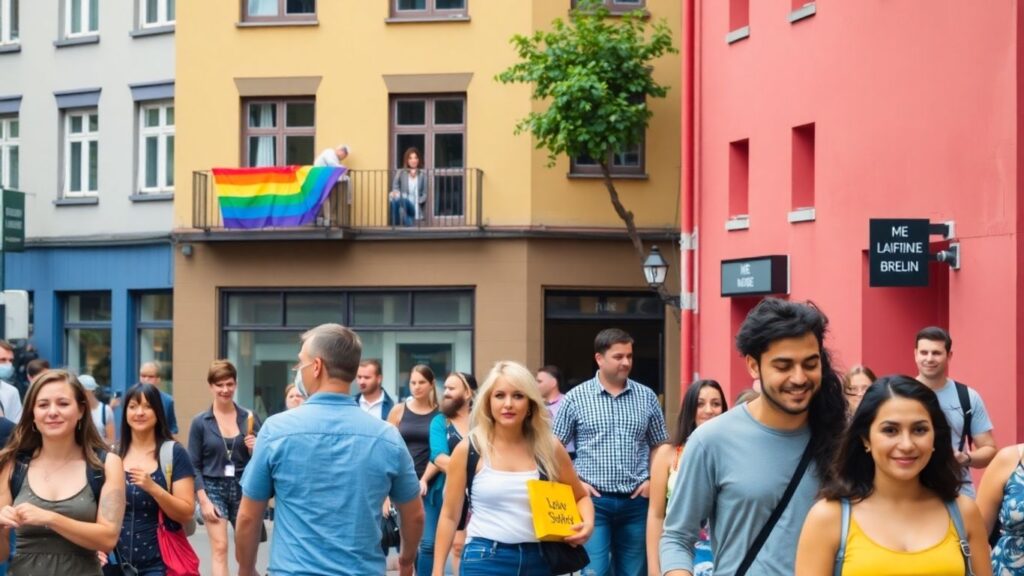
Berlin has long been a magnet for those seeking a more open and accepting approach to relationships and identity. It’s a city that wears its alternative heart on its sleeve, offering a vibrant and diverse scene for the LGBTQ+ community and polyamorous individuals alike. From its historical roots in queer liberation to its modern-day embrace of kink and diverse relationship structures, Berlin truly stands out.
Exploring Berlin’s Diverse Queer Scene
Berlin’s queer landscape is vast and multifaceted. While Schöneberg remains the historic heart, known for its early LGBTQ+ organizations and numerous venues, areas like Kreuzberg, Neukölln, and Friedrichshain have become dynamic centers for alternative queer culture. These neighborhoods buzz with a mix of established gay bars, underground clubs, community spaces, and art galleries. You’ll find everything from cozy, local hangouts to large-scale parties catering to a wide spectrum of identities and interests. It’s a place where you can explore different facets of queer life, whether you’re looking for a quiet coffee or a wild night out.
Key Polyamory and Kink Events in Berlin
Berlin is famous for its energetic nightlife and its open embrace of kink and polyamory. Throughout the year, the city hosts numerous events that cater specifically to these communities. Keep an eye out for regular parties like Buttons, a vibrant rave that welcomes everyone under the queer umbrella, and KitKatClub, known for its hedonistic atmosphere and strict dress code that encourages creative expression. For those interested in more specific events, there are often gatherings focused on polyamory, kink, and fetish. A unique opportunity coming up is a Tantra retreat designed for gay, bi, queer, and male-identifying individuals, happening in February 2026. This highlights the city’s commitment to providing spaces for connection and exploration beyond traditional relationship models.
Safe Spaces and Nightlife for the LGBTQ+ Community
When it comes to nightlife, Berlin offers a plethora of options designed with safety and inclusivity in mind. Many venues actively encourage a culture of respect and consent, with some even implementing measures like covering phone cameras to protect privacy. Beyond the clubs, Berlin boasts numerous community centers and queer-run businesses that serve as vital safe spaces. These include bookstores, cafes, and event venues where you can connect with like-minded people. Exploring neighborhoods like Schöneberg, with its historic gay bars, or Kreuzberg, with its alternative vibe, provides a good starting point. Remember to check event listings for specific nights, as many clubs have themed evenings, including women-only or kink-focused events, ensuring a more tailored experience for attendees.
“My husband and I joined Swingtowns a couple of years ago. We are new to this lifestyle and were a little apprehensive in getting involved in something like this, but we wanted to spice up our sex life and bite the bullet. We have met some wonderful respectful people and have become friends with everyone we met.” -Needtocome
Athens: Ancient History Meets Modern Inclusivity
Athens might be famous for its ancient ruins, but it’s also got a surprisingly vibrant and welcoming scene for queer folks and those in open relationships. It’s a city where history and modern inclusivity really blend together.
Athens’ Blended Queer and Alternative Neighborhoods
The LGBTQ+ scene here isn’t all in one place, which is kind of cool. You’ve got spots that locals love, and then places that attract a lot of newcomers. Gazi is a big one, especially after dark, with bars and clubs. But don’t sleep on areas like Psirri and Exarchia. These neighborhoods have a more alternative vibe, with art spaces, cafes, and shops that are really welcoming. You’ll find places like Pharoah, a cool restaurant and bar that draws a mixed crowd, or Hyper Hypo, a magazine shop stocking queer zines. For a place to stay, Mona in Psirri is an apartment hotel filled with art, and it’s super friendly.
Nightlife and Performance Venues in Athens
When the sun goes down, Gazi really comes alive. BEqueer is known for its drag shows, and the classic gay club there stays open super late on weekends. Beyond Gazi, keep an eye out for events, especially around Pride in June, which is more about celebrating local talent. Down near the Acropolis, in Koukaki, the Koukles Club is a well-known spot, run by a trans owner, that hosts some of the city’s few drag performances. It’s a great place to catch something a bit different.
Unique Attractions for Open-Minded Travelers
Of course, you have to see the Acropolis and the Ancient Agora. But Athens offers more than just its historical sites. Consider checking out the Athens Riviera, an area that used to be a getaway for stars and is now seeing a resurgence with cool hotels like the Ace Hotel & Swim Club Athens. It’s got pools, cafes, and is close to beaches. There’s even a secluded, queer-friendly naturist beach nearby if that’s your thing. It’s a different side of Athens, blending relaxation with a touch of glamour.
Swingtowns is incredible, I have met many awesome couples and single females on here. I recommend this site to anyone in the lifestyle! -MrMsBullDurham
Amsterdam: A Longstanding Haven for Freedom and Expression
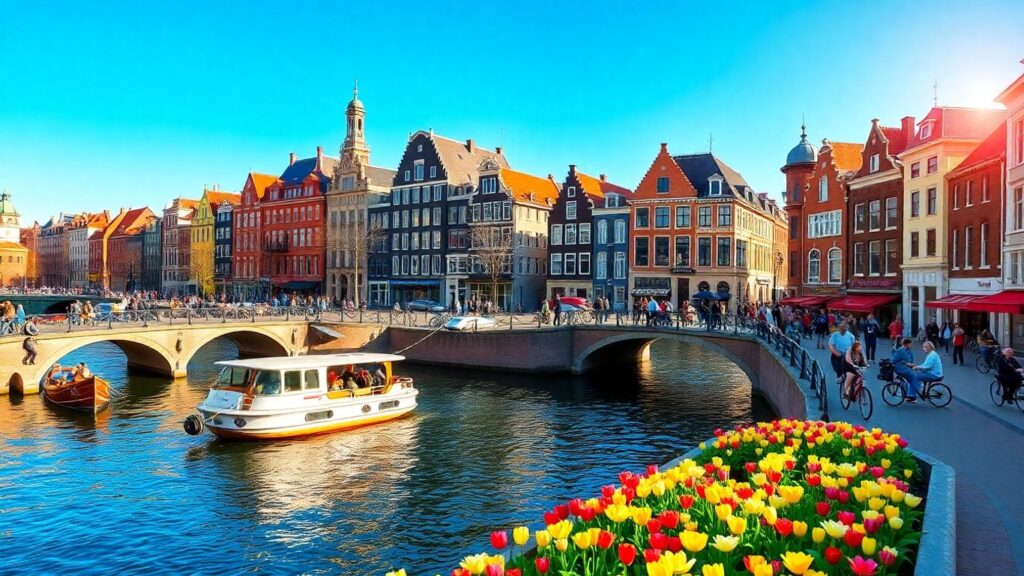
Amsterdam has a reputation, and it’s well-earned. For decades, this city has been a beacon for those seeking personal freedom and a place to express themselves without judgment. It’s a city that’s always been a few steps ahead when it comes to social progress, making it a comfortable spot for people in open relationships and the broader LGBTQ+ community. The canals, the bikes, the general vibe – it all adds up to a place that feels welcoming and open.
Amsterdam’s Progressive Social Climate
The Dutch have a long history of tolerance, and Amsterdam is where that really shines. You’ll find that discussions around relationships, sexuality, and identity are generally more open here than in many other European capitals. This isn’t to say everyone is perfectly enlightened, but the baseline level of acceptance is noticeably higher. It’s a place where you can be yourself, whatever that looks like, and feel pretty secure doing so. This relaxed attitude permeates daily life, from casual conversations to public policy.
Navigating Dating Apps and Social Scenes
When it comes to meeting people, Amsterdam offers a good mix. Dating apps are popular, as they are everywhere, but they tend to be used with a bit more straightforwardness. People are often clearer about what they’re looking for, whether that’s casual fun, something more serious, or something in between. Beyond apps, the city has a vibrant social scene.
Here are a few pointers for connecting:
- Be clear about your intentions: Honesty upfront saves everyone time and potential awkwardness.
- Explore different neighborhoods: Each area has its own feel, from the bustling center to more laid-back districts.
- Attend local events: Keep an eye out for community gatherings, parties, and meetups.
- Respect boundaries: Even in an open city, consent and respect are paramount.
Community Resources and Support Networks
Amsterdam has a well-established network for its LGBTQ+ community and those interested in alternative relationship styles. Organizations like COC Nederland have been around for ages, offering support, information, and a sense of community. You’ll also find various community centers, social groups, and online forums where people connect, share experiences, and find resources. It’s good to know that if you need information or just want to connect with like-minded individuals, there are places to go.
“Wow!! This site is absolutely amazing. Me and my lady have met some fun sexy people on here and got some great feedback from other couples about our profile.” -JessnOsc77
Copenhagen: Embracing Equality and Openness
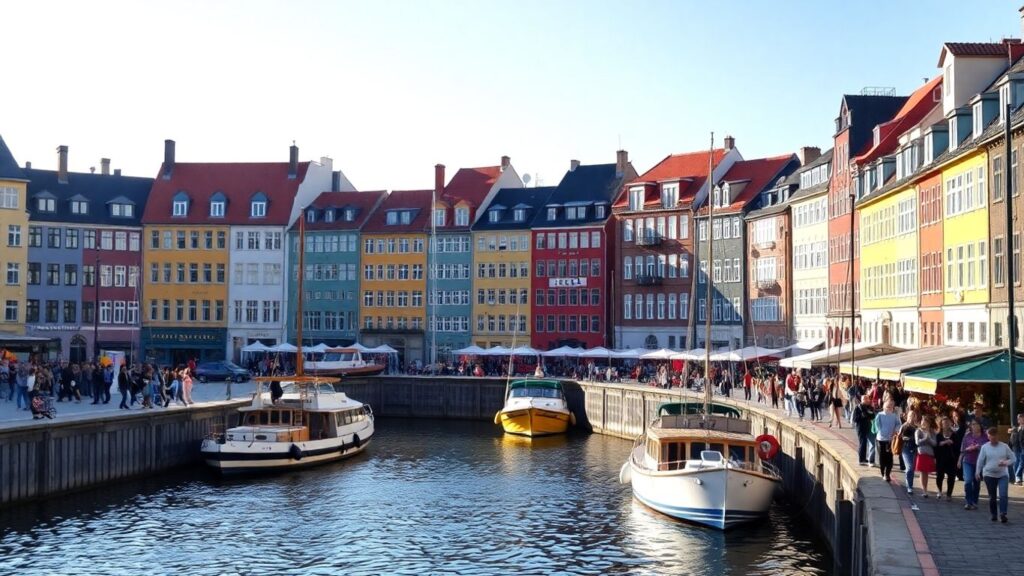
Copenhagen often pops up when people talk about progressive cities, and for good reason. It’s a place where equality isn’t just a buzzword; it feels like a genuine part of the city’s fabric. This vibe extends to how people approach relationships and personal expression, making it a comfortable spot for those in polyamorous or non-monogamous dynamics. The city has a long history of championing LGBTQ+ rights, which creates a generally accepting atmosphere.
Copenhagen’s Commitment to LGBTQ+ Rights
Denmark, and Copenhagen in particular, has been at the forefront of LGBTQ+ rights for decades. They were one of the first countries to allow registered partnerships for same-sex couples back in 1989, and since then, they’ve continued to build on that foundation. This long-standing commitment means that you’ll find a society that’s generally well-informed and respectful. It’s not uncommon to see diverse family structures openly acknowledged and accepted.
- 1989: Registered partnerships for same-sex couples legalized.
- 2009: Gender identity recognized legally.
- 2014: Marriage equality fully implemented.
This legal framework is more than just paper; it translates into a social climate where discrimination is less tolerated and visibility is higher.
Lisbon: Vibrant Culture and Welcoming Atmosphere
Lisbon, Portugal’s capital, has a really warm vibe that makes it a great spot for folks exploring open relationships and queer life. It’s a city that feels both old and new at the same time, with historic trams rattling past modern cafes. The general atmosphere here is pretty relaxed and accepting, which is a big plus when you’re looking for places that are friendly to diverse relationship styles.
Lisbon’s Thriving LGBTQ+ Scene
Lisbon’s queer scene is definitely growing and becoming more visible. While it might not have one single, massive “gayborhood” like some other cities, you’ll find pockets of inclusivity scattered throughout the city, especially in areas like Bairro Alto and Príncipe Real. These neighborhoods buzz with a mix of bars, cafes, and shops that cater to a diverse crowd. You’ll see rainbow flags popping up more often, and there’s a general sense of openness that’s really refreshing.
- Bairro Alto: Known for its nightlife, this area has many bars that are welcoming to the LGBTQ+ community. It’s a place where you can easily strike up conversations and meet new people.
- Príncipe Real: This is often considered the heart of Lisbon’s queer community. It’s a bit more upscale, with trendy boutiques, art galleries, and some of the city’s most popular gay bars and clubs.
- Cais do Sodré: While not exclusively queer, this area has a lively atmosphere and several venues that are popular with LGBTQ+ individuals, especially those looking for a more energetic night out.
Exploring Neighborhoods and Social Hotspots
When you’re in Lisbon, you’ll want to check out different areas to get a feel for the city’s diverse character. The historic Alfama district, with its narrow, winding streets and Fado music, offers a different experience than the more modern Chiado. For those interested in the queer scene, Príncipe Real is a must-visit. It’s got a great mix of independent shops, charming cafes, and some really cool bars. The area around Rua da Rosa in Bairro Alto also comes alive at night, with countless small bars spilling out onto the streets. It’s easy to hop from one place to another, which is perfect for a relaxed evening.
“So far it’s been a fun way to connect with like minded people. In a open, judgement free environment. Lots of people to get to know.” -StaggerinVixen86
Safety Considerations for Travelers
Lisbon is generally a safe city for tourists, including LGBTQ+ travelers. However, like any major city, it’s always wise to be aware of your surroundings, especially at night. Pickpocketing can be an issue in crowded tourist areas and on public transport, so keep your valuables secure. When it comes to the queer scene, the main areas like Bairro Alto and Príncipe Real are usually well-trafficked and feel safe. It’s a good idea to stick to well-lit streets and be mindful of how much you’re drinking, especially if you’re out alone. Using ride-sharing apps or taxis can be a good option for getting back to your accommodation late at night. Overall, Lisbon’s friendly atmosphere means most people are respectful, but common sense is always your best travel companion.
Here are a few tips:
- Stay aware: Keep an eye on your belongings, especially in busy areas.
- Plan your transport: If you’re out late, know how you’ll get back to your hotel.
- Trust your gut: If a situation feels off, it’s okay to leave.
- Connect with locals: If you’re unsure about an area, ask for advice from people you meet.
Lisbon’s welcoming vibe makes it a standout choice for those seeking a safe and vibrant European experience.
Wrapping It Up
So, there you have it. Europe’s a big place, and finding cities that are welcoming to polyamorous folks can feel like a treasure hunt. We’ve looked at a few spots that seem to stand out, offering a good mix of openness and community. Remember, though, that every city has its own vibe, and people are what really make a place feel safe and accepting. Doing your own homework and connecting with local groups before you go is always a smart move. Whether you’re looking for love, friendship, or just a good time, these cities offer a promising starting point for your poly-friendly European adventure. Happy travels!
Frequently Asked Questions
What does polyamory-friendly mean?
It means a city or place is generally accepting and welcoming of people who have relationships with more than one person at a time. These places often have active LGBTQ+ communities and open-minded people.
How can I stay safe when meeting new people in a different city?
Always tell a friend or family member where you’re going and who you’re meeting. Meet in public places for the first time, and trust your gut if something feels off. Don’t share too much personal information too soon.
Are there special apps for meeting people in polyamorous relationships?
Yes, some apps are designed for people interested in ethical non-monogamy or exploring different relationship styles. Apps like Feeld are popular for this, as they cater to a wide range of relationship structures and desires.
What should I know about local laws and customs regarding relationships?
It’s important to research the laws and social attitudes about relationships in the country you’re visiting. Some places are very accepting, while others might have laws or social norms that are less so, especially for LGBTQ+ individuals. Being aware helps you stay safe and respectful.
How important is communication when dating or exploring relationships?
Communication is super important! Being clear about your feelings, what you’re looking for, and your boundaries helps avoid misunderstandings. This is especially true when you’re in a new place or dating people with different backgrounds.
What if I encounter someone who isn’t who they said they were online?
This can happen, so it’s good to be cautious. Always verify information if you can, like asking for more photos or checking social media. If you feel uncomfortable or unsafe at any point, it’s okay to end the interaction and leave.
Feel Free and Safe — Europe’s Best Cities for Open Love
Safety matters when you’re living or traveling openly, and the right city can make all the difference. Join a community where polyamorous and ENM travelers share trusted city insights, event leads, and real-life experiences navigating Europe with confidence. Connect with open-minded people who value respect, consent, and supportive relationships. Sign up for a free SwingTowns account today to begin your adventure.
“SwingTowns is awesome place to meet great people. We have met a lot nice people on here and had amazing time with several couples.” -LoveTerri77