
The Connection Between Being Queer and Non-Monogamous
It feels like lately, everyone’s talking about different kinds of relationships. You know, not just the typical one-partner-for-life kind. And when you look at queer communities, you often see this exploration of non-monogamy happening too. It’s like, if you’re already stepping outside the box with your identity, maybe you’re also more open to different ways of connecting with people. This article is going to look at how being queer and being non-monogamous often go hand-in-hand, and what that really means.
Key Takeaways
- Queer individuals often question societal norms, including traditional relationship structures like monogamy, potentially leading to a greater openness to non-monogamy.
- Historical and societal factors, like discrimination, may have encouraged LGBTQ+ people to define relationships on their own terms, sometimes leading to non-traditional arrangements.
- While stereotypes exist, not all queer people are non-monogamous, and assuming so can overlook the diversity within the LGBTQ+ community.
- Non-monogamous queer relationships can offer benefits like increased emotional support and personal growth, aligning with queer values of authenticity.
- Challenges like compounded stigma and internalized societal norms need to be addressed within queer non-monogamous relationships, with a focus on inclusivity and equity.
Challenging Norms Through Queer Non-Monogamy
Reimagining Intimacy and Connection
Queer relationships have always been about pushing boundaries, right? It makes sense that many in the LGBTQ+ community are drawn to non-monogamous structures. It’s like, if you’re already questioning the default settings of society, why stop at just who you love? This exploration often leads to a deeper, more nuanced understanding of intimacy and connection. It’s not just about sex; it’s about building a network of support and love that feels more authentic and expansive than what traditional monogamy might offer. For many, ethical non-monogamy for LGBTQ+ individuals is a way to create relationships that truly reflect their values.
Historical Roots of Non-Traditional Relationships
It’s easy to think of non-monogamy as a modern thing, but people have been doing relationships differently for ages, across all sorts of cultures. Colonialism really messed with that, though, pushing this one-size-fits-all idea of a couple onto everyone. Before that, lots of communities had different ways of doing relationships, including multiple partners, that were just normal. Recognizing this history helps us see that what we consider “traditional” is actually pretty new and, frankly, not the only way to live. It’s important to remember that queer relationships have also always existed outside the mainstream, often in secret, which gives us a shared history of challenging norms.
“Swing Towns knows what’s up! Finally a platform where like minded people can connect.” -Cboy6983
Societal Rejection and Relationship Autonomy
Because queer relationships have historically faced so much pushback, there’s a strong desire for autonomy. This means having the freedom to define relationships on your own terms, without outside judgment or interference. Non-monogamy fits right into that desire for self-determination. It’s about saying, “My relationship doesn’t have to look like yours, and that’s okay.” This push for autonomy is a big part of why ethical non-monogamy for LGBTQ+ people often feels like a natural extension of queer identity. It’s about building a life and love that feels true to you, even if it’s not what everyone else is doing. It’s about having more people in your life to lean on, which can be super helpful when you might not have the same family support as cishet folks. You can find more information about consensual non-monogamy at 16fb.
The Societal Landscape of Queer Relationships
When we talk about queer relationships, it’s easy to fall into thinking everyone fits into neat little boxes. But the reality is way more complex, and honestly, way more interesting. For a long time, and still today in many places, queer people haven’t had the same options or societal acceptance for relationships as straight folks. Think about it: marriage equality is still pretty new in a lot of the world, and even before that, just being openly queer could mean losing your job, your family, or even your safety. This history really shapes how LGBTQ+ people approach connection and intimacy.
Stereotypes and Misconceptions in Gay Dating
There are some seriously persistent ideas out there about how gay people date. One big one is that all gay men are either super promiscuous or automatically non-monogamous. This just isn’t true, and it puts a lot of pressure on people. If you’re a young gay person growing up hearing this, you might start to think these are the only ways to have relationships. It also kind of dismisses all the gay couples who are monogamous. Sometimes, when monogamous gay couples hit a rough patch, they might think opening up the relationship is the magic fix, but that’s usually not the case if the core issues aren’t addressed.
The Impact of Discrimination on Relationship Choices
Discrimination has a huge impact. Because queer people have historically been denied the same rights and recognition as straight people, including the right to marry, many had to find different ways to build connections. For some, this meant relationships had to be more ‘open’ out of necessity, maybe to present a straight front to the world or just because traditional monogamy wasn’t a safe or available option. This historical context can influence modern approaches to relationships, making some queer individuals more naturally inclined to explore unconventional structures.
“I recommend swingtowns because it’s the first site that even as a free profile you can still connect with ppl. I have since upgraded to lifetime but me and my wife have met some really fun cpls since we started on this site so we fully recommend swingtowns.” -TheRowan
Navigating Relationship Structures Beyond Monogamy
Given this background, it’s not surprising that many queer people are more open to exploring different ways of relating. This can include polyamory, open relationships, or even relationship anarchy, where you reject all relationship hierarchies. It’s about finding what works for you, not just following the default. Queer relationships advice often emphasizes communication and consent, which are super important when you’re moving beyond traditional monogamy. It’s about building connections that feel authentic and supportive, whatever form they take. This exploration is a big part of what makes LGBTQ+ relationship structures so dynamic and diverse.
Exploring the Benefits of Non-Monogamous Queer Connections

Increased Emotional Support and Satisfaction
It’s pretty common for people in queer communities to question traditional relationship models. This often leads to exploring non-monogamy, and for good reason. Many find that having multiple partners or connections can actually increase their overall emotional support system. It’s not just about having more people; it’s about having different kinds of support from different individuals. This can lead to a greater sense of satisfaction in one’s relationships. Research actually backs this up, showing that individuals in polyamory and queer communities often report high levels of fulfillment, sometimes even more than those in traditional partnerships. It seems that when you’re open to different ways of connecting, you can build a really robust network of care and intimacy. It’s about finding what works for you, not just sticking to what society says is ‘normal’. people in polyamorous relationships
Personal Growth Through Diverse Relationships
When you’re exploring non-monogamy, especially within queer circles, it often pushes you to grow as a person. You have to get really good at communicating your needs and boundaries, and also at understanding and respecting the needs and boundaries of others. This can be challenging, for sure, but it’s also a huge opportunity for personal development. You learn a lot about yourself, your desires, and how you relate to others in really different ways. It’s like a crash course in emotional intelligence and self-awareness. You might find yourself becoming more adaptable, more empathetic, and more confident in expressing who you are.
“This is an amazing place to explore and experience. The best online platform for swinging.” -Decentfinder
Alignment with Queer Values of Authenticity
Many people in queer communities already feel like they’re living outside the box, so to speak. They’re already challenging heteronormative ideas about gender and relationships. Because of this, exploring non-monogamy often feels like a natural extension of that. It’s about living authentically and making choices that genuinely reflect your own values and desires, rather than just following a script. This can mean embracing a more fluid approach to love and connection, which really aligns with the broader queer ethos of self-discovery and challenging norms. It’s about creating relationships that feel true to you, whatever that looks like.
Navigating Challenges in Queer Non-Monogamy
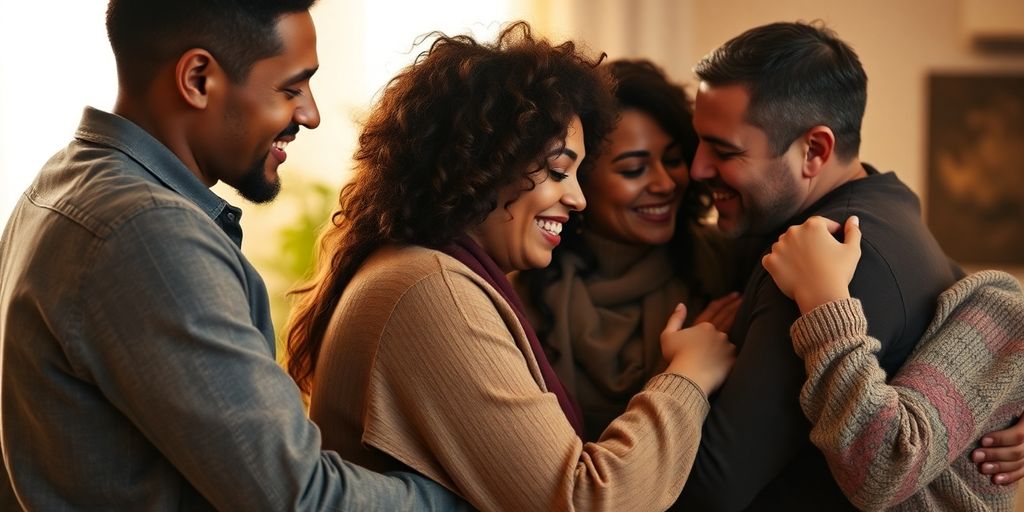
So, while the idea of queer non-monogamy sounds pretty great to many, it’s not always a walk in the park. There are definitely some hurdles to jump over, and sometimes they feel bigger because you’re already part of a community that’s often misunderstood.
Compounded Stigma and Discrimination
It’s a double whammy, right? You’ve got the stigma that comes with being queer, and then you add on the stigma of not being monogamous. People already have ideas about gay relationships, like they’re all about promiscuity or something, and then you throw in non-monogamy, and it’s like, “Oh, that’s what they’re doing.” This can make it tough to find acceptance, not just from the outside world, but sometimes even within broader queer spaces that might still lean towards more traditional relationship models. Finding legal recognition or even just basic social understanding can be a real struggle.
Internalized Norms Within Queer Communities
Even within queer communities, we’re not immune to picking up on societal expectations. Sometimes, even when we’re trying to be super open, old habits or ingrained ideas about how relationships should work can creep in. This can lead to awkwardness or conflict when people in queer non-monogamous relationships start questioning things or feeling like they need to justify their choices, even to other queer folks.
Addressing Jealousy and Insecurity
Let’s be real, jealousy and insecurity are human emotions, and they don’t just disappear because you’re queer or non-monogamous. In fact, with more connections, there can be more opportunities for these feelings to pop up. It means you really have to be on top of your communication game, checking in with yourself and your partners regularly. It’s about building trust and understanding, and sometimes that means having some tough conversations about what everyone needs and feels.
Intersectionality and Inclusivity in Practice
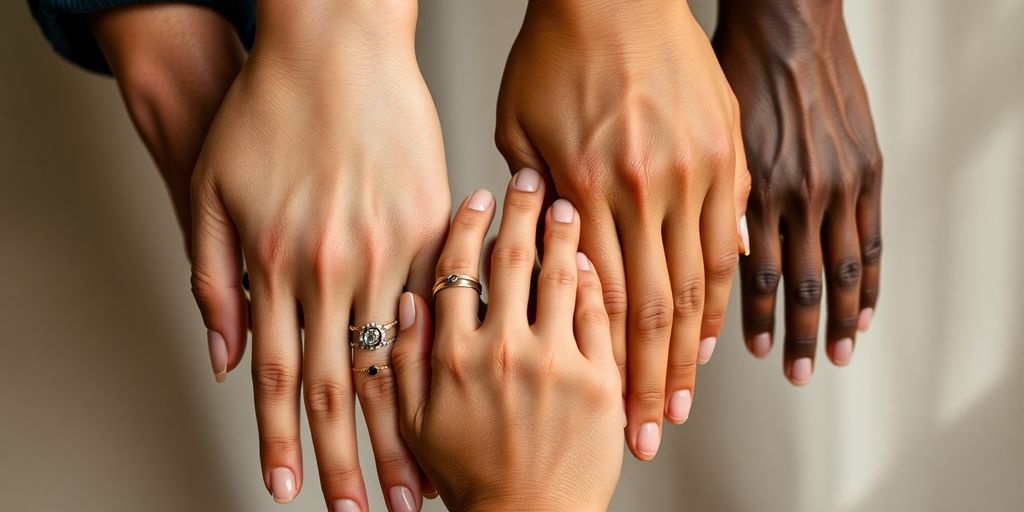
When we talk about queer relationships and non-monogamy, it’s really important to remember that everyone’s experience is different. It’s not just about who you’re attracted to or how many partners you have; other parts of our lives really shape things too. Things like race, how much money we have, if we have disabilities, or even our age can change how we experience relationships, especially when we’re outside the usual boxes society expects. Thinking about all these different parts of who we are helps us see the full picture.
Understanding Diverse Experiences
Queer people of color, for instance, might face challenges that white queer folks don’t, and these can be made even more complicated when they’re also in non-monogamous relationships. It’s about recognizing that systems of power and prejudice don’t just affect one part of someone’s life; they overlap. This means we need to be mindful of how racism, classism, and other forms of discrimination can show up in queer non-monogamous spaces. It’s not enough to just be accepting of non-monogamy or queerness; we have to actively work to make sure our communities are welcoming and fair for everyone, no matter their background. This is where tools for conducting gender analysis can be really helpful in understanding these complex dynamics [10d4].
The Role of Race and Class
Race and class can significantly impact how queer individuals navigate non-monogamous relationships. For example, access to resources, community support, and even safety can be different depending on a person’s racial and economic background. Someone from a lower socioeconomic status might have fewer opportunities to connect with other non-monogamous queer people or might face more judgment from their family or community. Similarly, racial biases can affect how partners are perceived or treated within broader queer or non-monogamous networks. We need to be aware of these disparities and actively work to dismantle them.
Advocating for Racial Justice and Equity
To truly be inclusive, queer non-monogamous communities need to make racial justice and equity a priority. This involves:
- Creating spaces where BIPOC queer individuals feel seen, heard, and valued.
- Challenging racist assumptions and behaviors within relationship structures.
- Supporting economic fairness and accessibility for all members.
- Educating ourselves and others about the history of oppression and its ongoing effects.
- Centering the voices and experiences of those most marginalized.
It’s about building relationships and communities that reflect the diversity of queer experiences and actively work against all forms of oppression. This commitment to inclusivity is what makes queer non-monogamy a truly radical and transformative practice.
Future Possibilities for Relational Structures
Looking ahead, the connection between queer identities and non-monogamous relationship styles is really opening up new ways to think about intimacy and commitment. As society slowly starts to get more comfortable with different relationship setups, we’re seeing more potential for acceptance and support for these kinds of connections. It’s not just about dating; it’s about building families and communities in ways that feel more authentic to people.
Expanding Acceptance and Support
We’re seeing a shift, and it’s pretty exciting. More people are realizing that love and commitment aren’t limited to just one person. This means more resources and understanding for queer folks who choose non-monogamy. It’s about creating spaces where these relationships are seen as valid and healthy, just like any other. This includes things like legal recognition and just general social acceptance, which can make a huge difference in people’s lives. It’s a slow process, but the conversation is definitely happening.
The Importance of Educational Initiatives
Education is a big piece of this puzzle. When people understand what consensual non-monogamy actually looks like, a lot of the fear and judgment can fade away. Think about workshops, books, and even just open conversations that explain the ethics and practices involved. Learning about different relationship models, like polyamory or relationship anarchy, helps demystify them. It’s about equipping people with the knowledge to make informed choices about their own relationships and to be more supportive of others. Resources like books such as Polysecure by Jessica Fern can be really helpful for people exploring these ideas.
Decolonizing Relational Practices
This is a really important point. For a long time, Western ideas about relationships, often rooted in monogamy and ownership, have been the default. Decolonizing relational practices means questioning those norms and looking at how different cultures and communities have always had diverse ways of forming bonds. It’s about recognizing that queer people, especially those from marginalized backgrounds, have their own rich traditions and understandings of connection that don’t fit neatly into a single box. It’s about making sure that as we expand our ideas of relationships, we’re also being mindful of history and making space for everyone’s experiences. This means actively working against racism and classism within queer and non-monogamous communities, too, so that everyone feels included and respected. It’s about building a future where all relational structures can thrive, free from imposed norms.
Wrapping It Up
So, what does all this mean? It seems like the connection between being queer and non-monogamous isn’t a hard and fast rule, but more of a tendency. Because queer folks often have to question societal norms anyway, exploring different relationship styles like non-monogamy can feel more natural. It’s about finding what works for you, not following a script. While some studies show higher rates of non-monogamy in LGBTQ+ communities, it’s important to remember that many queer people are happily monogamous too. The key takeaway is that challenging traditional ideas about love and relationships can lead to more authentic connections, no matter your identity. It’s all about open communication and figuring out what makes your relationships thrive.
Frequently Asked Questions
Why do some queer people choose non-monogamy?
Being queer means you already question what society expects, like who you’re supposed to love. Because of this, some queer people feel more open to exploring different ways of relating to others, like not being with just one person. It’s about finding what feels right for them, even if it’s not the usual way.
Is it true that most gay people are not monogamous?
It’s a common idea that gay people are naturally drawn to non-monogamy, but it’s not true for everyone. While some studies show more LGBTQ+ people are in open relationships than straight people, many still prefer monogamy. It’s important not to assume everyone in the LGBTQ+ community has the same relationship style.
Can non-monogamy provide more emotional support?
Yes, non-monogamous relationships can offer more support. Having multiple partners can mean having more people to rely on for emotional help and understanding, which can be especially helpful when facing challenges.
What are the main difficulties queer people face in non-monogamous relationships?
Navigating non-monogamy can be tough. Queer people might face extra judgment because they are already going against traditional ideas about relationships. Plus, sometimes even within queer communities, old ideas about how relationships should work can cause issues like jealousy or insecurity.
How do race and background play a role in queer non-monogamy?
It’s important to consider how things like race and background affect people’s experiences. For example, queer people of color might face different challenges and need different kinds of support. Making sure everyone feels included means looking at all parts of a person’s identity.
What does the future look like for queer non-monogamous relationships?
As more people understand and accept different kinds of relationships, we can create more supportive spaces. Teaching people about non-monogamy and queer relationships, and questioning old ways of thinking about love, can help us build a future where all healthy relationships are respected.
Proudly Unlimited – Where Identity and Desire Flourish Together
For many in the queer community, non-monogamy offers a way to love and connect that aligns with authenticity, freedom, and self-expression. In our inclusive community, you’ll meet people who celebrate both identity and exploration, creating space where every connection feels seen and valued. Here, you can discover, share, and grow without limits. Sign up for your free SwingTowns account today and begin your journey into boundless connection.
“We are very excited to have joined Swing Towns. We have already chatted and met some fun people. We look forward to meeting many more friends and having a great time making new connections.” –
IzzyBlossomKatee