
The Future of Love: Polyamory, Queer Rights & Legal Reform
The way we think about families and relationships is changing fast. For a long time, the law mostly focused on one type of family. But now, with more people openly identifying as LGBTQ+ and new ideas like polyamory gaining attention, it’s clear our legal system needs to catch up. This article looks at some big challenges these families face and why it’s time for some real, meaningful changes to our laws and how society works.
Key Takeaways
- Current laws don’t always keep up with how LGBTQ+ families are formed, especially when it comes to who counts as a parent.
- Many people are questioning if marriage should be the only way to get important benefits; maybe these benefits should just be available to everyone.
- While some private companies are getting better at supporting diverse families, public services and laws are often much slower to change.
- Polyamorous relationships are becoming more visible, and they bring up new questions about how the law should recognize different kinds of family setups.
- LGBTQ+ people face unique problems when trying to have kids, from legal adoption hurdles to dealing with reproductive health issues.
The Evolving Legal Landscape for LGBTQ+ Families
The legal world is always changing, and that includes laws affecting LGBTQ+ families. It’s not always a straight line of progress, though. Sometimes things get better, and sometimes there are setbacks. It’s important to keep an eye on how these laws are changing because they have a big impact on people’s lives. The future of LGBTQ+ rights depends on understanding these shifts.
Uncertainty After Marriage Equality
After the Supreme Court made same-sex marriage legal across the country, many thought everything would be smooth sailing. But that’s not exactly what happened. While marriage equality was a huge win, it also opened the door to new questions and challenges. Some states started trying to limit the impact of the ruling, and there were court cases based on religious freedom that tried to roll back some of the gains. It’s like one step forward, two steps back sometimes.
Inconsistent Parenthood Recognition
Even with marriage equality, it’s not always clear who the legal parents are when LGBTQ+ couples have kids. For straight couples, it’s usually assumed that both parents are legal parents. But that’s not always the case for same-sex couples. Sometimes, even if they’re married, they have to go through extra legal steps to make sure both parents are recognized. This can be stressful and create uncertainty for families. LGBTQ+ legal advancements are needed to address these inconsistencies.
Varying State Protections
Legal protections for LGBTQ+ families can be very different depending on where you live. Some states have laws that protect LGBTQ+ people from discrimination, while others don’t. This means that families can have different rights and protections depending on which state they live in. It’s a patchwork of laws, and it can be confusing and frustrating to navigate legal challenges.
“This is an amazing place to explore and experience. The best online platform for swinging.” -Decentfinder
Beyond Assimilation: Redefining Family Structures
Critiques of Heteronormative Institutions
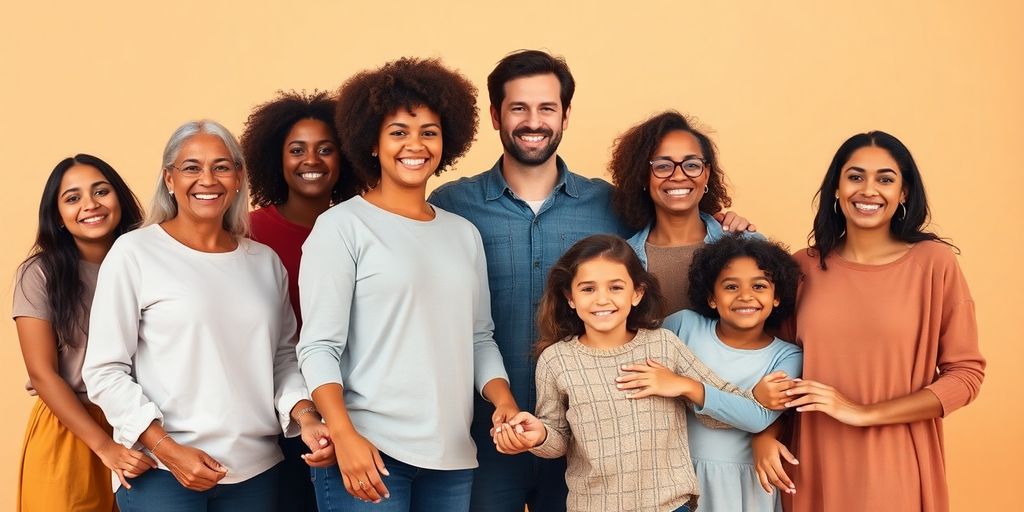
For a long time, the idea of family has been tied to heteronormativity, which means that society assumes everyone is straight and that families should be based on heterosexual relationships. This way of thinking has shaped our laws, social norms, and even how we picture families in our minds. But this isn’t the only way to do things, and many people are starting to question whether this traditional model really works for everyone. It’s important to recognize that the traditional family structure can exclude or marginalize people who don’t fit the mold.
- It reinforces gender roles.
- It prioritizes marriage above other relationships.
- It can leave out LGBTQ+ individuals and families.
“I am enjoying swingtown and the way it is run. Hope to meet some great people who enjoy healthy sexy fun together. Life is tooo short not to.” -teaser71902
The Importance of Chosen Families
Chosen families are groups of people who aren’t necessarily related by blood or marriage, but who provide each other with the love, support, and connection that traditional families often do. For many LGBTQ+ people, especially those who have been rejected by their biological families, chosen families can be a lifeline. These families can offer a sense of belonging, acceptance, and community that can be hard to find elsewhere. Chosen families are not just a substitute for biological families; they are a valid and important form of family in their own right.
- Offer emotional support.
- Provide a sense of community.
- Can be more accepting than biological families.
Challenging Marriage-Tied Benefits
Many benefits and protections in our society are tied to marriage, which can create problems for people who aren’t married or who are in non-traditional relationships. For example, access to healthcare, inheritance rights, and even the ability to visit a loved one in the hospital can all depend on being legally married. This system privileges married couples and can leave others out in the cold. We need to rethink how we distribute these benefits so that everyone has equal access, regardless of their relationship status. It’s about fairness and making sure that everyone has the support they need to thrive. The current system often overlooks the diverse ways people form meaningful connections and build lives together. Here’s a look at how benefits are often distributed:
| Benefit | Typically Tied To | Issue |
|---|---|---|
| Healthcare | Marriage | Excludes unmarried partners, chosen families. |
| Inheritance | Marriage/Blood | Can leave out long-term partners or chosen family members. |
| Hospital Visitation | Marriage/Family | Limits who can visit and make medical decisions. |
Navigating Systemic Barriers and Institutional Change

Private Sector Responsiveness Versus Public Institutions
It’s interesting to see how different sectors respond to the needs of LGBTQ+ individuals and families. The private sector, often driven by market forces and a desire to attract diverse talent, sometimes leads the way in adopting inclusive policies. You might see this in their employee benefits or marketing campaigns. Public institutions, on the other hand, can be slower to change, often due to bureaucratic processes or political considerations. This contrast highlights the different motivations and constraints at play.
Advocacy in Healthcare and Human Services
Advocacy plays a huge role in making healthcare and human services more inclusive. It’s about pushing for policies and practices that recognize and support LGBTQ+ individuals and families. This can involve:
- Training healthcare providers to be more culturally competent.
- Lobbying for inclusive laws and regulations.
- Raising awareness about the specific needs of LGBTQ+ people.
“Really enjoying Swingtowns a lot! Very easy to use the app and lots of great people too.” -KarandBri1970
Corporate Policies and Assimilationist Strategies
Some companies have implemented policies that appear inclusive on the surface but may actually promote assimilation. These policies often focus on fitting LGBTQ+ individuals into existing corporate structures rather than fundamentally changing those structures. For example, a company might offer same-sex partner benefits but still maintain a heteronormative company culture. It’s a tricky balance, and it’s important to critically examine whether these policies truly support LGBTQ+ equality or simply serve to make the company look good. It’s important to consider the impact of laws and regulations on freedom of expression concerning SOGIESC issues.
Polyamory and the Future of Relationship Recognition
Diversity in Relationship Configurations
The traditional view of relationships is being challenged. More people are exploring different ways to connect, moving beyond the standard monogamous model. It’s not just about labels; it’s about creating relationships that fit individual needs and values. People are experimenting with open relationships, polyamory, and other forms of consensual non-monogamy. A recent study showed a significant percentage of individuals identifying with relationship styles outside strict monogamy. LGBTQ+ individuals are at the forefront of this change, often leading the way in defining new relationship norms.
Legal Challenges for Polyamorous Families
One of the biggest hurdles for polyamorous families is the lack of legal recognition. This affects everything from parental rights to healthcare decisions. Current laws are primarily designed for two-person relationships, leaving polyamorous families in a legal gray area. This can create significant stress and instability. For example:
- Difficulty obtaining joint insurance.
- Inability to make medical decisions for all partners.
- Challenges in dividing assets and responsibilities.
“I’ve been looking for a fun community who share the same interests as I do, and most have failed to meet my expectations. But SwingTowns by far has had the most fun engagements with REAL people, much more than anywhere else I’ve found. Most people on here have been fun, sexy, engaging, and willing to help a young buck learn the ropes of this lifestyle.” -Johncarpenter
Expanding the Definition of Family
Redefining “family” is key to achieving equality. The traditional definition, centered on marriage, excludes many valid and loving relationships. We need to broaden our understanding to include chosen families, platonic partnerships, and polyamorous relationships. This shift requires a change in mindset, moving away from heteronormative ideals and embracing the diversity of human connection. This also means addressing polyamory discrimination legal and working towards inclusive policies. The push for non-monogamy legal challenges is gaining momentum, with advocates arguing for equal rights and protections. Ultimately, the goal is to create a society where all families are valued and respected, regardless of their structure or composition. This includes advocating for polyamorous relationship laws that reflect the realities of modern families.
Addressing Reproductive Challenges and Family Building

The “Gayby Boom” and Its Implications
There’s been a noticeable increase in LGBTQ+ individuals and couples choosing to start families, often referred to as the “gayby boom.” This rise is fantastic, but it also shines a light on some unique challenges. More LGBTQ+ families mean more instances of dealing with infertility, reproductive loss, and the complexities of adoption. It’s not always a smooth journey, and we need to acknowledge that.
Infertility and Reproductive Loss in LGBTQ+ Communities
Infertility and reproductive loss can be incredibly isolating, and the LGBTQ+ community isn’t immune. In fact, they might face additional layers of difficulty. There can be a lack of resources tailored to their specific needs, and sometimes, a silence around these issues even within supportive circles. It’s important to create spaces where these experiences can be shared and validated. The motivations for parenthood are diverse, and the need to feel complete is a strong driver for many.
Legal Hurdles in Adoption and Parenthood
Adoption and establishing legal parentage can be a minefield for LGBTQ+ families. Even with progress in marriage equality, legal parentage can still be uncertain, especially for non-biological parents or in states with less inclusive laws. These hurdles can cause significant stress and instability for families. We need to push for comprehensive nondiscrimination laws that protect all families, regardless of their structure.
“The Swingtowns community has been a major source of inspiration for many years now and has become one of the most popular destinations for swing communities” -Thunderdicka
Here are some common legal challenges:
- Varying state laws on adoption and surrogacy.
- Difficulties in obtaining second-parent adoption.
- Lack of clear legal frameworks for polyamorous families.
The Impact of Legal Disparities on Well-being
Health and Stress Impacts of Unequal Laws
It’s pretty obvious that when the law treats some families differently, it can cause a lot of stress. This stress isn’t just emotional; it can actually affect people’s health. Think about it: constantly worrying about whether your family will be recognized or protected takes a toll. The concept of minority stress really comes into play here, where discrimination leads to chronic stress and, ultimately, health problems. It’s not about who people are, but about how society treats them.
Exclusion from Medical Decision-Making
Imagine a situation where a child is sick, and one of their parents isn’t legally recognized. That parent might be barred from making important medical decisions or even visiting their child in the hospital. This isn’t just hypothetical; it happens. It’s a direct consequence of laws that don’t acknowledge diverse family structures. This can lead to immense emotional distress and feelings of helplessness. It’s a scary thought that judges should conduct legal proceedings fairly, but the law itself might be the problem.
Societal Discrimination and Its Consequences
Legal disparities often fuel societal discrimination, creating a ripple effect of negative consequences. This can manifest in various ways:
- Difficulty finding housing or employment.
- Experiences of harassment or violence.
- Internalized feelings of shame or worthlessness.
“Swingtowns is hands down the best community that I have had the pleasure to be a part of. Would recommend this website to anyone in the lifestyle!” -SlikRik1Ace
It’s not just about individual instances of discrimination; it’s about the cumulative effect of living in a society that doesn’t fully accept or protect you. The impact on well-being is significant and far-reaching.
Transformative Change: A Call to Action
Training for Cultural Competence in Education
It’s time to shake things up in how we train teachers. We need to make sure that future educators are ready to support all kinds of families, including LGBTQ+ families. This means incorporating cultural competence training into education programs. This training should cover:
- Understanding different family structures.
- Addressing biases and stereotypes.
- Creating inclusive classroom environments.
“We’ve only been in the LS for about a year but we have found some really great people using SwingTowns. Wish we would have found the website sooner.” -2Adults89
Advocating for Comprehensive Nondiscrimination Laws
We need laws that protect everyone, no matter who they are or who they love. That’s why advocating for comprehensive nondiscrimination laws is so important. These laws should cover things like housing, employment, and public accommodations. It’s about making sure that LGBTQ+ individuals and families have the same rights and opportunities as everyone else. We can draw lessons from efforts to end capital punishment to inform our strategies.
Ensuring Legal Protections for All Family Structures
Our legal system needs to catch up with the reality of modern families. This means expanding the definition of family to include polyamorous relationships and other diverse family structures. Some steps we can take:
- Review and revise existing laws to remove discriminatory language.
- Create new legal frameworks that recognize and protect diverse family structures.
- Provide resources and support for families navigating the legal system.
| Family Structure | Current Legal Status | Potential Protections |
|---|---|---|
| Polyamorous | Limited | Relationship recognition, shared parenting rights |
| Chosen Families | None | Visitation rights, medical decision-making authority |
| Extended Families | Varies | Inheritance rights, guardianship options |
Wrapping Things Up: What’s Next for Polyamory and LGBTQ+ Rights?
So, we’ve talked a lot about how things are changing for polyamorous folks and the whole LGBTQ+ community. It’s clear that while we’ve seen some big steps forward, like marriage equality, there’s still a lot of work to do. Some of those legal wins, even the big ones, can feel a bit shaky, and not everyone gets the same benefits. It’s a mixed bag, really. We need to keep pushing for laws that actually help everyone, not just some. This means looking at things like how families are defined, making sure everyone has access to basic stuff like healthcare and legal protections, no matter who they love or how their family is set up. It’s about making sure our systems truly support all kinds of families, not just the ones we’re used to seeing. The goal is a world where everyone can live openly and safely, with their relationships and families respected by law and by society. It’s a big job, but it’s one we have to keep at.
Frequently Asked Questions
Did the 2015 marriage equality ruling fix all legal problems for LGBTQ+ families?
After the Supreme Court said same-sex marriage was legal in 2015, many thought all LGBTQ+ families would be treated the same as straight families. But this isn’t always true. Some states still have different rules, and sometimes, one parent might not be seen as a legal parent unless they go through an adoption process, even if they are married.
Are LGBTQ+ relationships as stable as straight relationships?
Yes, many studies show that LGBTQ+ relationships are just as strong and happy as straight relationships. Things that make relationships last, like good communication and support, are important for all couples, no matter their sexual orientation.
Why do some LGBTQ+ people question the focus on marriage?
Some people in the LGBTQ+ community worry that focusing too much on getting married makes it seem like marriage is the only ‘right’ way to have a family. They argue that this can make it harder for other types of families, like chosen families or polyamorous families, to get legal recognition and benefits.
How do unequal laws affect the well-being of LGBTQ+ families?
Not having the same legal rights can cause a lot of stress and health problems for LGBTQ+ families. For example, if a parent isn’t legally recognized, they might not be able to make medical decisions for their child or visit them in the hospital. This unfair treatment can lead to emotional and physical strain.
What is polyamory, and what are its legal challenges?
Polyamory means having more than one loving relationship at the same time, with everyone involved knowing and agreeing. For polyamorous families, getting legal recognition for all partners and children can be very hard, as most laws are only set up for two-person marriages.
What are some challenges LGBTQ+ people face when building families?
Many LGBTQ+ people are having children, sometimes called the ‘gayby boom,’ through adoption or reproductive methods. However, they can face extra legal steps and challenges compared to straight couples, especially with things like parent recognition and adoption processes.
Beyond Boundaries – Where Love Evolves, Connects, and Flourishes
Step into a space where the future of love is already unfolding — bold, inclusive, and limitless. Be part of a community that celebrates polyamory, champions queer rights, and dares to imagine new possibilities for connection and belonging. The journey starts with you. Sign up for your free SwingTowns account today and join the movement redefining love on your own terms.
“Swing Towns knows what’s up! Finally a platform where like minded people can connect.” -Cboy6983