
Navigating Conflict Resolution in Polyamorous Relationships: Tips and Strategies
Navigating conflicts in polyamorous relationships can be tricky, given the involvement of multiple partners and unique dynamics. This article will guide you through understanding these complexities and offer practical tips and strategies for resolving conflicts. From building a foundation of open communication to seeking professional help, we’ll cover various aspects to help maintain harmony and balance in your relationships.
Key Takeaways
- Polyamorous conflicts often involve multiple partners with different needs and emotions.
- Open communication and active listening are crucial for resolving conflicts.
- Collaborative problem-solving helps in finding solutions that satisfy everyone.
- Professional guidance can be beneficial in navigating complex conflicts.
- Conflicts can be opportunities for growth and improvement in relationships.
Understanding the Unique Dynamics of Polyamorous Conflicts

Polyamorous relationships bring a unique way of navigating conflicts due to their inherent complexity. Unlike monogamous relationships, polyamory involves balancing the needs and emotions of multiple partners, which can lead to intricate challenges. Recognizing these unique dynamics is the first step in addressing conflicts effectively.
Multiple Partners and Diverse Needs
In polyamorous relationships, managing the desires and expectations of multiple partners can be daunting. Each partner may have different needs, and finding a balance that satisfies everyone can be tricky. This often requires open communication and a willingness to compromise.
Emotional Complexity and Jealousy
Feelings of jealousy and emotional distance are common in polyamorous relationships. These emotions can stem from insecurities or perceived imbalances in attention and affection. Addressing these feelings openly and honestly is crucial for maintaining harmony.
Time Management and Prioritization
Time management becomes a significant challenge when juggling multiple relationships. Prioritizing time with each partner while ensuring no one feels neglected requires careful planning and mutual understanding. Regular check-ins can help in managing these expectations effectively.
Building a Foundation of Open Communication
Open communication is the cornerstone of any healthy relationship, but it is especially crucial in polyamorous dynamics. Effective communication skills help ensure that everyone’s needs and boundaries are respected. Regular check-ins with all partners can help prevent small issues from becoming larger conflicts.
Active Listening Techniques
Active listening is more than just hearing words; it’s about understanding the emotions and intentions behind them. When you actively listen, you show your partners that their feelings and thoughts are valued. This can lead to better communication and fewer misunderstandings.
Non-Violent Communication
Non-violent communication focuses on expressing needs and feelings without blame or judgment. This method helps create a supportive environment where everyone feels safe to share their thoughts. By using “I” statements and focusing on specific behaviors, you can avoid triggering defensive reactions.
Expressing Needs and Boundaries
Being honest about your needs and boundaries is essential for healthy communication. When you communicate openly, you reduce the risk of miscommunication and misunderstandings. Discussing your limits and desires helps address underlying issues before they become major problems.
In polyamorous relationships, open and honest dialogue is key to nurturing trust and mutual respect among partners. This foundation allows you to navigate complexities and build strong, meaningful connections.
Collaborative Problem-Solving Strategies

Collaborative problem-solving is essential for resolving conflicts in polyamorous relationships. It involves open discussions and exploring creative solutions that meet everyone’s needs. This approach promotes a win-win scenario and requires trust, patience, and inclusivity.
Seeking Professional Guidance
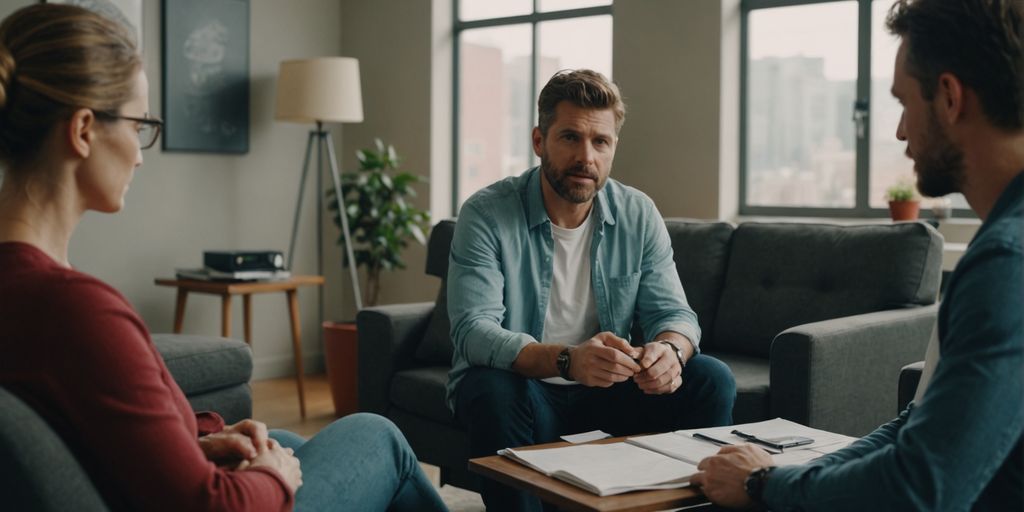
Navigating the complexities of polyamorous relationships can sometimes be overwhelming. When conflicts persist or become too intricate, seeking professional help from a relationship counselor or therapist specializing in polyamory can provide guidance and support.
When to Consider Therapy
If you find that conflicts are recurring or escalating, it might be time to reflect on seeking professional help. A therapist can help you and your partners understand the underlying issues and work towards resolving them. This is especially important if there are feelings of neglect or abandonment within the relationship.
Finding a Polyamory-Friendly Counselor
It’s crucial to find a counselor who is knowledgeable about polyamory and its unique dynamics. Look for someone who can offer a non-judgmental space to discuss your concerns. Many online directories can help you find a polyamory-friendly counselor in your area.
Benefits of Professional Mediation
Professional mediation can provide a neutral space to discuss issues and mediate conflicts. It helps in avoiding misinterpretation and ensures that everyone’s voice is heard. Additionally, it offers tools for managing jealousy, setting boundaries, and building trust.
Engaging with a skilled therapist can be a game-changer. It shows a commitment to the relationship and a willingness to confront challenging conversations. By seeking professional guidance, partners create a safe and supportive space to navigate difficult emotions and repair damage from conflicts.
Learning and Growing from Conflicts

Reflecting on Conflict Patterns
Every conflict presents an opportunity for personal and relationship growth. Reflect on the conflicts you encounter, identify patterns, and explore ways to improve communication and prevent similar conflicts in the future. Embrace conflict as a catalyst for learning and strengthening your polyamorous relationships.
Implementing Changes for Improvement
Approaching conflicts with openness, respect, and a commitment to personal growth can contribute to greater harmony within the relationship. Recognizing conflicts as a natural part of any relationship and navigating them with empathy and active listening can strengthen the bonds between partners.
Embracing Conflict as a Growth Opportunity
Conflict in Everyday Life
Many of us notice that we fall into a pattern of response to relationship conflict that recycles again and again, without providing an opening to approach our partner(s) from a new perspective or with new feelings. Gaining a fresh awareness of ourselves and our partner(s) in conflictual situations helps relieve the tension and brings in new possibilities.
Approaching conflicts involving multiple partners requires open and honest communication. Create a safe space for all parties to express their perspectives and concerns. Practice active listening, empathy, and understanding. Encourage everyone involved to contribute to finding solutions and compromises that address the needs of each individual while considering the overall well-being.
Effective communication skills are not only crucial for resolving conflicts but also for fostering personal growth and deeper connections. By prioritizing open and honest dialogue, polyamorous relationships can thrive, allowing partners to navigate the challenges that arise and find common ground together.
Identifying Root Causes of Conflict
Maintaining Harmony and Balance
Maintaining harmony and balance in polyamorous relationships requires effort and mindfulness. Promoting harmony involves regular check-ins with partners, balancing individual and group needs, and preventing future conflicts. Here are some strategies to help you navigate this complex dynamic:
Regular Check-Ins with Partners
Regular check-ins are essential to ensure everyone feels valued and heard. These conversations help address any issues before they escalate and promote a sense of connection. Make it a habit to discuss feelings, needs, and any changes in the relationship dynamics.
Balancing Individual and Group Needs
Balancing individual and group needs is crucial for maintaining harmony. Each partner has unique needs and desires that must be respected. Create a schedule that allocates quality time for each partner without rigidly dividing your time. This approach helps in finding a middle ground that works for everyone.
Preventing Future Conflicts
Preventing future conflicts involves setting clear boundaries and revisiting them regularly. Boundaries can prevent confusion and resentment, fostering a healthier relationship. Additionally, practicing self-care and mindfulness can help you manage stress and maintain emotional balance. Remember, it’s everyone’s responsibility to contribute to a harmonious relationship.
Nurturing individual and collective needs is essential for maintaining balance and harmony in polyamorous relationships. This involves recognizing that each individual has their own unique needs, desires, and boundaries that must be respected within the relationship. It also requires a commitment to finding mutually agreeable solutions that meet the needs of all parties involved while also fostering a sense of connection and emotional intimacy.
Conclusion
Navigating conflicts in polyamorous relationships can be challenging, but it’s also an opportunity for growth and deeper connection. By focusing on open communication, empathy, and collaborative problem-solving, partners can address issues in a way that strengthens their bond. Remember, every conflict is a chance to learn more about each other and improve the relationship. With patience and understanding, polyamorous relationships can thrive even in the face of disagreements.
Frequently Asked Questions
What are the main challenges in resolving conflicts in polyamorous relationships?
Polyamorous relationships often involve multiple partners, each with their own needs and emotions. This can lead to complex dynamics, including jealousy and time management issues. Effective communication and understanding are key to resolving these conflicts.
How can we improve communication in our polyamorous relationship?
Improving communication involves active listening, expressing your needs clearly, and practicing non-violent communication. Regular check-ins and open dialogues can also help strengthen your relationship.
What should we do if we can’t resolve a conflict on our own?
If you find it difficult to resolve a conflict, consider seeking help from a polyamory-friendly counselor or therapist. Professional guidance can offer new perspectives and strategies for resolving issues.
How can we manage jealousy in a polyamorous relationship?
Managing jealousy involves understanding its root causes, communicating openly about your feelings, and setting clear boundaries. It’s important to address jealousy with empathy and work together to find solutions.
What are some effective problem-solving strategies for polyamorous conflicts?
Effective strategies include brainstorming solutions together, finding compromises that satisfy everyone, and ensuring that all voices are heard. Avoiding incomplete solutions is crucial to prevent future resentment.
How can we prevent conflicts in our polyamorous relationship?
Preventing conflicts involves regular communication, balancing individual and group needs, and addressing issues early before they escalate. Regular check-ins with all partners can help maintain harmony and balance.
Navigate the Waves of Connection: Mastering Conflict in Polyamory
At SwingTowns, you can learn the art of conflict resolution in a supportive and fun environment. Dive into a world where challenges strengthen bonds and every resolution sparks deeper understanding and connection. Sign up for a free account on SwingTowns today and start your journey toward healthier, more fulfilling polyamorous relationships. Embark on your adventure now, where every interaction helps you grow!
“Wow!! This site is absolutely amazing. Me and my lady have met some fun sexy people on here and got some great feedback from other couples about our profile.” -JessnOsc77