
Discovering the Self in Polyamory: Navigating Personal Identity and the Impact of Loving Multiple Partners
Polyamory means having more than one romantic relationship at the same time, with everyone knowing and agreeing to it. This can change how people see themselves. In polyamory, people question what they have always been told about love and relationships. This helps them learn more about what they really want and need in a partner.
Key Takeaways
- Polyamory helps people understand themselves better by questioning traditional ideas about relationships.
- Good communication is very important in polyamorous relationships to set boundaries and handle jealousy.
- Having multiple relationships can make people emotionally stronger and teach them new things.
- Society might judge polyamorous people, but finding a supportive community can help.
- Being in polyamorous relationships allows people to be more true to themselves and their values.
Understanding Polyamory and Self-Identity
Polyamory, the practice of having multiple romantic relationships with everyone’s consent, plays a big role in shaping self-identity. Embracing polyamory often means questioning societal norms about monogamy and exploring new relationship structures. This journey can lead to a better understanding of oneself and one’s desires.
Defining Polyamory
Polyamory means having more than one romantic relationship at the same time, with the knowledge and agreement of all partners. It’s about honesty, consent, and mutual respect.
Challenging Monogamous Norms
In the context of polyamory, people often challenge the traditional ideas of monogamy. This exploration of polyamory helps individuals see beyond conventional relationship models and find what truly works for them.
Exploring Personal Desires
The exploration of polyamory allows individuals to dive deep into their own needs and desires. This process fosters a greater understanding of oneself and can lead to personal growth and authenticity.
Within the context of polyamory, the exploration of personal identity takes on a unique prominence. It allows individuals to explore different aspects of themselves, their desires, and their boundaries.
The Role of Communication in Polyamorous Relationships
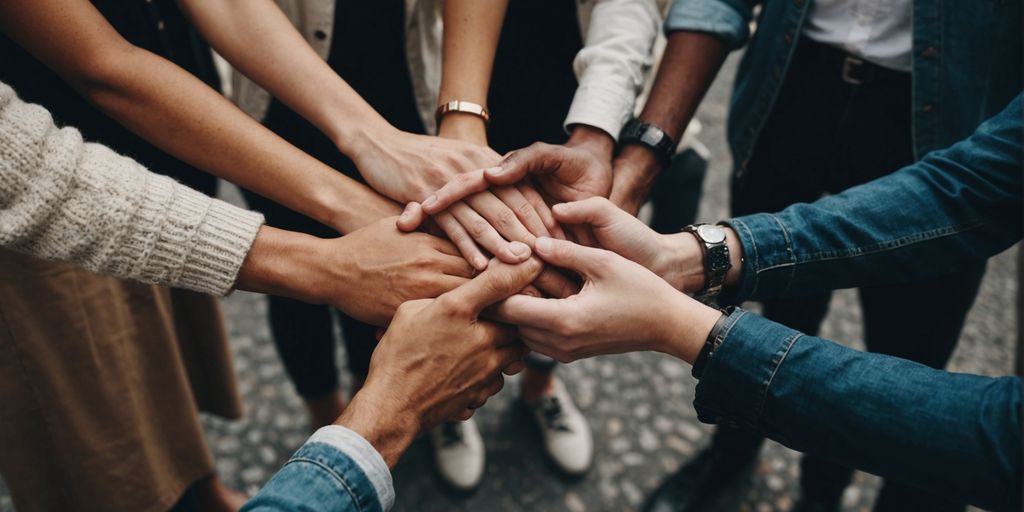
In a polyamorous relationship, communication is the foundation that holds everything together. It’s essential for building trust, setting boundaries, and understanding each other’s needs. Without open communication, misunderstandings and conflicts can easily arise.
Open Dialogue with Partners
Having an open dialogue with your partners is crucial. This means being honest about your feelings, desires, and concerns. It also involves actively listening to your partners and validating their experiences. Open communication helps in creating a safe space where everyone feels heard and respected.
Setting Boundaries
Setting boundaries is a key part of any relationship, but it’s especially important in polyamory. Clear boundaries help in managing expectations and ensuring that everyone’s needs are met. This can include discussing time management, emotional needs, and physical boundaries.
Navigating Jealousy
Jealousy is a natural emotion that can arise in any relationship style, including polyamory. The key to navigating jealousy is to communicate openly about it. Discussing your feelings of jealousy with your partners can help in understanding its root cause and finding ways to address it together.
In a polyamorous relationship, communication is key for self-awareness, boundaries, and trust. Embrace multiple relationships for personal growth and exploration.
Emotional Growth Through Multiple Relationships
Engaging in multiple romantic relationships can lead to significant personal growth. By interacting with different partners, individuals gain a deeper understanding of various forms of love and emotional connections. This exposure helps in developing emotional intelligence, which is crucial for maintaining healthy relationships.
Learning from Diverse Perspectives
Being in multiple relationships allows one to learn from diverse perspectives. Each partner brings unique experiences and viewpoints, enriching one’s own understanding of the world. This diversity fosters personal growth and broadens one’s emotional horizons.
Building Emotional Resilience
Navigating the complexities of multiple romantic relationships requires emotional resilience. The challenges faced in these relationships, such as managing jealousy and balancing time, help individuals build stronger emotional muscles. This resilience is essential for fostering fulfilling and healthy relationships.
Fostering Deeper Connections
Polyamory encourages deeper emotional connections with partners. The emphasis on open communication and honesty in these relationships leads to more meaningful and empathetic bonds. These deeper connections contribute to a more fulfilling and enriched emotional life.
Engaging in multiple romantic relationships can lead to significant personal growth. By interacting with different partners, individuals gain a deeper understanding of various forms of love and emotional connections. This exposure helps in developing emotional intelligence, which is crucial for maintaining healthy relationships.
Societal Perceptions and Personal Identity
Facing Social Stigma
Polyamorous individuals often face social stigma, which can deeply affect their sense of self. Challenging societal norms is not easy, but it is essential for personal growth. Many find strength in understanding their own needs and desires, which helps them navigate negative perceptions.
Redefining Relationship Norms
In a world where monogamy is the standard, redefining relationship norms is a bold move. Polyamorous people often have to explain their lifestyle to others, which can be tiring. However, this process can also be empowering, as it allows them to align their actions with their values.
Finding Community Support
Finding a supportive community is crucial for those in polyamorous relationships. These communities offer a safe space to share experiences and advice. They help individuals feel less isolated and more confident in their choices.
Building a network of like-minded people can make a huge difference in maintaining a strong sense of self.
Self-Reflection and Authenticity in Polyamory

Introspection and Self-Discovery
Engaging in polyamory often requires self-reflection. Regularly thinking about your desires, insecurities, and emotional triggers can help you grow and build better connections. Techniques like journaling, meditation, and therapy are useful for this process.
Aligning Actions with Values
Polyamory encourages you to question traditional relationship norms and explore your true desires. This journey helps you align your actions with your values, leading to greater acceptance and understanding of yourself.
Embracing Authentic Self
By exploring different aspects of yourself and your relationships, you can discover your authentic self. This process of self-discovery fosters a deeper understanding of your personal needs and desires, making your relationships more fulfilling.
Polyamory offers a unique chance for self-exploration and personal growth. It helps you understand yourself better and live more authentically.
Navigating Challenges in Polyamorous Dynamics

Polyamorous relationships come with their own set of challenges. Navigating these complexities requires patience, understanding, and effective communication. Here, we explore some of the key hurdles and how to manage them.
The Intersection of Polyamory and Other Identities

Polyamory and Sexual Orientation
Polyamory intersects with sexual orientation in unique ways. For some, being polyamorous is an extension of their sexual identity, allowing them to explore relationships beyond traditional monogamous structures. Polyamorous individuals often find that their sexual orientation and relationship style are deeply intertwined, influencing how they navigate their romantic lives.
Cultural Influences on Polyamory
Cultural background plays a significant role in shaping one’s views on polyamory. Different cultures have varying levels of acceptance and understanding of non-monogamy. In some cultures, polyamory is seen as a natural extension of community and family ties, while in others, it may be met with resistance. Understanding these cultural influences can help polyamorous people navigate their relationships more effectively.
Integrating Multiple Identities
For many, polyamory also intersects with other aspects of their identity, such as gender, race, and religion. Balancing these different aspects can be challenging but also rewarding. Polyamorous individuals often find that embracing their full identity allows for a more authentic and fulfilling life. This integration requires ongoing self-reflection and a willingness to challenge societal norms.
Navigating the intersectionality of polyamory and other identities can be complex, but it offers a unique opportunity for personal growth and self-discovery.
Conclusion
Polyamory isn’t just about having multiple romantic partners; it’s a journey of discovering who you really are. By stepping away from traditional relationship norms, people in polyamorous relationships get to explore their true desires and boundaries. This exploration can lead to a deeper understanding of oneself and personal growth. Through open communication and self-reflection, individuals can build stronger, more authentic connections. In the end, polyamory offers a unique path to self-discovery and personal fulfillment, helping people live more genuine and satisfying lives.
Frequently Asked Questions
What is polyamory?
Polyamory is the practice of having multiple romantic relationships at the same time, with the knowledge and consent of everyone involved.
How does polyamory affect personal identity?
Polyamory can help people explore and understand their own needs and desires better. It encourages questioning societal norms about monogamy and relationships.
How important is communication in polyamorous relationships?
Communication is very important in polyamorous relationships. Open dialogue helps in setting boundaries, sharing feelings, and dealing with jealousy.
Can polyamory lead to personal growth?
Yes, being in multiple relationships can help people learn from different perspectives, build emotional strength, and form deeper connections.
How do people deal with societal stigma about polyamory?
Facing social stigma can be tough, but finding community support and redefining relationship norms can help people cope.
Is polyamory linked to other identities?
Yes, polyamory can intersect with other aspects of identity like sexual orientation and cultural background, making personal identity even more complex.
Journey to Self-Discovery – Where Multiple Loves Enhance Personal Growth
Explore the fascinating dynamics of personal identity within polyamorous relationships at SwingTowns, where loving multiple partners opens new avenues of self-discovery. Join a community that values exploration, understanding, and the profound impact of diverse connections. Sign up for your free account today and start your personal journey amidst a supportive network. Let’s discover together how multiple loves can enrich our understanding of ourselves!
“So far it’s been a fun way to connect with like minded people. In a open, judgement free environment. Lots of people to get to know.” -StaggerinVixen86