Ranking Europe’s Poly-Friendly Cities: The Factors Behind Openness
So, what exactly makes a city a great place for people who embrace polyamory, or in simpler terms, ‘poly-friendly’? It’s not just about being open-minded; there are real factors at play. We’re looking at cities that are really good at attracting skilled workers, pushing forward with new tech, and have policies that welcome newcomers. Plus, how they handle social issues and their place in the world really matters. Let’s break down what makes some European cities stand out in this regard.
Key Takeaways
- Cities that are good at attracting skilled workers often have smart economic policies and are open to migration, which helps build a diverse workforce.
- The push for green and digital technologies is creating new jobs, but cities need to help people transition into these roles and support struggling areas.
- Government policies on migration, combined with public attitudes towards it, significantly shape how open a city or country truly is.
- A city’s ability to connect with the global economy and form strategic partnerships can boost its growth and stability.
- Addressing social inequalities and having strong welfare systems are important for keeping cities inclusive and preventing unrest, especially as new social classes emerge.
Economic Landscape And Labor Market Dynamics
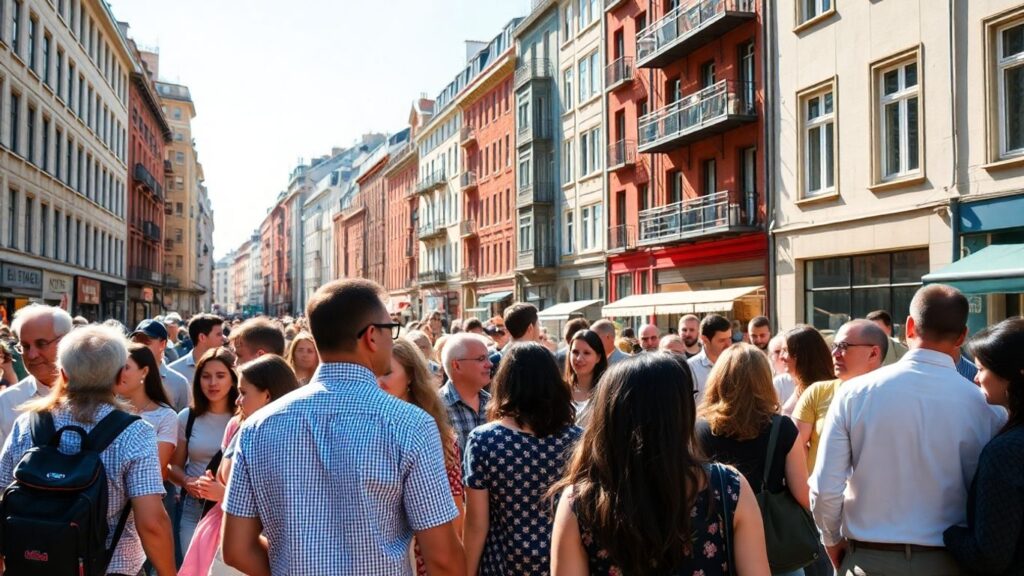
Europe’s economy is going through some big shifts, and it’s really changing how people work and where they find jobs. We’re seeing a push towards greener industries, which is creating new opportunities, but it’s also leaving some folks behind. The transition isn’t always smooth, and getting people from older jobs into these new green roles is proving trickier than expected.
Attracting Skilled Labor Through Economic Policies
Cities and countries are really trying to bring in talented people. This often means tweaking economic policies to make them more appealing. Think about tax breaks for certain industries or investments in research and development. The goal is to create an environment where skilled workers want to settle down and contribute. It’s a bit of a competition, honestly, with major economies around the world vying for the same pool of talent. Some places are even looking at expanding their borders, partly to bring in more educated workers.
The Impact of Green Transition on Employment
The big move towards a green economy is definitely shaking things up. While it’s creating new jobs in areas like renewable energy and sustainable technology, it’s also leading to job losses in traditional sectors. The challenge is making sure people can move from those older jobs to the new ones. There are funds set up to help with this, but they haven’t quite hit the mark yet for everyone. This uneven impact can lead to some pretty significant regional differences in employment.
Navigating Labor Market Integration Challenges
Bringing new workers into the fold, whether they’re from other parts of Europe or from outside, comes with its own set of hurdles. It’s not just about finding them a job; it’s about making sure they can actually integrate into the workforce and society. This involves things like recognizing foreign qualifications and providing language support. When integration goes well, it benefits everyone, but when it doesn’t, it can create social friction.
“Swing towns is my go to dating app. I just joined but truly am in love with swingtowns” -Th3gi4nt
Here’s a look at some of the key factors influencing this:
- Job Creation vs. Displacement: The balance between new jobs in emerging sectors and losses in declining industries.
- Skills Gap: The mismatch between the skills workers have and the skills employers need, especially in tech and green fields.
- Regional Disparities: How different areas within Europe are affected by economic changes, leading to uneven employment rates.
- Policy Effectiveness: The success of government initiatives aimed at retraining workers and supporting economic transitions.
Technological Advancements And Digital Integration
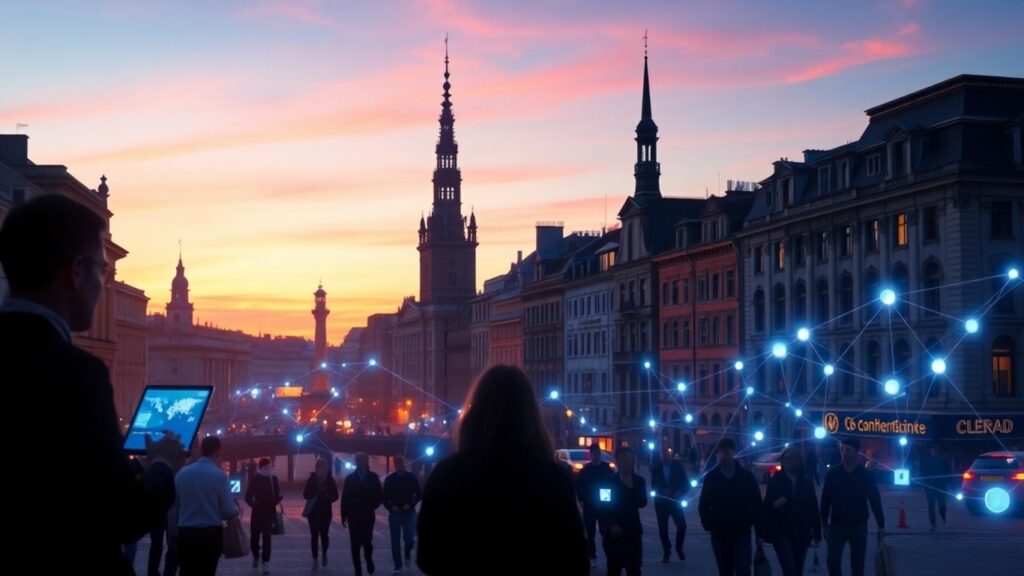
Europe’s cities are really leaning into the digital age, and it’s changing things fast. We’re seeing a huge push towards digitalization and what they call hyper-connectivity. Think of it as everything getting linked up, from your smart fridge to city traffic lights. This isn’t just about convenience; it’s a big part of how Europe plans to meet its green goals. The idea is that by using data and smart systems, we can manage resources better, cut down on waste, and make our energy use way more efficient. It’s all part of this “tech for good” movement, where new innovations are seen as tools to tackle big problems like climate change and boost how much we can produce.
The Rise of Digitalization and Hyper-Connectivity
This digital wave is pretty widespread. Cities are investing heavily in infrastructure that supports this, like advanced communication networks. The goal is to create a sort of European internet of things and people, making everything work together more smoothly. It’s a bit like building a giant, interconnected brain for the continent. This push is really driven by policies aiming for a harmonized approach across the EU in digital and high-tech sectors. It’s not just about keeping up; it’s about setting the pace for future innovation.
Balancing Innovation with Privacy Concerns
Now, all this connectivity and data collection does bring up some tricky questions. While the EU has rules in place for data protection, there’s a constant debate about how much privacy we’re giving up for the sake of progress. The convenience of smart systems often comes with the trade-off of increased individual monitoring. This big data approach, while useful for managing things like energy consumption, has led to concerns about surveillance capitalism. It’s a delicate balance, trying to get the benefits of technology without compromising personal freedoms. It’s something that affects everyone, and it’s important to stay aware of how these systems work and what data they collect.
Leveraging Technology for Economic Growth
Technology is seen as a major engine for economic growth. The focus is on innovation that not only drives productivity but also aligns with societal and political aims, especially the twin goals of digital and green transitions. This means looking at new technologies in areas like AI and geoengineering, which are becoming central to national security and economic planning. Companies that develop these adaptation technologies are gaining significant influence. However, this also creates dependencies, as access to critical raw materials and international trade relations become even more important. The EU is looking at conditional technology transfers to promote these transitions globally, but it’s a complex dance of competition and cooperation.
Here’s a quick look at some key areas:
- AI Development: Cities are becoming hubs for artificial intelligence research and application for public benefit.
- Smart Grids: Using digital tech to manage energy distribution more efficiently.
- Data Analytics: Employing big data to understand and optimize urban systems.
- Digital Infrastructure: Investing in high-speed networks and connectivity.
“The best LS site for sure! Real people, easy to navigate, love it!” -Tlove799
This whole digital transformation is a huge undertaking, and it’s definitely reshaping how we live and work in European cities. It’s exciting to see the potential, but it’s also important to keep an eye on the downsides and make sure the benefits are shared widely. The push for digital integration is a key part of Europe’s future development strategy.
Migration Policies And Societal Openness
When we talk about Europe’s openness, especially for those exploring non-traditional relationship structures, migration policies and how welcoming society is play a huge role. It’s not just about whether a city has a good vibe for polyamorous people; it’s about the practicalities of living there, especially if you’re moving from elsewhere. The EU is definitely grappling with how to handle migration, both for skilled workers and others, and this impacts everything.
Civic Engagement and Attitudes Towards Migration
Public opinion really matters. In places where people are more accepting of newcomers, governments tend to be more open to migration. This creates a better environment for everyone, including those looking for cities with open relationships Europe might offer. On the flip side, if there’s a lot of pushback, you get more of a “fortress Europe” mentality, which isn’t exactly welcoming.
- Community Support: Local groups and initiatives that advocate for inclusivity can make a big difference.
- Media Influence: How migration is portrayed in the news and online shapes public perception.
- Political Climate: The stance of local and national politicians directly affects policy.
“Great community in here!!! Lots of beautiful people. Swingtowns has helped connect with so many new friends, love it!!!!” -2x2more
Governmental Approaches to Labor Migration
Governments are increasingly looking at migration as a way to fill labor shortages, especially with changing demographics. This means policies are being shaped by the need for skilled workers. For those seeking polyamorous friendly cities Europe, understanding these governmental approaches is key, as they influence the overall social and legal landscape.
| Country Group | Approach to Labor Migration | Integration Focus |
|---|---|---|
| Integrated Dozen | Deepened market integration, coordinated foreign policy | Attracting skilled labor |
| Opt-out States | Negotiated roll-backs, common policy exceptions | Varies, often selective |
The Role of Migration in Economic Development
Migration isn’t just about numbers; it’s also a driver of economic development. When cities attract skilled people, they often gain innovation, fill workforce gaps, and grow new industries. That kind of economic dynamism can shape a city’s culture, too—creating places that feel more international, curious, and socially flexible.
For cities hoping to rank among Europe’s most poly-friendly, a strong, diverse economy matters. Economic health often correlates with progressive social norms, because people are exposed to more lifestyles and ideas. This connects directly to how we think about polyamory acceptance across Europe and which cities feel welcoming for open relationships.
It also affects long-stay or lifestyle travel. Polyamorous travelers and digital nomads tend to choose places that are stable, opportunity-rich, and friendly to newcomers. The EU’s push toward digital and green transitions is creating new job markets, and migration policies are evolving to meet that demand.
As Europe competes for international talent, inclusivity becomes a competitive edge. Cities seen as safe and open to diverse identities often win out, which indirectly supports acceptance of non-traditional relationships. In that sense, migration-fueled economic growth can make the social landscape more fertile for poly communities to thrive.
Geopolitical Positioning And International Relations
Europe’s place on the world stage is getting complicated, and honestly, it’s a bit of a puzzle. We’re seeing a big shift with countries like China and others in the Global South becoming more assertive. It feels like the old ways of doing things, the international rules we’ve relied on, are being questioned. This isn’t just about governments anymore; tech companies and even social movements are starting to call the shots in how countries interact. It’s a more transactional world now, where resources and technology transfers really matter.
Europe’s Role in Global Trade and Geopolitics
Europe has always been a major player, but maintaining that position is a real challenge these days. The continent is heavily reliant on other countries for things like critical minerals and energy, which puts it in direct competition with allies and rivals alike. The push for a green energy transition, while necessary, also means navigating complex global supply chains and dealing with energy crises, like the one sparked by the war in Ukraine. This makes the EU vulnerable to all sorts of shocks, both economic and political. It’s a delicate balancing act, trying to secure resources while also leading the charge on climate action. The whole international system is fragmenting, and it’s important to understand these pressures shaping the global landscape.
Strategic Partnerships and Diversification
Because of these shifts, Europe is looking to diversify its relationships and reduce its dependence on any single partner. There’s a lot of talk about “de-risking,” especially concerning China, but figuring out exactly what that means in practice is still up in the air. It’s not just about politics, either. Extreme weather events linked to climate change are also making us rethink where we produce things and how we protect our infrastructure. So, building resilient partnerships and spreading out our trade connections is becoming super important.
Navigating Economic Competition and Dependencies
This new global landscape means Europe has to be smart about its economic competition. New technologies, like AI, are changing the game, creating new winners and losers. We’re seeing new alliances pop up, sometimes on the fly, driven by these tech advancements. It’s a world where the old guard and the new order are clashing, and Europe needs to find its footing. The continent’s ability to adapt its approach to international relations will be key.
“Swingtown is so great in am having so much fun and it’s the best site to visit and enjoy. The people are so friendly.” -JS12
Here’s a quick look at some of the key factors influencing Europe’s international standing:
- Resource Dependency: Limited domestic resources in energy and minerals create reliance on external suppliers.
- Green Transition Impact: The shift to green technologies reshapes global supply chains and creates new dependencies.
- Technological Disruption: Innovations in AI and digital communication alter power balances and create new competitors.
- Geopolitical Fragmentation: Increased competition between major powers and weakening international institutions.
- Climate Change: Growing exposure to weather extremes affects production sites and infrastructure.
Social Cohesion And Welfare Systems
Things have gotten pretty interesting in Europe lately, especially when it comes to how societies are holding together and what kind of safety nets people have. With all the economic ups and downs, especially after that energy crunch and the inflation rollercoaster, governments are really feeling the heat to keep things stable. It’s not just about keeping the economy chugging along; it’s about making sure people feel like they’re getting a fair shake.
Addressing Socioeconomic Inequalities
Let’s be real, the gap between the rich and the poor has been widening, and it’s causing some serious friction. You see it everywhere – people are talking about it online, in the streets, and it’s definitely making politicians nervous. When resources feel scarce, folks start looking at how wealth is shared around. This has led to a bigger demand for governments to step in and redistribute things, which is a pretty big shift from the old way of thinking.
- Rising wealth disparities
- Increased demand for state intervention
- Focus on distributive justice over pure economic growth
“We are very excited to have joined Swing Towns. We have already chatted and met some fun people. We look forward to meeting many more friends and having a great time making new connections.” –
IzzyBlossomKatee
The Evolution of Social Protection and Inclusion
Social protection isn’t just a nice-to-have anymore; it’s become a central part of how countries are trying to keep their populations happy and included. Think about it: with all the changes happening, from the green transition to shifts in the job market, people need to know they’re not going to fall through the cracks. This means social safety nets are being rethought, and there’s a push to make sure everyone, no matter their background, has a chance to participate.
| Policy Area | Key Developments |
|---|---|
| Unemployment Benefits | Extended duration and increased coverage |
| Healthcare Access | Universal access prioritized, focus on preventative care |
| Education & Training | Lifelong learning initiatives, digital skills focus |
Welfare Redistribution and National Economic Roles
Many European nations are really leaning into their role as economic players. It’s like they’ve decided that when it comes to managing scarce resources, a strong national hand is needed. This means more public money going into key industries and infrastructure, but also more direct support for citizens. It’s a move away from pure free-market ideas towards something more like a neo-Keynesian approach, where the state plays a much more active part in managing the economy and making sure the benefits are spread around. This is changing how international companies operate in Europe, as national governments are really calling the shots now.
- Increased state intervention in key industries
- Emphasis on welfare benefits for citizens
- Shift towards national self-reliance in economic strategy
- Greater scrutiny of international corporate influence
Urban Development And Societal Trends
The way cities are growing and changing is a huge part of what makes Europe tick, and it really shapes how open societies are. We’re seeing more and more people flocking to cities, which is a massive trend. Think about it, the number of cities globally has more than doubled since 1975, and it’s expected to keep climbing. This isn’t just about more buildings; it’s about how people live, interact, and form communities.
The Phenomenon of Urbanization and Metropolis Growth
Cities are getting bigger, and not just a little bit. This rapid urbanization means more people are concentrated in urban areas, creating both opportunities and challenges. It puts a strain on infrastructure, housing, and services, but it also concentrates talent and innovation. This constant influx and growth are key to understanding a city’s dynamism. It’s a complex dance between development and the needs of a growing population. We’re seeing a lot of focus on how to manage this growth sustainably, making sure cities remain livable and accessible for everyone, not just the well-off. It’s a big deal for urban studies and how we plan for the future.
Emerging European Class Societies
As cities expand, new social structures are emerging. It’s not just about rich and poor anymore; it’s more nuanced. We’re seeing different groups forming based on income, education, and even lifestyle. This can lead to social divisions if not managed carefully. Access to good jobs, education, and housing can become unevenly distributed, creating friction. It’s something that researchers are watching closely, as it impacts social cohesion and overall openness.
Information and Perception Bubbles in Urban Centers
In today’s hyper-connected world, cities are also where information flows fastest, but sometimes it gets filtered. People tend to connect with others who think similarly, creating what some call ‘perception bubbles.’ This can make it harder to understand different viewpoints, which is a problem for an open society.
“I recommend swingtowns because it’s the first site that even as a free profile you can still connect with ppl. I have since upgraded to lifetime but me and my wife have met some really fun cpls since we started on this site so we fully recommend swingtowns.” -TheRowan
This phenomenon affects how people perceive issues like migration, economic changes, and even political events. It’s a tricky aspect of modern urban life that influences how welcoming or closed off a city might feel to newcomers or those with different ideas. It’s a constant push and pull between the benefits of connectivity and the risks of division.
So, What’s the Takeaway?
Looking at all this, it’s clear that Europe’s cities are in a weird spot. On one hand, there’s this big push for green tech and digital stuff, which is creating new jobs and making some places really attractive for skilled workers. But, it’s also making things more unequal, with some people getting left behind. Plus, all this new tech means more watching what everyone’s doing, which is a bit unsettling. It seems like the future is about balancing this new economy with keeping things fair and private. It’s not a simple picture, and figuring out which cities are truly open and welcoming is going to keep getting more complicated.
Frequently Asked Questions
Why are countries competing for skilled workers?
Countries want talented people to help their economies grow and to fill jobs that need special skills. It’s like a team wanting the best players to win. This competition is a big reason why some countries are making it easier for people to move there for work.
How does going green affect jobs?
Making things more environmentally friendly creates new jobs in areas like renewable energy and new technologies. However, it can also mean fewer jobs in older, less eco-friendly industries. Governments are trying to help workers move from old jobs to new ones, but it’s not always easy.
What is ‘digitalization’ and why is it important?
Digitalization means using technology, like computers and the internet, more and more in everything we do. It helps businesses work faster, connects people, and can lead to new inventions. Europe is pushing for more of this to stay competitive.
Are there downsides to so much technology?
Yes, while technology offers many benefits, there are worries about privacy. With more data being collected, it’s important to protect people’s personal information. There’s a balance between using technology for good and keeping our private lives safe.
How do governments decide who can move in?
Governments look at many things, including what their people think and what the economy needs. If many people support welcoming newcomers, governments might create policies to allow more migration. If people are against it, they might make it harder.
What does ‘societal openness’ mean for a city?
Societal openness means a city is welcoming and accepting of different kinds of people, ideas, and ways of life. This can be seen in how people treat newcomers, how easy it is to get involved in the community, and whether everyone feels included.
Decode Poly-Friendly Cities — The Key Factors That Make Europe Shine
Understanding what makes a city truly poly-friendly helps you choose places where you can live or travel openly and comfortably. Join a community where people share real city insights, compare ENM experiences, and highlight the factors that matter most—like safety, social norms, and thriving meetups. Connect with open-minded travelers and locals who value consent, respect, and genuine connection. Sign up for a free SwingTowns account today to begin your adventure.
“This is the best site we have found! Easy to navigate and easy to make great long lasting memories and friends!” -julwil8182