Colorism & Fetishization: The Unspoken Issues in Poly Dating
Polyamory, with its emphasis on open communication and multiple relationships, offers a unique space for exploring connection. However, beneath the surface of this relationship style, unspoken issues like colorism and fetishization can quietly shape experiences. This article looks at how these biases appear in poly dating, the harm they cause, and what we can do to build more fair communities for everyone.
Key Takeaways
- Society shapes beauty standards that influence our attraction to others, allowing colorism to affect partner choices even in poly relationships.
- Fetishization turns attraction into objectification, reducing people to racial stereotypes instead of seeing them as whole individuals.
- In poly dating, people often reflect colorism in their partner choices, and fetishize others by treating them as curiosities instead of genuine partners.
- Having multiple partners can make existing biases worse and create communication problems if not handled with care.
- Building fairer poly communities means getting real about our biases, talking openly, and actively working against prejudice in our dating lives.
Understanding Colorism in Polyamorous Relationships
Colorism, often discussed in broader societal contexts, takes on a unique and sometimes amplified role within polyamorous dating spaces. It’s not just about skin tone, though that’s a big part of it. We’re talking about how societal beauty standards, which heavily favor lighter skin and certain features, can influence who people are drawn to, even when they’re actively seeking multiple partners. This isn’t about having preferences; everyone has those. The issue arises when these preferences are rooted in or perpetuate racial bias in polyamory, leading to the exclusion or devaluation of individuals based on their race or ethnicity. It’s a subtle but pervasive force that can shape partner selection in ways that mirror, and sometimes worsen, the biases found in monogamous dating. We need to be honest about how these ingrained biases affect our choices, even when we aim for openness and inclusivity.
Defining Colorism Beyond Skin Tone
Colorism isn’t just about preferring lighter skin. It extends to hair texture, facial features, and even perceived cultural associations. It’s about a hierarchy of desirability that often aligns with Eurocentric beauty ideals, impacting how people of color are viewed within and outside their own communities.
The Impact of Societal Beauty Standards
We’re bombarded with images and messages that tell us what’s beautiful. These standards, often rooted in historical power imbalances, can unconsciously shape our attractions. In polyamory, where the dating pool might seem larger, these biases can still lead to patterns of exclusion if not actively challenged.
Navigating Preferences vs. Prejudice
It’s a fine line. Having a preference for certain traits is natural. However, when those preferences consistently exclude entire groups of people based on their race or ethnicity, it crosses into prejudice. Recognizing this distinction is key to building more equitable connections.
“Great community in here!!! Lots of beautiful people. Swingtowns has helped connect with so many new friends, love it!!!!” -2x2more
Fetishization: When Attraction Becomes Objectification
It’s easy to get attraction and fetishization mixed up, especially when we’re talking about dating. We all have preferences, right? Some people like blondes, others prefer brunettes. But when does a preference cross the line into something more problematic, like fetishization? It’s a tricky area, and in polyamory, where you might be dating multiple people, these lines can get even blurrier.
The Line Between Appreciation and Fetishization
Appreciation is when you genuinely admire someone’s culture, background, or physical traits. It’s about seeing the whole person and valuing their unique qualities. Fetishization, on the other hand, is when someone’s attraction becomes narrowly focused on a specific trait, often a racial or ethnic one, to the point where the person is reduced to that single characteristic. It’s like seeing someone not as a complex individual, but as a walking embodiment of a stereotype. This reductionist view strips away a person’s humanity. For example, someone might be really into a specific hair texture or eye shape, but if that’s the only thing they seem to notice or talk about, it’s a red flag. It’s not about liking a certain look; it’s about reducing a person to a fetish object.
Deconstructing Racial Fetishes
Racial fetishes are a big part of this conversation. They often stem from harmful stereotypes and historical power imbalances. Think about how certain racial groups have been exoticized or hypersexualized in media and popular culture. These stereotypes can seep into our personal attractions, leading people to seek out partners based on a fetishized idea of their race rather than genuine connection. It’s important to recognize that these fetishes aren’t just harmless quirks; they can perpetuate damaging stereotypes and cause real harm to the people who are objectified. It’s a complex issue, and understanding the roots of these attractions is a good first step toward dismantling them.
The Harm of Exoticization
Exoticization is a form of fetishization that specifically targets people from non-Western or marginalized backgrounds. It’s the idea that someone or something is fascinatingly different or unusual because of their foreignness. When applied to people, it means seeing them as inherently more interesting or desirable because of their race or ethnicity, but not in a way that respects their full identity. It’s like saying, “Wow, you’re so exotic!” without really knowing anything about them. This can feel really invalidating and dehumanizing. It implies that their appeal comes from being an outsider, a curiosity, rather than from who they are as a person. This can lead to people feeling like they’re constantly being viewed through a lens of otherness, which is exhausting and damaging. It’s a subtle but pervasive form of prejudice that can really impact how people feel about themselves and their place in the world.
“We are very excited to have joined Swing Towns. We have already chatted and met some fun people. We look forward to meeting many more friends and having a great time making new connections.” –
IzzyBlossomKatee
Colorism and Fetishization in Polyamorous Dating Spaces
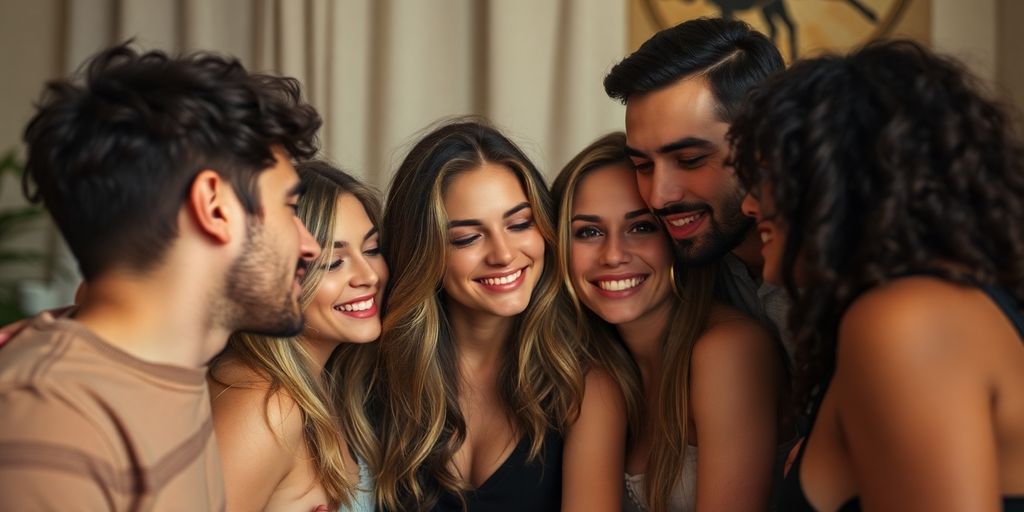
It’s a tough reality that in polyamorous dating spaces, colorism and fetishization can really mess things up. When people are looking for partners, sometimes their preferences get tangled up with societal ideas about who is desirable. This can mean that people of color, especially those who don’t fit a narrow beauty standard, get overlooked or, worse, fetishized. It’s not just about skin tone, either; it’s about how certain features or cultural associations get turned into something sexualized, stripping away a person’s full humanity. This is a big part of the interracial dating challenges poly folks face, where the dynamics of multiple relationships can amplify these issues.
How Colorism Manifests in Partner Selection
Colorism often shows up in subtle ways when people are choosing partners. You might see a pattern where certain racial or ethnic groups are consistently preferred over others, even when individuals within those groups have diverse personalities and looks. It’s like there’s an unspoken hierarchy at play, influenced by media and historical biases. This can lead to a situation where some people feel like they’re constantly competing against an invisible standard, and it’s exhausting.
The Role of Fetishization in Polyamory
Fetishization, particularly fetishizing people of color dating, can be a major problem. Instead of seeing someone as a whole person with unique interests and feelings, they become reduced to a racial or ethnic stereotype. This can manifest as an intense, often superficial, focus on specific physical traits or perceived cultural attributes. It’s not genuine attraction; it’s an objectification that can feel dehumanizing and deeply invalidating for the person being fetishized.
Experiences of Marginalized Individuals
People from marginalized racial and ethnic backgrounds often have to deal with both colorism and fetishization in poly dating. They might find themselves being pursued solely for their race, or conversely, being ignored because they don’t fit a particular fetishized mold. This can make building genuine connections incredibly difficult and lead to feelings of isolation within communities that are supposed to be about open-mindedness and acceptance. It’s a constant battle to be seen and valued for who you are, not for a stereotype.
“I recommend swingtowns because it’s the first site that even as a free profile you can still connect with ppl. I have since upgraded to lifetime but me and my wife have met some really fun cpls since we started on this site so we fully recommend swingtowns.” -TheRowan
The Unique Challenges in Polyamory
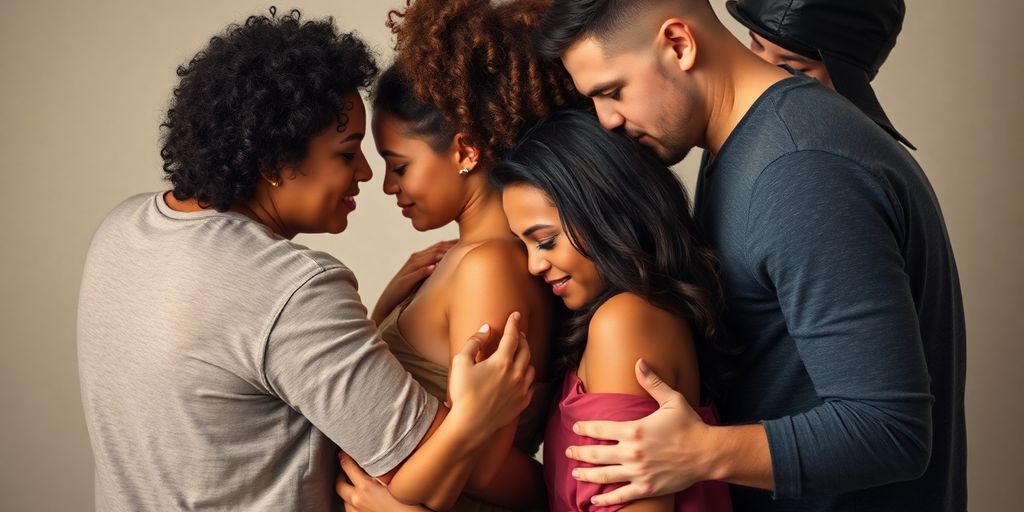
Polyamory, with its emphasis on open communication and multiple relationships, can sometimes amplify existing societal biases, including colorism and fetishization. It’s not just about finding one partner; it’s about managing connections with several, and that’s where things can get complicated.
Multiple Partners, Amplified Biases
When you’re dating multiple people, biases you might not even realize you have can pop up more often. If someone has a preference for partners of a certain race, and they’re dating several people, this preference can become more apparent and potentially hurtful. It’s like having a spotlight on unconscious biases. This can lead to a form of discrimination in non-monogamy where certain individuals feel consistently overlooked or chosen based on stereotypes rather than genuine connection. It’s easy to fall into patterns, and with more partners, those patterns can become more entrenched.
Communication Breakdowns and Unmet Needs
In polyamory, clear communication is key. But when colorism or fetishization is at play, communication can really break down. Someone might feel fetishized for their race, leading to conversations where they feel objectified rather than seen. Conversely, someone might express a preference that’s rooted in colorism, and if their partners aren’t equipped to discuss it openly, those feelings can fester. This can create a cycle of unmet needs and misunderstandings. It’s tough when you want to be honest about your attractions but also don’t want to cause harm or perpetuate harmful ideas.
The Pressure to Be ‘Open-Minded’
There’s often an expectation in polyamorous communities to be super open-minded and accepting of different relationship styles and attractions. While this is generally a good thing, it can sometimes create a situation where people feel they can’t voice concerns about colorism or fetishization without being seen as judgmental or not ‘poly-enough.’ It can feel like you have to accept certain preferences, even if they feel rooted in prejudice, because the alternative is being seen as rigid or unaccepting. This pressure can silence important conversations and make it harder to address the real issues.
Building More Equitable Polyamorous Communities
Building truly equitable polyamorous communities means we all have to do some work. It’s not just about saying you’re open-minded; it’s about actively creating spaces where everyone feels seen and respected, regardless of their background or how they look. This is especially important when we talk about multicultural polyamorous relationships.
Fostering Self-Awareness and Education
We all have biases, whether we admit it or not. The first step is just acknowledging that. Think about your own preferences – where do they come from? Are they genuine attractions, or are they influenced by societal messages about who is considered desirable? Reading up on colorism and fetishization is a good start. It helps you see how these issues pop up in dating, even in communities that aim to be progressive. It’s about looking inward and being honest with yourself.
Developing Healthy Communication Strategies
When you’re dating multiple people, communication gets complicated fast. Add in issues like colorism and fetishization, and it can get even messier. It’s important to talk openly about desires, boundaries, and any discomfort. This means being able to say, “Hey, I feel like this preference might be rooted in something problematic,” or “I’m not comfortable with that kind of talk.” Active listening is key here; really hear what your partners are saying without getting defensive. Clear, honest conversations are the bedrock of healthy poly relationships.
Challenging Biases in Practice
Talking is one thing, but doing is another. How do we actually change things? It means being mindful of who we’re pursuing and why. That could involve consciously broadening your dating pool beyond familiar preferences. It also requires speaking up when you witness bias—whether in a passing comment or a recurring pattern within a poly group. We need to call out problematic behavior, not just let it slide because we want to avoid conflict. This creates a safer environment for everyone, especially those who are often marginalized.
Personal Narratives and Lived Experiences
It’s one thing to talk about colorism and fetishization in theory, but hearing from people who have actually lived it? That hits different. These personal stories really bring home the impact these issues have on individuals trying to build connections in polyamorous communities. It’s not just abstract concepts; it’s about real feelings and experiences.
Stories of Colorism and Fetishization
Many people shared how their racial or ethnic background became a focal point, not in a way that felt like genuine appreciation, but more like a checklist item or a stereotype. Someone mentioned being constantly asked about their ‘exotic’ background, which felt less like curiosity and more like they were being reduced to a caricature. Another person talked about how preferences for certain skin tones seemed to dominate dating profiles, making it hard for those outside that narrow ideal to even get noticed. It’s like certain features become fetishized, and if you don’t fit that mold, you’re often overlooked.
Resilience and Empowerment in Polyamory
Despite these challenges, there’s a lot of strength and resilience within the polyamorous community. People are finding ways to push back against these biases. Some are actively seeking out partners who see them beyond stereotypes, while others are creating spaces where these conversations can happen openly. Finding community and support is a big part of this. It’s about reclaiming narratives and building relationships based on mutual respect and genuine connection, not on prejudiced ideas.
Seeking Support and Validation
It can be really isolating to experience colorism or fetishization, especially when you feel like you can’t talk about it. Finding others who understand can make a huge difference. This might mean connecting with other people of color in polyamory, joining online groups, or even talking to a therapist who gets the nuances of these issues. Validation is key; knowing that your feelings are real and that you’re not imagining things is a powerful step toward healing and building healthier relationships.
Moving Forward
So, where does this leave us? It’s clear that the world of polyamory, like any relationship style, isn’t immune to the biases we carry. Recognizing how colorism and fetishization can creep into our dating lives, even unintentionally, is the first step. It means being honest with ourselves and our partners about preferences and attractions, and questioning where those preferences come from. Open conversations are key, even when they feel a little awkward. Ultimately, building a polyamorous community that truly embraces inclusivity means actively working against these harmful patterns, making sure everyone feels seen and desired for who they are, not for a stereotype or a skin tone. It’s a continuous effort, but a necessary one if we want our relationships to be as honest and equitable as possible.
Frequently Asked Questions
What exactly is colorism in dating?
Colorism is when people favor lighter skin tones over darker ones. In dating, this can mean people with lighter skin are often seen as more attractive, even without realizing it. It’s like a hidden bias that affects who people are drawn to.
How is fetishization different from just liking certain features?
Fetishization happens when someone sees a person or a group of people as an object of sexual interest based on their race or other traits, rather than seeing them as a whole person. It’s like reducing someone to just one part of who they are, often based on stereotypes.
Why are these issues especially tricky in polyamory?
In polyamory, having multiple partners can make these issues more noticeable. If someone has a preference for lighter skin or fetishizes certain racial groups, this bias might show up more often when they’re looking for or interacting with different partners.
What’s it like for people of color experiencing this in poly dating?
It can be tough. People might feel like their race is being focused on in a way that isn’t genuine, or that their partners aren’t truly seeing them. This can lead to feeling misunderstood or like they’re just fulfilling a stereotype.
How can someone avoid falling into colorism or fetishization?
It’s important to be honest with yourself about why you’re attracted to certain people. Think about whether your preferences are based on genuine connection or on stereotypes you might have picked up. Talking openly with partners about these feelings is also key.
How can polyamorous communities become more fair and inclusive?
Building better poly communities means being aware of these biases and actively working against them. This involves educating ourselves, having honest conversations, and making sure everyone feels respected and valued for who they are, not just for how they look or fit into a stereotype.
Real Talk, Real Connections – Where Every Shade Finds Joy and Belonging
Tired of navigating the silence around colorism and fetishization in poly spaces? You’re not alone—and you don’t have to settle. Join a community that values real conversations, genuine connection, and the full spectrum of your identity. Sign up for a free SwingTowns account today and find a space where you can show up fully and be met with respect, joy, and curiosity.
“Swing towns is my go to dating app. I just joined but truly am in love with swingtowns” -Th3gi4nt