
Polyamory at Home: What Cohabitation Looks Like Day to Day
Thinking about moving in with your polycule? It’s a big step, and honestly, it’s not always as simple as it looks in the movies. Many people believe the ‘ideal’ poly life means everyone living under one roof, sharing everything like a big family. But the reality? That setup can be super tough to keep going. This guide, Polyamorous Cohabitation 101: What It Really Looks Like Day to Day, dives into what living together actually involves, from daily routines to handling money and disagreements. We’ll explore different ways people make it work, because there’s no single right way to do poly family life.
Key Takeaways
- Living together in a polyamorous setup can take many forms, not just ‘all under one roof.’
- Shared meals and chores are common, but agreeing on how to do them can be tricky.
- Balancing personal space and time with togetherness is a constant negotiation.
- Financial arrangements, from pooling resources to maintaining independence, need clear discussion.
- Strong communication, flexibility, and setting boundaries are vital for any poly cohabitation to succeed.
Navigating Polyamorous Cohabitation: What It Really Looks Like Day to Day

Moving in together when you’re polyamorous isn’t quite like the traditional “next step” many couples take. It’s more like building a whole new kind of neighborhood, sometimes within the same four walls, sometimes just next door. The idea of “polyamory” itself is about consensual relationships with multiple people, and when that moves into shared living spaces, things get interesting. It’s not just about who does the dishes; it’s about how you build a shared life that respects everyone’s individual needs and connections.
Understanding Different Living Arrangements
When polyamorous folks decide to live together, it rarely looks like a single, monolithic setup. People get creative! You might see a “triad” where three people share a home, or a “quad” with four. But it’s not always “all under one roof.” Some couples or individuals might opt for co-housing, where they live in separate dwellings but are very close, sharing meals and social time regularly. Then there’s the “adjacent living” model, like two couples buying adjacent properties and building a life that’s both shared and separate. The key is finding a structure that supports all the relationships involved.
The ‘Shared Custody’ Model Explained
This model is becoming more common, especially for those in “V” relationships (one person dating two others who aren’t dating each other). It’s like shared custody for kids, but for partners. Someone might live primarily in one home but spend significant, structured time at another, often contributing to expenses and chores in both places. It can be a way to maintain deep connections with multiple partners without the intense demands of a single, shared household. It requires a lot of coordination, though, and people often find they naturally lean more towards one home than the other, even with the best intentions.
Exploring Multi-Household Dynamics
Living in multiple households, even if they’re physically close, brings its own set of considerations. How do you manage shared resources when they’re spread across different addresses? What are the expectations around time spent in each home? It’s about creating a network of support and connection that doesn’t rely on constant proximity. This often involves clear agreements about finances, shared responsibilities, and how individual relationships are nurtured within the larger polycule. It’s a way to honor the complexity of multiple loving connections while still maintaining personal autonomy and space. For more on the basics of polyamory, you can check out this explanation of polyamory.
Daily Life and Routines in Polyamorous Homes
When multiple partners decide to share a living space, the rhythm of daily life can shift quite a bit. It’s not just about having more people around; it’s about how those people interact, share responsibilities, and carve out space for themselves within a shared environment. This is where the rubber meets the road for non-monogamy at home, and it’s often a mix of planned routines and spontaneous adjustments.
Shared Meals and Household Chores
Food and chores are big ones. Who cooks? Who cleans? What do we eat? These questions come up constantly. Some polycules find success by setting up a rotating cooking schedule, while others might designate a specific person for meal prep on certain days. For chores, it can be similar – assigning tasks or having a shared chore chart. Sometimes, a household might decide one person handles most of the domestic work in exchange for financial support, freeing them up for childcare or personal projects. It’s about finding a system that feels fair to everyone involved. If diets clash, like one person being vegan and another a carnivore, shared meals might focus on a base that everyone can eat, with individuals adding their own extras. It takes some planning, but it’s doable.
Balancing Privacy and Togetherness
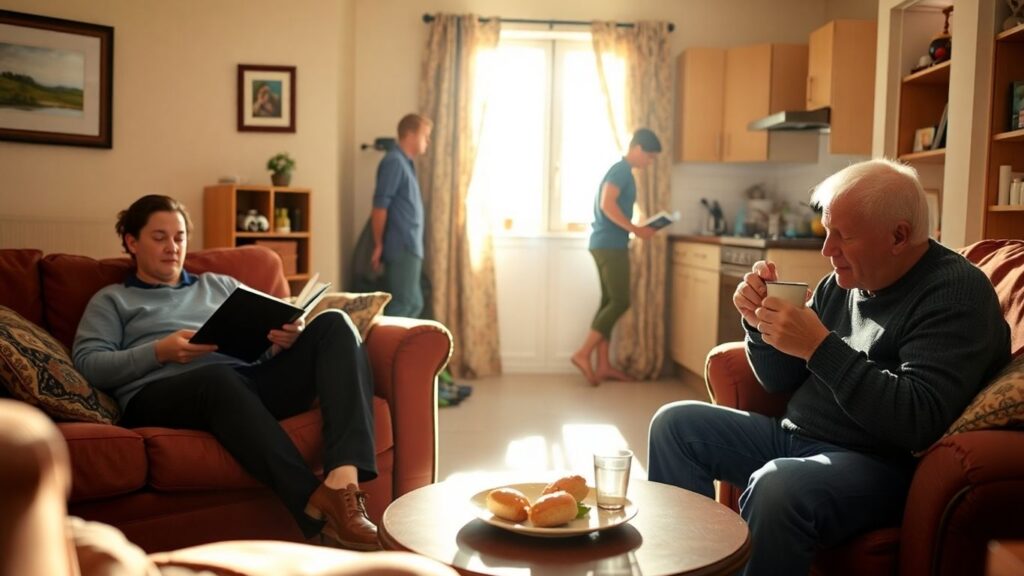
This is a tricky balance. Living together means more shared time, but everyone still needs their own space and downtime. The key is establishing clear boundaries around personal time. This could mean having dedicated quiet hours, ensuring everyone has a private room or a designated nook for solitude, or simply having a system for asking for alone time without guilt. It’s about respecting each other’s need to recharge, whether that’s reading a book in your room or going for a solo walk. The daily life in a polycule often involves a lot of communication about these needs, making sure no one feels overwhelmed or neglected.
Managing Personal Space and Time
Beyond just privacy, managing personal space and time is about respecting individual autonomy within the shared home. This might involve discussions about how much time is spent with each partner, or how much time is dedicated to individual hobbies or friendships outside the polycule. For example, if one partner wants to go out with friends, is that okay, or are other partners expected to join? Do you have a schedule for who sleeps where, or is it more fluid? Some poly families use a system where each relationship gets dedicated
Financial Considerations in Polyamorous Cohabitation
Money stuff can get complicated fast when you’re managing polyamorous relationships, especially when you’re sharing a living space. It’s not just about splitting bills; it’s about how you value each other’s contributions, both financially and otherwise. Thinking through finances before you move in together is a really smart move.
Pooling Resources and Freedom Funds
Some poly families decide to pool all their income. This can simplify things, especially if you’re saving for a big goal like buying a house. Everyone contributes what they can, and the money is used for the household’s needs. On the flip side, there’s the idea of a ‘freedom fund.’ This is basically a shared savings account set up for emergencies, like if someone needs to move out quickly. It’s like a safety net, giving everyone a bit of security and the ability to leave a bad situation without worrying about being homeless.
- Freedom Fund Goal: Enough saved for moving expenses and a couple of months’ rent.
- Purpose: Provides a financial escape hatch.
- Benefit: Reduces pressure to stay in an unhealthy living situation.
Navigating Shared Expenses
When you’re living together, there are always shared costs. This could be rent or mortgage, utilities, groceries, and household supplies. Figuring out who pays for what can be a sticking point. Some people split everything equally, while others might contribute based on their income. It’s also important to talk about what counts as a ‘shared’ expense. For example, does one person’s car payment count, or just the shared internet bill?
Here’s a simple way to think about it:
- Housing Costs: Rent/mortgage, property taxes.
- Utilities: Electricity, gas, water, internet.
- Household Goods: Groceries, cleaning supplies, toiletries.
- Shared Entertainment: Streaming services, occasional outings.
Financial Independence Within the Household
Even when pooling resources or sharing expenses, maintaining some level of financial independence is often important. This means having your own personal spending money that you don’t have to account for to everyone else. It allows for individual hobbies, personal gifts, or just a bit of autonomy. It can prevent feelings of resentment if one person feels like they have to ask permission for every little thing they buy.
“The best LS site for sure! Real people, easy to navigate, love it!” -Tlove799
Financial disagreements are a common reason poly families break up. It’s not always about the amount of money, but about the perceived fairness and control. Having clear agreements about finances, and revisiting them regularly, can help prevent a lot of heartache.
Challenges and Solutions in Polyamorous Family Living
Living together in a polyamorous household can be amazing, but let’s be real, it’s not always sunshine and rainbows. There are definitely some bumps in the road, and figuring out how to smooth them out is key to making it work long-term. One of the biggest hurdles often comes down to the simple, everyday stuff: housework, food, and personal space. Think about it – when you’re sharing a living space with multiple partners, even small differences in habits can become major points of friction. One person might be a total neat freak, while another is more laid-back about clutter. This can lead to resentment pretty quickly if not addressed. Some families try to solve this by hiring help, but that’s not always an option. Others might agree that one person handles most of the chores in exchange for financial support, which can work if everyone’s on board.
Food can be another surprisingly tricky area. Dietary needs, preferences, and even allergies can make shared meals a logistical puzzle. Imagine trying to plan a grocery list when one person is vegan, another is gluten-free, and someone else just really wants to eat pizza every night. It can get complicated fast. A common approach is to focus on meals everyone can eat together, and then individuals can buy their own special treats with their own money.
Addressing Conflicts Over Housework and Habits
Disagreements about cleanliness and chores are super common. It’s easy for one person to feel like they’re doing all the work, or that their standards aren’t being met. Openly discussing expectations is the first step. Maybe you create a chore chart, or maybe you decide to hire a cleaning service if your budget allows. The goal is to find a system that feels fair to everyone involved.
Resolving Disagreements on Food and Diets
Meal planning in a polyamorous household can be a real test of patience. It’s important to acknowledge that everyone has different needs and tastes. Some families find success by having a few go-to meals that everyone enjoys, while others rotate cooking duties so each person gets a chance to bring their favorite dishes to the table.
In larger constellations, shared calendars or group chats can help coordinate who’s cooking when, what ingredients are needed, and which nights are better for leftovers or simple meals. This kind of structure prevents misunderstandings and reduces the stress of last-minute decisions.
It also helps to build a culture of flexibility. Not every meal has to include everyone, and that’s okay. Some partners might grab dinner together while others eat later or prefer something different. As long as everyone’s needs are communicated and respected, mealtimes can become a grounding ritual rather than a source of frustration.
Keys to Sustainable Polyamorous Cohabitation

So, you’re thinking about taking the plunge and living with multiple partners. It sounds like a dream, right? More love, more support, more hands for chores. But let’s be real, making it work long-term takes more than just good intentions. It’s about building a solid foundation, brick by careful brick.
The Importance of Compatibility and Flexibility
First off, compatibility is huge. It’s not just about liking the same movies or sharing a laugh. You need to be on the same page about the big stuff: finances, how you want to raise kids if that’s in the picture, and even how you handle disagreements. Think of it like this: if one person is a meticulous planner and another is a go-with-the-flow type, living together can get messy fast. You’ve got to find people whose general life philosophies mesh well with yours.
And then there’s flexibility. Life throws curveballs, and polyamorous households are no exception. Someone might lose their job, a parent might get sick, or a new relationship might blossom. Being able to bend, adapt, and compromise without resentment is absolutely key. Rigidity is the enemy of long-term cohabitation.
Developing Strong Communication and Boundaries
This is where the rubber meets the road. You can’t just assume everyone knows what you’re thinking or feeling. Regular, open conversations are non-negotiable. This means checking in with each other, talking about needs, and airing grievances before they fester.
Boundaries are just as important. What does privacy look like for each person? How much time is dedicated to individual relationships versus group time? Having clear, agreed-upon boundaries prevents misunderstandings and helps everyone feel respected and secure. It’s about creating a structure that supports both individual autonomy and the collective household.
Here are some areas where clear boundaries are often needed:
- Personal Space: Designating private areas or times.
- Time Management: Scheduling individual dates versus group activities.
- Decision Making: Establishing how household decisions are made.
- Conflict Resolution: Agreeing on a process for addressing disagreements.
Strategies for Long-Term Success
Beyond the basics, what else helps a poly household thrive? Many successful poly families find that having a shared vision or goal can be incredibly unifying. This could be anything from saving for a down payment on a house to working on a community project together.
“Great community in here!!! Lots of beautiful people. Swingtowns has helped connect with so many new friends, love it!!!!” -2x2more
Finally, don’t be afraid to seek outside help. Sometimes, a neutral third party, like a therapist specializing in polyamory or relationship counseling, can provide invaluable insights and tools for navigating complex dynamics. It’s not a sign of failure, but a proactive step towards building a stronger, more resilient family unit.
Variations on Polyamorous Living Together
When we talk about Polyamorous Cohabitation, it’s easy to picture everyone under one roof, like a big, blended family. And sure, that’s one way to do it! But honestly, it’s not the only way, and for many, it’s not the most practical. The idea of living with multiple partners in a single household is often held up as the ultimate goal, but the reality is that it’s super challenging to pull off long-term. Most people find that the day-to-day stuff – like who does the dishes, how we spend money, or even just needing some quiet time alone – becomes a huge hurdle.
The ‘All Under One Roof’ Ideal
This is the picture many people have in their heads: a group of adults living together, sharing everything from meals to finances, like a modern-day commune or an expanded nuclear family. It sounds romantic, right? But the truth is, this setup often crashes and burns. It demands a level of compatibility, flexibility, and constant negotiation that most folks just aren’t prepared for. Think about it: different sleep schedules, food preferences, personal habits, and varying needs for privacy can quickly lead to friction. It’s not that people are bad at polyamory; they’re often just finding that group living itself is tough, even for people who aren’t romantically involved.
Co-Housing and Adjacent Living
So, what happens when the ‘all under one roof’ model feels too intense? People get creative! Co-housing or living in adjacent spaces is a popular compromise. This could mean two houses on the same property, a duplex where partners live in separate units, or even just houses right next door to each other. It allows for a lot of togetherness – shared meals, hanging out, maybe even sleeping over sometimes – but also provides that much-needed personal space. It’s like having your cake and eating it too, offering both community and autonomy.
Part-Time Cohabitation Models
Another common approach is what some call the ‘shared custody’ model. This is where partners might live together part-time, splitting their time between different residences. For example, one partner might live primarily with Partner A, but spend several nights a week with Partner B in their separate home. Or, a triad might have one person living with each of the other two, rotating their time. This allows for deep connections and family-like bonds while still respecting individual needs for space and privacy. It’s a way to experience the benefits of Polyamorous Cohabitation without the constant intensity of living together 24/7.
“Swingtown is so great in am having so much fun and it’s the best site to visit and enjoy. The people are so friendly.” -JS12
Wrapping It Up
So, what does polyamory at home really look like day to day? It’s clear there’s no single answer, and that’s kind of the beauty of it. Whether it’s two couples sharing a property, a triad under one roof, or a “shared custody” setup with separate spaces, the common thread is communication. Figuring out chores, money, and personal time takes serious effort. It’s not always smooth sailing, and sometimes things just don’t work out, which is okay too. But for those who make it work, the rewards of shared lives and deeper connections can be pretty amazing. It’s about building a life together, in whatever form that takes, with honesty and a whole lot of talking.
Frequently Asked Questions
What are the different ways people live together in polyamorous relationships?
People live together in polyamorous relationships in many ways! Some live all under one roof, like a big family. Others might live in separate houses that are very close, like a duplex or houses on the same lot. Sometimes, people split their time between two different homes, kind of like having two main places to stay.
What is the ‘shared custody’ model for polyamorous living?
The ‘shared custody’ model is when partners spend time living in two different homes. It’s like how kids might split time between two parents’ houses after a divorce. This lets people have the closeness of living together sometimes, but also their own private space at other times. It can help make things work even if everyone’s daily habits or ideas about chores are a bit different.
What are common problems when polyamorous people live together?
Living together can bring up issues, no matter how many people are involved. Common problems in poly homes include disagreements about chores, who cleans what, and how to divide up household tasks. It can also be tricky to agree on food, diets, and grocery shopping. Managing personal space and making sure everyone gets enough alone time is another big one.
How do polyamorous families handle money?
Money can be a big topic. Some poly families decide to pool all their money together to pay for shared expenses like rent and food, often saving up for bigger goals. Others prefer to keep their finances separate, maybe having a ‘freedom fund’ just in case they need to move out. It really depends on what the group agrees on.
Is it hard for more than three people to live together in a polyamorous household?
Many people find that living together with more than three adults in one household can be really challenging to keep going long-term. It takes a lot of effort for everyone to get along, be flexible, and communicate well about all the different needs and habits. Sometimes, it’s easier for smaller groups to find a rhythm that works.
What makes polyamorous cohabitation successful?
Success in polyamorous living together usually comes down to a few key things. Being really compatible with the people you live with is a huge help. Being flexible and willing to compromise is super important, as is having great communication skills. Setting clear boundaries and respecting each other’s needs also makes a big difference.
Live Together, Love Together — A Real Look at Poly Cohabitation
Sharing a home in a polyamorous constellation brings unique joys and challenges, and it helps to learn from others who’ve walked the path. Join a community where people share lived experiences, practical advice, and thoughtful guidance on cohabiting with multiple partners. Explore what day-to-day life can look like when connection, communication, and care are at the center. Sign up for a free SwingTowns account today to begin your adventure.
“Swing towns is my go to dating app. I just joined but truly am in love with swingtowns” -Th3gi4nt