
Creating a Polyamorous Home; Smart Shared-Space Design Tips
So, you’re thinking about sharing your living space with more than one partner? That’s awesome! Creating a home that works for everyone in a polyamorous setup takes some thought, especially when it comes to the actual design. It’s not just about cramming more stuff in; it’s about making sure everyone feels comfortable, has their own space, and can connect when they want to. This guide is all about smart design tips for creating a shared home that supports polyamorous cohabitation, making it functional and harmonious for all involved.
Key Takeaways
- Designate private areas for each person to have their own sanctuary within the shared home.
- Create inviting communal spaces that encourage connection and shared activities among partners.
- Implement smart storage solutions to manage belongings for multiple residents efficiently.
- Establish clear communication and consent as the foundation for all shared living decisions.
- Build flexibility into the home’s layout and routines to adapt to evolving relationship dynamics.
Establishing Foundational Principles For Shared Living

Setting up a home with multiple partners, especially when exploring polyamory, is a bit like building a house. You can’t just start putting up walls; you need a solid foundation first. This means getting clear on what polyamory means to you and your household, and how you all want to live together. It’s not just about sharing a roof; it’s about sharing a life, and that requires some upfront thinking.
Defining Polyamory Beyond Monogamy
Polyamory isn’t just about having more than one partner. It’s a conscious choice to build relationships based on honesty, consent, and a deep respect for everyone involved. It’s about recognizing that love and connection aren’t finite resources. For some, it’s a way to live more authentically, aligning with personal values that celebrate autonomy and the idea that love can expand rather than diminish. It’s a departure from the idea that romantic love must be exclusive to be valid.
Understanding Diverse Relationship Structures
Every polyamorous household looks different. There’s no one-size-fits-all model. You might have a hierarchical structure, or perhaps a more egalitarian setup. Some people practice polyamory with a primary couple and other partners, while others have a network of equally important relationships. The key is to understand and respect the unique dynamics that emerge within your specific group. What works for one household might not work for another, and that’s perfectly okay. It’s about finding what feels right and ethical for everyone involved.
Prioritizing Consent And Open Communication
This is the bedrock of any healthy polyamorous home. Consent isn’t a one-time thing; it’s an ongoing conversation. It means checking in regularly, being honest about your feelings, desires, and boundaries, and actively listening to your partners. Open communication helps prevent misunderstandings and allows everyone to feel seen and heard. It’s about creating a safe space where vulnerability is welcomed and where difficult conversations can happen without fear of judgment. Without clear consent and constant communication, even the most well-designed polyamory cohousing design will falter.
“I recommend swingtowns because it’s the first site that even as a free profile you can still connect with ppl. I have since upgraded to lifetime but me and my wife have met some really fun cpls since we started on this site so we fully recommend swingtowns.” -TheRowan
Designing Functional And Harmonious Living Spaces

When you’re sharing a home with multiple partners, the way your space is set up matters a whole lot. It’s not just about having enough rooms; it’s about making sure everyone feels comfortable, has their own space when they need it, and that the common areas actually work for everyone. This is where intentional community living spaces really come into play. Think about how you can arrange things so that connection happens naturally, but personal time is also respected. It’s about creating a home that supports your relationships, not one that adds stress.
Creating Personal Retreats Within The Home
Everyone needs a place to decompress, right? In a polyamorous home, this is even more important. It’s not about having a separate house for each person, but about carving out zones where an individual can have privacy and quiet. This could be as simple as a dedicated corner of a room with a comfortable chair and good lighting, or a fully separate bedroom. The key is that this space is yours to retreat to, without interruption. It’s a place to read, meditate, or just be alone with your thoughts. Even small apartments can be adapted with clever furniture placement or room dividers to create these personal sanctuaries.
Designing Communal Areas For Connection
These are the heart of your shared home. Communal areas should encourage interaction and shared activities, but also be flexible enough to accommodate different group sizes and moods. A living room, for example, might have a mix of seating arrangements – a large sofa for group hangouts, and smaller, more intimate seating areas for one-on-one conversations. A well-designed kitchen can be a hub for cooking together or sharing meals. Think about how you can make these spaces inviting and comfortable for everyone. Having a dedicated space for shared meals or activities can really help build bonds. You might even consider a multi-functional space that can serve as a dining area, a game room, or a workspace, depending on the need. This is where you can really make your combined living and dining room shine.
Optimizing Storage For Multiple Residents
This is often overlooked, but it’s a big one. When you have multiple people living together, you’ve got a lot of stuff. Clutter can quickly make a shared space feel chaotic and stressful. It’s important to have a system for storage that works for everyone. This means not just having enough closets, but thinking about how items are organized and accessed. Consider shared storage solutions for things like cleaning supplies or pantry items, and then clearly defined personal storage for individual belongings. A good storage plan can make a huge difference in keeping the peace and making the home feel more organized and less overwhelming for all residents.
“Swing Towns knows what’s up! Finally a platform where like minded people can connect.” -Cboy6983
Navigating Practicalities Of Shared Cohabitation
Living together with multiple partners in ethical non-monogamy living arrangements can be amazing, but it also means figuring out the day-to-day stuff. Think of it like running a small, very close-knit organization. You need systems in place so everyone feels supported and things run smoothly. This is where we talk about the nitty-gritty of shared housing for multiple partners.
Implementing Fair Division Of Household Labor
This is a big one. Nobody wants to feel like they’re doing all the work while others slack off. It’s not just about who scrubs the toilet, but also the mental effort of remembering to buy toilet paper, scheduling the plumber, or figuring out what’s for dinner. This is often called the ‘mental load,’ and it can really wear people down if it’s not shared.
Here are some ways to tackle it:
- The Noticing Exercise: Take time to actually notice what needs doing around the house. Don’t assume your partners see it too. Make a list together of all the tasks, big and small.
- Task Assignment: Once you have your list, decide who is responsible for what. Try to balance the workload based on people’s energy levels, skills, and availability. Some people might prefer cooking, while others are happy to handle laundry.
- Regular Check-ins: Schedule brief meetings, maybe weekly, to discuss how the chore division is working. Are there any bottlenecks? Is someone feeling overwhelmed? Adjust as needed.
“This is an amazing place to explore and experience. The best online platform for swinging.” -Decentfinder
Managing Shared Finances And Resources
Money can be tricky, especially when multiple people are involved. It’s important to be upfront about income, expenses, and financial goals. Some common approaches include:
- Joint Account for Shared Expenses: Set up a shared bank account for household bills, groceries, and other common costs. Everyone contributes a set amount or a percentage of their income.
- Individual Accounts for Personal Spending: Keep separate accounts for personal discretionary spending, hobbies, or individual debts.
- Budgeting Tools: Use apps or spreadsheets to track shared expenses and ensure transparency. This helps prevent misunderstandings and ensures everyone is on the same page.
Establishing Routines For Daily Life
Having predictable routines can make a huge difference in reducing stress and conflict. This could include:
- Meal Planning: Decide together on a meal plan for the week. This saves time, reduces food waste, and ensures everyone’s dietary needs are considered.
- Morning/Evening Routines: Establish clear expectations for shared spaces during busy times, like mornings before work or evenings when everyone is home.
- Guest Policies: If you have partners who don’t live with you, or if you host friends, have a clear understanding of how guests are handled and what the expectations are for notice and space.
Being proactive about these practicalities is key to building a stable and happy polyamorous home. It shows respect for each other’s time, energy, and well-being.
Cultivating Emotional Well-Being In A Shared Home
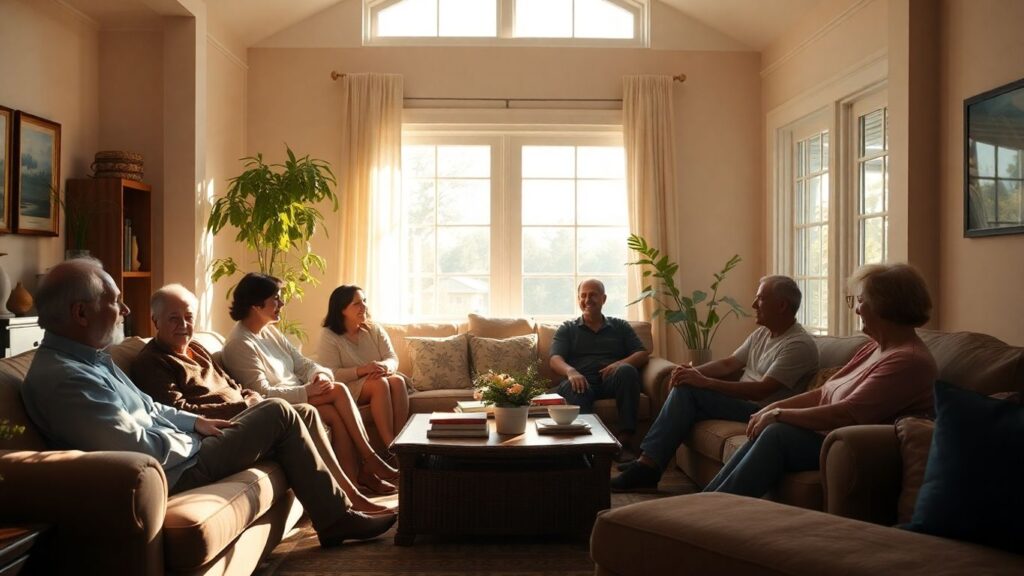
Living in a polyamorous home means you’re sharing not just space, but also emotional landscapes. It’s a beautiful thing, but it can also get complicated. Keeping everyone feeling good, supported, and secure is a big part of making this work long-term. It’s not just about having enough rooms; it’s about creating an environment where feelings are acknowledged and handled with care.
Addressing Jealousy And Insecurities
Jealousy and insecurity are normal human emotions, and they can pop up in any relationship, polyamorous or not. The key is how you deal with them. Instead of letting them fester, it’s better to talk them out. Open and honest conversations are your best tools here. When someone feels a pang of jealousy, it’s often a sign that a need isn’t being met, or there’s a fear of loss. It’s not about blaming anyone; it’s about understanding what’s going on beneath the surface.
- Acknowledge the feeling: Don’t dismiss it. Say something like, “I’m feeling a bit insecure right now because…”
- Identify the root cause: Is it a fear of being replaced? Feeling less important? A lack of quality time?
- Communicate needs clearly: Once you know what’s up, express what you need. “I need some extra reassurance today,” or “Could we schedule some one-on-one time soon?”
- Practice active listening: When someone else is sharing their feelings, really listen without interrupting or getting defensive.
“I am enjoying swingtown and the way it is run. Hope to meet some great people who enjoy healthy sexy fun together. Life is tooo short not to.” -teaser71902
Building A Supportive Network
Your polyamorous home is a hub, but you also need connections outside of it. This network can include friends, other polyamorous people, or even therapists who understand non-monogamous dynamics. Having people to talk to who ‘get it’ can be incredibly helpful when you’re dealing with unique relationship challenges.
- Connect with other polyamorous individuals: Online groups, local meetups, or even just friends who are also polyamorous can offer shared experiences and advice.
- Seek out understanding friends: Even if your friends are monogamous, find those who are open-minded and supportive of your lifestyle.
- Consider professional support: A therapist experienced in polyamory can provide guidance on communication, boundary setting, and emotional management.
- Create a ‘chosen family’: This could be a group of close friends who act as a support system, celebrating joys and helping through tough times.
Prioritizing Self-Care And Autonomy
In a busy household with multiple people and relationships, it’s easy to get caught up in everyone else’s needs. But you can’t pour from an empty cup. Making time for yourself isn’t selfish; it’s necessary for your well-being and for the health of your relationships. Autonomy, the feeling of being in control of your own life and choices, is also super important.
- Schedule ‘me time’: Block out time in your calendar for activities that recharge you, whether it’s reading, hiking, meditating, or pursuing a hobby.
- Respect personal space and boundaries: Make sure everyone in the home has their own space and that personal boundaries are honored.
- Encourage individual pursuits: Support each other in having separate interests and friendships.
- Practice mindfulness: Being present in the moment can help reduce stress and increase self-awareness.
Remember, a happy home is built on happy individuals. Taking care of yourself allows you to show up as your best self for your partners and for the shared life you’re building together.
Adapting Your Home For Evolving Relationships
Life isn’t static, and neither are relationships. As your polyamorous household grows, changes, or simply shifts in focus, your living space needs to be able to keep up. This isn’t about a complete overhaul every few months, but rather a thoughtful approach to designing multi-person households that allows for flexibility. Think of it as building a home that can breathe and adapt alongside the people within it.
Flexibility in Room Arrangements
One of the smartest ways to prepare for change is to design rooms that can serve multiple purposes. A spare bedroom might start as a home office for one partner, then become a nursery, and later a quiet retreat for someone needing personal space. Furniture that can be easily moved or reconfigured is your best friend here. Consider modular shelving, futons, or even room dividers that can create temporary private zones when needed. This adaptability means you’re not locked into one layout forever, which is a huge plus when relationships evolve or new people join the household.
Creating Spaces for Intimacy and Solitude
Polyamory often involves a complex web of connections, and having dedicated spaces for both deep intimacy and peaceful solitude is key. This means not just communal areas, but also ensuring each person has a personal sanctuary. It could be a small nook with a comfortable chair for reading, a dedicated hobby corner, or simply a bedroom that is a strictly personal zone. The goal is to balance the need for connection with the equally important need for individual space. This is especially true when designing multi-person households where personal boundaries need clear physical representation.
Incorporating Shared Hobbies and Interests
As relationships grow and change, so do the shared activities that bind people together. Your home can actively support these evolving interests. If a new shared hobby emerges, like gardening, painting, or even a complex board game collection, think about how the space can accommodate it. This might mean designating a specific area for supplies, creating a display space for finished projects, or ensuring there’s enough room for everyone to participate comfortably. It’s about making your home a place that not only houses your relationships but actively nurtures them through shared experiences.
Wrapping It Up
So, creating a home that works for everyone in a polyamorous setup is definitely a journey. It’s all about being honest, talking things through constantly, and really thinking about what each person needs. Designing spaces that feel good for multiple people, with clear areas for privacy and shared fun, can make a big difference. Remember, it’s not about perfection, but about building a life together that feels right for all of you. Keep the lines of communication open, be flexible, and celebrate the unique connections you share.
Frequently Asked Questions
What exactly is polyamory?
Polyamory is a way of having relationships where you can love and be with more than one person at the same time. It’s all about being honest and getting permission from everyone involved. It’s different from cheating because everyone knows and agrees to it. Think of it like having a bigger heart that can love many people.
How is polyamory different from just having multiple partners?
Polyamory isn’t just about having many partners. It’s a deep belief that love isn’t limited to just one person. Building real, honest connections with different people is part of that philosophy, and everyone involved knows and agrees. Instead of sneaking around, the focus is on choosing to love openly and honestly.
What are some common reasons people choose polyamory?
People choose polyamory for lots of reasons! Some want deeper emotional connections with more than one person. Others like the idea of experiencing different kinds of love and romance. Some also feel it’s fairer because it doesn’t involve ‘owning’ a partner, which goes against their values.
How do people in polyamorous relationships manage jealousy?
Jealousy can happen in any relationship, and polyamory is no different. The key is talking about it openly. When someone feels jealous, it’s important to figure out why. Often, it’s about feeling insecure or needing more attention. Talking it through with partners helps everyone feel more secure and understood.
What is ‘kitchen table polyamory’?
Kitchen table polyamory is a style where all the partners involved feel comfortable hanging out together, almost like a family sitting around a kitchen table. It means everyone knows each other and can talk openly about their relationships. It’s all about creating a supportive and inclusive community.
Is it hard to design a home for multiple partners?
Designing a home for polyamory can be fun! It’s about making sure everyone has their own private space to relax, but also creating comfy areas where everyone can connect. Good storage is also important so everyone’s things have a place. The main idea is to create a home that feels good for everyone living there.
Design With Intention — Build a Home That Supports Every Connection
Designing a shared polyamorous home works best when everyone feels considered, included, and comfortable. Join a community where people exchange practical tips, share lived experiences, and explore how to create spaces that support multiple relationships. Learn how others balance privacy, connection, and functionality in homes built with love and intention. Sign up for a free SwingTowns account today to begin your adventure.
“We are very excited to have joined Swing Towns. We have already chatted and met some fun people. We look forward to meeting many more friends and having a great time making new connections.” –
IzzyBlossomKatee