Unpacking the Overlap Between Polyamory and LGBTQ+ Identities
So, you’re probably wondering about polyamory and how it connects with LGBTQ+ folks. It’s a pretty interesting topic, and honestly, it’s more tangled than you might think at first. We’re going to talk about how these two big parts of identity often cross paths, what that means for people, and why understanding this overlap is a good idea for everyone. It’s not always simple, but getting a handle on it can really open your eyes to how diverse relationships can be.
Key Takeaways
- The connection between polyamory and LGBTQ+ identities is complex, with shared histories and challenges.
- Understanding historical shifts in relationship norms helps us see how polyamory has always been around.
- Societal views and legal issues often create hurdles for both polyamorous and LGBTQ+ individuals.
- Thinking about how past events shape our current ideas about polyamory is pretty important.
- Recognizing the many forms of love and relationships can help make discussions more open and fair.
Understanding The Overlap Between Polyamory and LGBTQ+ Identities

Intersectionality and Diverse Identities
It’s easy to see how polyamory and queer community often go hand-in-hand. Many people within the LGBTQ+ community find that polyamory aligns with their views on relationships and identity. This overlap isn’t just a coincidence; it reflects a shared emphasis on individuality, consent, and challenging traditional norms. The concept of intersectionality, where various aspects of identity intersect and influence one another, is key here. For example, someone might identify as bisexual and non-binary, and their understanding of relationships could be shaped by both of those identities. research approaches to intersectionality are important to consider.
Bisexuality and Relationship Structures
Bisexuality is sometimes linked to polyamory, but it’s important to remember they aren’t the same thing. While some bisexual people do practice polyamory, many others are in monogamous relationships. It’s all about individual preference. The connection might come from a shared understanding of attraction beyond the gender binary, which can open the door to exploring different kinds of relationships. It’s about recognizing that people have diverse needs and desires when it comes to love and connection.
Navigating Unique Challenges
People in LGBTQ polyamorous relationships can face some unique hurdles. These can include:
- Lack of understanding from family and friends.
- Discrimination in healthcare or legal settings.
- Internalized stigma from both the LGBTQ+ and polyamorous communities.
“Swingtowns is awesome and we have no complaints. There are tremendous people and wonderful couples on here that we have had the pleasure of meeting” -wearesexy2015
Ultimately, understanding the overlap between polyamory and LGBTQ+ identities requires empathy, open-mindedness, and a willingness to challenge assumptions. It’s about recognizing the validity of different relationship styles and supporting individuals in navigating polyamory as LGBTQ in ways that feel authentic and fulfilling.
Historical Perspectives on Polyamory and LGBTQ+ Movements
The Evolution of Relationship Structures
Okay, so when we talk about polyamory, it’s easy to think of it as a new thing. But honestly, the desire for multiple connections isn’t some modern invention. Throughout history, different cultures have had all sorts of relationship styles that didn’t fit the standard one-partner model. Think about ancient societies, or even just different family structures that have existed over time. It’s a lot more complex than we usually give it credit for.
Feminist and LGBTQ+ Influences
The feminist and LGBTQ+ movements really shook things up. They challenged the idea that there’s only one ‘right’ way to love or be in a relationship. These movements questioned traditional values and explored new forms of relationships, which laid the groundwork for a more open discussion about polyamory. They pushed for equality and recognition of diverse sexualities and relationship styles, which helped create a more accepting environment for polyamory. It’s like, once people started questioning the norm, it opened the door for other possibilities. You can see how LGBTQ community uses specific symbols to demonstrate unity.
Notable Figures and Moments
It’s hard to pinpoint specific ‘polyamory pioneers’ because it wasn’t always talked about openly. But there were definitely people who lived outside the box and challenged relationship norms. Think about artists, writers, and activists who had unconventional relationships. These figures, even if they didn’t use the word ‘polyamory,’ helped pave the way for greater acceptance. It’s important to remember that history is full of untold stories, and many people likely practiced polyamory without public acknowledgment.
“Swingtowns has been awesome in this lifestyle ! Finding new couples to play with and of course hang with.” -Skaggszy98
Societal Resistance and Legal Issues
Challenging Preconceived Notions
Polyamory often clashes with what society considers normal. For ages, most cultures have pushed monogamy as the only right way to do relationships. This idea is baked into our laws, religions, and how we see the world. Because of this, polyamorous relationships are often misunderstood. People might think they’re just about sex, or that they can’t be as deep or meaningful as monogamous ones. Some worry that legal recognition would somehow hurt traditional families, which isn’t really based on facts.
- People assume polyamory is just about sex.
- They think it’s a phase.
- They worry about the kids.
Impact on Community Discussions
Talking about polyamory can be tough. Even in LGBTQ+ spaces, where you’d think people would be more open, there can be some resistance. Some worry that focusing on polyamory will take away from the fight for LGBTQ+ rights, or that it’ll make the community look bad to outsiders. It’s like, “We’re already fighting for acceptance, do we really need to add another layer of complexity?” This can make it hard for polyamorous folks to find support and community, even within groups that are supposed to be inclusive.
“I’m glad that SwingTowns is growing such an audience of happy, sex-positive people!” -RandySP69
Advocating for Acceptance
Getting polyamorous relationships recognized legally is a long road. Right now, most laws are set up for monogamous couples. This means polyamorous families can face problems with things like healthcare, inheritance, and parenting rights. But there’s a growing movement to change this. People are pushing for laws that protect all kinds of families, no matter how many people are in them. This includes:
- Fighting for equal rights in healthcare.
- Making sure inheritance laws are fair.
- Advocating for inclusive family definitions.
It’s about showing that love and commitment can come in many forms, and that all families deserve to be treated with respect and fairness. The historical attitudes towards polyamory have significantly influenced current legal, social and cultural perceptions.
Reflecting on Personal Perceptions of Polyamory
Influencing Views on Polyamory
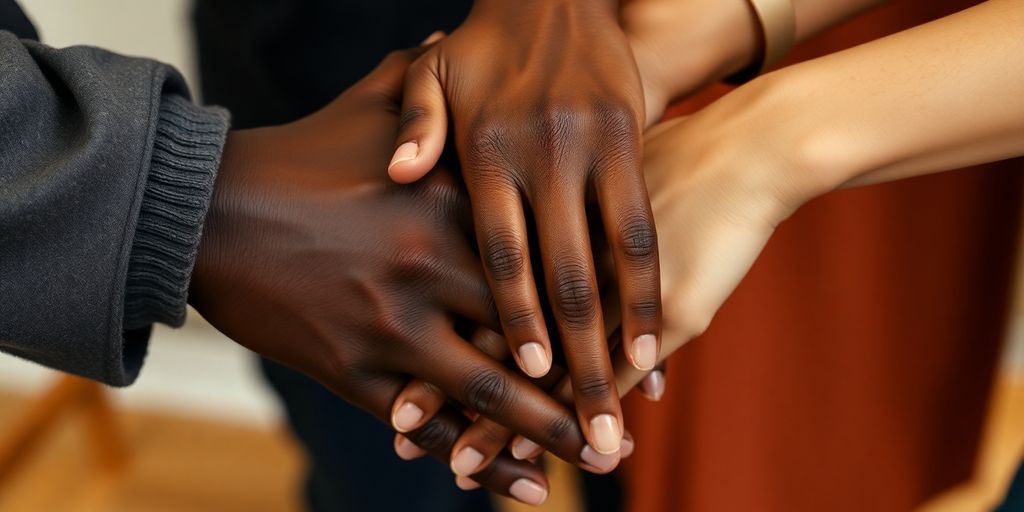
Okay, so after looking at the history and different angles of polyamory, it’s time to think about how it all sits with you. Has reading about the past changed your mind at all? Maybe you came in with one idea and now you’re seeing things a little differently. It’s cool if it has, and it’s also cool if it hasn’t. The point is just to check in with yourself and see if anything shifted.
Surprising Aspects of Polyamory’s Past
Were there any moments in the history of polyamory that made you go, “Whoa, I didn’t know that!”? Sometimes, learning about the past can really shake up what we thought we knew. Maybe you thought polyamory was a new thing, but now you see it’s been around in different forms for ages. Or maybe you were surprised by some of the reasons people chose polyamorous relationships back in the day. It’s all about finding those little nuggets of info that make you rethink things.
The Importance of Historical Understanding
Why does any of this history stuff even matter? Well, understanding where polyamory comes from can help us understand where it’s going. It can also help us be more understanding and respectful of people who choose different relationship styles. Plus, knowing the history can give us some perspective when we’re dealing with societal resistance or legal issues. It’s like, we’re not the first ones to deal with this, and we can learn from the past.
“We’ve only been in the LS for about a year but we have found some really great people using SwingTowns. Wish we would have found the website sooner.” -2Adults89
Considering the Broader Implications of Polyamory
Current Societal Attitudes
So, what does all this mean for how people actually see polyamory today? It’s a mixed bag, honestly. You’ve got some folks who are totally open and accepting, maybe even curious. Then you’ve got others who are… well, not so much. There’s still a lot of misunderstanding out there, a lot of assumptions that polyamorous relationships are just about sex or that they’re somehow less valid than monogamous ones. It’s like, people have these ideas stuck in their heads, and it’s hard to shake them loose.
Guiding Future Discussions
How can we make things better? How can we help people understand polyamory a little bit more? I think it starts with talking about it, openly and honestly. Sharing stories, answering questions, and just being willing to have those sometimes uncomfortable conversations. It’s about showing that polyamory isn’t some weird, fringe thing, but a valid way for people to build relationships. We need to challenge the stereotypes and show that, at its core, it’s about love, respect, and communication.
Promoting Informed Conversations
Ultimately, it’s about promoting informed conversations. It’s about giving people the tools they need to understand polyamory, to think critically about their own assumptions, and to make their own decisions about what kind of relationships work for them. It’s not about pushing polyamory on anyone, but about creating a world where all kinds of relationships are respected and valued.
“I’ve been looking for a fun community who share the same interests as I do, and most have failed to meet my expectations. But SwingTowns by far has had the most fun engagements with REAL people, much more than anywhere else I’ve found. Most people on here have been fun, sexy, engaging, and willing to help a young buck learn the ropes of this lifestyle.” -Johncarpenter
The Fluidity and Diversity of Human Relationships

Exploring Love in Multiple Forms
Human relationships are anything but static. They shift, change, and evolve over time, and that’s especially true when we start talking about love. It’s not just one-size-fits-all. Some people find fulfillment in traditional monogamy, while others thrive in different setups. The key is recognizing that love itself can take many forms. It can be romantic, platonic, familial, or something else entirely. It’s about what works for the individuals involved and what makes them feel happy and secure. Exploring sexual identities is a journey of self-discovery, and it’s important to be open to the possibilities.
The Enduring Story of Love Multiplied
Polyamory isn’t some newfangled trend; it’s been around for ages. Looking back at history, you see examples of cultures where multiple partnerships were totally normal. It wasn’t always about romance in the way we think of it now. Sometimes, it was about building strong communities and sharing responsibilities. The desire for multiple connections isn’t a modern invention. It’s a part of the human story, and it shows that our ideas about love and relationships are always changing. It’s a continuous human quest for connection, a challenge to societal norms and a reflection of evolving cultural values.
Digital Connectivity and Cross-Cultural Exchange
The internet has changed everything, including how we connect with each other. It’s easier than ever to meet people from different backgrounds and with different ideas about relationships. This cross-cultural exchange can be really eye-opening. You start to see that what’s considered “normal” in one place might be totally different somewhere else. Digital connectivity allows us to learn from each other and challenge our own assumptions about love and relationships. It’s about building a supportive network of relationships that benefitted the community as a whole, rather than just the individuals involved.
“The Swingtowns community has been a major source of inspiration for many years now and has become one of the most popular destinations for swing communities” -Thunderdicka
Here are some ways digital connectivity helps:
- Finding online communities
- Accessing educational resources
- Connecting with like-minded individuals
Conclusion
So, what’s the big takeaway here? It’s pretty clear that polyamory and LGBTQ+ identities often cross paths in some really interesting ways. We’ve seen how people in these groups share similar struggles, like dealing with unfair treatment or just trying to find their place in the world. But they also have their own special strengths and ways of doing things. Thinking about how these parts of who we are fit together helps us understand people better. It means we can build communities that are more open and welcoming for everyone, no matter how they love or who they are. It’s about making sure everyone feels seen and respected, which is a pretty good goal, right?
Frequently Asked Questions
What exactly is polyamory?
Polyamory is about having more than one loving, committed relationship at the same time, with everyone involved knowing and agreeing. It’s different from cheating because honesty and clear communication are key.
How does polyamory connect with LGBTQ+ identities?
While polyamory isn’t tied to any specific sexual orientation, it’s often discussed in LGBTQ+ spaces because both challenge traditional ideas about relationships. Many LGBTQ+ people find polyamory appealing as it offers more freedom in how they form connections, outside of typical ‘one-on-one’ thinking.
Do polyamorous people face special challenges?
Yes, polyamorous people, especially those who are also LGBTQ+, can face unique problems. These might include dealing with family who don’t understand, finding doctors who are open-minded, or facing legal issues since polyamorous relationships aren’t always recognized by law.
Does being bisexual mean someone is polyamorous?
Not at all. While some bisexual people are polyamorous, being bisexual just means you’re attracted to more than one gender. It doesn’t mean you automatically want multiple partners. Bisexual people have all sorts of relationships, just like anyone else.
Why is it important to know about polyamory’s past?
Learning about the history of polyamory helps us see that people have always found different ways to love. It shows that having multiple partners isn’t a new idea and helps us understand why society thinks the way it does about relationships today.
How can learning about polyamory help our society?
Understanding polyamory better can help us be more open-minded about all kinds of relationships. It encourages us to talk about love and partnership in ways that include everyone, making our communities more welcoming and accepting.
Discover Your People — Where Love, Identity, and Possibilities Intertwine
The journey to authentic connections starts with community. Whether you’re exploring polyamory, LGBTQ+ identities, or both, there’s a space waiting for you to connect, share, and grow. Sign up for your free SwingTowns account today and step into a world of fun, friendship, and endless possibilities.
“Swingtowns, easy navigating the site, no harassing upgrade ads, easy to find people, premium is not over priced….Just keep swinging, just keeping swinging” -mrgood69