Polyamory & LGBTQ+: It’s Complicated But Also Kind of Simple
So, you wanna talk about polyamory and the LGBTQ+ community? It’s a bit of a tangled mess, right? On one hand, you’ve got these groups that both challenge typical ideas about relationships and identity. But then, they also have their own separate paths and goals. It’s like they’re cousins who show up at the same family reunion but don’t always hang out together. Let’s try to make sense of it all.
Key Takeaways
- Polyamory is about having multiple loving relationships with everyone knowing and agreeing. It’s not the same as polygamy, which is about marriage.
- Both polyamorous people and LGBTQ+ people often go against normal social rules, which can create some common ground.
- Polyamory is a type of relationship, not a sexual identity, and that’s why it’s usually not put under the LGBTQ+ umbrella.
- Many queer people find polyamory works well for them, sometimes as a way to deal with the limits of one-on-one relationships.
- We need to work on understanding and accepting both polyamory and LGBTQ+ identities, so everyone feels like they belong.
Defining Polyamory: More Than Just Multiple Partners
Okay, so you’ve probably heard the word “polyamory” thrown around. Maybe you think it just means someone who dates a lot of people. But there’s way more to it than that. Having multiple partners is only part of the equation; what truly matters is how you approach relationships. That means fostering honesty, respect, and open communication. It’s about cultivating connections rooted in something deeper than physical attraction or societal expectations.
The Core Values of Ethical Non-Monogamy
Ethical non-monogamy (ENM) is the umbrella, and polyamory falls under it. It’s all about doing relationships in a way that’s open, honest, and consensual. Think of it like this:
- Consent is key: Everyone involved needs to know what’s going on and be okay with it.
- Communication is crucial: Talking about feelings, needs, and boundaries is a must.
- Respect is non-negotiable: Treating everyone with kindness and consideration is essential.
“This is the best site we have found! Easy to navigate and easy to make great long lasting memories and friends!” -julwil8182
Distinguishing Polyamory from Polygamy
People often mix up polyamory and polygamy, but they’re not the same thing. Polygamy usually involves one man being married to multiple women, and it’s often tied to religious or cultural traditions. Polyamory, on the other hand, isn’t gender-specific and isn’t necessarily about marriage. It’s more about having multiple loving relationships, regardless of gender or marital status.
The Importance of Consent and Communication
I can’t stress this enough: consent and communication are the bedrock of any healthy polyamorous relationship. It’s not enough to just say you’re okay with something; you need to actively and enthusiastically consent. And you need to be able to talk openly and honestly with your partners about your feelings, needs, and boundaries. Without these things, polyamory can quickly turn into a hot mess. Think of it like this:
- Regular check-ins: Schedule time to talk about how everyone is feeling and address any concerns.
- Active listening: Really hear what your partners are saying, even if it’s difficult.
- Honest self-reflection: Be willing to examine your own feelings and biases.
How Polyamory Fits Within the LGBTQ+ Spectrum

Shared Experiences of Non-Conformity
It’s interesting how both the LGBTQ+ community and people in polyamorous relationships often face similar struggles. Both groups challenge traditional norms about love, relationships, and family structures. Think about it: LGBTQ+ folks push back against the idea that relationships should only be between a man and a woman, while polyamorous people question the idea that love is only possible between two people. This shared experience of going against the grain can create a sense of kinship. Many find understanding polyamory and queer identity to be a natural extension of their existing beliefs.
Navigating Societal Norms and Expectations
One thing that’s tough for both communities is dealing with societal expectations. For example, LGBTQ+ individuals often face pressure to conform to heteronormative standards, like getting married and having kids in a traditional way. Similarly, polyamorous people often encounter pressure to be monogamous, even from friends and family. This can lead to feelings of isolation and the need to constantly explain or defend their choices. It’s like you’re always swimming upstream. The need to explain and defend is a common ground for LGBTQ+ non-monogamy.
Building Inclusive Communities
Despite the challenges, both the LGBTQ+ and polyamorous communities are really good at building supportive spaces. These communities often prioritize inclusivity, acceptance, and open communication. They create environments where people can be themselves without fear of judgment. This can involve things like:
- Creating online forums and support groups
- Organizing social events and meetups
- Advocating for legal and social changes
“Wow!! This site is absolutely amazing. Me and my lady have met some fun sexy people on here and got some great feedback from other couples about our profile.” -JessnOsc77
It’s worth noting that while there are overlaps, not everyone in the LGBTQ+ community is polyamorous, and not every polyamorous person identifies as LGBTQ+. It’s all about individual identity and choice. Some people find that is polyamory LGBTQ+, while others see it as a separate thing. The important thing is to respect everyone’s choices and create spaces where everyone feels welcome. Some people find open relationships in the queer community to be a good fit, while others prefer monogamy. It’s all about finding what works for you.
Why Polyamory Isn’t Always Under the LGBTQ+ Umbrella
Polyamory as a Relationship Structure, Not an Identity
Polyamory, at its core, is about relationship structure and the conscious decision to have multiple loving relationships. It’s a framework for how people choose to organize their intimate lives, rather than an inherent identity like being gay or transgender. This distinction is important. While someone’s sexual orientation or gender identity often shapes their experiences and how they’re perceived by the world, polyamory is a choice about how to conduct relationships, similar to choosing monogamy. It’s a conscious decision, not an intrinsic part of who someone is in the same way. This is why you might not always see it automatically included in discussions about LGBTQ+ issues.
Historical Context of LGBTQ+ Advocacy
The LGBTQ+ rights movement has deep roots in fighting for recognition and legal protections based on inherent identities. The struggle has been about securing rights for people based on who they are, not necessarily what they do in their relationships. Think about it: marriage equality was about the right for same-sex couples to marry, not about a specific relationship style. The focus has been on dismantling discrimination based on sexual orientation and gender identity. Polyamory, while facing its own forms of stigma, doesn’t neatly fit into this historical context because it’s about relationship structure, not identity. The core values of ethical non-monogamy are important, but different from the historical fight for LGBTQ+ rights.
Differing Goals and Political Agendas
While there can be overlap in values and shared struggles, the political goals of LGBTQ+ advocacy and polyamory advocacy aren’t always aligned. The LGBTQ+ movement has primarily focused on issues like:
- Anti-discrimination laws based on sexual orientation and gender identity.
- Marriage equality.
- Access to healthcare and resources for LGBTQ+ individuals.
Polyamory advocacy often centers on:
- Legal recognition of polyamorous families.
- Challenging societal norms around monogamy.
- Addressing stigma and discrimination against polyamorous people.
“My husband and I joined Swingtowns a couple of years ago. We are new to this lifestyle and were a little apprehensive in getting involved in something like this, but we wanted to spice up our sex life and bite the bullet. We have met some wonderful respectful people and have become friends with everyone we met.” -Needtocome
The Intersections of Identity and Relationship Structure
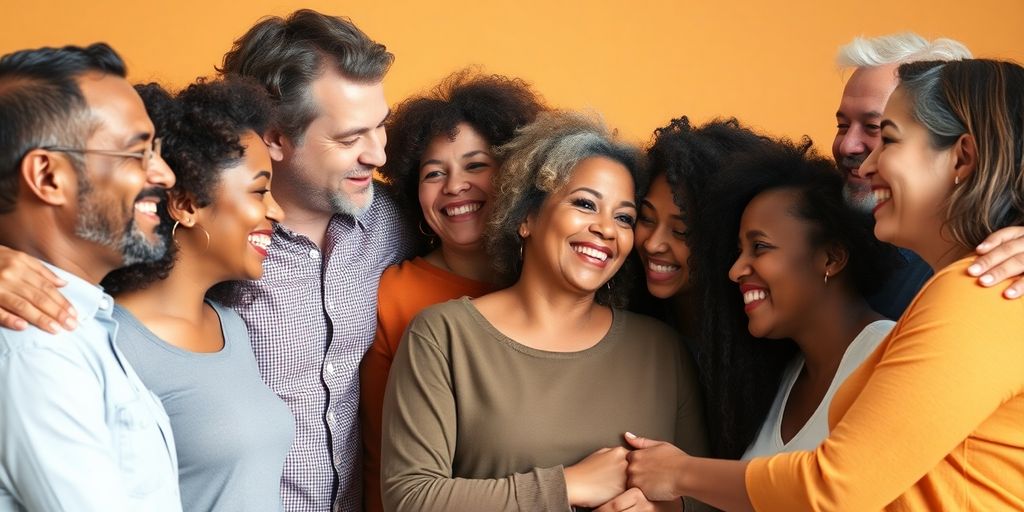
Queer Individuals Embracing Polyamory
For many queer individuals, polyamory isn’t just a relationship style; it’s a way to further explore and express their identities. It’s about rejecting the heteronormative scripts that often dictate relationships. Polyamory can offer a framework for building relationships that align with their values and desires, rather than conforming to societal expectations. It’s like saying, “I’m queer, and I get to define what love and family mean to me.” This can involve creating queerplatonic relationships that defy traditional labels and expectations.
Polyamory as a Response to Monogamous Challenges
Monogamy isn’t for everyone, and for some, it can feel restrictive or even oppressive. Polyamory can be a response to the challenges that monogamy presents, such as the expectation that one person can fulfill all of another’s needs. It’s about acknowledging that love and attraction can be multifaceted and that it’s okay to have multiple meaningful connections. Some people find that monogamy leads to feelings of resentment or unmet needs, and polyamory offers an alternative that allows for more honesty and openness about desires and attractions.
Finding Personal Liberation Through Non-Monogamy
Ultimately, the choice to embrace polyamory can be a deeply personal one, driven by a desire for liberation and self-discovery. It’s about breaking free from societal norms and creating a life that feels authentic and fulfilling. For some, this means exploring their sexuality and gender identity in a safe and supportive environment. For others, it’s about building a community of like-minded individuals who share their values and beliefs. It’s a journey of self-exploration and a commitment to living life on one’s own terms.
Swingtowns is incredible, I have met many awesome couples and single females on here. I recommend this site to anyone in the lifestyle! -MrMsBullDurham
Here are some reasons why people choose polyamory:
- Desire for multiple connections
- Belief in relationship autonomy
- Rejection of traditional norms
Challenges and Misconceptions in Both Communities
Internalized Mononormativity Within LGBTQ+ Spaces
It’s kind of ironic, but even within LGBTQ+ communities, there can be this assumption that monogamy is the default, the ‘right’ way to do relationships. This is internalized mononormativity, and it can make things tough for polyamorous folks. You might hear comments like, “Oh, so you’re just not ready to settle down?” or “Is it just a phase?” These kinds of remarks invalidate polyamorous relationships and suggest they’re somehow less mature or less ‘real’ than monogamous ones. It’s like, we’re fighting for acceptance on one front, but then facing judgment within our own ranks. It’s a double whammy of societal pressure.
Addressing Stigma and Judgment
Both polyamorous and LGBTQ+ individuals face their fair share of stigma and judgment, though often for different reasons. For LGBTQ+ people, it’s often about gender identity or sexual orientation. For polyamorous people, it’s about relationship structure. The common thread is that both groups are seen as ‘deviating’ from societal norms. This can lead to discrimination in various forms, from microaggressions to outright hostility. People might make assumptions about your character, your values, or your ability to form meaningful connections. It’s exhausting to constantly have to explain yourself or defend your choices. It’s important to remember that cultural competency is key to understanding different relationship styles.
The Dark Side of Unethical Practices
Just like any relationship structure, polyamory isn’t immune to unethical behavior. Cheating, manipulation, and abuse can happen in polyamorous relationships just as they can in monogamous ones. The difference is that in polyamory, these behaviors can be harder to spot or address because the boundaries might be less clear. It’s crucial to have open and honest communication, to establish clear boundaries, and to hold each other accountable. When things go wrong, it can be devastating, and it can reinforce negative stereotypes about polyamory. It’s important to remember that ethical non-monogamy requires constant effort and a commitment to treating everyone with respect and care.
“Swingtowns is fun and interesting for all kinds of cats! There a plenty of friendly folks and no pushy pests. Plenty of flavors for every occasion.” -FreakyFux
Building Bridges: Fostering Understanding and Acceptance

It’s time to talk about how we can actually make things better for both the polyamorous and LGBTQ+ communities. It’s not enough to just say we’re all about love and acceptance; we need to actively work to understand each other and break down the barriers that keep us apart. This means having tough conversations, challenging our own biases, and creating spaces where everyone feels safe and respected.
Educating Allies and Community Members
Education is key. We need to start by teaching people about polyamory and LGBTQ+ identities in a way that’s accessible and non-judgmental. This could involve workshops, online resources, or even just casual conversations with friends and family. The goal is to dispel common myths and misconceptions and help people understand the nuances of these experiences. For example, many people don’t understand the difference between polyamory and cheating, or they assume that all LGBTQ+ people are the same. We need to address these assumptions head-on.
Advocating for Legal Protections
One of the biggest challenges facing both communities is the lack of legal recognition and protection. Polyamorous relationships, in particular, often face discrimination in areas like housing, employment, and healthcare. LGBTQ+ individuals have fought hard for marriage implications and other rights, but there’s still a long way to go. We need to work together to advocate for laws and policies that protect all individuals, regardless of their relationship structure or sexual orientation. This could involve lobbying elected officials, supporting relevant organizations, or even filing lawsuits.
Creating Spaces for Dialogue and Support
It’s important to create spaces where people from both communities can come together to share their experiences, ask questions, and offer support. These spaces could be online forums, in-person meetups, or even just informal gatherings. The goal is to create a sense of community and belonging, and to help people feel less alone. These dialogues can help address internalized mononormativity within LGBTQ+ spaces, which can sometimes exclude or marginalize polyamorous individuals.
“SwingTowns is awesome place to meet great people. We have met a lot nice people on here and had amazing time with several couples.” -LoveTerri77
Here are some ways to create these spaces:
- Organize regular meetups or discussion groups.
- Create online forums or social media groups.
- Partner with existing LGBTQ+ organizations to offer joint programs.
- Host workshops or training sessions on polyamory and LGBTQ+ issues.
The Future of Polyamory and LGBTQ+ Solidarity
The path ahead for polyamorous and LGBTQ+ communities involves both unique challenges and shared opportunities. While some sources suggest monogamy might be gaining traction again, especially after the pandemic’s impact on relationship structures, the underlying desire for diverse and authentic connections remains strong. The future hinges on continued advocacy, education, and the building of strong, supportive communities.
Evolving Definitions of Family and Love
Our understanding of what constitutes a family is constantly changing. The traditional nuclear family model is no longer the only accepted norm, and both polyamorous and LGBTQ+ individuals are at the forefront of redefining these boundaries. This includes advocating for legal recognition of diverse family structures, such as multi-partner households, and challenging the societal assumption that love must be limited to two people. Evolving definitions are key to inclusivity.
Shared Struggles for Recognition and Rights
Both polyamorous and LGBTQ+ communities face discrimination and a lack of legal protections. From employment to housing to parental rights, these groups often encounter systemic barriers. The fight for marriage equality, while a significant victory for the LGBTQ+ community, also highlighted the limitations of a system that still prioritizes monogamous relationships. The queer friendships that are formed can be a source of support.
A Unified Front for Relationship Diversity
Ultimately, the future depends on building a unified front that advocates for relationship diversity in all its forms. This means recognizing that the struggles of polyamorous and LGBTQ+ individuals are interconnected and that working together can amplify their voices and increase their impact. It also requires addressing internalized biases and misconceptions within both communities to create truly inclusive spaces. The Polyamory Legal Advocacy Coalition is one such group working towards this goal. It’s about creating a world where everyone has the freedom to love and build relationships in ways that are authentic and fulfilling, without fear of judgment or discrimination.
“Swingtowns.com has been one of the best places for meeting like minded and fun party people. I’m always looking to meet new people and this site never fails.” -PoundnSand
Here are some key areas for future collaboration:
- Advocating for inclusive legal protections.
- Educating the public about diverse relationship structures.
- Creating safe and supportive communities for all.
Conclusion
So, what’s the deal with polyamory and the LGBTQ+ community? It’s not always a neat fit, that’s for sure. Some folks in the LGBTQ+ world are all about monogamy, and that’s totally fine. Others find that polyamory just makes sense for them, especially when they’re already thinking outside the box about relationships. The main thing is that both groups are about finding your own path and being true to yourself. It’s about open talks, respect, and making sure everyone involved is on board. Whether you’re into one partner or many, queer or straight, the goal is to build connections that feel right and make you happy. It might look messy from the outside, but for the people living it, it’s often just about love, in all its different forms.
Frequently Asked Questions
What exactly is polyamory?
Polyamory means having loving, intimate relationships with more than one person at the same time, with everyone involved knowing and agreeing to it. It’s about being open and honest with all your partners.
Is polyamory just a fancy word for cheating?
No, polyamory is different from cheating. Cheating means being with someone else without your partner knowing or agreeing. Polyamory is all about being upfront and getting everyone’s permission.
How is polyamory different from being LGBTQ+?
Polyamory is a type of relationship, while LGBTQ+ refers to people’s sexual orientation or gender identity. Some LGBTQ+ people are polyamorous, but not all, and polyamorous people aren’t always LGBTQ+.
Why do some LGBTQ+ people choose polyamory?
Many people in the LGBTQ+ community find polyamory appealing because it also challenges traditional ideas about relationships, just like being LGBTQ+ challenges traditional ideas about gender and sexuality. It offers more freedom in how people connect.
Is communication important in polyamorous relationships?
Yes, polyamory requires a lot of talking and trust. Everyone involved needs to be open about their feelings, needs, and boundaries to make sure everyone feels respected and cared for.
Are there any downsides to polyamory?
Like any relationship, polyamory can have challenges. People might face judgment from others, or they might struggle with jealousy. But with good communication and clear rules, many polyamorous relationships are very happy and healthy.
Uncover New Connections — Where Identity, Love, and Possibilities Flow Freely
Your journey into authentic connection starts here. Whether you’re exploring polyamory, LGBTQ+ community, or simply seeking deeper, more playful relationships — this is your space to belong. Join thousands discovering meaningful bonds in an open, inclusive environment. Sign up for your free SwingTowns account today and let your adventure begin.
“So far it’s been a fun way to connect with like minded people. In a open, judgement free environment. Lots of people to get to know.” -StaggerinVixen86