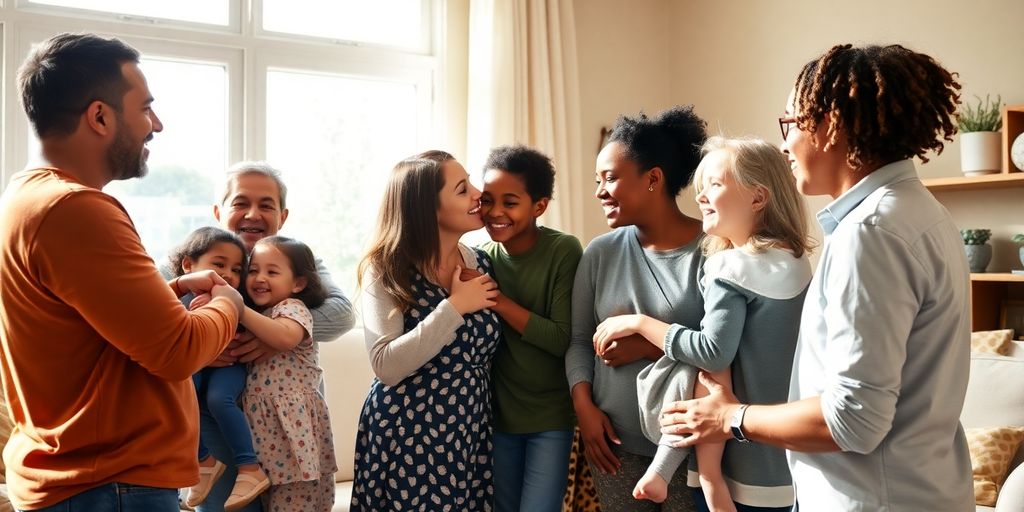
Poly Household: Showing Kids What Healthy Love Looks Like
Thinking about how to show your kids what healthy relationships look like, especially if your own life involves multiple partners? It’s a bit different, sure, but a lot of the core ideas are the same as in any family. We’re talking about being honest, talking things through, and making sure the kids feel secure. Turns out, there are some pretty neat lessons we can all learn from how polyamorous families handle things, even if that’s not your setup. It’s all about the behavior, not just the structure.
Key Takeaways
- Open and honest communication is the bedrock of trust, even in complex family setups.
- Explaining relationship dynamics to children in an age-appropriate way builds understanding.
- Acknowledging mistakes and apologizing teaches children accountability.
- Clarifying roles and expectations among all involved adults is important for stability.
- Prioritizing children’s security and well-being should guide all relationship decisions.
Embracing Honesty and Open Communication

In any family, being upfront and talking things through is a big deal. For families with polyamorous parents, this isn’t just a good idea; it’s pretty much the bedrock of how things work. When everyone involved is honest with each other, it builds a strong sense of trust, which is super important for kids. Think about it: if parents are open about their relationships and boundaries with each other, that honesty tends to spill over into how they talk to their children.
The Foundation of Trust in Polyamorous Families
Polyamorous relationships often require a lot of talking. People in these relationships tend to be very clear with each other about what’s going on, their feelings, and their agreements. This level of transparency can actually bring people closer. When parents practice this kind of open communication with each other, it sets a great example for their kids. Children learn that it’s okay to talk about feelings and that honesty is valued. This open approach helps create a safe space where kids feel comfortable asking questions and sharing their own thoughts without fear of judgment. It’s about building a family culture where truth is respected.
Age-Appropriate Truth-Telling with Children
When it comes to talking with kids, the key is to be honest in a way they can understand. It’s not about dumping adult details on them, but about answering their questions truthfully. For instance, if a child asks about a parent’s partner, you can explain that this person is a special friend who is loved by their parent. It’s about giving them the information they need to feel secure and understand their family structure, without overwhelming them. Children have a knack for picking up on things, so being straightforward, even about complex family dynamics, helps them feel secure and builds their confidence. Kids in poly families often appreciate that their parents can talk openly about their lives, and they feel safe asking questions because they know they’ll get honest answers. This openness can lead to children developing better emotional intelligence and maturity.
Admitting Mistakes and Apologizing to Children
One really positive aspect that often comes up in polyamorous parenting is the willingness of parents to admit when they’ve messed up and to apologize. This isn’t always easy, but it’s a powerful lesson for children. When parents can say, “Oops, we didn’t handle that right, sorry,” it teaches kids that everyone makes mistakes. It shows them that accountability is important and that saying sorry can fix things. This practice really helps build trust between parents and children, making kids feel safer and more secure in their family environment. It shows them that relationships, even when imperfect, can be repaired through honesty and a willingness to own up to errors. This can be a really valuable lesson for kids, no matter their family structure, and it’s something many poly families seem to do well. Children often feel more comfortable being honest themselves when they see their parents modeling this behavior, and they tend to have positive relationships with their parents’ partners, viewing them as supportive and caring individuals [ace3].
Navigating Complex Relationship Dynamics
Polyamorous households, by their nature, often involve more people with defined roles in a child’s life. This isn’t inherently bad, but it does mean clear communication is super important. Think about it: if there are multiple partners involved, who is responsible for what? Who handles school pickups, who helps with homework, and who is the go-to for emotional support? Defining these roles helps create stability for kids.
Understanding the Role of Each Parent
It’s really about making sure everyone involved understands their place and responsibilities. When parents are clear about their individual roles and how they work together as a parenting team, it makes things smoother for everyone, especially the children. This means having honest talks about parenting styles and how decisions are made. It’s about presenting a united front, even when there are different relationship structures at play. This clarity helps children feel secure because they know who to turn to for different needs.
Clarifying Involvement of External Partners
When nesting parents have partners outside the primary household, it’s important to be upfront about how involved those external partners will be in the children’s lives. This can vary a lot from family to family. Some external partners might be very present, while others are less so. The key is to communicate these expectations clearly to everyone involved, including the children in an age-appropriate way. This helps avoid confusion and ensures that everyone understands the boundaries and the nature of the relationships. It’s about making sure everyone’s on the same page regarding the children’s well-being and their place within the family structure. You can find more information about polyamory as a relationship style.
Communicating Needs and Adjusting Roles
Relationships, polyamorous or not, are always evolving. People change, circumstances change, and needs change. If someone in the household isn’t happy with their role or feels overwhelmed, it’s vital they can talk about it. Openly discussing these feelings and working together to adjust roles can prevent bigger issues down the line. This might mean reassigning certain responsibilities or finding new ways to share the load. It’s about being flexible and responsive to the needs of all family members, ensuring that the household continues to function smoothly and supportively for the children.
Fostering a Supportive Extended Family

Building a strong network of support around your children is super important, and polyamorous families often have a natural advantage here. It’s like creating a built-in village. This isn’t just about having more hands to help with childcare, though that’s a big plus. It’s about offering kids a wider circle of loving adults who can offer different perspectives and support. Think of it as expanding the definition of family beyond just the parents. This can really help children learn about different kinds of relationships and how to connect with people from all sorts of backgrounds. It’s about showing them that love and care can come from many places.
Creating a Chosen Village for Children
Many polyamorous families actively cultivate what’s called a “chosen village.” This means intentionally building relationships with friends, partners, and even former partners who can play a positive role in a child’s life. It’s about recognizing that “it takes a village” to raise a child, and then actively going out and building that village. This can include people who aren’t romantically involved with the parents but are still important figures. These connections can provide kids with additional mentors, role models, and a broader sense of belonging. It’s a way to ensure children have a rich network of support, much like extended family used to provide in more traditional setups. This approach can be really beneficial for everyone involved, giving parents more personal time and kids more adult interaction. It’s a modern take on community care, and you can read more about community care in this context.
The Concept of Compersion in Parenting
Compersion is that feeling of joy you get when someone you care about is happy, especially when their happiness comes from another relationship. In polyamorous parenting, this can translate to parents feeling happy when their child forms a strong, positive bond with another adult in their life, even if that adult isn’t their biological or primary parent. It’s about celebrating the child’s happiness and the love they receive from multiple sources. This mindset helps create an environment where children feel loved and supported by everyone in their extended network, not just their parents. It encourages a positive view of all the adults in the child’s life, which in turn influences the child’s own perceptions. When parents model compersion, they teach children that love isn’t a limited resource.
Building Trust with Non-Romantic Partners
It’s really beneficial for children to see adults in their lives, even those who aren’t romantically involved with their parents, being treated with respect and kindness. This includes partners of parents’ partners, often called metamours, or even close friends who are part of the child’s wider circle. When parents show trust and respect towards these individuals, children learn to do the same. This builds a stable and secure environment where children feel comfortable interacting with a variety of adults. It teaches them valuable lessons about healthy relationships, communication, and mutual respect. Showing children that all loving relationships are worthy of respect is a powerful lesson. It helps them understand that connections can be deep and meaningful, even without a romantic component.
Modeling Healthy Conflict Resolution
When relationships change, even in polyamorous families, how parents handle disagreements and breakups teaches kids a lot about healthy relationship examples for kids. It’s not about avoiding conflict, but about showing kids how to manage it respectfully. This is a big part of modeling ethical non-monogamy.
Cooperative Co-Parenting After Relationship Changes
Sometimes, relationships within a polycule shift. Maybe two people who were nesting partners decide to go their separate ways romantically. For kids, seeing parents handle this transition with grace is super important. Instead of seeing a “broken” family, they see that relationships can change and still be managed with care. This shows them that a healthy relationship isn’t just about romance; it’s about being kind and respectful, even when things get tough. It’s about focusing on cooperative co-parenting, making sure the kids feel secure no matter what.
Respect and Kindness in Former Partnerships
Think about it: if a romantic relationship ends, but you still have to parent together, how you treat that former partner speaks volumes. Showing your kids that you can still be civil, even friendly, with someone you used to share a deep connection with is a powerful lesson. It demonstrates that disagreements don’t have to lead to lasting animosity. This approach helps maintain a stable environment for the children, showing them that adult relationships can end without destroying the family unit. It’s about being kind and supportive to your former partner so you can co-parent without constant conflict.
Prioritizing Children’s Security and Safety
Ultimately, what kids need most is to feel safe and secure. When parents can resolve conflicts constructively, it directly contributes to that feeling. This means putting the children’s well-being above any lingering personal issues between adults. If there are disagreements about parenting decisions, finding a way to discuss them calmly and reach a consensus is key. This might involve setting clear boundaries or agreeing on how external partners will interact with the children, always with the kids’ best interests at heart. It’s about presenting a united front when it comes to their safety and emotional needs. You can find more insights on polyamorous dynamics on podcasts like the polyamory podcast.
“SwingTowns is awesome place to meet great people. We have met a lot nice people on here and had amazing time with several couples.” -LoveTerri77
The Impact of Polyamorous Parenting on Children
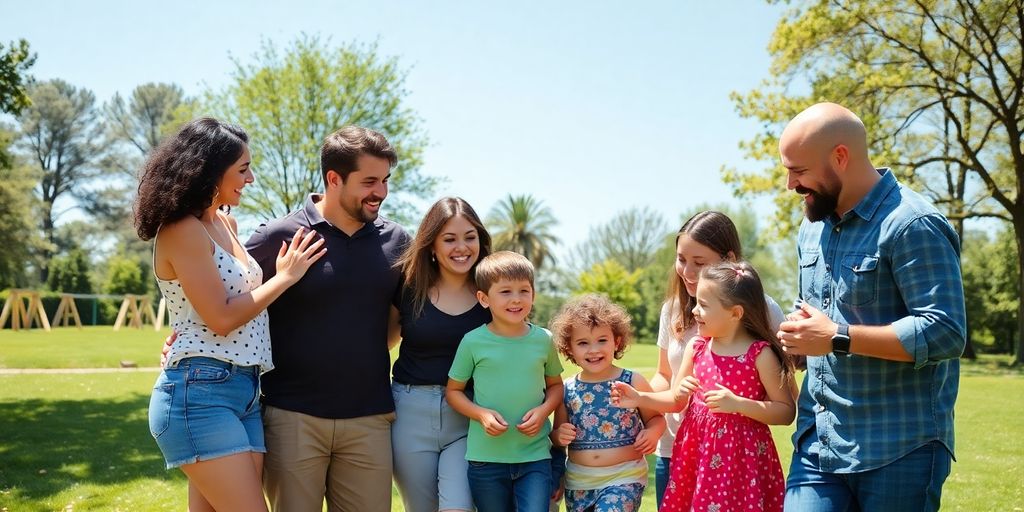
It’s natural to wonder how kids are affected when parents are involved in polyamorous family dynamics. The truth is, research suggests that the quality of parenting matters way more than the number of parents or partners involved. Kids tend to do well when they have loving, stable adults in their lives, regardless of the relationship structure.
Children often see their parents’ partners as additional sources of fun and support. They might view these adults as people who help out, take care of them, or even expand their social circle through their own kids. For younger children, these partners might simply be fun adults to play with. Older kids might notice how these partners positively impact their parents’ lives. Ultimately, the way parents communicate and manage their relationships is what shapes a child’s experience, not the fact that they’re teaching children about non-monogamy.
Here’s a look at what children might experience:
- Multiple Loving Adults: Children can benefit from having more adults who care about them and are invested in their well-being. This can create a wider support network.
- Understanding Different Connections: Kids learn that relationships can take many forms. They see that love and care aren’t limited to one person or one type of partnership.
- Focus on Behavior, Not Labels: The key takeaway for children is observing how adults treat each other and them. Kindness, respect, and open communication are the real lessons, no matter the relationship setup.
It’s important to remember that parenting in a poly family is still about providing a secure and loving environment. The adults’ romantic relationships are separate from the children’s needs for stability and affection. The focus remains on the child’s well-being and ensuring they feel safe and loved by all the involved adults.
Lessons for All Parenting Styles
It turns out, a lot of what makes polyamorous parenting work for kids isn’t really about having multiple partners. It’s more about the principles behind how those relationships are managed. Think about it: when a relationship ends between parents, it doesn’t have to be a disaster for the kids. Polyamorous parents often show that you can still be kind and respectful to an ex-partner, which is a pretty big deal. This cooperative co-parenting approach teaches kids that relationships can change, but respect doesn’t have to.
The core takeaway for everyone is that how parents behave matters more than the structure of their family. Kids need to feel safe and secure, and that comes from consistent, loving adult behavior, not necessarily from a specific family setup. It’s about the quality of the interactions, not the quantity of adults involved.
Learning from Polyamorous Approaches to Parenting
Polyamorous families often have to be really intentional about communication and setting clear expectations. This can be a good model for any family. It means talking openly about roles, feelings, and needs.
The Importance of Parental Behavior Over Structure
Ultimately, whether a family has two parents, three, or more, the kids’ well-being hinges on the adults’ actions. Are the adults modeling respect, honesty, and kindness? Are they managing conflict constructively? These behaviors are what children internalize.
Creating an Environment of Love and Affection
No matter the family structure, the goal is to create a space where children feel loved, supported, and secure. This involves consistent effort, open communication, and a commitment to their emotional needs. It’s about showing up, day in and day out, with genuine affection and care. Modeling healthy relationships for children teaches them essential life skills such as respect, empathy, and problem-solving. These skills are crucial for building and maintaining strong connections throughout their lives. Modeling healthy relationships
Wrapping Up: What We Can All Learn
So, when it comes down to it, whether you’re in a polyamorous setup or not, the big takeaway is that honesty and open talks are super important for kids. It seems like the way parents handle their relationships, and how they talk about them, matters more than the number of partners involved. Being upfront with your kids, letting them ask questions without fear, and showing them how to admit mistakes – these are all good things. Plus, learning to be cool with other caring adults in your child’s life, even if your own romantic relationship with them ends, can really help kids feel secure. It’s all about creating a stable, loving environment, and there’s a lot we can learn from different family structures about how to do that well.
Frequently Asked Questions
How important is honesty and open talk in poly families?
Being open and honest with your kids about relationships is super important. It means telling them the truth in a way they can understand, depending on how old they are. It’s also about admitting when you mess up and saying sorry, which helps kids learn to be honest too and builds trust.
How do you handle different roles in a polyamorous family?
In polyamorous families, everyone needs to be clear about who does what. It’s vital to talk about each parent’s role and how other partners might be involved in the kids’ lives. If roles aren’t working, talking about changing them is key.
What does it mean to create a ‘chosen village’ for kids?
Building a support system, or a ‘chosen village,’ is a big part of polyamory. This means having other trusted adults who care about the kids, not just the parents. It’s like having extra aunts and uncles who can help out and offer support.
How do poly parents handle breakups with their partners?
When parents split up, poly parents often focus on working together and being respectful to each other, even if they’re no longer romantic partners. This teaches kids that relationships can change but still be healthy and kind, and that the child’s safety comes first.
How do kids feel about having multiple loving adults in their lives?
Kids in poly families often feel good about having many adults who love and support them. They see these adults as reliable people they can talk to. The grown-ups’ romantic relationships don’t really matter to the kids; what matters is the love and care they receive.
What can other parents learn from polyamorous parenting styles?
Polyamorous parenting teaches valuable lessons for everyone. It shows that being honest, communicating well, and showing lots of love and affection are more important than the specific structure of the family. It’s all about creating a safe and loving environment for children.
Grow Together – Where Love Teaches and Connection Inspires
Your kids are always watching—and what they see in a loving, respectful polyamorous home can shape their world beautifully. Join a thriving community of families who are modeling compassion, communication, and authenticity every day. There’s a place here for your story, your questions, and your growth. Sign up for your free SwingTowns account today and start connecting with others on this intentional, joyful path.
“We have met so many nice people since joining swingtowns. Only positive things.” -Honeybeee