
Queering the Script: Lesbian Polyamory vs. Heteronormative Love
This article, “Queering the Script: Lesbian Polyamory vs. Heteronormative Love,” looks at how lesbian polyamory offers a different way of thinking about relationships, especially when compared to traditional ideas of love. We’ll check out how polyamory works, how queer identities and polyamory often go together, and what makes queer polyamory different from straight polyamory. We’ll also touch on polyamory’s past and how lesbian polyamory can be a really freeing thing, helping people build their own support systems and find love in new ways. The main idea here is how lesbian polyamory challenges the usual love models.
Key Takeaways
- Polyamory is about having multiple loving relationships, and it’s a way of being that’s becoming more understood and accepted.
- Queer people often find polyamory fits well with their lives because they’re already used to creating their own relationship rules outside of what’s considered ‘normal’.
- Queer polyamory often focuses on deep care for everyone involved, even ex-partners, which can be different from how straight polyamorous relationships sometimes work.
- Polyamory isn’t new; it has roots in many Black, Brown, and Indigenous cultures, and it’s important to remember that history.
- Lesbian polyamory can help break down old, rigid ideas about relationships and families, letting people build their own support networks and find true happiness.
Understanding Polyamory: Beyond Monogamous Norms

Defining Polyamory: Many Loves, Many Forms
Polyamory, at its core, is about having multiple loving relationships, and it’s a way of challenging traditional relationship structures. It’s not just about sex; it’s about emotional connections, intimacy, and commitment with more than one person. People often think there’s one ‘right’ way to do relationships, but polyamory throws that idea out the window. It’s about creating something that works for everyone involved. It’s a conscious choice to move beyond the idea that love is a limited resource, and instead, embrace the idea that love can expand and grow.
The Spectrum of Polyamorous Relationships
There’s no single blueprint for polyamory. Some people practice hierarchical polyamory, where one relationship is considered primary, and others are secondary. Others prefer relationship anarchy, where all relationships are treated equally, without pre-defined hierarchies. Some polyamorous relationships are open, allowing for sexual connections outside the core group, while others are closed, focusing on intimacy within a specific network. The key is communication and consent. It’s about figuring out what feels right and ethical for everyone involved. It’s also about recognizing that what works today might not work tomorrow, and being willing to adapt and change as needed. Polyamory is not a universal solution for relationship issues; it does not inherently resolve problems.
Polyamory as an Evolving Identity
For some, polyamory is more than just a relationship style; it’s an identity. It’s a way of seeing the world and relating to others that goes beyond romantic partnerships. It’s about questioning assumptions, challenging norms, and creating a life that aligns with your values. As more people embrace polyamory, communities are forming, resources are becoming available, and the conversation is evolving. It’s becoming increasingly visible as one of the [alternatives to heteronormative relationships].
“Swingtowns has been awesome in this lifestyle ! Finding new couples to play with and of course hang with.” -Skaggszy98
Here’s a simple breakdown of different polyamorous relationship styles:
- Hierarchical Polyamory
- Relationship Anarchy
- Solo Polyamory
- Kitchen Table Polyamory
Queerness and Polyamory: A Natural Alignment
Challenging Heteronormative Scripts
For many queer people, the journey often starts with questioning the standard relationship model. Heteronormative scripts, those unspoken rules about how relationships should be, simply don’t fit. It’s like trying to force a square peg into a round hole. We’re already used to forging our own paths, so exploring different relationship structures feels like a natural extension of that.
Creating New Relationship Blueprints
Since the traditional blueprints don’t work, we get to design our own. This is where polyamory comes in. Polyamory isn’t just about having multiple partners—it’s about intentionally creating relationships that reflect our values and desires. At its core are open communication, enthusiastic consent, and the shared goal of building something that genuinely works for everyone involved. Think of it as being the architect of your own love life.
The Intertwined Nature of Queerness and Non-Monogamy
Queerness and non-monogamy often go hand-in-hand because both involve questioning and dismantling societal norms. Many queer individuals have already navigated the complexities of coming out, challenging gender roles, and redefining family. This experience can make the transition to polyamory feel less daunting. It’s like having already climbed one mountain, so the next one seems a little less intimidating.
“Swingtowns, easy navigating the site, no harassing upgrade ads, easy to find people, premium is not over priced….Just keep swinging, just keeping swinging” -mrgood69
Distinguishing Queer Polyamory from Heterosexual Dynamics

It’s easy to assume that polyamory is the same across the board, but that’s far from the truth. The way queer folks approach polyamory can be quite different from heterosexual dynamics. A lot of it boils down to challenging traditional relationship structures and creating something new. It’s about more than just having multiple partners; it’s about how you relate to those partners and the values you prioritize.
Reverence for Hearts: A Queer Polyamorous Principle
One key difference lies in the emphasis on care and respect, even after a relationship ends. In queer polyamorous circles, there’s often a conscious effort to maintain positive relationships with ex-partners. This isn’t always the case in heterosexual contexts, where breakups can sometimes lead to complete estrangement. It’s about recognizing the value of past connections and the importance of community. This reverence for hearts is a core tenet of polyamory within queer communities.
Navigating Ex-Partners in Queer Polyamorous Spaces
Because of this emphasis on care, it’s not uncommon for queer polyamorous folks to remain in close proximity to their exes. This can mean attending the same events, sharing friends, or even co-parenting. It requires a high degree of communication, emotional intelligence, and a willingness to prioritize the well-being of everyone involved. It’s a different approach than the often-prescribed “cut them out of your life” mentality. Navigating ex-partners becomes a delicate dance of boundaries and respect, fostering a sense of interconnectedness rather than isolation. This is especially true in non-monogamous lesbian relationships.
Community and Care in Queer Polyamorous Networks
Queer polyamory often thrives on community. These networks provide support, understanding, and a space to share experiences. It’s a place where people can learn from each other, challenge heteronormative scripts, and build chosen families. This sense of community can be particularly important for those who may not find acceptance or understanding in their families of origin. The focus on care extends beyond romantic relationships to encompass the entire network, creating a web of support and connection. This is a stark contrast to the often-individualistic approach to relationships in heterosexual society. The emphasis on community and care is a defining feature of lesbian polyamorous relationship dynamics. Here are some ways that community is built:
- Regular meetups and social events
- Online forums and support groups
- Shared resources and knowledge
“Swingtowns.com has been one of the best places for meeting like minded and fun party people. I’m always looking to meet new people and this site never fails.” -PoundnSand
Historical Roots and Cultural Contexts of Polyamory
Polyamory in Black, Brown, and Indigenous Cultures
It’s easy to think of polyamory as a new thing, but it’s really not. Many cultures around the world have practiced forms of non-monogamy for centuries. It’s important to recognize that the “rediscovery” of polyamory in Western culture has often been co-opted by whiteness, overshadowing the historical and ongoing practices within Black, Brown, and Indigenous communities. These communities often have unique relationships with polyamory, shaped by their own cultural norms and histories. We need to be aware of the ways that current understandings of polyamory, and even the discrimination faced by polyamorous people, can stem from a history of normalized polyamory within these cultures. It’s about acknowledging that cultural context matters.
- Acknowledging diverse cultural practices.
- Recognizing historical erasure.
- Centering marginalized voices.
“We have met so many nice people since joining swingtowns. Only positive things.” -Honeybeee
Reclaiming Polyamory from White Co-optation
As polyamory gains more visibility, it’s crucial to address how it’s often presented through a white, Western lens. This can erase the contributions and experiences of people of color who have long practiced non-monogamy. Reclaiming polyamory means actively working to decolonize the concept, centering the voices and experiences of Black, Brown, and Indigenous individuals. It also means challenging the ways that white supremacy can show up in polyamorous relationships and communities. We need to make sure that polyamorous relationships are inclusive and equitable for everyone.
Challenging Brahmanical Structures Through Polyamory
In some cultures, like in India, traditional social structures, such as the Brahmanical system, reinforce strict norms around marriage and family. These norms often prioritize heterosexuality and monogamy, and can be oppressive to those who don’t conform. Polyamory, in this context, can be a way to challenge these rigid structures and create alternative ways of relating. It’s about questioning the idea of the “perfect” family and creating space for diverse forms of love and connection. This can be a radical act of resistance against systems that seek to control and limit people’s choices. It’s about creating new relationship blueprints that are more inclusive and liberating.
The Liberatory Potential of Lesbian Polyamory
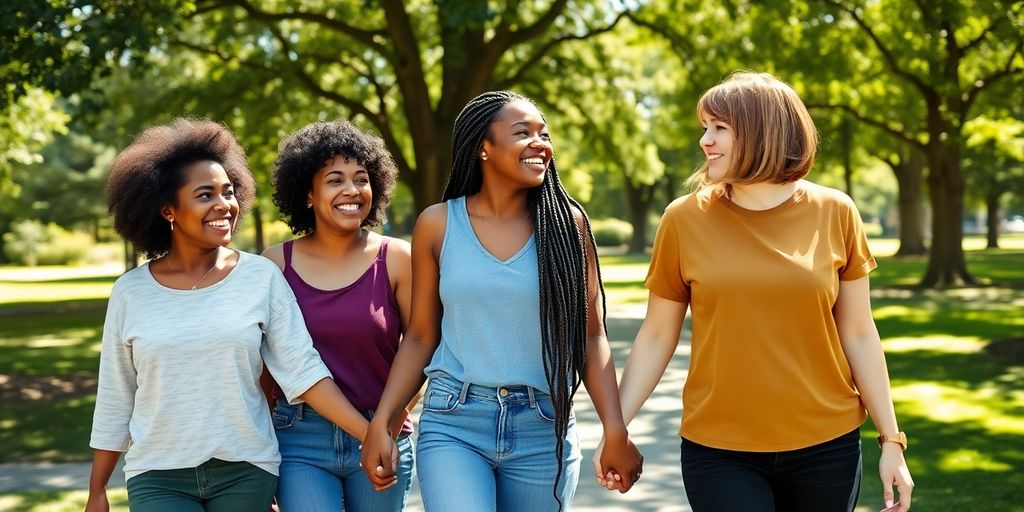
Overhauling Cisgender Heteronormative Institutions
Lesbian polyamory holds the potential to dismantle traditional, restrictive relationship models. It challenges the idea that love and commitment must be confined to a dyadic, heterosexual, and cisgender framework. By embracing multiple loving connections, it actively resists the pressure to conform to societal expectations that often limit individual expression and fulfillment. This resistance isn’t just about personal freedom; it’s about questioning the very foundations of cisheteronormativity and creating space for diverse relationship structures to flourish.
Building Chosen Families and Support Networks
One of the most beautiful aspects of lesbian polyamory is its capacity to foster strong, resilient chosen families. These networks extend beyond romantic partners to include friends, metamours (partners of partners), and other significant individuals who provide emotional, practical, and social support.
- Shared childcare responsibilities
- Collective financial planning
- Emotional support during challenging times
- Celebrating milestones together
“SwingTowns is awesome place to meet great people. We have met a lot nice people on here and had amazing time with several couples.” -LoveTerri77
Emancipatory Practices of Love and Care
Lesbian polyamory encourages a conscious and intentional approach to love and care. It moves away from the passive acceptance of prescribed roles and expectations, instead prioritizing open communication, consent, and mutual respect. This means actively negotiating boundaries, expressing needs, and engaging in ongoing self-reflection. It’s about creating a culture of care that extends beyond romantic partners to encompass the entire community. This approach to love and care can be truly emancipatory, freeing individuals from the constraints of traditional relationship dynamics and allowing them to create relationships that are authentic, fulfilling, and empowering. It allows for a deeper exploration of non-monogamous lesbian experiences and what that means for each individual involved.
Navigating Boundaries and Self-Discovery in Polyamory
Polyamory isn’t just about having multiple partners; it’s also a journey of self-discovery and understanding your own limits and desires. It requires a lot of honest communication, introspection, and a willingness to adapt as you learn more about yourself and your relationships. It’s about creating relationship structures that work for everyone involved, and that means being really clear about what you need and what you can offer.
Balancing Sexual and Emotional Boundaries
One of the first things you’ll need to figure out is where your boundaries lie. This isn’t just about physical intimacy; it’s also about emotional availability, time commitments, and the level of involvement you’re comfortable with in your partners’ other relationships. It’s easy to assume everyone is on the same page, but that’s rarely the case. Open and ongoing conversations are key. For example:
- What are your comfort levels with discussing sexual health and safer sex practices?
- How much time do you want to spend with each partner, and how do you balance those commitments?
- Are you comfortable with your partners sharing details about their other relationships with you?
Developing Personal Relationship Scripts
Our society often pushes us to follow a set of rules when it comes to relationships, but polyamory offers the chance to write your own script. This can be incredibly liberating, but it also requires more work. You get to decide what your relationships look like, what commitments you make, and how you define love and connection. This might involve:
- Identifying your core relationship values (e.g., honesty, communication, independence).
- Creating agreements with your partners about exclusivity (or non-exclusivity) around certain activities or emotional connections.
- Regularly checking in with each other to make sure everyone’s needs are being met and that the relationship structure is still working.
Finding Erotic and Emotional Fulfillment
Polyamory can be a path to deeper erotic and emotional fulfillment, but it requires a willingness to explore your desires and communicate them openly. It’s about understanding what makes you feel loved, connected, and sexually satisfied, and then finding ways to create those experiences within your relationships. This might mean:
- Experimenting with different forms of intimacy and connection.
- Learning to communicate your needs and desires clearly and assertively.
- Being open to exploring new aspects of your sexuality and emotional landscape.
“Swingtowns is fun and interesting for all kinds of cats! There a plenty of friendly folks and no pushy pests. Plenty of flavors for every occasion.” -FreakyFux
Wrapping It Up: Love Beyond the Usual Rules
So, we’ve talked a lot about how lesbian polyamory shakes things up compared to the old-school, one-size-fits-all idea of love. It’s pretty clear that for many queer folks, especially lesbians, breaking away from traditional relationship ideas isn’t just a choice; it’s kind of built into how we live. We’re already used to making our own paths, right? This whole polyamory thing just takes that a step further, showing that love doesn’t have to be limited or follow some strict script. It’s about making your own rules, finding what feels right, and building connections that truly fit your life, not someone else’s idea of what love should be.
Frequently Asked Questions
What is polyamory, and what does it mean to be polyamorous?
Polyamory means having many loves. It’s about having more than one romantic or sexual relationship at the same time. Everyone involved knows about each other. Being polyamorous means you either are in these kinds of relationships or want to be.
What is the queer community’s relationship to polyamory?
You don’t have to be polyamorous just because you’re queer, and not all polyamorous people are queer. But being LGBTQ+ can change how we have relationships. Being queer often means loving outside of what’s considered ‘normal,’ and polyamory can be similar. As one expert said, ‘Queerness and the ability to explore what types of relationships you want to have in the world — those two go hand in hand.’ Many queer people have to make up their own rules for life, much like polyamory often requires today.
How do queer dynamics differ from straight dynamics within polyamory?
Queer polyamory often has a deep respect for people’s feelings. Because the queer community is smaller and often faces challenges, we try to treat each other with care, even after relationships end. This means we might stay friends with ex-partners, unlike some straight people. It’s common in queer polyamorous groups to have exes around or even share exes with other partners. This isn’t just about polyamory, but it shows a shared understanding of caring for others.
Has polyamory always been a part of queer culture, or is it a new trend?
Yes, polyamory has been around in many Black, Brown, and Indigenous cultures for a long time. However, its recent popularity in Western society has often been taken over by white people, including white queer people. It’s important to remember these historical roots and not let the practice be seen as something new or only for certain groups.
How can polyamory help people grow and understand themselves better?
Polyamory can help people break free from old, strict ideas about relationships. It allows for more freedom in how you love and connect with others. This can lead to a deeper understanding of yourself and what truly makes you happy in relationships.
What advice would you give someone who is new to the idea of polyamory?
If you’re thinking about polyamory, it’s good to learn as much as you can. Talk to people who are already polyamorous, read books, and explore online resources. Think about what you want and need in relationships, and be open to new ways of loving and connecting. Remember, there’s no single ‘right’ way to do polyamory; it’s about finding what works for you.
Rewrite the Rules – Where Love Is Limitless and Joyfully Queer
Ditch the script and step into a world where love doesn’t follow anyone else’s lines but yours. Connect with lesbian polyamorous women who are reimagining relationships, building community, and creating connection on their own terms. Here, every version of love is valid — and celebrated. Sign up for a free SwingTowns account today to begin your journey in a space where freedom, fun, and fierce authenticity come first.
“Swingtowns is awesome and we have no complaints. There are tremendous people and wonderful couples on here that we have had the pleasure of meeting” -wearesexy2015