The Myths of Polyamorous Sex: It’s Not Always Wild
When people think about polyamory, they often picture something really wild and free, like a constant party. But honestly, that’s not always the case. It’s more complex than just a free-for-all. This article explores common beliefs about polyamorous sex and relationships, separating widespread myths from lived realities and truths. This piece explores how people use the idea of “wildness” and what that actually means in the context of polyamory.
Key Takeaways
- The trope that polyamorous sex is inherently “wild” or primitive misrepresents the reality for many who practice nonmonogamy.
- Discussions around polyamory sometimes unintentionally reinforce monogamous norms, particularly the privilege of coupledom, even within nonmonogamous frameworks.
- Scientific claims, like evolutionary biology or hormone studies, often naturalize polyamory but can ignore deeper social and racial dynamics.
- Many polyamorous relationships emphasize intimacy, domesticity, and friendship, challenging “wild” stereotypes and highlighting comfort in stable, meaningful connections.
- Examining language in polyamorous discourse helps prevent reinforcing harmful stereotypes, especially around race and “civilized” versus “uncivilized” sexualities.
Challenging the ‘Wildness’ Trope in Polyamory
It’s easy to assume polyamory means constant passion and rejecting domesticity, but many find stability and comfort in daily life. Media and some polyamory discourse often portray a life of constant thrill-seeking, chasing the next intense, edge-of-control connection. But honestly, that’s not the whole story, and frankly, it’s a bit of a tired trope. Polyamory relationship dynamics are far more varied and nuanced than the
Monogamy’s Naturalization and Polyamory’s Counter-Narratives

People often view polyamory as wild passion, but that perspective overlooks the depth, stability, and emotional connection many relationships truly hold. Much of the conversation around polyamory—especially when contrasted with monogamy—leans into narrow, often misleading narratives. We often hear about how monogamy is supposedly the “natural” state for humans, backed up by all sorts of scientific-sounding arguments. But then, people often present polyamory as a radical break from tradition—almost like a return to some primal, more authentic way of being. It’s as if society expects us to pick a side: either embrace structured, ‘civilized’ monogamy or choose free-spirited, supposedly ‘uncivilized’ polyamory.
The Privilege of Coupledom in Polyamorous Discourse
Even within polyamorous communities, there’s a tendency to still center the couple. You see it when people center discussions on how existing couples can incorporate new partners or maintain the primary couple bond. It’s like the ideal of a stable, primary partnership, which is so central to monogamy, keeps showing up even in nonmonogamous relationships. This can sometimes feel like we’re not really challenging the core idea of couple privilege, but just trying to fit it into a different relationship structure. It makes you wonder if we’re truly moving beyond the traditional relationship escalator or just decorating it differently.
Reifying Couple Bonds in Nonmonogamous Relationships
This focus on the couple can be really subtle. Sometimes, the language used in polyamorous circles still emphasizes a kind of exclusivity or hierarchy that mirrors monogamous ideals. It’s like, even when you’re practicing consensual non-monogamy, there’s this underlying pressure to prove that your relationships are just as “real” or stable as monogamous ones. This can lead people to re-create couple-centric dynamics, treating the primary partnership as the most important or most legitimate form of connection. It’s a bit of a paradox, isn’t it? Trying to break free from monogamy’s rules while still upholding some of its core assumptions about what makes a relationship “good.”
Critiquing the ‘Realness’ of Monogamous Essences
So, what are we even talking about when we say “real” relationships? There’s this idea that monogamy is somehow the default, the true essence of human connection, and anything else is just a variation or a deviation. But that’s a pretty narrow view, right? It ignores the fact that relationship structures are really diverse and have changed a lot throughout history and across cultures. Challenging the idea that monogamy is the only “real” way to do relationships is key to understanding consensual non-monogamy. We need to question these assumptions about naturalness and essence, and recognize that different relationship styles can be equally valid and fulfilling. It’s about moving past the idea that there’s one right way to love and be loved, and embracing the messy, beautiful diversity of human connection. Learning about the diversity of relationships helps us see this more clearly.
The Role of Science in Polyamory Narratives
Science. It’s supposed to be objective, right? But when it comes to polyamory, the way science is talked about can get pretty complicated.
Evolutionary Logic and the Naturalness of Nonmonogamy
Lots of people in polyamorous communities look to evolutionary biology to explain why nonmonogamy might be more natural for humans. The idea is that maybe we evolved to be more flexible in our relationships, and monogamy is just a more recent, cultural thing. It’s like saying, “See? Science proves it!” But sometimes, this can get a bit messy. It can accidentally echo older, not-so-great ideas about who is more or less “natural” or “evolved.”
- The danger is when evolutionary arguments unintentionally reinforce existing biases.
- It’s easy to fall into the trap of thinking science is just pure fact, separate from society.
- But science is done by people, and people have biases, whether they mean to or not.
Neuroplasticity and the ‘Love Hormone’
Then there’s the stuff about brain chemistry, like oxytocin, often called the “love hormone.” Some folks suggest that practicing polyamory, with all its consensual intimacy, can actually change our brains for the better. They say it can make us happier and more compassionate because oxytocin is released. It’s a cool thought, that our relationships can literally reshape our minds and make us better people.
“Swing Towns knows what’s up! Finally a platform where like minded people can connect.” -Cboy6983
Critiquing Scientific Claims About Sexuality
It’s important to question how science is used to talk about relationships. Just like monogamy has been presented as the “natural” way to be for ages, polyamory sometimes gets its own “natural” story told through science. But we need to be careful.
- Are we just swapping one “natural” story for another?
- Does focusing too much on biology ignore the social and cultural aspects of relationships?
- We should be wary of claims that present one relationship style as inherently superior based on scientific findings alone.
It’s like we’re always trying to find the ultimate, scientific truth about how humans should relate, but maybe the truth is more complicated and less about a single, perfect model.
Beyond the ‘Wild’: Domesticity and Intimacy in Polyamory

When people think about polyamory, they often jump straight to the idea of constant, wild adventures and a complete rejection of anything resembling traditional relationships. But honestly, that’s not the whole picture, not by a long shot. A lot of people exploring polyamorous relationships are actually looking for deep, stable connections, not just a series of fleeting encounters. The realities of polyamorous dating can be surprisingly grounded, focusing a lot on the comfort and security that comes from building a life with multiple people.
The Comfort of Intimate Friendship
It’s easy to overlook how much of polyamory is built on solid, everyday friendships. Beyond the romantic or sexual aspects, many polyamorous people find immense value in the platonic intimacy they share with their partners’ partners, or even with their own partners outside of sexual contexts. These friendships can provide a unique kind of support system, offering companionship and shared experiences that aren’t necessarily tied to romance. Think of it like having a built-in support network that’s woven into your romantic life. It’s about building a community, not just a series of dates.
Politicized Lesbian Feminist Challenges to the Sexual Family
Historically, some feminist and lesbian communities have critiqued the traditional nuclear family structure, seeing it as inherently limiting and oppressive. Within polyamorous circles, this has sometimes translated into a deliberate effort to create relationship structures that actively push back against heteronormative ideals. This can mean prioritizing emotional bonds and shared responsibilities over traditional romantic coupledom, or intentionally building networks of care that resemble chosen families rather than conventional romantic pairings. It’s a way of saying that love and commitment can look very different from what society usually tells us.
Domesticity as a Counterpoint to ‘Wild’ Connections
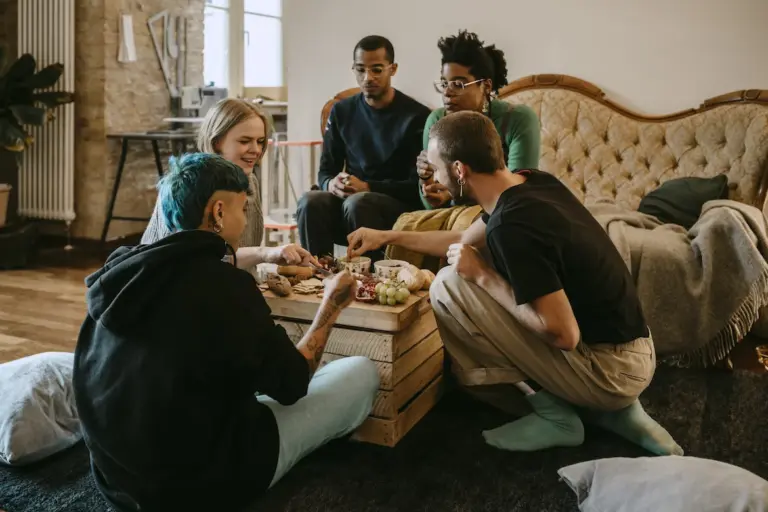
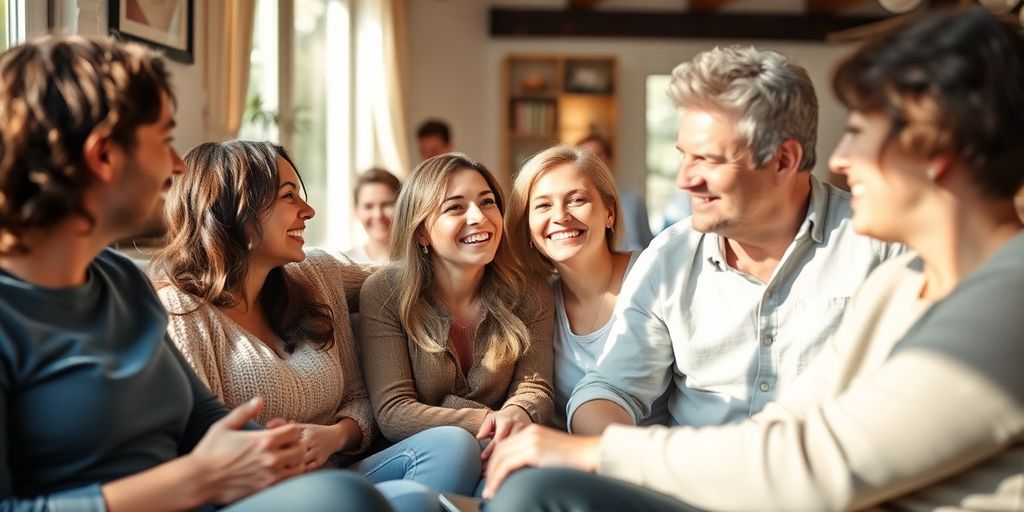
While the “wild” side of polyamory often gets the spotlight, the domestic side matters just as much. Everyday moments—sharing chores, managing finances, raising kids, or watching TV together—build the foundation for deeper intimacy. These routines don’t limit freedom; they often support it. Creating a stable home with multiple partners can foster belonging and emotional security, challenging the myth that polyamory is only about novelty or sex. For many, this stability makes polyamory feel more sustainable and safe. It’s not just about breaking norms—it’s about intentionally building something lasting. Even if it resembles monogamous domestic life, it’s shaped by choice, care, and connection. The quiet joys of home and the support of chosen family are meaningful aspects of consensual non-monogamy. In the end, it’s about finding what truly works for you and your partners—and for many, that includes the grounding comfort of shared daily life.
The ‘Us’ and ‘Them’ of Polyamorous Discourse
It feels like a lot of the talk around polyamory, especially in the early days, set up this idea of an “us” and a “them.” The “us” was often this imagined group of people who were naturally more free, more open, and definitely not stuck in the boring old ways of monogamy. And “them”? Well, “them” was pretty much everyone else, the ones who were still caught up in what poly folks saw as restrictive, maybe even “uncivilized” norms.
Situating the Polyamorous Reader
This whole “us vs. them” thing really shaped who was seen as the ideal poly person. A lot of the writing seemed to assume the reader was white, maybe from a Western background, and already kind of hip to these alternative relationship ideas. It created this subtle boundary, like you had to fit a certain mold to really get polyamory. It’s like, if you weren’t already thinking about challenging traditional relationship structures, you were automatically part of the “them” group.
The Mythic ‘Other’ and Nonmonogamy
Sometimes, to make polyamory seem more natural or desirable, writers would point to other cultures or historical periods as examples of people who were supposedly more sexually free. They’d talk about “primitive” societies or places like precolonial Hawaii, suggesting that these “others” had a more authentic, less complicated approach to relationships. The problem is, this often relied on really simplified or even romanticized ideas about those cultures, and it used them as a way to define “us” by what “they” supposedly were. It’s a bit like saying, “Look how much better they are than *us,” which isn’t really a fair comparison.
The Naturalization of Racial Difference
This is where things get complicated. When polyamory discourse talks about what’s “natural,” it can unintentionally echo racial biases. The idea of “wild” or “untamed” sexuality has often been racially coded, linking certain groups to a more primal state, while “civilized” sexuality is often associated with whiteness. So when polyamory is framed as a more “natural” alternative to monogamy, it can reinforce these racialized ideas. Depending on the narrative, monogamy becomes the “normal” (often implicitly white) model, and polyamory the deviation—or the reverse. Either way, the framing risks replicating existing racial hierarchies. This makes it harder to view polyamory as a practice free from broader societal bias. It’s essential to examine these underlying assumptions and consider how race shapes our conversations about love, sex, and relationships. Recognizing the diverse expressions of polyamory allows us to move past limiting and racialized narratives toward a more inclusive understanding.
Reclaiming Agency and Critiquing Compulsory Sexuality
Sexual Liberation and Gendered Monogamy Stories
We’re constantly surrounded by stories that frame monogamy as the ultimate goal—movies, books, and media often center on finding “the one” and settling down. This narrative shapes how we view relationships, making monogamy seem like the only “normal” or “successful” option. For people practicing polyamory, this can feel isolating, as if their experiences are invisible or even wrong for not fitting that mold. Pushing back means challenging the idea that monogamy is the only path to love or fulfillment. It’s about recognizing that there are many valid ways to form deep, meaningful connections. No single structure works for everyone, and none is inherently better than another. Reclaiming our narratives means celebrating diverse relationship styles and questioning the assumption that everyone wants the same thing. By doing so, we make space for more inclusive, honest conversations about love, intimacy, and what it means to be connected.
The Centrality of Sexual Drive Discourse
Sex drives come up a lot in conversations about polyamory, often in reductive ways. Polyamorous people are frequently portrayed as being driven by insatiable sexual needs or as having relationships that revolve only around sex. While sex is part of many polyamorous relationships—just like in monogamous ones—it’s far from the whole picture. Emotional intimacy, companionship, and deep connection also play vital roles. Overemphasizing sex can erase those aspects and reinforce outdated stereotypes, especially about women’s sexuality being less valid or important than men’s. It reduces non-monogamous desires to mere biology, dismissing the emotional and relational depth involved. To move forward, we need a more nuanced conversation about sexuality—one that recognizes it as complex and deeply tied to connection, identity, and personal values. Polyamory isn’t just about sex; it’s about forming intentional, diverse, and meaningful relationships beyond the narrow lens of sexual drive.
Beyond the Dichotomy of ‘Civilized’ and ‘Uncivilized’
Discussions about polyamory can sometimes fall into the trap of labeling certain relationship styles as more “civilized” or “natural” than others. Monogamy is often framed as the default or most refined option, while polyamory gets portrayed as chaotic or “uncivilized.” These ideas have deep roots in colonial thinking, where cultures were judged based on their relationship structures. This bias extends beyond romance—it influences how we view family, community, and even our bodies. To challenge this thinking, we must recognize that all relationship styles are social constructs, none inherently better than others. It’s not about ranking them on a scale of “civilization,” but about honoring the variety of human connection. True freedom lies in agency and choice, not fitting into a pre-approved mold. By understanding the history behind these labels, we can begin to dismantle them and embrace more inclusive, respectful ways of talking about love and relationships.
Beyond the Tropes: What’s Next?
So, we’ve looked at how polyamory isn’t always about wild, untamed freedom or some kind of primal, natural state. It’s easy to fall into those kinds of stories, but the reality is way more complex. Polyamory, like any relationship style, involves a lot of everyday stuff – communication, managing feelings, and just figuring things out as you go. It’s not a magic fix or a guaranteed path to some enlightened existence. Instead of getting caught up in myths, maybe we can focus on the actual work and care that goes into making any relationship, polyamorous or not, feel good and function well. It’s about the people involved, not just the label.
Frequently Asked Questions
Is polyamory always about having lots of wild sex and parties?
Polyamory isn’t always about wild, crazy parties. Many people in polyamorous relationships have quiet, everyday lives, just like people in monogamous relationships. They might enjoy cozy nights in, spending time with friends, or building a comfortable home together. The idea that polyamory is always about constant excitement is a common myth.
Does science really prove that non-monogamy is more natural than monogamy?
Not necessarily. While some people might see non-monogamy as a way to be more ‘natural’ or free, this idea can sometimes be linked to old-fashioned beliefs about race. It’s important to look closely at who is saying these things and why, to make sure we’re not repeating unfair ideas.
Why do some polyamorous relationships still seem to focus on couples?
Sometimes, discussions about polyamory focus a lot on couples, even within non-monogamous relationships. This can make it seem like the main goal is still to have a primary couple, rather than exploring different ways of connecting with multiple people. It’s like saying you’re breaking the rules, but then still following a similar game plan.
Is there a connection between polyamory and ideas about being ‘wild’ or ‘primitive’?
It’s true that some people connect polyamory with ideas of ‘primitiveness’ or a less ‘civilized’ way of living. This often shows up when people talk about being more ‘natural.’ However, these ideas can sometimes be tied to unfair views about different races, suggesting some groups are more ‘basic’ or ‘wild.’ We need to be careful not to fall into these traps.
How does the language used to describe polyamory create ‘us’ and ‘them’ groups?
The way we talk about polyamory can sometimes create a sense of ‘us’ versus ‘them.’ This might happen when people describe polyamory as something special or different, and in doing so, they might unintentionally make others feel left out or misunderstood. It’s important to be inclusive in how we talk about these relationships.
How does polyamory help people reclaim their own choices about relationships and sexuality?
Polyamory can be a way to take back control over your own relationships and desires, especially for people who feel pressured by traditional ideas about sex and relationships. It challenges the idea that everyone should want or need the same kind of sexual or romantic life. It’s about making your own choices, not just following what society expects.
Dive Into Pleasure – Where Curiosity Leads and Adventure Awaits
Forget the myths and step into a space where real connection, joy, and exploration thrive. Our community welcomes those who seek deeper understanding, authentic intimacy, and playful possibilities. Whether you’re new to polyamory or ready to expand your horizons, this is where it begins. Sign up for your free SwingTowns account today and start your journey into connection without limits.
“Swingtown is so great in am having so much fun and it’s the best site to visit and enjoy. The people are so friendly.” -JS12