
Polyamory, Feminism, and Who’s Calling the Shots on Desire
Lately, I’ve been thinking a lot about relationships and questioning how society tells us there’s only one ‘right’ way to do them. You know, the whole monogamous, white-picket-fence thing. But what if that’s not the only path? This article, ‘Polyamory, Feminism, and Who’s Calling the Shots on Desire,’ really digs into how we got here and what other options might look like. It’s about questioning the old rules and seeing if we can build something a bit more inclusive, especially when it comes to love and desire.
Key Takeaways
- Monogamy’s dominance is a social construct, not a biological imperative, and understanding this allows us to rethink relationship norms.
- Polyamory offers a framework for redefining love beyond exclusivity, emphasizing equality and open communication among partners.
- Feminism challenges gendered expectations in romance and addresses power imbalances, like ‘couples privilege,’ within relationships.
- Moving away from secrecy and shame, polyamory advocates for legal and social recognition, impacting traditional family structures.
- Embracing diverse relationship arrangements and critically examining societal ideas about love can lead to a more inclusive vision of romance.
Challenging Monogamy’s Dominance

Society often treats monogamy as the default—or even the only—valid way to love. But this mindset isn’t just about personal preference; it reflects a social script that generations have actively reinforced, especially when it comes to women. Culture drills in the belief that romantic love must be exclusive, and pushing back means challenging deep-rooted norms. Historically, people granted men the freedom to keep mistresses, while they harshly judged women for making similar choices. Even today, we reinforce that double standard through language and cultural traditions—like when we label certain films as ‘chick flicks’ or describe marriage as ‘giving away’ the bride. When women choose non-monogamy, critics often slap them with the label “slut,” showing how society still polices women’s sexuality and autonomy. This is where feminism and ethical non-monogamy intersect: both question rigid roles and the penalties for stepping outside them. Desire isn’t one-size-fits-all, and consensual non-monogamy deserves the same respect as any relationship style. It’s about autonomy, agency, and challenging outdated assumptions about what love and commitment must look like.
The Social Construction of Romantic Love
We tend to think of romantic love as this pure, natural thing, but it’s really more like a story we all agree to believe in. Culture and history have shaped the ‘rules’ of what makes a relationship ‘romantic’—like exclusivity, constant togetherness, and a specific timeline—and we have the power to change them. The pressure to conform to this specific version of love can be intense, making anything outside of it seem less legitimate or less ‘real.’
Beyond the ‘Traditional’ Relationship Script
Breaking away from the traditional relationship script means acknowledging that there are many ways to build a fulfilling connection. It’s about moving past the idea that a couple must look and act a certain way. This can be liberating, allowing for more authentic expressions of love and commitment that don’t fit neatly into a pre-approved box. It opens up possibilities for different kinds of partnerships and family structures.
The Stigma of Non-Monogamous Lifestyles
Living outside the monogamous norm often comes with a heavy dose of stigma. People who practice non-monogamy can face judgment, misunderstanding, and even outright rejection from friends, family, and society at large. This social disapproval can make it difficult to be open about one’s relationships, leading to secrecy and shame, which is exactly what many are trying to escape.
Polyamory as a Philosophical Framework
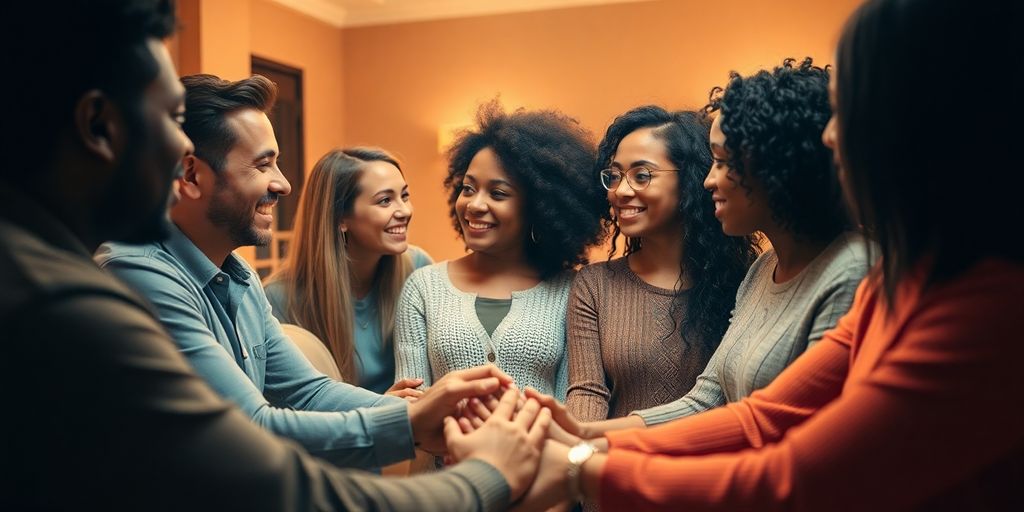
Polyamory isn’t just about having multiple partners; it’s really a way of thinking about love and relationships differently. It challenges the idea that romantic love has to be exclusive to be real or meaningful. Instead, it suggests that love isn’t a limited resource. We can actually love more than one person at the same time, and that’s okay. It’s about expanding our capacity for connection, not diminishing it.
Redefining Love Beyond Exclusivity
Think about it: we don’t expect to have just one best friend or one favorite hobby. So why do we hold romantic love to such a strict, one-person-only standard? Polyamory proposes that love isn’t a pie where giving a slice to someone else means less for the person you’re already with. It’s more like a light that can shine on multiple people without dimming.
Equality as a Cornerstone of Polyamory
For polyamory to work well, everyone involved must actively build it on a foundation of equality. That means each person should have a say and treat one another with respect. It’s not about one person having more power or control than another. Considering everyone’s needs and feelings creates a much more stable and honest dynamic. It’s about making sure no one feels like they’re just a side piece or less important.
Navigating the Biological and Social Aspects of Desire
People often wonder if our desire for multiple partners is biological or just something we learn. The truth is probably a mix of both. Our bodies might have certain drives, but society and our own choices heavily shape how we act on them and who we choose to connect with. Polyamory encourages us to look at these desires openly, rather than trying to suppress them or feel ashamed about them. It’s about understanding ourselves better and being honest about what we want and feel.
Feminism’s Role in Rethinking Desire
Feminism has really shaken things up when it comes to how we think about desire, especially in relationships. For ages, society wrote a pretty rigid script: men pursued, women played the role of the pursued, and romance followed a fairy tale formula with a damsel in distress. But feminism, in its many waves, has been busy dismantling those old ideas. It’s pushed back against the notion that women’s desires are secondary or that they should be passive in romance.
Critiquing Gendered Stereotypes in Romance
Think about all those old movies and books—men make the grand gestures, and women just get swept off their feet. That kind of storytelling reinforces stereotypes: men must always pursue, and women should stay passive. These ideas put pressure on men and limit women, making it seem like expressing desire isn’t “feminine.” Feminism pushes back, insisting that women’s desires are just as valid, and that attraction isn’t a one-way street. Everyone should feel empowered to initiate, express, and explore what they want. It’s about shifting from seeing women as objects of desire to recognizing them as subjects with full agency. This perspective is vital in polyamory, where open communication and mutual respect are key. Exploring polyamory often means unpacking outdated relationship norms and building connections on more equal footing—where everyone gets to voice their needs, wants, and boundaries without shame or rigid expectations.
Addressing ‘Couples Privilege’ and Power Dynamics
When we talk about relationships, especially non-monogamous ones, there’s this thing called ‘couples privilege’. It’s when people who are already in a primary partnership get advantages or are prioritized over other partners. Feminism, with its focus on equality and dismantling power imbalances, is super relevant here. It asks us to look critically at how these dynamics play out. Are certain relationships automatically seen as more legitimate or important just because they’re the ‘original’ couple? This can create a hierarchy that isn’t fair to everyone involved. It’s about making sure that all connections are respected and that power isn’t concentrated in just one or two people within a larger network of relationships.
The Fight Against Slut-Shaming and Societal Judgment
Let’s be real, society has a long history of judging women, especially for their sexual choices. If a woman is open about her desires or has multiple partners, she might face slut-shaming. Feminism has been a major force in pushing back against this. It champions sex positivity, which means accepting and celebrating all kinds of consensual sexual expression without judgment. This is especially important in polyamorous communities, where people are often navigating multiple relationships. The feminist perspective encourages us to question why certain behaviors are acceptable for one gender but not another, and why consensual exploration is often met with disapproval. It’s about creating a space where people can be honest about their desires and relationships without fear of shame or punishment.
“We are very excited to have joined Swing Towns. We have already chatted and met some fun people. We look forward to meeting many more friends and having a great time making new connections.” –
IzzyBlossomKatee
The Personal and Political Implications of Polyamory

Seeking Freedom from Secrecy and Shame
For a long time, many people in polyamorous relationships felt like they had to keep their lives hidden. It wasn’t just about not telling everyone at work, but a deeper need to avoid judgment or even outright rejection from friends and family. This secrecy can be really isolating. Living openly as a polyamorous person means challenging that shame and reclaiming a sense of self-acceptance. It’s about being able to talk about your relationships, your partners, and your life without fear. This shift from secrecy to openness is a huge personal victory for many, allowing them to integrate all parts of their identity.
Advocating for Legal and Social Recognition
Beyond personal acceptance, there’s a push for broader societal and legal changes. Think about housing applications or even hospital visitation rights – these systems are often built around the idea of a single, married couple. Polyamorous families, or even just groups of friends who consider themselves family, often run into these barriers. It’s not just about wanting a parade float; it’s about practical things like being recognized as a family unit for legal purposes. This advocacy is a political act, aiming to make laws and social norms reflect the reality of diverse relationship structures.
The Impact on Family Structures and Stability
When we talk about families, the traditional image is often a mom, a dad, and 2.5 kids. But reality is way more varied. Polyamory can lead to different kinds of family setups, like multiple partners co-parenting or chosen families forming strong support networks. The idea that children only need stability from a strictly monogamous unit is being questioned. Many polyamorous families demonstrate that stability comes from consistent, loving relationships, regardless of how many partners are involved. It’s about the quality of care and connection, not just the number of people in the household.
- Challenging the nuclear family model: Polyamory often involves extended networks of support.
- Redefining parental roles: Co-parenting can involve more than two people.
- Focus on relationship quality: Stability is linked to consistent care, not just structure.
“I recommend swingtowns because it’s the first site that even as a free profile you can still connect with ppl. I have since upgraded to lifetime but me and my wife have met some really fun cpls since we started on this site so we fully recommend swingtowns.” -TheRowan
The Future of Relationships and Desire
Looking ahead, it’s pretty clear that how we do relationships is still changing. We’re moving away from just following a script and starting to think more about what actually works for us as individuals. The biggest shift is towards consciously designing our connections, rather than just letting them happen. This means being really open about what we want and need, and being flexible when things change. It’s about building relationships that feel authentic, whether that’s with one person or more.
Embracing Diversity in Relational Arrangements
We’re seeing a lot more acceptance for different ways people connect. Things like ethical non-monogamy are becoming more common, and that’s a big deal. It means we don’t all have to fit into the same box anymore. People are realizing that love and commitment can look really different, and that’s okay. It’s about finding what feels right for you, not what society expects.
The Power of Critical Thinking About Love
It’s important to question the old ideas about love and relationships. We’ve been taught a certain way to do things, but is it actually making us happy? Thinking critically about why we want what we want, and whether those desires are truly our own or just what we’ve absorbed from culture, is a big step. It helps us make choices that are more aligned with our true selves.
Shaping a More Inclusive Vision of Romance
Ultimately, the future is about creating a more welcoming space for all kinds of relationships. This involves a lot of open communication and a willingness to understand different perspectives. It’s about negotiating desire in open relationships and all sorts of other arrangements with honesty and respect. The goal is to build a world where everyone can find fulfilling connections, whatever that looks like for them. It’s a work in progress, for sure, but it feels like we’re moving in a good direction.
So, What’s the Takeaway?
Ultimately, the conversation around polyamory, feminism, and desire isn’t about finding a single ‘right’ way to love. It’s about recognizing that the stories we’ve been told about relationships aren’t the only ones out there. Philosopher Carrie Jenkins points out that much of what we consider ‘romantic’ is actually a social script we’ve all absorbed, and it’s a script we can rewrite. This means challenging old ideas about exclusivity and ownership, and instead, focusing on equality and genuine connection. It’s about asking who gets to decide what love looks like and making sure everyone has the freedom to explore their own desires without judgment or shame. It’s a messy, ongoing process, but one that could lead to more honest and fulfilling relationships for everyone.
Frequently Asked Questions
What exactly is polyamory?
Polyamory means having romantic relationships with more than one person at the same time, with everyone involved knowing and agreeing. It’s about loving more than one person openly and honestly.
How does feminism relate to polyamory and desire?
Feminism helps us look at how society expects relationships to work, especially how it treats women and their desires. It questions why certain relationship styles are seen as ‘normal’ and others aren’t, and fights against unfair judgments, like slut-shaming.
Why do people question the idea of only loving one person?
Many people think love and relationships should always be exclusive, like in traditional stories. But polyamory suggests that love isn’t limited to just one person and that we can have deep feelings for multiple people. It challenges the idea that having more than one love is wrong or unnatural.
What does ‘equality’ mean in polyamory?
It’s about fairness and respect. In polyamorous relationships, everyone involved should be treated equally and have their feelings considered. It’s not about one person having more power or control than another.
Is polyamory bad for kids?
Some people worry that not being monogamous harms children. However, studies show that what’s most important for kids is having stable, loving adults in their lives, no matter how many there are. Polyamory can provide this stability.
Why do people in polyamorous relationships sometimes feel shame or secrecy?
Society often makes us feel ashamed or secretive about relationships that don’t fit the usual mold. Polyamory aims to change this by showing that different ways of loving are valid and deserve respect, just like any other relationship.
Desire, Reclaimed – Where Empowerment and Pleasure Run Wild
Ready to explore desire on your own terms? Join a dynamic community where feminism, freedom, and connection come together to celebrate authentic expression. Here, you can connect with others who honor your voice, your choices, and your pleasure. Sign up for a free SwingTowns account today and begin your journey into empowered connection and unapologetic joy.
“This is an amazing place to explore and experience. The best online platform for swinging.” -Decentfinder