
Polyamorous Parenting: The Real Deal
Thinking about polyamorous parenting? It’s a topic that sparks a lot of conversation, and honestly, a lot of confusion too. Many people have strong ideas about what’s best for kids, and when you add polyamory into the mix, things can get even more complicated. But what’s it really like for the children? We’re going to break down what you need to know about raising kids in a polyamorous household, looking at the realities, the benefits, and some of the challenges that come with it.
Key Takeaways
- Polyamory involves multiple consensual romantic relationships, challenging traditional family ideas. Many children in these families report positive experiences with their parents’ partners.
- Open communication and clear rules are vital for managing relationships and ensuring stability for children in polyamorous households.
- Children can thrive with multiple caring adults, often viewing their parents’ partners as fun and supportive figures.
- Building a strong support network, or ‘chosen village,’ can provide children with diverse adult role models and a sense of security.
- Polyamorous parents face societal misconceptions but can navigate these by living authentically and prioritizing their family’s well-being.
Understanding Polyamorous Family Dynamics

Defining Polyamory and Its Family Structures
Polyamory, at its heart, is about having multiple consensual, intimate relationships. When it comes to family life, this often translates into structures that look different from the traditional two-parent, monogamous model. Think of it as an expanded family network, where children might have more than two parental figures, or where parents have partners who are also involved in the children’s lives. It’s not just about dating multiple people; it’s about building deep, loving connections that can include children. This approach challenges the idea that love and family must fit into a single, rigid box. It’s a form of ethical non-monogamy family life that prioritizes honesty and consent among all adults involved.
Challenging Traditional Notions of Family
Let’s be honest, the idea of a family with more than two parents can feel pretty out there to many people. We’re so used to seeing the nuclear family in movies and on TV, it’s hard to picture anything else. But polyamorous families are showing that love, stability, and good parenting aren’t tied to monogamy. Kids in these families often have a wider support system, with more adults who care about them. It really makes you think about what ‘family’ actually means – is it just biology and marriage, or is it about the people who show up and provide love and care?
The Role of Multiple Partners in Child-Rearing
In polyamorous households, parents’ partners often play a significant role in raising the children. This isn’t about replacing parents, but rather adding more caring adults to a child’s life. These partners can contribute in various ways, from helping with homework to providing emotional support or simply being a fun adult to hang out with. It’s like having an extended family or a built-in village, which can be incredibly beneficial for kids. Research suggests that children in polyamorous families often do just as well, if not better, than those in monogamous homes, likely due to the increased adult attention and support they receive.
Here’s a look at how multiple partners can contribute:
- Additional Support: More adults can mean more help with daily tasks, emotional support, and guidance.
- Diverse Perspectives: Children are exposed to different viewpoints and life experiences from various adults.
- Shared Responsibilities: Parenting duties can be shared, potentially reducing stress on individual parents.
- Expanded Love Base: Children benefit from a larger network of people who love and care for them.
“We have met so many nice people since joining swingtowns. Only positive things.” -Honeybeee
Navigating the Realities of Polyamorous Parenting
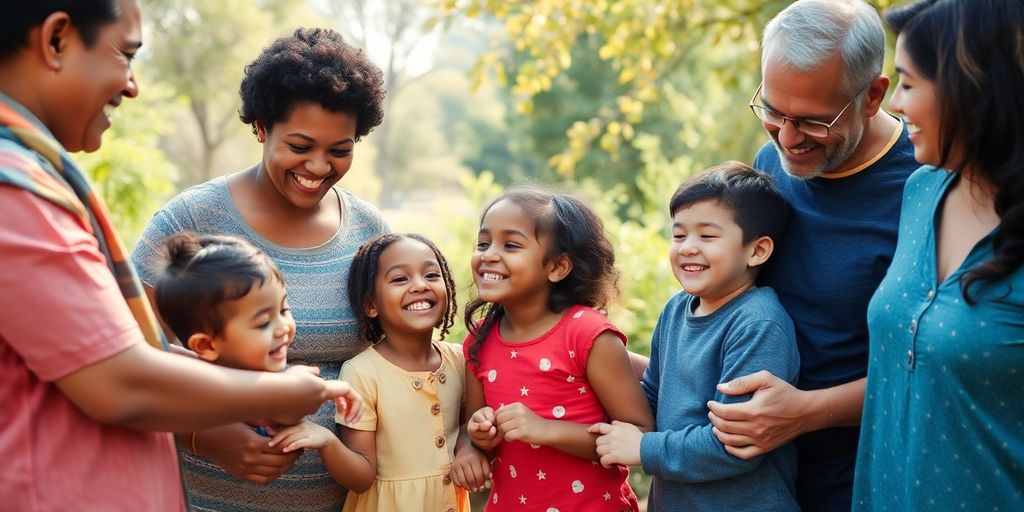
Polyamorous parenting, while rewarding for many, definitely comes with its own set of unique challenges. It’s not always the smooth sailing some might imagine, and honestly, that’s okay. The key is how you handle these situations. Many families find that open communication and a commitment to honesty are the bedrock of their success. When everyone involved, including the kids, knows what’s going on and feels heard, it makes a huge difference. It’s about building trust and making sure everyone feels secure, even when relationships shift or new partners come into the picture.
Open Communication and Honesty in Practice
Talking openly is super important. This means being upfront with your kids about your relationships in an age-appropriate way. It’s not about oversharing, but about letting them know who is in their lives and why. For example, instead of just saying “this is a friend,” you might explain “this is Sarah, she’s a special friend to Mom, and she’ll be joining us for dinner tonight.” This builds a foundation of trust. It also means being honest with your partners about your feelings and needs, and encouraging them to do the same. When everyone feels safe to express themselves, it helps prevent misunderstandings down the road.
Managing Jealousy and Insecurities
Let’s be real, jealousy and insecurities pop up in all kinds of relationships, polyamorous ones included. It’s a normal human emotion. The difference in polyamorous parenting is that you often have more people involved who can help navigate these feelings. It’s about acknowledging these emotions without letting them take over. This might involve having dedicated check-ins with partners or even with older children to talk about how everyone is feeling. Sometimes, it’s as simple as one partner reassuring the other, or a parent explaining to a child that even if they have a new special friend, their love for the child doesn’t change.
Establishing Clear Rules and Boundaries
Just like any family, polyamorous families need rules and boundaries. These aren’t just for the kids; they’re for the adults too. Think about things like:
- Time Management: How will you ensure each partner and each child gets quality time?
- Introductions: When and how will new partners be introduced to the children?
- Physical Affection: What are the expectations around public displays of affection involving different partners?
- Overnights: What are the guidelines for partners staying over?
Having these discussions upfront and writing them down can prevent a lot of confusion and conflict. It gives everyone a clear understanding of what’s expected and what’s not.
“SwingTowns is awesome place to meet great people. We have met a lot nice people on here and had amazing time with several couples.” -LoveTerri77
The Child’s Perspective in Polyamorous Households

Children Thriving with Multiple Caring Adults
It’s a common misconception that kids in polyamorous families struggle. But honestly, many children report feeling really good about having more adults in their lives who care about them. It’s not just about having more people around; it’s about having different kinds of support. Think about it: one parent’s partner might be amazing at helping with homework, while another might be the go-to for talking through friendship drama. This variety of adult input can be pretty beneficial for a child’s growth. It’s like having a wider support network, which can be a real plus.
Positive Views of Parents’ Partners
When kids are asked about their parents’ partners, the responses are often surprisingly positive. Younger children, especially, might point out fun things like a big pool or a cool hot tub at a parent’s partner’s house. It’s not always about the material stuff, though. Older kids often mention how a parent’s partner is a good listener, someone who doesn’t interrupt when they’re trying to explain something important. This suggests that these relationships can offer unique emotional support that complements what parents provide. It’s about having another trusted adult who genuinely cares about their well-being.
The Impact of Openness on Children’s Well-being
Openness and honesty are pretty big deals in polyamorous households, and that really seems to trickle down to the kids. When parents talk openly about their relationships and feelings, it can help children feel more secure. They understand that their parents have multiple loving connections, and that these connections are stable and consensual. This kind of transparency can actually reduce anxiety and confusion for children. It helps them see that love isn’t a limited resource and that their parents’ happiness doesn’t take away from their own. It’s about building trust and showing kids that complex relationships can be managed with respect and care. As one parent put it, “It takes a village,” and for many, polyamory is a way to build that village, creating an expansive, loving environment that research suggests is beneficial for children. You can find more on how these family structures work in publications about stepfamily relationships.
“Swingtowns is fun and interesting for all kinds of cats! There a plenty of friendly folks and no pushy pests. Plenty of flavors for every occasion.” -FreakyFux
Building an Extended Family Network
When you’re parenting in a polyamorous setup, you’re not just building a family; you’re often building a whole village. It’s about creating a wider circle of support for the kids, beyond just the parents. Think of it like this: “It takes a village,” and polyamory can be a really effective way to assemble that village.
Creating a Chosen Village for Children
This isn’t about just having a lot of adults around; it’s about intentional connection. It means cultivating relationships with partners, and sometimes their partners too, so that there are multiple trusted adults who genuinely care about the children. These connections can be incredibly beneficial. For example, a child might have a parent’s partner who is great at teaching them magic tricks, or another who is always ready to play video games. These aren’t just casual acquaintances; they become part of the child’s support system.
The Benefits of Diverse Adult Role Models
Kids get to see different ways of being in the world from various adults. One partner might be really good at cooking and meal planning, while another handles the laundry or takes out the trash. This division of labor, especially when multiple adults live together, can make household tasks much smoother. Plus, having different adults with varied skills and interests means kids have more people to turn to when they want to learn something new or just need a different perspective. It’s like having a built-in support network that can offer a wide range of experiences and guidance. It’s important to remember that research suggests children in polyamorous families often do just as well, if not better, than those in more traditional setups, partly because of this expanded support system. We’re seeing that this approach can really benefit the kids’ emotional, social, and intellectual growth. It’s about creating an expansive loving environment, which is the best environment for children to grow up in. You can find more on community care and adopting an ecological mindset in discussions like those from Libby and Genevieve King of Chill Polyamory.
Maintaining Stability Amidst Multiple Relationships
Of course, keeping things stable is key. It’s not about having a constant stream of new people in the kids’ lives. It’s more about nurturing the existing relationships that are healthy and positive. When new partners enter the picture, it’s important to introduce them thoughtfully. For instance, a parent might tell their children they won’t bring home every person they date, but only those who are serious enough to be formally introduced. This reassures kids that their parents are being mindful of their feelings and won’t overwhelm them with constant new faces. Building this extended family network is about creating a secure and loving environment where children feel supported and cherished by a variety of caring adults.
Addressing Societal Perceptions and Controversies
It’s no secret that polyamory, and by extension, polyamorous parenting, often raises eyebrows and sparks debate. Society has a pretty ingrained idea of what a family should look like, and anything outside that box can feel a bit… unsettling to some. We’re talking about the common misunderstandings that pop up, and also some of the conversations happening within the polyamorous community itself about raising kids.
Misconceptions About Polyamory and Children
Let’s just get this out of the way: there’s a persistent myth that polyamory is inherently bad for kids. People worry about stability, about children getting enough attention, or about them being exposed to too many adult relationships. It’s like there’s this automatic assumption that more partners equals more chaos, and that kids in these families are somehow missing out or being harmed. This often stems from a lack of exposure and a reliance on traditional, monogamous family models as the only valid way. Many people outside the polyamorous world struggle to grasp how a family with multiple committed partners can provide a secure and loving environment. It’s a tough perception to shift when the dominant cultural narrative is so heavily focused on the nuclear family unit.
Internal Community Debates on Parenting
Interestingly, the conversation isn’t just happening on the outside. Within the polyamorous community itself, there are definitely different viewpoints on parenting. Some folks who came to polyamory seeking personal autonomy might feel that having children doesn’t align with that path, and they might even have boundaries against dating parents. It’s a bit of a paradox for some, where the very freedom that polyamory offers can feel at odds with the responsibilities of raising children. You’ll see discussions in online forums and groups where people express a preference for partners without kids, sometimes citing a desire to avoid the complexities that parenting can bring into multiple relationships. It’s a reminder that even within a non-traditional structure, there’s a wide spectrum of personal desires and life choices.
The Importance of Living Authentically
Despite the external judgment and internal debates, many polyamorous parents choose to live openly. This decision often comes from a place of wanting to be honest with their children and the world around them. Being out about their relationship structure allows for a more integrated family life and can prevent the stress of hiding. For some, it’s about challenging the status quo and showing that diverse family forms can be healthy and functional. It’s about creating a reality that reflects their actual lives, rather than trying to fit into a mold that doesn’t work for them. This authenticity can be incredibly powerful, both for the parents and for the children who grow up seeing their family’s unique structure celebrated rather than hidden. It’s about building a life that feels true, even when it’s different from what society expects. Many polyamorous families find that their broader network of supportive adults contributes positively to their children’s lives, offering diverse perspectives and a larger support system, much like building a chosen village for children building an extended family network.
Practical Considerations for Polyamorous Parents
When you’re raising children non-monogamously, there are definitely some things to think about to keep everything running smoothly. It’s not just about having multiple partners; it’s about making sure the kids feel secure and loved, which is the main goal for most parents, regardless of their relationship style. The success of polyamory and child-rearing really hinges on intentionality and open communication.
Prioritizing Family and Partner Time
Balancing the needs of multiple partners with the needs of children can feel like a juggling act. It’s important to schedule dedicated time for each relationship, including one-on-one time with each child and quality time with each partner. This doesn’t mean every moment needs to be scheduled, but having a general awareness of how time is being allocated helps prevent anyone from feeling neglected. Think about creating a shared calendar or having regular family meetings to discuss schedules and upcoming events. It’s about making sure that the structure supports everyone’s emotional well-being.
Careful Selection of Partners for Children
When bringing new partners into the family dynamic, especially when children are involved, it’s not a decision to be taken lightly. It’s wise to ensure that any new partner is not only a good fit for you but also demonstrates respect, patience, and genuine interest in the children. Observe how they interact with the kids, and importantly, listen to the children’s feelings about them. Not every relationship needs to be deeply integrated into the children’s lives, but those that are should be with individuals who are stable and supportive.
Legal and Financial Planning for the Future
This is a big one that often gets overlooked. In traditional monogamous families, legal and financial structures are often straightforward. For families with poly parents, however, it’s more complex. You might need to consider things like:
- Custody agreements: Even if all partners are involved in parenting, legal custody might be limited to biological or adoptive parents. Clarifying roles and responsibilities legally can prevent future complications.
- Financial contributions: How will shared expenses, like housing, education, and healthcare, be managed? Setting up clear agreements, perhaps even a co-parenting agreement or a partnership agreement, can be helpful.
- Estate planning: Wills, trusts, and powers of attorney should reflect the family’s reality, naming guardians and beneficiaries appropriately.
“My husband and I joined Swingtowns a couple of years ago. We are new to this lifestyle and were a little apprehensive in getting involved in something like this, but we wanted to spice up our sex life and bite the bullet. We have met some wonderful respectful people and have become friends with everyone we met.” -Needtocome
It’s about making sure that the love and support you provide are backed by solid practical arrangements, which is key for children raised non-monogamously.
Wrapping It Up
So, what’s the real deal with polyamorous parenting? It’s clear that this family setup isn’t the simple, neat package many people are used to. While some worry about kids getting confused or feeling unstable, many families are finding ways to make it work, with kids often benefiting from extra adult support. It’s a different path, for sure, and it requires a lot of open talk and honesty between everyone involved. Like any family, it has its ups and downs, but the love and care for the children seem to be the main focus for those who choose this lifestyle. It’s a reminder that families come in all shapes and sizes, and what matters most is the love and stability they provide.
Frequently Asked Questions
What exactly is polyamory and how does it work in families?
Polyamory means having romantic or intimate relationships with more than one person at the same time, with everyone involved knowing and agreeing. In polyamorous families, this can mean children have more than two adults who play a caring role in their lives. It’s different from cheating because everyone is open and honest about the relationships.
Is it true that polyamorous parenting is bad for kids?
Some people worry that having multiple partners might confuse kids or make their home life unstable. However, many studies and real-life stories show that children in polyamorous homes can be just as happy and well-adjusted as those in traditional families. Kids often benefit from having more adults who love and support them.
How do kids feel about their parents’ other partners?
Children often see their parents’ partners as extra adults to have fun with, learn from, and rely on. They might see them as cool aunts or uncles who bring new activities and perspectives into their lives. This can create a strong support system for the child.
How do polyamorous families create a strong support system for their children?
Building a strong support network, sometimes called a ‘chosen village,’ is important for any parent. For polyamorous parents, this network naturally includes their partners and potentially their partners’ partners. This extended family can offer a lot of help and different kinds of adult role models for children.
What are some common worries or debates about polyamorous parenting?
There are common misunderstandings, like thinking polyamory is just about sex or that it’s inherently harmful to children. Inside the polyamorous community itself, there are also discussions about the best ways to parent while in multiple relationships. Some people within the community even prefer not to date parents.
What are some practical things polyamorous parents need to consider?
Polyamorous parents often focus on open communication, setting clear rules, and making sure everyone’s feelings are heard. They also carefully choose who gets to be a part of their children’s lives, ensuring these new adults are trustworthy and loving. Planning for the future, like legal and financial matters, also becomes important with more adults involved.
Thrive Together – Where Families Blossom and Love Knows No Limits
Parenting in a polyamorous dynamic is as real, rewarding, and complex as it gets — and you deserve a space that gets it. Whether you’re redefining what family means or looking for others on a similar journey, connection is just a heartbeat away. Join a supportive, inclusive community built for love in all its forms. Sign up for a free SwingTowns account today and start building your village with those who truly understand.
“Swingtowns.com has been one of the best places for meeting like minded and fun party people. I’m always looking to meet new people and this site never fails.” -PoundnSand