Polysexual Pride: Flags, Symbols & Year-Round Celebration
Pride Month is a big deal, but the celebration of LGBTQ+ identities shouldn’t stop when June ends. There’s so much richness in the community’s symbols, especially the flags that represent different attractions and identities. Understanding these symbols, like the polysexual and polyamorous pride flags, helps us appreciate the diversity within the broader LGBTQ+ community. Let’s look at some of these flags and how we can keep the spirit of Pride alive all year long.
Key Takeaways
- The Polysexual Pride Flag, designed in 2012, uses pink, blue, and green to represent attraction to multiple genders, specifically male, female, and those outside the binary.
- The Polyamorous Pride Flag, originally designed by Jim Evans in 1995, features blue, red, and black stripes with a pi symbol, signifying openness, passion, solidarity, and infinite partner options.
- Beyond polysexual and polyamorous symbols, flags like the Aromantic, Intersex, and Genderqueer pride flags highlight the wide spectrum of identities within the LGBTQ+ community.
- Celebrating polysexual pride year-round involves community events, using flags for visibility, and accessing educational resources to support understanding and acceptance.
- Pride symbolism has evolved significantly from its early days, with new flags continually being created to represent diverse identities and experiences, emphasizing the importance of ongoing dialogue and inclusivity.
Understanding the Polysexual Pride Flag

The Meaning Behind the Colors
The polysexual pride flag, designed by Tumblr user Samlin in 2012, features three distinct horizontal stripes. The top stripe is pink, representing attraction to women. Below that is a green stripe, symbolizing attraction to non-binary individuals or those who identify outside the male/female binary. Finally, the bottom stripe is blue, signifying attraction to men. These colors were chosen to reflect attraction to multiple genders, but not necessarily all of them.
A Symbol of Attraction Beyond the Binary
Polysexuality is about being attracted to more than one gender, but it’s not the same as being attracted to all genders (which is pansexuality). The green stripe on the flag is particularly important because it acknowledges and celebrates attraction to genders that fall outside the traditional male and female categories. It’s a visual representation of the diverse spectrum of attraction that exists.
Designed by Samlin in 2012
The creation of the polysexual pride flag in 2012 by Samlin on Tumblr was a significant step in increasing visibility for the polysexual community. Like many other pride flags, it draws inspiration from existing symbols within the LGBTQ+ community, adapting them to represent a specific identity. This flag helps in understanding polysexuality and identity by providing a clear, recognizable symbol for people to connect with and feel represented by.
Exploring the Polyamorous Pride Flag
When we talk about polyamory, it’s important to recognize the symbols that represent this relationship style. The Polyamorous Pride Flag, designed by Jim Evans in 1995, serves as a key identifier for the community. It features three horizontal stripes: blue at the top, red in the middle, and black at the bottom. The blue stripe signifies openness and honesty among all partners involved. Red represents love and passion, the driving forces within these connections. The black stripe is a symbol of solidarity for those who must keep their polyamorous relationships hidden from a society that may not understand or accept them.
At the heart of the original flag is a golden pi symbol. This choice wasn’t random; the Greek letter pi is the first letter of the word ‘polyamory’ in Greek. It’s meant to represent the infinite possibilities and the capacity for deep emotional connection with more than one person.
Over time, variations have emerged, reflecting the community’s evolving expressions. One notable alternative replaces the pi symbol with infinity hearts. This heart symbol is widely embraced within polyamorous circles, symbolizing the boundless nature of love and affection for multiple partners. Understanding these symbols helps us appreciate the diversity within the broader LGBTQ+ community and the specific identities that enrich it. Learning about polyamory and its symbols is a step towards greater inclusivity.
Beyond Polysexual and Polyamorous: Other Pride Flags

While the polysexual and polyamorous pride flags are significant, the LGBTQ+ spectrum is wonderfully diverse, and many other flags represent different identities and experiences. It’s great to learn about them to broaden our understanding and show support for everyone in the community.
The Aromantic Pride Flag
The aromantic pride flag is a beautiful symbol for those who experience little to no romantic attraction. Its design features several stripes, with green being a prominent color representing aromanticism itself. The flag’s creation involved community input, reflecting a collective effort to establish a visible symbol for this identity. It’s a reminder that attraction isn’t solely about romance; other forms of connection are just as valid.
The Intersex Pride Flag
Created by Morgan Carpenter of Intersex Human Rights Australia in 2013, the intersex pride flag is unique because it deliberately avoids traditional gendered colors. It features a yellow background with a solid purple circle in the center. The unbroken circle symbolizes wholeness and autonomy, representing intersex people’s right to self-determination and bodily integrity. It’s a powerful statement against the often-harmful medical interventions that intersex individuals face.
The Genderqueer Pride Flag
Designed by Marilyn Roxie in 2011, the genderqueer pride flag uses lavender, white, and green. Lavender represents androgyny and the queer community, white signifies the absence of gender (agender), and green represents those whose identities fall outside the binary. This flag is a vibrant acknowledgment of identities that exist beyond traditional gender roles and expectations. It’s a key part of recognizing the full spectrum of gender experiences, much like the polysexual pride flag acknowledges attraction beyond the binary.
Celebrating Polysexual Pride Year-Round: Events and Symbols
Community Gatherings and Awareness Events
It’s easy to think of Pride as a single month, but the spirit of celebration and advocacy can, and should, extend throughout the year. For polysexual individuals, this means actively seeking out and creating opportunities for connection and visibility. Look for local LGBTQ+ centers that might host regular meetups or discussion groups. Many organizations also put on events specifically focused on celebrating diverse sexualities, which are great places to connect with others. Participating in these polysexual pride month activities and other lgbtq+ celebrations beyond pride month helps build a stronger, more visible community.
The Role of Flags in Visibility
Flags are more than just pretty pieces of fabric; they’re powerful symbols. The polysexual pride flag, with its distinct blue, pink, and green stripes, serves as a clear identifier for those attracted to multiple genders. Displaying it, whether at a community event or even in your personal space, is a quiet but firm statement of identity. It can spark conversations and increase awareness about polysexuality, which is important for broader acceptance. Remember, the rainbow flag is a foundational symbol, but the diversity of flags like the polysexual one shows how far inclusivity has come.
Educational Resources and Support Networks
Beyond events and symbols, continuous learning and mutual support are key to year-round pride. There are many online resources and organizations dedicated to providing information about polysexuality and offering support to those who identify with it. These networks can be invaluable for finding community, sharing experiences, and learning more about the history and ongoing advocacy for all orientations. Seeking out these resources helps ensure that the celebration of polysexual pride is not just a fleeting moment, but a sustained commitment to visibility and understanding. It’s about creating inclusive pride events for all orientations that are welcoming and informative.
The Evolution of Pride Symbolism
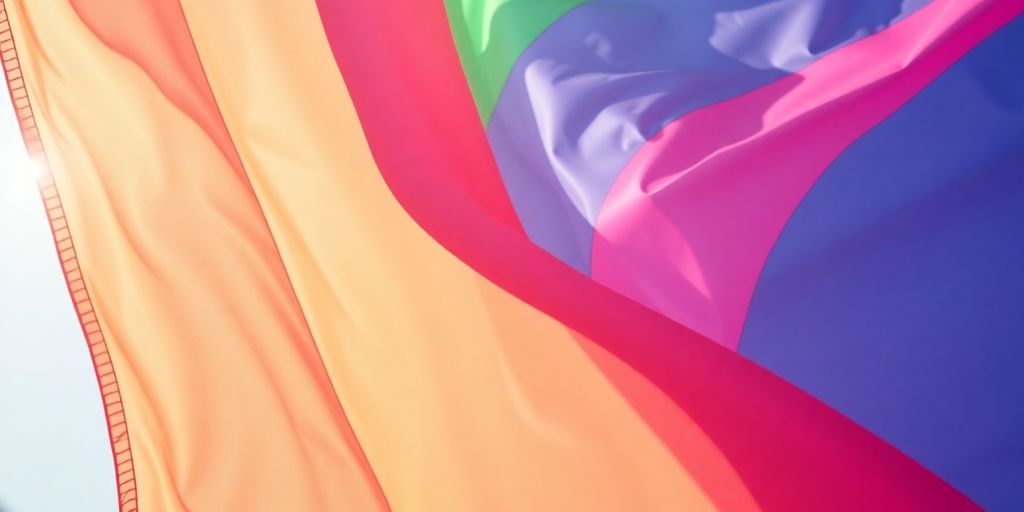
From Gilbert Baker’s Rainbow to Modern Inclusivity
The story of pride symbolism really kicks off with Gilbert Baker’s original rainbow flag in 1978. He designed it with eight colors, each meant to represent something specific about the LGBTQ+ community – like hot pink for sex and turquoise for art. It was a big deal, a real visual statement for a community that often felt invisible. Over time, though, the flag changed. Pink got dropped, then turquoise, and by 1999, we landed on the six-color version we see most often: red, orange, yellow, green, blue, and violet. This evolution wasn’t just about printing convenience; it was about adapting and growing as the community itself did. It shows how symbols can shift and change to better represent the people they stand for.
Interpreting New Flags and Their Meanings
It’s not just the main rainbow flag that has evolved. We’ve seen a whole bunch of new flags pop up, each representing different identities and experiences within the broader LGBTQ+ umbrella. Think about the polysexual pride flag or the aromantic pride flag – these didn’t exist back in the 70s. They came about because people needed specific symbols to talk about their unique attractions and identities. Understanding these newer flags is like learning a new language of affirmation. For example, the polysexual pride flag uses pink, green, and blue to show attraction to multiple genders, but not necessarily all of them, which is a key distinction.
The Importance of Ongoing Dialogue
“We’ve only been in the LS for about a year but we have found some really great people using SwingTowns. Wish we would have found the website sooner.” -2Adults89
This whole process of creating and sharing flags is really important. It’s how people find each other and feel seen. It’s not just about having a pretty flag; it’s about community, visibility, and saying, “We are here, and this is who we are.” The conversation around these symbols is always happening, and that’s a good thing. It means we’re still learning and growing together, making sure everyone has a place and a symbol to call their own.
More Than Just a Month: Living Polysexual Pride
So, while June is a fantastic time to celebrate polysexuality and all the other beautiful identities within the LGBTQ+ spectrum, the spirit of pride doesn’t have to end when the month does. Understanding the meanings behind flags like the polysexual one, and others like the polyamorous or intersex flags, gives us more ways to show support and recognize the diversity around us. Keep these symbols in mind, share what you’ve learned, and let’s make sure these celebrations of identity and love continue all year long.
Frequently Asked Questions
What does the polysexual pride flag look like and what does it mean?
The polysexual pride flag has three stripes: pink, green, and blue. It was created in 2012 by a Tumblr user named Samlin. The pink stripe represents attraction to females, the blue stripe represents attraction to males, and the green stripe represents attraction to people who don’t fit into the male or female categories.
Who created the polyamorous pride flag and what do its symbols mean?
The polyamorous pride flag was designed by Jim Evans in 1995. It has a blue stripe for openness and honesty, a red stripe for love and passion, and a black stripe for people who have to hide their relationships. In the middle, there’s a gold pi symbol, which stands for the many choices people have in relationships.
Are there other pride flags besides the polysexual and polyamorous ones?
Yes, there are other pride flags that represent different identities within the LGBTQ+ community. For example, the aromantic pride flag is for people who don’t experience romantic attraction, and the intersex pride flag uses yellow and purple to represent wholeness and autonomy.
Why are pride flags important for celebrating identities?
Flags are important because they help people feel seen and represented. They can bring communities together and raise awareness about different identities and the challenges they face. Seeing a flag can be a powerful way to show support and celebrate diversity.
How can I celebrate polysexual pride throughout the year?
You can celebrate polysexual pride all year by learning about the community, attending local events, and supporting LGBTQ+ organizations. Sharing information about polysexuality and its symbols, like the flag, helps spread understanding and acceptance.
How has the meaning of pride symbols changed over time?
The meaning of pride symbols has grown over time. Starting with the original rainbow flag created by Gilbert Baker, which represented different aspects of life and spirit, new flags have been created to include more specific identities. This shows how the LGBTQ+ community is always working to be more inclusive.
Shine Bright – Where Pride Colors Every Connection
Polysexual pride isn’t just a moment—it’s a celebration that lives all year long. Join a community that honors every identity, flag, and expression with open arms and vibrant spirit. Whether you’re waving your colors or just beginning your journey, you’re welcome here. Sign up for a free SwingTowns account today and start celebrating who you are with others who truly get it.
“Swingtowns is hands down the best community that I have had the pleasure to be a part of. Would recommend this website to anyone in the lifestyle!” -SlikRik1Ace